- Takeaways
- What Do "Digital Clones" and "AI Twins of Real Models” Mean?
- AI Twins in Fashion Benefit Both Models and Brands
- Consent and Licensing Foundations Come Before Creation
- How to Avoid Ethical Pitfalls?
- Examples of Brands Using AI Digital Twins in Campaigns
- “Licensed Likeness” or “A Newly Created Identity”?
- Final Words: What to Do Next?
- FAQs
By Leila
Takeaways
- AI twins in fashion are high-fidelity replicas of real models that enable brands to produce images and videos in various settings and outfits based on captured data.
- Models can gain ongoing income from licensed uses of their digital replicas without additional physical work.
- Brands achieve faster production by reducing timelines from weeks to days through the use of digital Clones in fashion. Costs drop significantly too, with reductions up to 90%.
- Explicit written consent from real models is absolutely necessary when using their AI twins in fashion. Detailed licensing agreements cover scope, terms, and compensation to meet legal standards.
- Ethical issues can be solved through model control over their digital replicas and transparent labeling of generated content.
- Licensed likeness offers higher authenticity compared to synthetic models built from aggregated data.
- To ensure compliance and protection, brands using digital clones of real models need to review talent contracts and secure written consents before creating replicas.
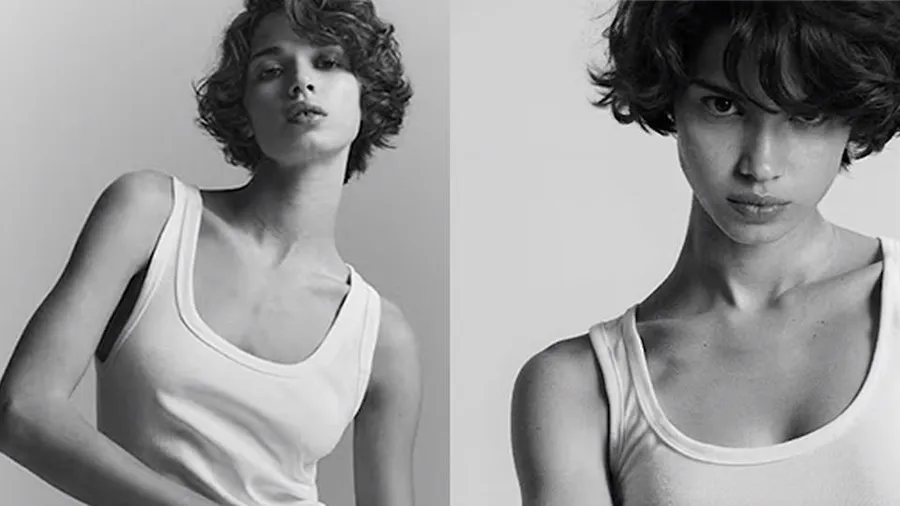
In mid-2025, H&M placed side-by-side images on Instagram: one showed a real model standing on a sunlit balcony in Paris; the other showed her exact AI twin in fashion in the same pose, same light, same effortless attitude. The only difference was the clothes. They’d changed three times in under a minute, without any reshoots or travel.
That single post crystallized what many brands now chase: the ability to keep campaigns current and personal without the old bottlenecks of scheduling, locations, and budgets.
Zalando, running similar tech, reported slashing production timelines from six-to-eight weeks down to three-to-four days and cutting costs by up to 90% on certain assets, with AI handling roughly 70% of their editorial visuals in recent quarters.
This review maps the full picture by answering the questions below:
- What are digital clones and AI twins in fashion?
- What do they actually deliver in practice?
- What are the proven gains for brands that want speed without sacrificing authenticity?
- How to ensure consent and licensing to protect models and companies alike?
- How to address ethical concerns?
- How did campaigns from H&M and Zalando make the best of digital clones and AI twins in fashion?
- How does the licensed real-model route differ from fully synthetic alternatives?
By the end, you’ll learn how these replicas can enhance revenue and relationships when deployed ethically.
Stay tuned.
What Do “Digital Clones” and “AI Twins of Real Models” Mean?
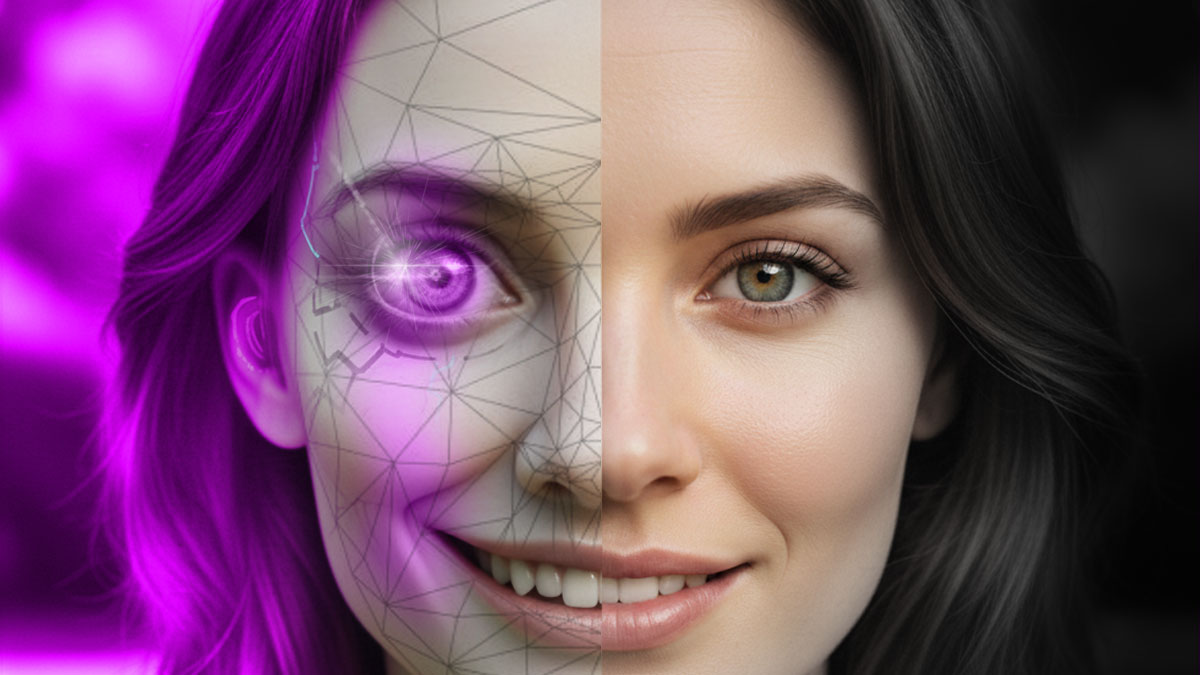
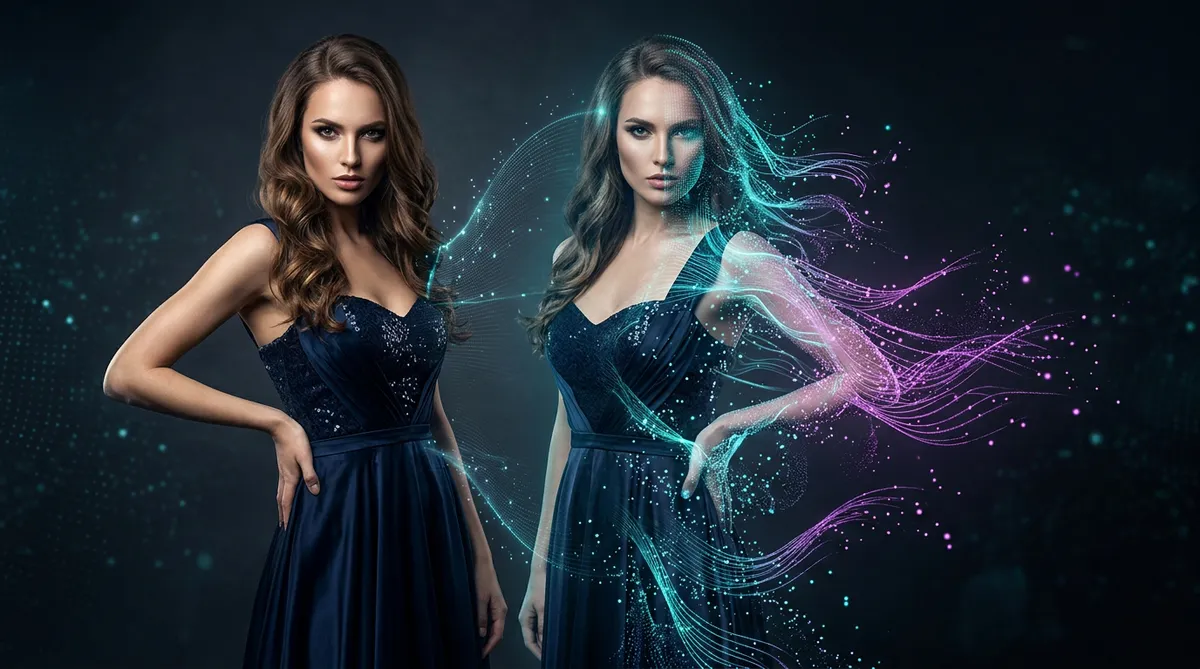
A twin in fashion are high-fidelity digital replica of real fashion models. They capture real models’ exact facial features, body proportions, movement patterns, and even subtle expressions. This technology allows fashion models and brands collaborating with them to generate new images or videos by placing these replicas in fresh settings, outfits, or poses.
The key distinction from fully synthetic models lies in the source. An AI clone of a real model starts with the actual person. Teams capture her likeness through approved photos, videos, or scans. Then they train a model on that data alone. The output stays true to her identity because the foundation is her.
This creates a digital twin fashion model that feels alive because it is rooted in a living character. The model retains control. She decides where her twin appears and earns from every use. Brands gain a reliable asset that reflects their chosen talent’s unique appeal.
In contrast, a synthetic model emerges from scratch, built on aggregated data. It offers freedom but lacks the licensed connection to a real persona. For brands focused on trust and storytelling, the character-based route wins.
AI Twins in Fashion Benefit Both Models and Brands
That’s true, and I’m going to clarify how. Let’s begin with brands.
Speed to market (or time to market) stands out first. Traditional photoshoots take weeks of planning, travel, and editing. With a digital replica, teams produce hundreds of assets in days.
Earlier, I discussed how Zalando deployed the technology to cut production costs by up to 90% in some campaigns. They now generate 70% of editorial visuals this way. That speed lets brands chase micro-trends before competitors react.
Scalability follows naturally. One twin serves e-commerce, social, email, and out-of-home, all without extra bookings. A model who once shot for a single collection now powers global rollouts. This expands reach while keeping costs predictable.
Creative freedom opens new doors. Place the twin in impossible locations. Imagine it floating in zero gravity for a tech-forward line or walking through a digital dreamscape for a couture story. Every variation stays on-brand because the core likeness remains consistent.
Sustainability gains matter to modern consumers. Fewer flights, studios, and physical sets reduce the carbon footprint. Brands that highlight this story strengthen their values-based positioning.
Finally, revenue impact proves the point. H&M’s early tests with digital twins showed they could refresh product imagery instantly for seasonal drops. Engagement rose because visuals stayed fresh and relevant.
The advantages extend to real models as well. Talent partnerships evolve into long-term alliances. Models earn recurring income from their twins. They appear in more campaigns without burnout. This builds loyalty and attracts top characters who see the opportunity.
Overall, the benefits of AI clones of real models for both brands and real models center on agility, cost efficiency, and authentic storytelling. They turn fixed assets into dynamic ones that fuel consistent growth.
Consent and Licensing Foundations Come Before Creation
Using AI twins in fashion brings real advantages, yes. Yet, it may surface serious legal and ethical challenges that brands must confront head-on to protect their reputation, avoid penalties, and maintain trust.
Key legal risks include violations of publicity rights and likeness protections. Models own their likeness. Without explicit consent, unauthorized use of a model’s image, even in altered digital form, can trigger lawsuits under evolving laws.
How to avoid such troubles?
Start with explicit consent. New York’s Fashion Workers Act requires separate, written approval detailing scope, purpose, pay, and duration before creating or using any digital replica. The EU AI Act mandates clear labeling of generated content and reinforces rights over personal data and likeness, with non-compliance risking fines.
It’s also essential to establish a framework that empowers talent. In H&M’s model, the talent controls the twin. They approve each use and license it to other brands (even competitors). Compensation follows usage: per campaign, per territory, per channel. This mirrors traditional licensing but scales infinitely.
Here are the key elements every license should cover:
- Scope: Specific poses, garments, settings, or modifications allowed.
- Term: Clear start and end dates. Renewal requires fresh approval.
- Territory: Global, regional, or channel-specific rights
- Channels: Social, e-commerce, print, and video must be listed explicitly.
- Compensation: Base fee plus usage royalties must be tracked and reported transparently.
Remember to include guardrails in the contract. Prohibit uses that could harm the model’s reputation. Require approval for sensitive contexts. Add audit rights so models can verify compliance.
How to Avoid Ethical Pitfalls?
Ethical concerns center on exploitation and misrepresentation. Unauthorized deepfakes or clones can harm a model’s career by placing her in unwanted contexts, erode industry jobs, or fake diversity without genuine inclusion.
Moreover, misuses such as harmful content damage public trust and normalize exploitation in an industry already under scrutiny for labor issues.
The question remains, “How to address these ethical concerns?”
Are You a Fashion Brand? Establish Yourself as a Responsible Leader
Take Inspiration from H&M. They let models own and control their twins. Why not follow their lead? By doing so, you can attract top talent, minimize legal risks, and position your brand as a responsible leader in the industry.
Secure explicit, separate consent every time. Follow New York Fashion Workers Act and EU AI Act standards: get written approval that spells out exact terms, and treat it as independent from any agency contract.
Also, build detailed licensing agreements with strong protections. Include veto rights for sensitive uses, bans on harmful contexts, and audit clauses so models can verify compliance.
And remember to label transparently. Add visible watermarks or disclosures on all AI-generated assets to meet EU requirements and build audience confidence.
Are You a Model? Expert Partners Bring the Controlled and Respectful Use of Digital Twins
Creating a digital twin of a real model goes beyond simply producing an exact digital replica.
Dream Farm Agency’s approach is to design narratives that honor the original person and prevent drift into risky territory.
This approach not only celebrates the model but also opens up new revenue streams for both the individual and the company that owns their likeness. Expert partners like us not only create your AI twins in fashion but also manage extensions into new revenue streams while protecting your reputation.
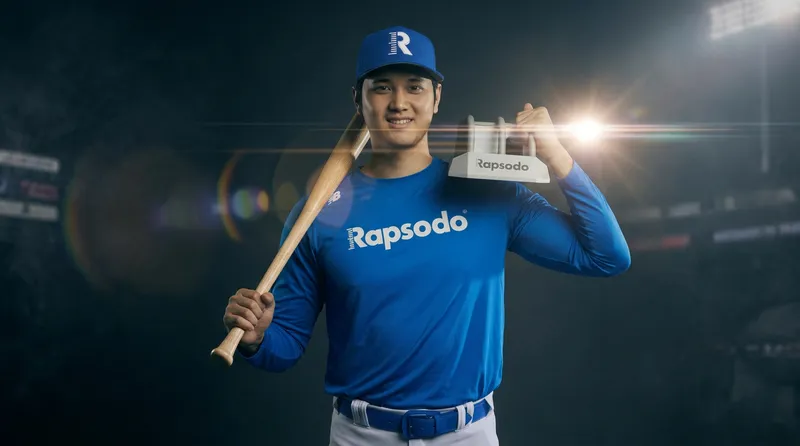
Our recent project with Rapsodo exemplifies this. By creating a digital replica of their brand ambassador, the sports icon Shohei Ohtani, we addressed the challenges associated with traditional talent-dependent production methods.
Want to make your brand stand out in a fresh and exciting way? A virtual influencer could be the game-changer you’re looking for.
If you’re ready to create a digital character that connects with your audience, we’re here to help.
Get in touch today to start building a virtual influencer that truly speaks to your fans.
Learn more
Examples of Brands Using AI Digital Twins in Campaigns
H&M
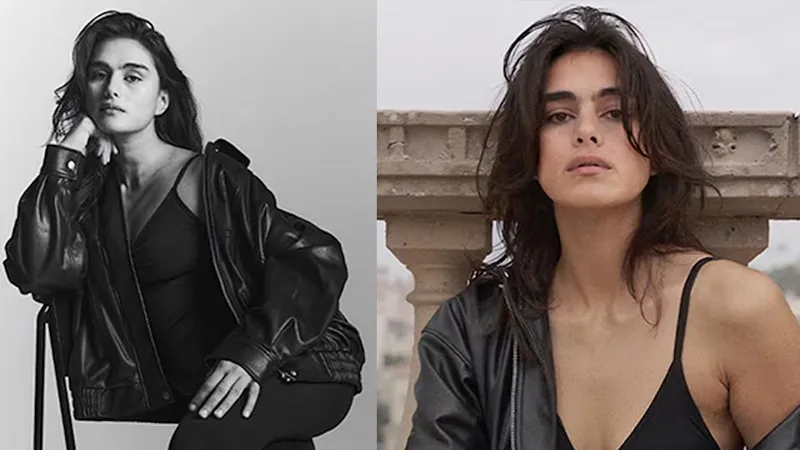
They led the charge in 2025. They created twins for 30 models, including Vilma Sjöberg, Mathilda Gvarliani, Jill Kortleve, and Yar Aguer. Their denim campaign placed the twins in iconic fashion capitals, such as standing on Parisian balconies and leaning against Tokyo walls.
Models shared quotes: “She’s like me, without the jetlag.” The campaign felt human and forward-thinking at once.
Zalando
Zalando took a 3D approach as part of its “Inspiration & Engagement” B2C strategy. They built high-fidelity replicas that mirror movement and shape. These twins power dynamic product pages and trend-responsive banners.
Customers see garments on bodies that feel familiar and accurate. Zalando reports faster campaign cycles and stronger conversion.
- Key outcome: They cut the production costs significantly too, with reductions up to 90%.
“Licensed Likeness” or “A Newly Created Identity”?
For many years, real models have been the standard in the fashion industry. However, with the emergence of digitally created stars like Shudu Gram, brands are increasingly asking themselves, “What works best for me? A real fashion celebrity, their AI clone, or a completely synthetic identity?” The decision shapes everything from legal risk to audience connection.
A licensed likeness starts with consent and real reference data. In other words, the model owns his/her twin. He/she approves uses and benefits financially. The output carries the weight of an authentic character.
A synthetic model has no original person. Teams train it on broad datasets. It offers total creative freedom but lacks the emotional anchor of a real persona. Brands must disclose their nature to avoid misleading audiences.
Here’s a Quick Comparison Based on Pros and Cons
| Licensed AI Clone of Real Model | Fully Synthetic Model | |
| Authenticity | High; rooted in a living character | Variable; can feel generic without strong directions |
| Legal Safety | Strong with proper licenses; protected by law | Higher disclosure risk;
potential IP issues |
| Brand Alignment | Direct; mirrors the chosen talent’s persona | Requires more creative effort to build equity |
| Talent Relations | Strengthens partnerships; recurring revenue | No talent involvement |
| Scalability | Excellent—model controls multiple uses | Unlimited but needs constant style management |
| Audience Trust | High when disclosed transparently | Needs clear labeling to maintain credibility |
For luxury and high fashion brands, the licensed route wins. It delivers digital fashion that feels real because it is. It builds on existing equity in top models. And it aligns with growing regulations that favor consent.
Hybrid approaches also pay off. Use synthetic models for background figures or testing. Reserve AI twins in fashion for hero campaigns that need emotional depth.
Final Words: What to Do Next?
AI twins in fashion mark a turning point for the industry. They let brands move faster, create more, and connect deeper. All of this occurs while celebrating the real characters who inspire us.
The brands that act now will own the future of digital fashion. They’ll build libraries of trusted assets. They’ll forge stronger bonds with talent. And they’ll deliver experiences customers remember.
Start today. Review your talent contracts. Explore capture sessions with willing partners. Build governance that protects your vision. The technology is ready. The opportunity is yours.
Test a single twin on a small campaign and measure the lift. Then scale with confidence. We plan every step for you, and transfer the IP ecosystem to you.
The future of fashion belongs to those who blend human character with digital possibility. Lead the way. Your next iconic campaign starts with one smart replica.
FAQs
Q: Do brands need a model’s consent to create a digital twin of them?
A: Yes. Always. Laws like New York’s Fashion Workers Act make separate written consent mandatory. Without it, brands risk penalties and damaged relationships.
Q: What does a “digital twin” license cover (scope, term, territory, channels)?
A: Every detail matters: Exact uses, time limits, geographic reach, and distribution channels. Compensation terms need to tie to performance. That includes review rights and termination clauses as well.
Q: What kind of photos or capture session is needed to build a usable AI twin?
A: A comprehensive data shoot: multiple angles, lighting conditions, poses, and movement. Aim for thousands of high-resolution frames. The model must approve the dataset.
Q: What are the biggest risks of using AI twins in fashion marketing?
A: Misrepresentation of fit or color tops the list. Inconsistent outputs can erode trust. Poor governance risks off-brand content. Always pair technology with human review.
Q: Can AI twins replace photoshoots?
A: Twins handle volume and speed. Live shoots capture energy and collaboration that technology cannot fully replicate. A hybrid approach is recommended.
Leila