- What Are Character-Driven Ad Campaigns?
- Character-Driven Ads Outperform Logic-Driven Campaigns: Here’s Why
- Choosing the Right Character Strategy for Your Brand
- Measurement: Proving a Character-Driven Campaign Works
- Where Character-Driven Ad Campaigns Fail and How to Avoid It
- From Short-Term Campaigns to Long-Term Character Equity
- Building Long-Term Value With Character-Driven Ads
Key Takeaways:
- Character-driven ad campaigns work by placing a consistent character at the center of the narrative, allowing audiences to build familiarity and recognize the brand faster through repeated exposure.
- Character-based ads trigger emotions, and that is why they can outperform feature-heavy messaging common in logic-based promotions.
- To ensure success, the character must match the campaign goal and audience preferences.
- Inconsistency across teams and forgetting to properly place the product often causes character-driven ads to fail.
- By investing in creating a brand-owned character, businesses will create an internal asset that they can use across various channels and for different marketing campaigns.
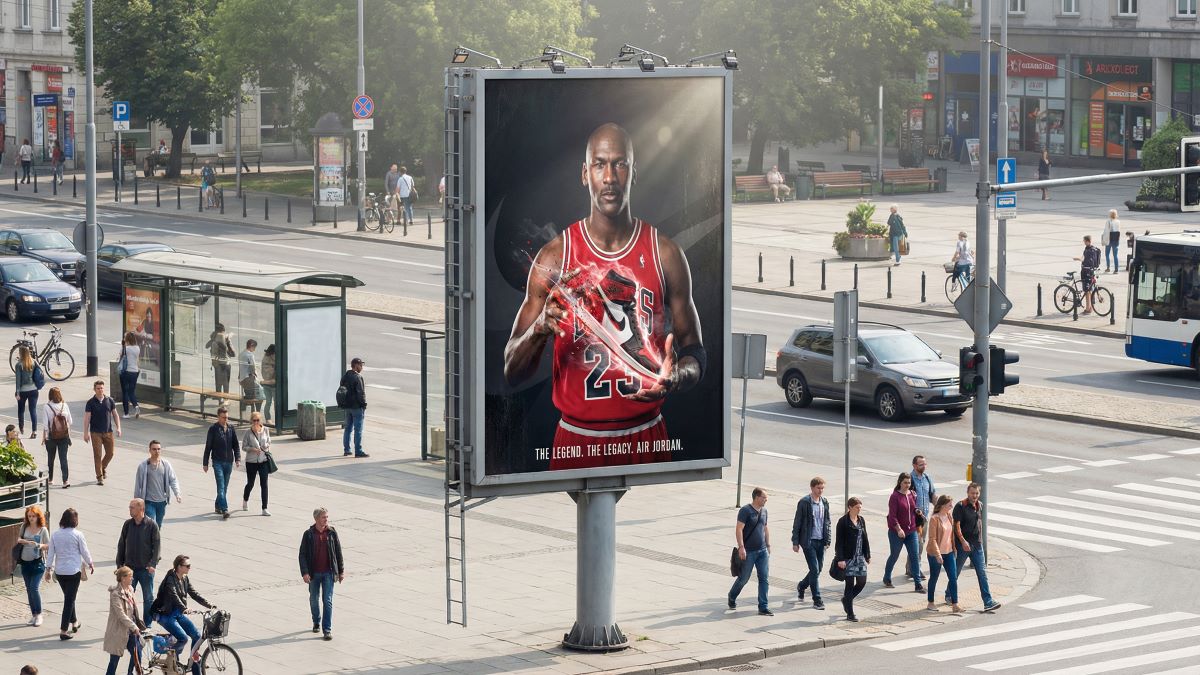
Character-based commercials are ads where a character, in any form, leads the story, and the product or service sits in the background. That said, it’s an indirect way of advertising a product. The character shows up and tells a story in its own world, where the product helps address the character’s needs.
These campaigns fall under creative advertising approaches. According to Circana, creative advertising drives 49% of incremental sales.
So, if your marketing department is stuck with traditional methods that are less effective these days, it’s worth continuing through this guide and becoming familiar with character-driven ad campaigns.
What Are Character-Driven Ad Campaigns?
In character-driven ad campaigns, brands put a defined character at the center of the narrative. This means that the main focus is on the character, rather than the product or service that the brand aims to promote.
Clearly defining various aspects of the character is important to ensure the campaign performs as intended. The character must have a distinct personality, clear motivations, a unique voice, and consistent behavior.
The ultimate goal is to encourage audiences to follow the character across the entire campaign, not just the offer. If the business can’t demonstrate the product naturally as something the character needs and uses, the whole campaign leads to failure.
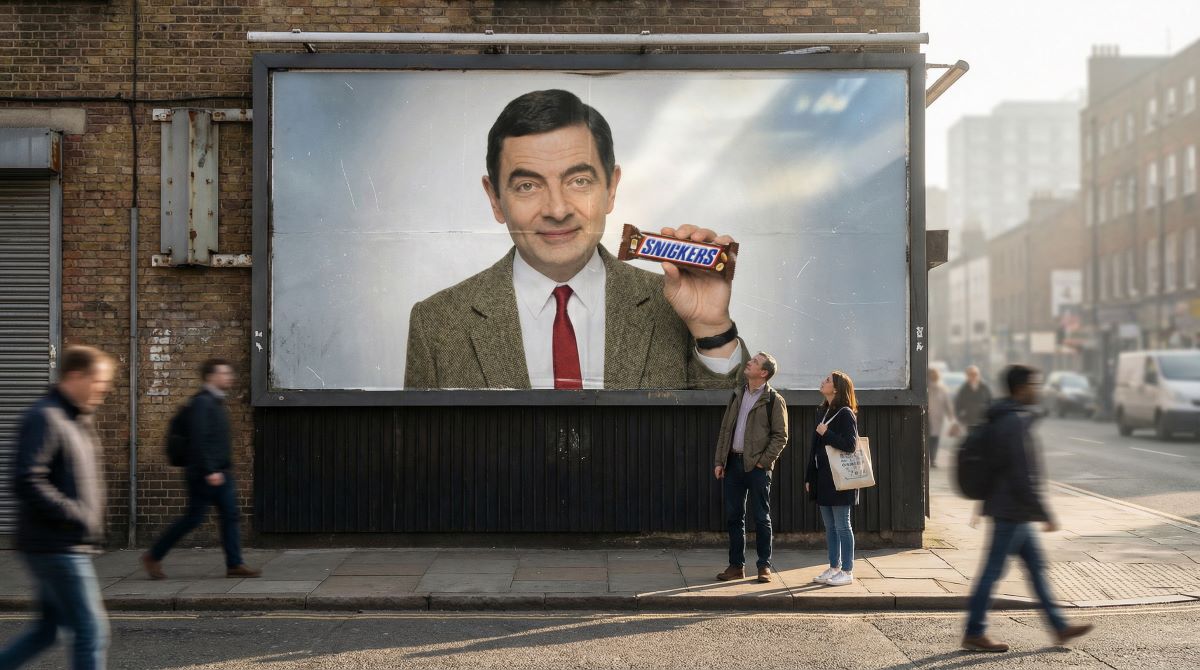
Advertising campaigns leveraging characters usually deliver better results than purely rational campaigns. Let’s see how.
Character-Driven Ads Outperform Logic-Driven Campaigns: Here’s Why
The answer comes down to three reasons:
1. Familiarity and Consistency Compound Brand Recall Over Time
When people see a character repeatedly, their brains create mental shortcuts to recognize that identity more quickly.
Consider the character leading the narrative as a familiar device that sets the brand apart in fast-moving, busy feeds. This consistency proves valuable over time, when audiences recall the character instantly, before knowing what offer is being presented.
2. Emotion and Trust Beat Information Overload
Abstract messages or product specs often fail to deliver tangible results. On the other hand, audiences form relationships with people-like entities, often leading to higher ROI.
More specifically:
- Characters build emotional bonds, giving audiences a good reason to come back and pay more attention to the message.
- Repeated exposure throughout the character-driven ad campaigns creates trust and familiarity, reducing uncertainty.
- People process emotional signals faster than rational arguments, providing a real advantage in crowded feeds.
3. Characters Elevate Premium Perception Without Feature Overload
Using a well-defined character for advertising content is a powerful approach that draws attention to the brand. Instead of promoting different features of a service or product, brands create clear differentiation in crowded markets using a character.
This emphasizes the importance of emotional bonds over logic. It also eliminates the need to explain all functional details one by one.
That said, audiences are more likely to pay higher prices for premium offerings, as the character makes the brand something distinct.
Although this creative strategy doesn’t guarantee maximum pricing power on its own, it allows brands to shift the audience focus from detailed comparison to perceived value and trust.
Now, let’s see how to find the right character for such advertising campaigns.
Choosing the Right Character Strategy for Your Brand
Character-led advertising heavily relies on the character identity used in the campaign. This section is a guide to help your business develop or choose the right character for this purpose:
Define the Campaign Goal
Determine the goal the campaign must achieve in the first step. For example:
- Raising brand awareness and memorability
- Building trust
- Enhancing conversion rates
- Increasing sales
- Driving long-term retention
The goal shapes the character and its surrounding environment.
Choosing Between Renting and Owning a Character
You can either rent a character for the campaign or develop one that specifically represents your brand.
Rented characters usually come with a pre-existing audience base, which accelerates reach and streamlines the process of capturing attention. On the other hand, newly developed characters that your business owns need more time to leave a lasting impression and gain recognition.
With rented characters, you can think of actors, human influencers, licensed IPs, or non-owned virtual characters. These identities come with considerable limitations, although beneficial in many areas.
Owned characters can be brand mascots, virtual influencers or ambassadors that are developed solely to represent your business. Although they take longer to gain traction, you’ll have more control over them. Also, it’s possible to reuse them for future campaigns, without additional licensing costs.
| Aspect | Rented Characters | Owned Characters |
| Definition | Characters borrowed from third parties, such as actors, influencers, or non-owned virtual characters | Characters created and owned by the brand, such as mascots or virtual ambassadors |
| Time to impact | Faster initial attention due to an existing audience | Slower start, as recognition must be built from scratch |
| Audience reach | Immediate reach through pre-existing followers | Reach grows gradually through repeated exposure |
| Brand control | Limited control over tone, behavior, and long-term usage | Full control over identity, voice, and narrative |
| Flexibility | Restricted by contracts, licensing terms, or platform rules | Highly flexible across channels and campaign formats |
| Reusability | Often limited to a single campaign or timeframe | Reusable across multiple campaigns and long-term strategies |
| Cost structure | Lower upfront cost, but recurring licensing or usage fees | Higher upfront investment with lower long-term costs |
| Long-term value | Short-term performance-focused | Compounds brand recognition and equity over time |
Choose the Character Type Based on Campaign Format
The campaign determines the best character type. For instance, celebrities or influencers are great choices for short-term bursts, launches, or credibility transfer. However, limited narrative control can be troublesome for the business.
To build long-term brand recall and raise awareness, invest in brand mascots.
Wherever consistency matters, virtual brand ambassadors perform well. They’re highly scalable and often come in different variations that brands can use on various platforms.
AI-powered influencers can meet your needs on social media campaigns. Such characters perfectly fit UGC-style campaigns at scale.
| Character Type | Best Use Case | Strengths | Limitations |
| Celebrities / Influencers | Short-term campaigns, launches, and credibility boost | High visibility, instant trust, fast impact | Limited narrative control, dependency on individuals |
| Brand Mascots | Long-term brand recall & awareness | Strong memorability, full brand ownership, storytelling power | Requires time and consistency to build equity |
| Virtual Brand Ambassadors | Consistent, multi-platform brand communication | Scalable, controllable, adaptable across channels | Less emotional impact if poorly designed |
| AI-Powered Influencers | Social media & UGC-style campaigns at scale | Highly scalable, cost-efficient, platform-native | Lower perceived authenticity for some audiences |
Match the Character to Channel and Funnel Context
Here’s how this plays out across channels:
- Paid social: Episodic character sequences and modular variation with repeated exposure.
- YouTube and CTV: A detailed character with an interesting background. Excellent for storytelling in advertising.
Landing pages and emails: A well-defined character with consistent visuals and unified voice. Preserving continuity and reducing drop-off matter most here. - Retargeting: A caring character that creates a close relationship with the audience. For this purpose, the character should be able to address objections and reinforce the decision to convert.
After running character-driven ad campaigns, you and your team must assess the effectiveness of the campaign. If you’re wondering how, keep reading.
Measurement: Proving a Character-Driven Campaign Works
Performance across different time horizons plays a critical role in evaluating character-driven advertisement campaigns. This means that relying on a single metric can’t deliver comprehensive results.
For example, in the short term, it’s best to focus on success in metrics such as capturing attention and increasing engagement.
These signals often lead to higher conversion rates. Some signals can indicate whether mid-term goals are met.
To ensure repeated exposure is working as intended, assess these metrics:
- Growth in branded search
- Engagement growth
- Message retention improvement
Usually, the ultimate goal of character-driven ads is to shift the brand preference and convince customers to accept higher prices for premium products. So, observe potential shifts in audience behavior in the long-term to discover if this goal is achieved.
Business managers also use structured testing for validation. Comparing character-based ads against traditional commercials delivers valuable insights for indicating the character’s real impact.
But what if such campaigns go in the wrong direction? Let’s find out.
Where Character-Driven Ad Campaigns Fail and How to Avoid It
In some cases, character-driven ads don’t deliver the desired results.
When the Character Doesn’t Match the Brand’s Role
A mismatch between the character’s traits and the audience’s expectations often results in failure.
Using a playful, funny character for a serious topic, where trust is critical, is unlikely to succeed. The same applies to using an overly formal character for an entertainment space.
To avoid this issue, ensure that the character is a strong fit for the topic and is in favor of the target audience.
Real-world Example:
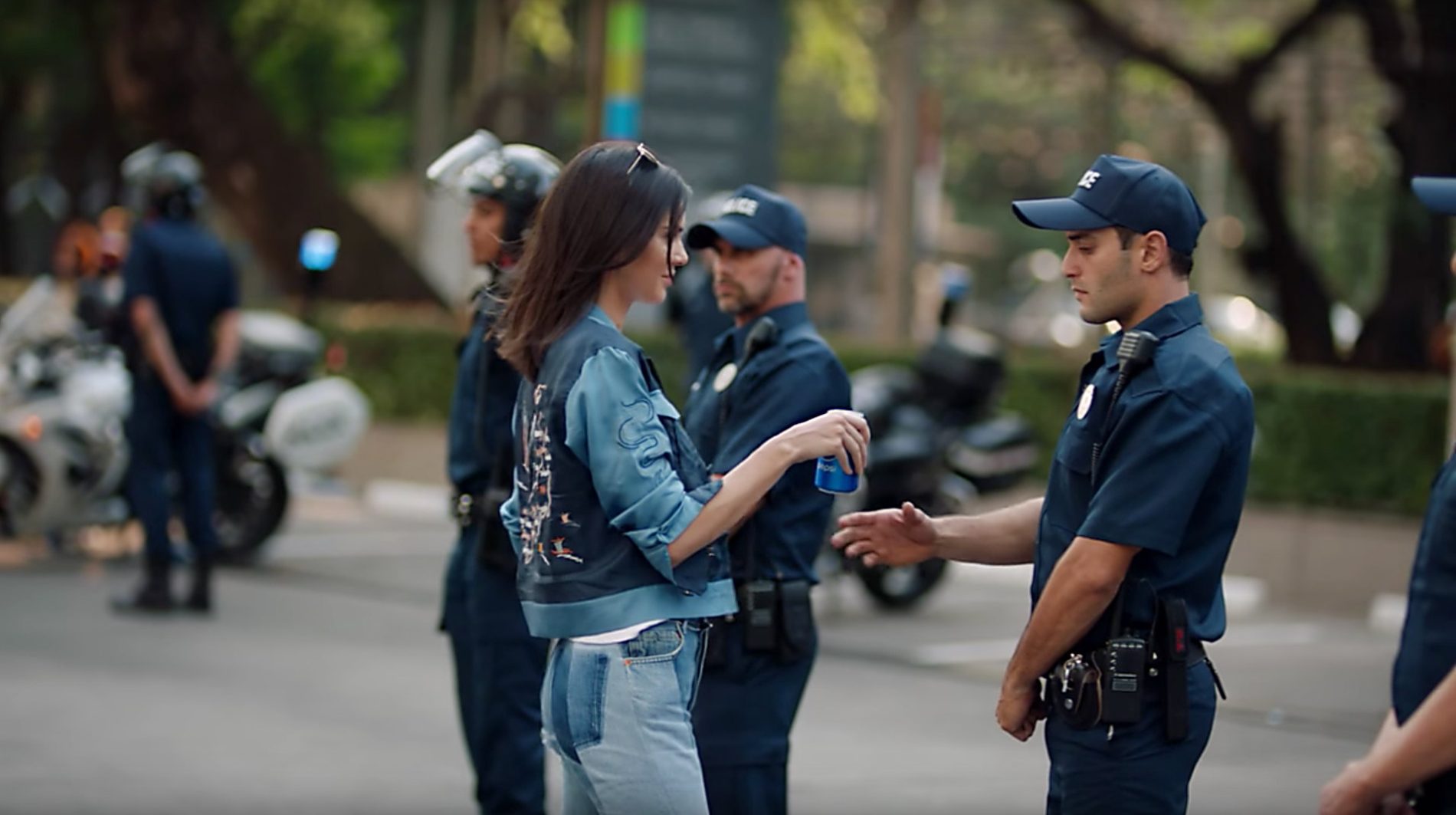
- Campaign: Pepsi’s campaign featuring Kendall Jenner attempted to associate the brand with themes of unity and social change by placing a celebrity influencer at the center of a protest-inspired narrative.
- Reason for Failure: Kendall Jenner’s public image, closely tied to fashion, luxury, and entertainment, did not align with the serious social role Pepsi was trying to embody. This mismatch made the message feel inauthentic and opportunistic, ultimately damaging the brand’s credibility by trivializing real social movements in a sensitive cultural context.
- How They Could Have Avoided It: Pepsi could have avoided the backlash by selecting a character with real social credibility or by shifting the narrative toward authentic, community-driven storytelling that aligns with the brand’s role.
When Teams and Channels Drift Out of Sync
Misinterpreting the character also leads to failure. This happens when multiple teams or vendors are involved in the campaign, and the management team doesn’t clearly define the primary narrator.
Even minor changes in tone, visuals, or behavior across channels can cause the character to drift from its path. As a result, achieving the defined goals, such as increasing brand awareness and trust, becomes challenging.
Creating a comprehensive guideline and sharing it with involved parties helps you reduce this risk.
Real-world example:
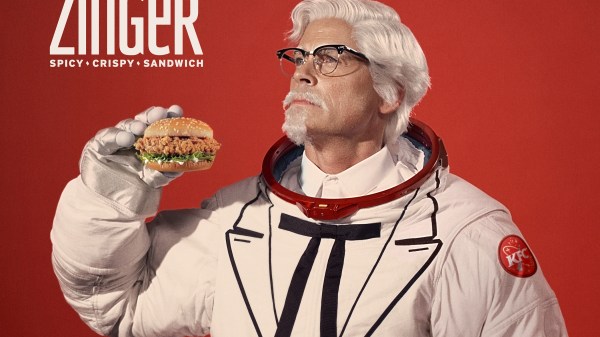
- Campaign: Back in 2015, KFC brought back its well-known character, Colonel Sanders. However, the execution created problems.
- Reason for Failure: The brand rotated multiple celebrities through the role over time. This led to different interpretations of the same character, as each actor brought a different tone and personality.
- How They Could Have Avoided It: They could’ve used a comprehensive, documented definition of the character. This ensures all traits are clearly defined and reduces the risk of inconsistency.
When the Character Overtakes the Product Message
There is an unnegotiable rule:
The character’s role is to draw attention to a product or service promotion. In other words, the product, although in the background, is the central message. Neglecting this important rule will fail the brand character campaigns.
Define a clear role for the product in the story that the character unfolds. This ensures that the ad stays on track and draws attention to the offering.
Real-world example:
- Campaign: Burger King’s Subservient Chicken, launched in 2004, to promote the TenderCrisp sandwich. Although it went viral quickly, the character overshadowed the product and became the campaign’s primary weakness.
- Reason for Failure: The character was at the centre of attention. Many audiences clearly remembered the chicken character, but couldn’t recall the product. As a result, the campaign failed to achieve its goals.
- How They Could Have Avoided It: The brand could have integrated the sandwich more directly into the character’s narrative. They failed to define a clear product role.

When Virtual or AI Characters Feel Creepy or Inauthentic
Overly realistic AI characters that feel emotionally distant typically can’t help such campaigns succeed. Additionally, inconsistency in any form, such as the way they speak or behave, is another red flag that signals the high probability of failure.
Even small execution mistakes can quickly trigger discomfort or distrust, which is bad for the campaign.
Gathering ongoing feedback and running tight iteration loops helps keep the character grounded, familiar, and aligned with expectations over time.
Real-world example:
- Campaign: My AI, a Snapchat campaign promoting a conversational chatbot within the app. The brand launched this campaign in 2023.
- Reason for Failure: The AI character quickly became known for its emotional coldness. This triggered strong negative user reactions. Unnerving responses and an inconsistent tone were other factors behind the campaign’s failure.
- How They Could Have Avoided It: Enforcing behavioral boundaries was the key. Also, limiting realism and ensuring tone consistency before the final launch could have reduced the risk of failure.
From Short-Term Campaigns to Long-Term Character Equity
While renting a character for character-driven commercials is more cost-effective, it comes with far fewer benefits compared to owning a character.
Developing a character means building an internal asset, which you can use later for various purposes. This controlled identity compounds brand recognition over time and is much easier to reuse.
Note that character-based campaigns usually can’t promise outstanding results with a single ad. Conversely, when you design a detailed character and its unique environment, you can use it across multiple channels and for different campaign goals. This is what drives long-term success.
In short, if it’s possible, it’s best to invest in designing and developing your brand’s unique character. Let’s conclude the blog.
Building Long-Term Value With Character-Driven Ads
It’s best to develop a character unique to your brand and use it for character-driven ad campaigns. The higher upfront cost compared to renting is offset in the long term, as you can reuse it for future campaigns. If you need help creating a well-developed character, our professional team at Dream Farm Agency can help. Get in touch to discuss your project.
FAQ
- How long does it take for character-driven ad campaigns to show results?
Short-term signals such as engagement and attention can appear quickly, but brand recall and trust require repeated exposure over time. - Are character-driven ads suitable for short-term campaigns?
They can work in short-term campaigns, especially when using rented characters or influencers with existing audiences. Long-term value is limited compared to campaigns built around brand-owned characters. - What budget considerations matter most in character-driven advertising?
Beyond production costs, brands should account for character development, governance, and reuse across channels. Investing upfront often reduces long-term costs by eliminating repeated licensing and creative rebuilds. - How do character-driven ads differ from influencer marketing?
Influencer marketing relies on external personalities with limited brand control, while character-driven ads use controlled identities designed to serve a specific brand role. This allows for consistent messaging and reuse across campaigns and platforms. - What risks should brands consider when using virtual or AI characters?
Poor execution, excessive realism, or inconsistent behavior can trigger discomfort or distrust among audiences. Ongoing testing and iteration are required to keep virtual characters familiar and credible over time.
mona