- What Is a Transmedia Character?
- Owned Character IP: Why It Matters
- Inside the Transmedia Character Strategy
- The strategy Takes Shape through Deliberate Steps
- Where Transmedia Characters Live
- Top Transmedia Characters that Dominated the Market
- Owned or Rented Characters? Which One is the Right Choice?
- Missteps to Avoid
- Build Transmedia Character Ecosystems with Dream Farm Agency
- Wrapping it Up
By Leila
Takeaways
- Transmedia characters serve as central figures in brand narratives that extend across multiple platforms. Each narrative adds unique elements to create cohesive experiences and build audience loyalty.
- Transmedia characters differ from traditional mascots. They offer governed narratives that scale into games, augmented reality, products, and more.
- Brands achieve control over narratives, scalability in content, and direct data insights by developing owned transmedia characters.
- Transmedia character strategy is a structured, modern approach that enables a brand to manage a cohesive, fictional universe across multiple digital and experiential platforms.
- Effective strategies involve layers such as character core, canon establishment, platform role mapping, experience progression, and operational governance.
- Successful examples of transmedia characters are: Iron Man, Captain America, Pokémon creatures, Luke Skywalker, Hello Kitty, and characters of League of Legends and The Witcher series.
- Owned transmedia characters excel in equity, safety, scalability, and longevity. Rented or borrowed talent suits short-lived campaigns or licensing deals.
The digital landscape has shifted. Static brand icons feel outdated on platforms like TikTok, where short, dynamic content rules. Human influencers bring high costs, unpredictable risks, and limited long-term control.
A better path exists: a transmedia character acts as a portable identity layer for your brand. This single, governed entity lives across channels, builds lasting equity, and drives growth without constant reinvention.
Curious how?
Let’s clarify what a transmedia character is and how it can benefit your business compared to older approaches.
This article outlines a practical framework to identify how and where these characters thrive. We’ll weigh owned versus rented options, review proof points, highlight potential pitfalls, and examine real successes.
Stay tuned.
What Is a Transmedia Character?
The Central Figure in Brand Narratives
Imagine a brand’s voice whose story begins in a TikTok reel. As the brand evolves, it explores various media.
Its story continues in a fully interactive game, where players can dive deeper into the character’s adventures.
Meanwhile, the character appears in an educational animation series for kids. Audience remains connected to the brand’s vibrant voice and engaging storytelling.
The next next? Who knows. Perhaps it appears in a fitness and health application, a novel, a movie, or an immersive space like the Metaverse.
A transmedia character lives as a central figure in the brand’s narratives, regardless of the medium. Stories unfold across various platforms. Each platform adds unique layers to the character’s world, creating unique yet unified customer experiences.
This method ties into transmedia storytelling, where the narrative spreads out but stays connected. For brands, it means building a figure that embodies values and engages people in multiple ways.
Henry Jenkins first framed transmedia storytelling as dispersing integral story elements across channels to create a unified experience. For brands, this means the character becomes the central IP asset.
Long story short, think of a transmedia character as a guiding thread that pulls audiences through different media, strengthening loyalty over time.
It acts as a consistent, evolving identity that unfolds across multiple platforms.
Each appearance adds fresh layers to the character’s world, personality, and relationship with the audience. The story expands meaningfully. No repetition, no dilution.
Transmedia Differs from Multi-channel or Adaptation Tactics
Multi-channel repeats the same message across platforms.
Adaptation shifts a story from one medium to another, often with cuts or changes.
Transmedia, however, demands unique contributions from each platform.
Take this:
A short TikTok clip reveals a quirky habit. An Instagram story adds backstory. A website interaction lets users shape outcomes. Together, they build one cohesive identity.
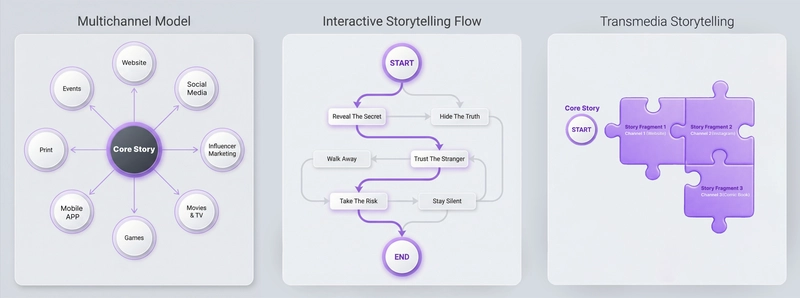
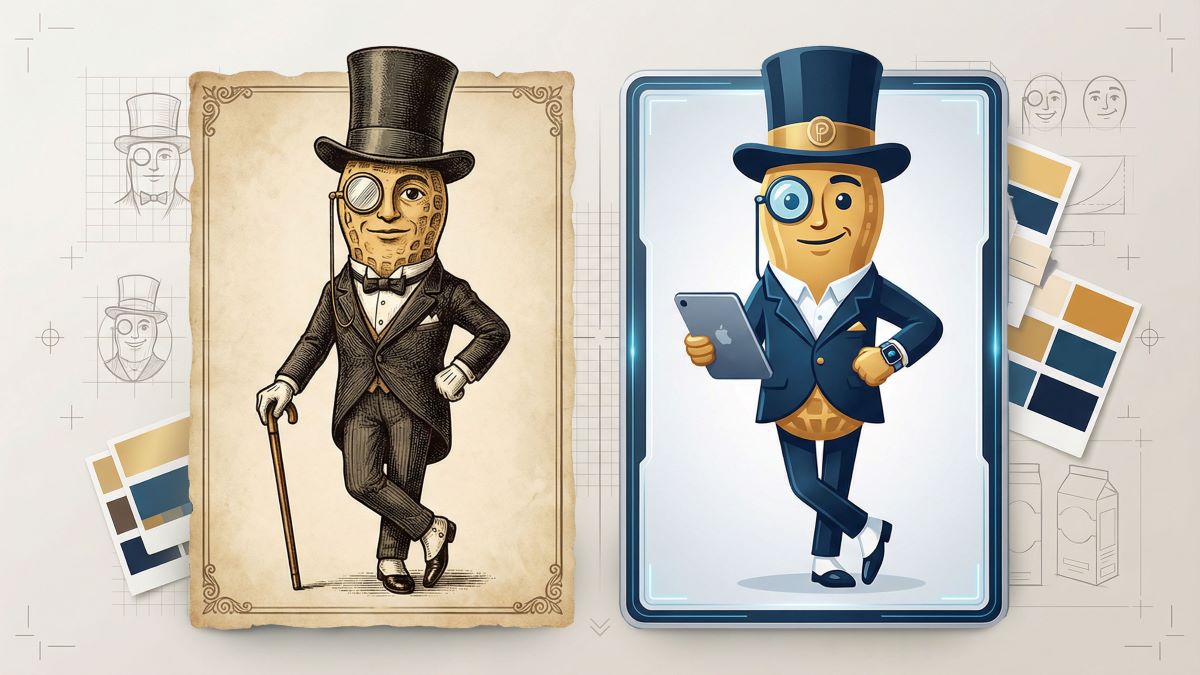
Transmedia Character Differs from Traditional Mascots and Virtual Influencers
To clarify the point further, let’s compare three approaches:
- Traditional mascot:
Often static, tied to one format like TV ads or packaging. Think early GEICO Gecko. It charms but is limited to voiceovers and simple spots.
Digital humans like Lil Miquela post on social media, collaborate with brands, and mimic real influencers. They focus on personality and lifestyle but often lack deep, governed narrative depth. Read more about this rising trend in our blog “Why People Follow AI Influencers.”
- Transmedia character:
A governed system with core traits, platform-specific roles, and canon rules (the established, official, and creator-approved knowledge and stories, characters, and events that remain consistent across communication channels).
It scales beyond social feeds into games, AR, or products. It prioritizes strategic brand jobs over pure entertainment. This character becomes Intellectual Property (IP) you own and extend.
- To learn more, read our blog on “Brand Character in Marketing.”
Owned Character IP: Why It Matters
Control Stands First
A transmedia character ensures brand-safe continuity. Teams in different regions or agencies stay aligned through clear guidelines. No surprises from rogue interpretations.
Scalability Follows
One character fuels endless formats: social series, emails, apps, events. Always-on presence replaces campaign bursts. You maintain momentum without starting from zero each time.
Recognition Compounds
Audiences build memory over time. They spot the character instantly, recall associations, and engage faster. Creative fatigue drops because the foundation exists—new content extends, it doesn’t rebuild.
Asset Value Grows
This IP extends into licensing, merchandise, and partnerships. It forms product ecosystems. Virtual Being or Brand Mascot becomes a revenue driver.
Finally, Data Advantage Seals It
Interactions generate owned insights. You learn preferences, behaviors, and language directly. No third-party black boxes. This fuels sharper decisions for Gen Z/Alpha Marketing and beyond.
Inside the Transmedia Character Strategy
To understand transmedia character strategy, think of it as a structured, modern approach that serves a specific purpose:
To manage a cohesive, fictional universe across multiple digital and experiential platforms.
To achieve this, you need a scalable, controlled content creation system, where the brand/universe is defined as a unified entity. This unified entity expresses itself differently depending on the channel and user journey
It’s a smart way to avoid the common pitfalls like conflicting backstories in the expanded universes. Take the old Star Wars EU versus the current canon.
This scalable, controlled content creation system rests on five interconnected layers. Let’s break it down component by component.
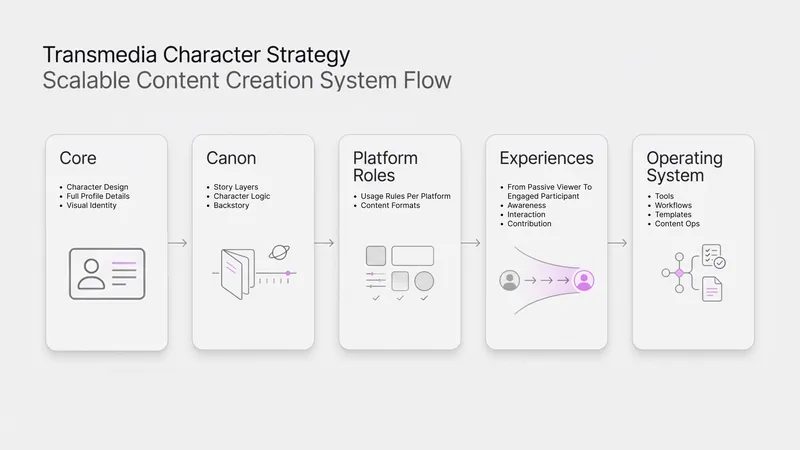
Character Core
It’s the fixed, unchanging foundation of a character:
- Core values and beliefs
- Deep motivations and drives
- Distinct visual DNA (signature look, colors, silhouette, details)
- Consistent voice rules (tone, vocabulary, rhythm, catchphrases)
Everything the character says or does should feel rooted in (and never contradict) this core. No matter the situation, style, or medium.
Canon
It’s the foundational “bible”: the official backstory, core rules, and world logic, physics/magic systems, character truths, timelines, etc.
Without a strong Canon layer, everything else risks becoming fragmented.
It prevents contradictions and guides all creators (internal teams, licensed partners, community contributors, etc).
In practice, this is like how major franchises manage their canon. For example, in Star Wars (after the 2014 reset), films and select shows take priority over older material.
Platform Role Matrix
It defines what each channel contributes:
- TikTok delivers quick humor, viral hooks, and surface-level short-form teasers.
- Discord builds community rituals, deeper discussions, fan events, and co-creation vibes.
- Instagram is ideal for visuals/aesthetics, YouTube or Twitch for long-form, and Twitter/X for real-time buzz.
The matrix ensures no overlap, only addition.
Each platform adds value rather than duplicating effort. No channel tries to be everything.
The outcome?
Cleaner user experience, better resource allocation.
Experience Ladder
It’s a metaphoric framework to show how to turn passive discoveries into active participation.
Progression from passive views to active participations.
Start with awareness of social surfaces (TikTok scrolls, ads, memes, etc).
Move to interaction in apps (Discord chats, polls, mini-games, AR filters, etc).
End with ownership in products or metaverse spaces (owning NFTs/digital assets, branded virtual goods, etc).
This mirrors successful modern IP strategies. Roblox-style user creation is a prime example.
Operating System
What makes scaling possible without losing consistency?
To keep consistency at scale, you need:
- tools, workflows, and governance for production
- templates, approval flows, and updates
Think of big studios. They utilize shared asset libraries, style guides, and review gates, all optimized for real-time digital platforms
What’s obtained at the end?
One identity. One governed system. Many expressions.
The strategy Takes Shape through Deliberate Steps
Begin with the core definition and audience mapping.
Build canon through workshops.
Test platform roles with pilots.
Ladder experiences based on data.
Establish the operating system last, once proof emerges.
This journey turns a concept into a living asset that grows with your business.
Where Transmedia Characters Live
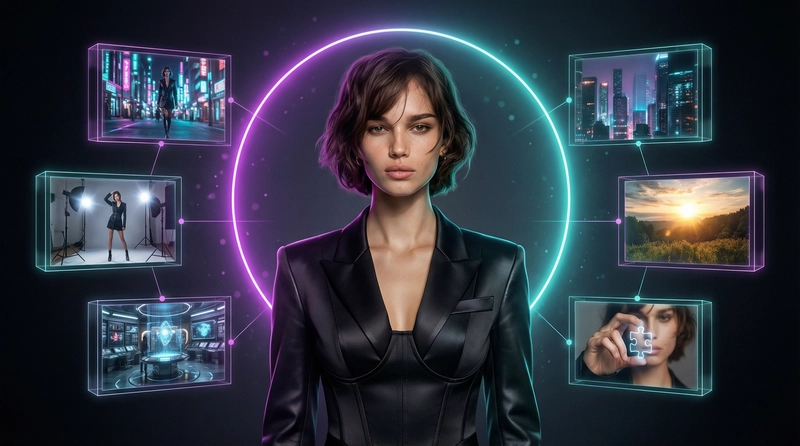
Imagine a character’s journey not confined to one stage, but expanding like a growing empire across vast territories. That’s how global brands turn stories into powerful engines for brand expansion and revenue growth.
In marketing, it means designing characters that anchor a unified world. Within this unified echosystem, transmedia characters thrive through five strategic layers.
Narrative foundations: Films, TV shows, books, and games deliver core events that set the hook for broader exploration.
Social arenas: Platforms and fan communities keep the conversation alive. They help transform passive viewers into active promoters.
Interactive gateways: Apps, sites, and challenges invite direct involvement, strengthening bonds and gathering insights for tailored growth.
Real-world encounters: Events, stores, and augmented experiences make the character tangible. They boost merchandise sales and live interactions.
Lasting echoes: Memes, icons, and traditions embed the character in culture. They ensure long-term relevance and repeat business.
Imagine your brand’s voice touches all the above points. The impact would be huge.
Think of it this way:
- You create a unique character.
- It steps into the audience’s daily life.
- It becomes a friend in their world rather than a distant figure.
How, you ask?
Transmedia characters exist across various media, interactions, spaces, and cultures. Each platform sustains their existence in a unique way.
That’s not a theory; that’s reality.
Let’s review some top examples.
Top Transmedia Characters that Dominated the Market
Take the Marvel Cinematic Universe.
Heroes like “Iron Man” and “Captain America” span films, series, games, and fan spaces. This strategy has generated over $32 billion in global box office revenue.
Star Wars follows suit. From epic films to theme parks, characters like “Luke Skywalker” extend the mythos. The franchise has amassed $46.7 billion in total revenue, with merchandise alone at $29 billion.
“Pokémon” exemplifies playful expansion. Creatures like “Pikachu” move from games to cards and community events. This has built a $113.7 billion empire across games, TV, and merchandise.
“The Witcher series “adapts books into games and TV, giving characters like Geralt agency in player hands. Sales have topped 85 million units, with Netflix adding nearly $930 million.
Even “Hello Kitty”, with light narratives, dominates through products and symbols. It has influenced over $85 billion in merchandise sales, with a brand value of $10 billion. Here, simplicity in character design proves that emotional ties can drive massive, sustained business value.
“League of Legends” has expanded its storytelling. It now includes cool things like the digital card game “Legends of Runeterra” and the animated series “Arcane.”
Among brand mascots, “Geico Gecko” is a prime example. From TV ads, it moved to digital shorts, social interactions, and merchandise.
We shouldn’t overlook“ Lil Miquela”, the famous virtual influencer with a multi-platform presence. As a purely digital being, she posts lifestyle content, partners with brands, and builds community across Instagram and beyond.
These examples convey a clear message:
Powerful brand characters don’t live in a single medium; they live in a storyworld system that spans multiple surfaces. Each surface reveals a different facet of the same canon.
For brands, this means leveraging characters to create character ecosystems. This approach sustains growth through diverse income sources.
Owned or Rented Characters? Which One is the Right Choice?
Both options can deliver significant value.
Owned transmedia characters excel in equity, safety, scalability, and longevity. For large and enterprise-level businesses with a global audience, it’s a one-time investment that builds lasting value.
Growth compounds while risks stay low.
Rented or borrowed talent suits short-lived campaigns or licensing deals. Sometimes, speed matters more than depth.
What works best for your business?
A hybrid approach wins often. Create an owned lead character to anchor the system. Consider controlled collaborations to add freshness without losing governance.
Missteps to Avoid
- If you lack the necessary skills, even the best tools can lead to missteps. So, be careful. Ensure your team is well-equipped with the right knowledge and expertise in transmedia marketing.
- “Same content everywhere” syndrome repeats assets without adaptation to each platform, which bores audiences. People crave fresh content tailored to their preferences. Give them what they want.
- “Entertaining but non-strategic characters” fail to make an impact.
- Short-term enjoyment exists, but it doesn’t contribute to a larger brand narrative. This disconnect can ultimately harm your business image. People may perceive your brand as unfocused or lacking depth.
- Avoid using inconsistent voice or visuals across teams. It erodes trust, creates confusion, and dilutes your brand identity.
- Rich backstories can enhance engagement. “Too much lore”, however, can confuse and alienate your audience.
Build Transmedia Character Ecosystems with Dream Farm Agency
When it comes to developing an owned character, some brands turn directly to a designer. This may seem like a fast and straightforward solution, but think about it.
Is an appealing look the only reason many follow the GEICO Gecko? Does League of Legends owe its current popularity solely to the looks of its characters?
Here’s Dream Farm’s answer:
Mastering promotion is one thing; developing stories through visuals and personalities is another. Most brands fall short in bridging the gap between these two.
None of those iconic characters could have thrived without a strategic mind guiding their development at every stage.
We Close Traditional Gaps
Many top marketing and communications professionals excel at strategies and sales. However, they often lack critical expertise in visual storytelling and character complexity.
We went further. By blending artistic directions, rising tech, and robust strategy, we distinguished ourselves from other agencies.
Our early projects sparked collaboration between the team of artists and the team of marketing and branding strategists. This synergy revealed the value of combining these fields.
We then added technology as the third element of this triangle, which eventually led to the creation of end-to-end marketing solutions, with transmedia characters at the heart of every narrative.
Character development is a multifaceted process. It goes beyond the responsibilities of a single character designer.
Our end-to-end character development solutions are designed to address this complexity. We leverage continuous collaboration among several teams:
- Business and Strategy Team
- Brand Research and Development Team
- Art Direction and Creative Design Team
- Character Design and Production Team
- Marketing and Communication Team
- Tech Specialists
This integration avoids silos, where visuals clash with strategy. Instead, it forms a unified front that accelerates market entry and adapts to trends.
From character development to cross-platform rollout, we handle it all. The next step involves intellectual property (IP) development and narrative evolution.
Create Cohesive IP Ecosystems that Scale and Adapt
There is a significant difference between adorable figures that merely exist and powerful characters that create in-depth emotional connections and inspire acts.
The copyright protection for fictional characters plays a crucial role in thriving in the ever-competitive marketplace.
It’s a good reason to reflect on your strategy today.
Want to make your brand stand out in a fresh and exciting way? A virtual influencer could be the game-changer you’re looking for. If you’re ready to create a digital character that connects with your audience, we’re here to help. Get in touch today to start building a virtual influencer that truly speaks to your fans.
Wrapping it Up
Transmedia characters represent the next leap for brands. They transform fleeting attention into owned equity.
In a world of rented reach and short campaigns, an owned transmedia character delivers control, depth, and compounding returns. We’ve already seen how forward-thinking leaders use it to turn one-time stories into enduring assets.
Smart marketers utilize layered storytelling to enhance character engagement and increase touchpoints.
Fictional characters with rich narratives and scalability have become essential tools for driving merchandise sales and forming partnerships that support business growth.
Start with a strong core.
Govern the system.
Watch the character become your most valuable asset.
The future belongs to brands that build identities people seek out, not just notice.
FAQs
Q: Can a legacy mascot become a transmedia character?
A: Yes. Update the core, build canon, and map new platform roles. Many evolve successfully.
Q: How long is the typical development timeline at Dream Farm?
A: Core creation and pilots take 1-2 months. Full ecosystem rollout spans 12-18 months, depending on scope.
Q: Can I monetize the character directly?
A: Absolutely. Licensing, merchandise, partnerships, and product lines turn IP into revenue.
Q: Can the character scale and update over time for new technologies?
A: Yes. The operating system supports evolution. New platforms or AI integrations fit without breaking canon.
Leila