- Key Takeaways
- What is the Uncanny Valley?
- Why Some AI and Virtual Influencers Feel Creepy
- How the Uncanny Valley Hurts Marketing Performance
- The Virtual and AI Influencer Creepiness Audit: 9 Common Triggers
- Practical Ways to Avoid the Uncanny Valley
- Trust and Transparency: Preventing “This Feels Deceptive”
- Pre-Launch Testing to Catch Uncanny Valley Risks
- The Impact of the Uncanny Valley on Marketing Results
- Quality Work Is What Prevents the Uncanny Valley
- FAQ
Key Takeaways
- The uncanny valley describes the drop in trust and comfort when a virtual character appears nearly human but behaves in an unnatural way.
- When realism outpaces motion and emotion, AI influencers are likely to fail and trigger the uncanny valley.
- Creepy digital characters in the uncanny valley may grab attention, but that doesn’t necessarily translate into a higher conversion rate.
- Mixing realistic visuals with robotic behavior is a dangerous mistake. This is a common cause of the uncanny valley that creates discomfort among people.
- Invest in consistency across channels. Audiences may neglect visual flaws, but are far less forgiving of unnatural behavior.
- Gaining trust through absolute transparency can reduce the risk of the uncanny valley. Clear labeling and a feedback-and-iteration loop also help.
Ultra-realistic virtual influencers raise expectations, but then fail to behave like real humans. This is a design problem that causes distrust and backfires, rather than helping the brand achieve its goals. It’s called the uncanny valley effect, and it’s more common among AI influencers than among stylized mascots.
This blog explains potential issues in the future of virtual influencers and why the uncanny valley happens. You’ll learn how this problem hurts marketing performance and practical ways to avoid it. If you plan on developing a human-like character for your brand, read this blog.
What is the Uncanny Valley?
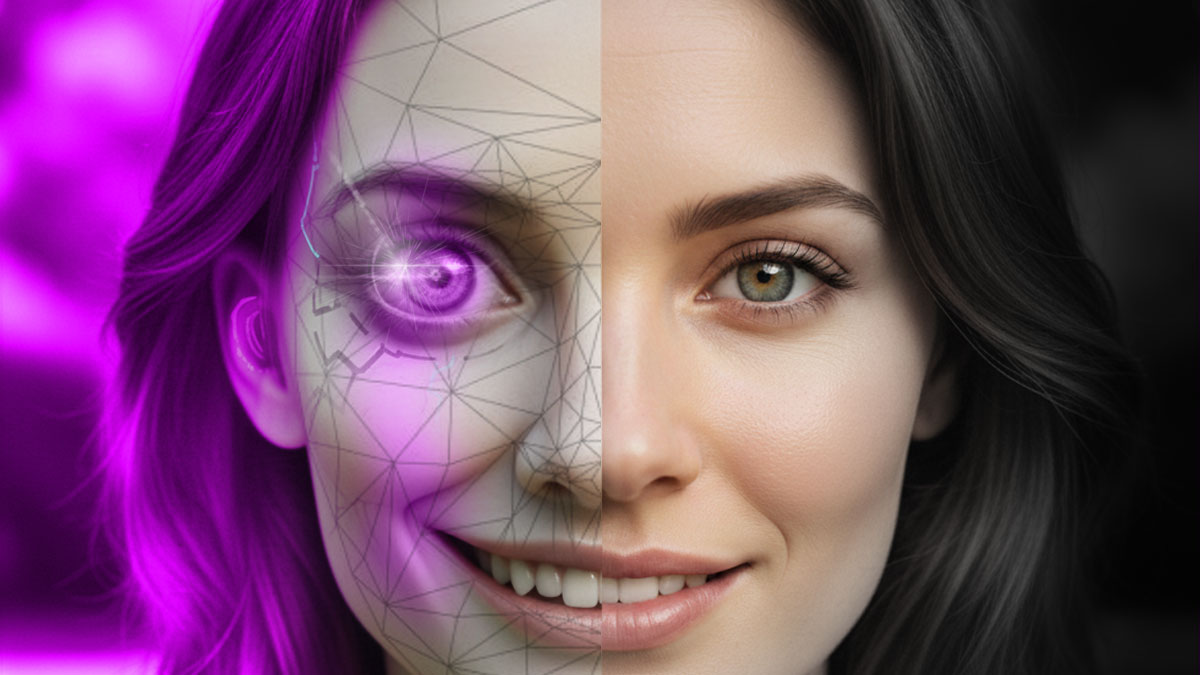
It’s a psychological effect in which virtual influencers are both ultra-realistic and unsettling. As realism increases, this discomfort becomes more likely. AI characters with this issue are less likely to succeed.
The first person to use this term was Masahiro Mori in a robotics essay in 1970. He used the term “Uncanny Valley” to describe how people emotionally respond to artificial beings that look almost human but not fully.
Up to a threshold, people feel attached to realistic virtual characters. When the line is crossed, and the character still has noticeable imperfections, negative feelings replace positive feelings toward human-like figures.
Read more: “What is a Virtual Influencer?”
The discomfort usually comes from a few specific factors, which we’ll review in the next section.
Why Some AI and Virtual Influencers Feel Creepy
The Uncanny Valley effect can happen for three main reasons:
Visual Mismatch
When AI influencers look extremely realistic at a glance but lack behavioral details, the problem is a visual mismatch. The brain quickly detects inconsistencies. This includes issues such as skin shading, texture, and eye reflections. These imperfections create the gap mentioned earlier: almost, but not quite, human.
By chasing photorealism, you’ll raise expectations. People won’t accept anything less than a perfect interaction with a human-like influencer.
This means that, beyond visual excellence, the created character must act like a human being. Any unnatural behavior moves the character toward failure, as audiences begin to interpret it as an odd creature rather than a real person. This is where discomfort shows up and wastes your investment.
Real-world example:
In 2023, Duolingo released an AI-powered version of its famous mascot Duo, which many audiences criticized. People didn’t appreciate the hyper-realistic facial animation and voice-driven interactions, and some reacted negatively. They preferred the original flat version of Duo.

Behavioral Mismatch
Moving like a machine, regardless of flawless design, is a red flag. Any subtle issue, like unnatural blinking rhythm or a delayed facial reaction, pushes the character into the uncanny valley.
Besides facial attributes, humans recognize patterns of movement. If a virtual influencer can’t act like a human, it will fail to deliver the kind of experience brands aim to provide. Common causes include:
- Being too regular
- Unnatural delays
- Overly restricted behavior
Real-world example:
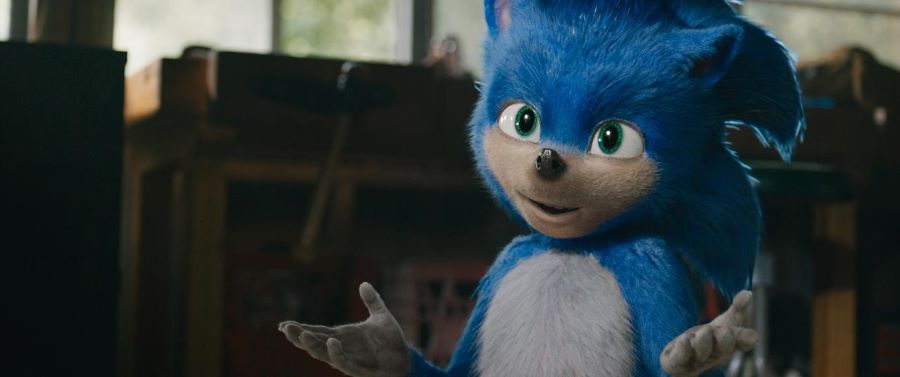
The 2019 Sonic the Hedgehog trailer revealed the first human-like version of the iconic character. Despite its realistic design, audiences reacted immediately and negatively. This led to the redesign of the character before the final release.
Social Mismatch
Even if the AI character looks and behaves like a real human, failing at the social layer can lead to the uncanny valley.
Often, being too perfect is the problem. Also, an unclear identity raises the question: Who is this character?
Here, the problem goes beyond a creepy feeling and becomes a trust issue. When there is no trust, you can’t expect audiences to engage emotionally. Instead, they will likely start questioning the character’s authenticity and undermine its credibility.
From a marketing standpoint, the risk is even higher.
How the Uncanny Valley Hurts Marketing Performance
To understand this properly, it helps to break it into separate factors:
1. Trust and Persuasion Costs
This is the most direct harm of the uncanny valley. Discomfort not only creates unease but also results in less acceptance of the message. People are less likely to act on the brand’s message.
Research at the University of California shows that people hardly trust near-human artificial faces. This research also reveals that lower trust directly reduces message acceptance.
Discomfort caused by the uncanny valley and poorly developed AI characters acts like friction in the conversion process. Even minor cues can suppress trust, weaken brand warmth, and ultimately lead to poor performance.
2. Attention Does Not Equal Affinity
Attention doesn’t necessarily translate into affinity. This is an expensive marketing mistake many teams overlook. The table below helps you better understand what we mean:
Attention: “This is weird. What am I looking at?”
Affinity: “I like this. I want to see more.”
Attention: Triggered by novelty or eeriness
Affinity: Built through familiarity and trust
Attention: Short-lived and easily forgotten
Affinity: Long-term and cumulative
Attention: Inflates vanity metrics (views, impressions)
Affinity: Drives meaningful metrics (recall, trust, intent)
Attention: Can increase cognitive resistance
Affinity: Lowers resistance and supports persuasion
Attention: Common outcome of uncanny characters
Affinity: Outcome of believable, aligned characters
So you may be able to create a virtual influencer that successfully captures attention. Does this mean you have achieved your marketing goals? No. In many cases, attention comes from shock rather than genuine interest. Don’t confuse visibility with connection.
3. Platform and Context Effects
This factor explains why the uncanny valley doesn’t affect all platforms equally.
Wherever higher realism is needed, the risk that minor imperfections lead to outsized problems increases. For example, uncanny reactions are more likely in the following spaces:
- Close-up beauty shots
- Speech-to-camera formats
- Long-form dialogues
In these contexts, audiences expect complete human behavior and maximum realism. Failing to meet the required standards leads to poor marketing performance and financial losses.
The next step is spotting the cues that trigger this reaction.
The Virtual and AI Influencer Creepiness Audit: 9 Common Triggers
These signs indicate that an AI or virtual character feels creepy and triggers the uncanny valley:
- Irregular eye behavior: Any unusual eye movement, such as a lifeless stare or irregular blinking, signals something non-human.
- Unnatural facial timing: Human facial expressions build up and fade unevenly. So, smiles that switch on and off too cleanly, exactly on time, are off. The lack of micro-tensions in facial timing is also a sign of the uncanny valley problem.
- Inconsistent skin and lighting: The character’s skin must react to the light in a way that the environment suggests. Otherwise, people get a strange feeling about the character.
- Unusual hair and edges: Anything that reveals rendering limits, such as stiff strands or flickering halos around hair, triggers the uncanny valley. For example, hair that doesn’t obey gravity instantly reads as fake and is considered unsettling.
- Body motion that doesn’t match the face: Coordination between facial expressions and body motions matters. When facial expressions convey emotion, but the shoulders tell a different story, something is abnormal.
- Lip-sync mismatch: Expectations are high nowadays, and people expect to match the spoken words.
- Voice mismatch: A hyper-realistic face needs a human-like voice to gain trust. Otherwise, it can create confusion. People expect all clues to belong to the same type of being. Any mismatch in this regard contributes to the uncanny valley gap.
- Mismatch between the camera and the environment: Poor motion blur and broken textures break visual continuity, damaging the intended experience. Falling for this mistake makes the AI character appear pasted into the environment rather than present within it.
- Context mismatch: Beyond hyper-realistic looks, the character must act like a human to achieve its goals. Robotic replies or NPC-style behavior convey an artificial sense.
Avoiding these issues is critical for credibility.
Practical Ways to Avoid the Uncanny Valley
To avoid the uncanny valley effect with subtle or major imperfections in AI influencer design, keep these rules in mind:
1. Commit to a Clear Style: Stylized or Realistic
As discussed earlier, this issue typically affects ultra-realistic virtual influencers. Stylized characters are immune to this issue, as people don’t expect human-level behavior from them.
On the other hand, when a brand invests in realism, everything must be executed with extreme precision across visuals and motions. That’s why it’s crucial to commit to the style you choose throughout the process.
Hovering between styles is a huge mistake. Imagine using realistic skin and lighting while using scripted behavior. This mixed signal drops the created character straight into the uncanny valley.
Remember, consistency outweighs realism in this context.
2. Prioritize Motion and Eyes Over Texture
People forgive visual simplicity, but get seriously annoyed by behavioral errors.
As a result, flawless eye movements and character motions are far more important than perfect skin shades, despite what many believe. As explained above, poor facial expression timing and lifeless eyes are considered red flags that signal the character is non-human in a bothersome way.
If resources are limited, invest in how the character moves and reacts, not how detailed the skin looks.
3. Keep the Character Emotionally Coherent
Audiences can form emotional bonds only with coherent characters. Inconsistency will result in discomfort and, ultimately, the uncanny valley. To achieve this:
- Define the character’s emotional boundaries when designing it.
- Ensure tone consistency across channels and platforms.
- Sudden persona shifts are a trap brands must avoid to maintain consistency.
- Invest in the smooth emotional reactions. A virtual influencer that can’t respond with appropriate emotions is highly prone to falling into the uncanny valley.
4. Roll Out Gradually and Test for Comfort
Gathering feedback and improving the character can help you prevent potential issues.
So, instead of launching the final version at scale, roll it out gradually to detect minor red flags and address them instantly. Then release additional features one by one. It’s recommended to start with low-risk formats and limited visibility at first.
People must trust the character and see it as a transparent representative of your brand. Otherwise, the uncanny valley effect is on the horizon.
Trust and Transparency: Preventing “This Feels Deceptive”
The main consequence of the uncanny valley is that people think the character is trying to deceive them. To address this concern, you must gain their trust through transparency.
How Labeling and Framing Affect Trust
Clear labeling and framing remove ambiguity. As a result, it’s less likely that audiences interpret the character as creepy and unpleasant. By stating that an ultra-realistic brand representative is a digital character or an AI-powered persona, you’ll answer a lingering question that may form in people’s minds:
Is this a real person? No, it’s not.
Consistency matters here. So think twice before picking a label, and use it everywhere, including bios, captions, videos, PR, and even interviews. Hiding the character’s nature creates a sense of deception, which will damage trust.
Disclosure Basics for Brand Partnerships
People hate being tricked. So, it’s essential to clearly state that the character delivering the ad message is a digital one. Simple disclosures like #ad or #partner are good enough. Place them where people expect them, for example, in the caption header.
Note that creativity backfires in this case. Don’t invent phrasing. It’s all about being totally clear, without damaging the experience.
Handling Comments During Uncanny Moments
When something feels unsettling, try to defuse the discomfort rather than defend the character. Arguing or overexplaining makes everything worse when audiences perceive a character as creepy.
Have a solid plan in advance. Acknowledging the issue, reframing, and clarifying help mitigate the uncanny valley effect.
In many cases, lightly confirming the character’s nature (digital or AI-powered) is a wise decision. Answer criticisms calmly and avoid escalating the situation. Transparency can lower tension, but turning defensive can amplify it.
Pre-launch tests can help reduce the likelihood of the uncanny valley.
Pre-Launch Testing to Catch Uncanny Valley Risks
Detecting issues before launching a realistic character is critical to eliminating triggers that cause the uncanny valley.
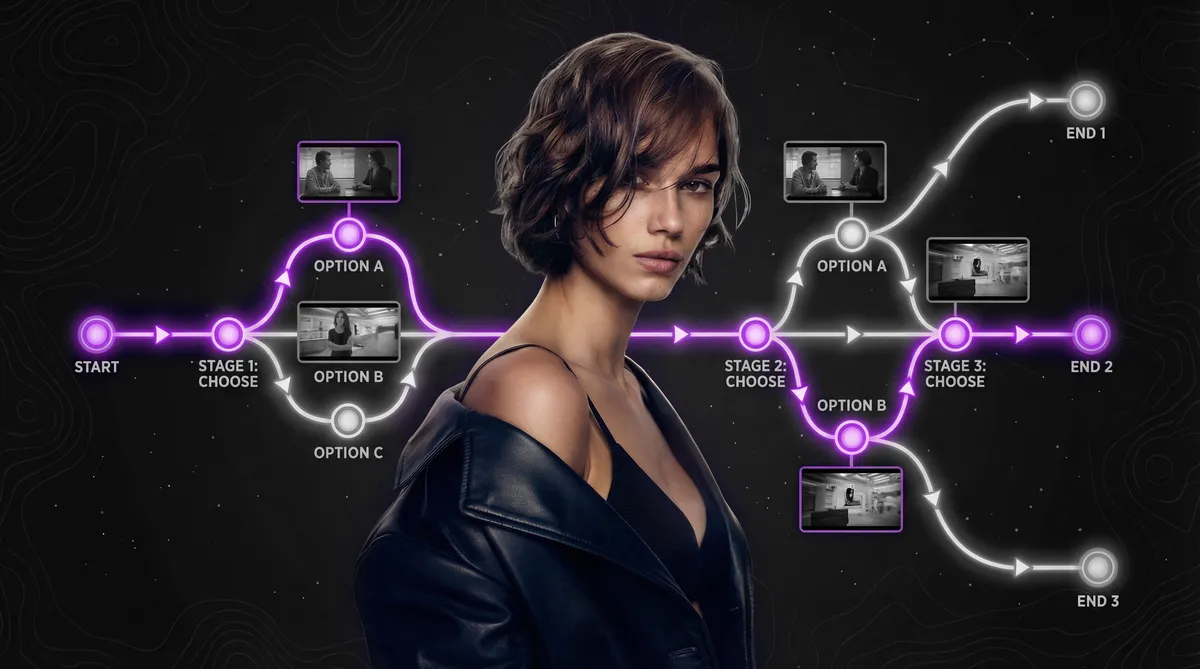
A Three-Stage Test Process
This test plan can surface related risks early. Here’s how it works:
- Concept test: Use still images to test first impressions. If there’s confusion around identity or tone, polish the character.
- Motion test: Unnatural movement patterns are the main triggers of discomfort. By introducing short, controlled clips that isolate motions, you can spot uncanny triggers.
- In-market pilot: Don’t reveal the final version immediately. Limited distribution lets you gather feedback through comments and identify drop-off points. After solving real issues, you can release the final version with the fewest drawbacks.
Measuring the Right Signals
This table explains what metrics to evaluate and why each one is important:
| Metric | Why it matters |
| Retention drop points | Sudden drop-offs often mark the exact moment something feels off (eyes, motion, voice). |
| Negative sentiment rate | Rising discomfort shows up as skepticism, jokes, or distrust before outright rejection. |
| “Creepy” keyword frequency | Direct language like “creepy” or “weird” is a clear uncanny red flag. |
| Saves and shares | High saves and shares indicate affinity and desire for more. |
| Profile taps | Signals curiosity and trust. |
The Feedback and Iteration Loop
To keep adjustments under control, use a feedback-and-iteration loop. Making multiple changes simultaneously makes it challenging to spot harmful causes, as does planning multiple improvements at once.
That’s why it’s best to change one variable at a time, then re-test the idea in the same context to find out whether the problem is solved.
This approach allows you to isolate triggers and effects, preventing unnecessary corrections.
Poor-performing AI influencers stuck in the uncanny valley negatively affect various marketing efforts.
The Impact of the Uncanny Valley on Marketing Results
Reduced trust and loss of emotional connection due to the uncanny valley directly undermine marketing performance.
Uncanny characters fail to engage audiences and encourage them to act on the ad’s CTA, even if they attract attention.
The problem lies in the discomfort they cause. People don’t want to interact with anything they find unnerving. This discomfort significantly damages message acceptance and also weakens brand warmth.
Quality Work Is What Prevents the Uncanny Valley
Attention to detail results in a high-quality character that is largely immune to uncanny triggers. Digital characters that fall into the uncanny valley usually lack the precision required for ultra-realism. To develop a high-performing character, you need skilled professionals to work on your project. This is where experienced teams make the difference. Contact us today for further details.
FAQ
These are the most common questions on this topic:
Why do the eyes look creepy in AI faces?
Because eyes carry the highest expectations for natural timing and responsiveness, small issues in blink and rhythm are instantly detected. These issues signal that the face isn’t behaving like a real human.
Are AI influencers effective, or do people distrust them?
They can be effective when expectations are clear, and execution is consistent. Distrust rises when characters appear almost human but behave unnaturally. Being unclear about the character’s digital nature also leads to skepticism.
Is stylized always better than photorealistic?
Not always, but it’s safer. Stylized characters come with lower behavioral expectations, while photoreal ones demand near-perfect motion and consistency to avoid the uncanny valley.
How do brands disclose a virtual influencer ethically?
By being clear and consistent about what the character actually is. Using straightforward labels like “virtual influencer” or “AI-powered” across bios, captions, and partnerships helps prevent confusion and build trust.
Can the uncanny valley be fixed after a character already has followers?
Yes, but it requires careful iteration. Gradually adjusting one variable at a time is a great tactic for preventing more major problems. This helps to improve comfort without alienating the existing audience.
How do you test uncanny valley risk before a full launch?
Start with static concept tests, move to short motion clips focused on the face and eyes, then run a small in-market pilot. Monitor qualitative feedback and early drop-off signals before scaling.
Are AI influencers more likely to feel uncanny than traditional CGI virtual influencers?
Yes, because AI influencers often aim for real-time realism and interaction, which raises expectations. Traditional CGI characters are usually more stylized and controlled, thereby reducing the risk of the uncanny valley.
NikanNavid, is an award-winning physician-scientist and clinical development specialist.