Takeaways
- Mascots can either strengthen trust or damage credibility, depending on how closely they align with brand values.
- Popularity alone doesn’t mean a mascot is successful. Mascots must be evaluated by their real impact on reputation and customer trust rather than attention or short-term buzz.
- Many mascot failures happen because brands underestimate how people react visually and culturally.
- Treating mascots as campaign decorations instead of long-term assets makes failure far more likely.
Brand mascots can either build a billion-dollar brand or cause serious credibility problems. Michelin Man is a successful example of how well-designed a mascot can elevate a business across multiple touchpoints. However, there are numerous cases of brand mascot failures, and since failures attract less attention than success stories, they’re often overlooked.
In this blog, we’ll examine the worst brand mascots that triggered backlash, confused
audiences, or became liabilities. Our experts at Dream Farm suggest that several factors can contribute to a mascot’s downfall. Poor visual design, unclear brand alignment, cultural tone-deafness, and a misunderstanding of the target audience’s psychology are among the most common issues.
If you want to avoid the same mistakes that lead to mascot failures, keep reading this blog.
How We Define Brand Mascot Failure in Dream Farm Agency
The brand mascots‘ impact matters more than their popularity when assessing mascot performance. Not all weak brand mascots fail in the same way. “Bad But Famous” mascots may generate negative reactions, but rarely cause lasting harm. On the other hand, “Bad and Costly” ones cause continuous harm, damaging brand reputation and positioning.
As a business manager, you should treat reputation damage as a disaster for your brand. People can’t trust a brand with a weak reputation, and this results in lower sales and conversions.
Edelman research reveals that 80% of people trust brands they interact with in any form. This trust is valuable and losing it would be costly. Acquiring new customers is always notably more expensive than retaining existing ones.
So, bad and costly mascots with misaligned designs cause constant losses for a brand, which experienced managers try to prevent.
Let’s understand the key reasons for a brand character failure.
Why Brand Mascots Fail (7 Critical Reasons)
Brand mascots fail for a variety of reasons. We’ll examine the most impactful factors in this section:
1. Misalignment Between the Mascot and the Brand
If designers don’t consider the brand’s role when designing the mascot, they create a brand alignment gap.
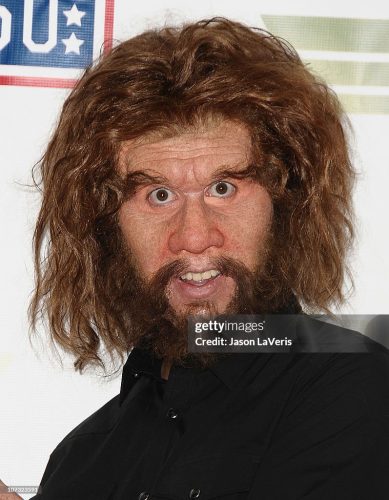
We always mention the GEICO Gecko as a successful mascot. However, another mascot of this insurance company, GEICO Cavemen, was a total failure.
The brand managers aimed to convey a message that it’s so easy that even a caveman can do it. While it worked at first, as time passed, this mascot created a clear mismatch between tone, format, and audience expectations.
The problem was that GEICO Caveman was designed to deliver a simple advertising message. But GEICO pushed it into long-form storytelling.
This was where the mascot’s downfall began.
2. Uncanny Valley Mascots and the Problem with Looking Too Human
Too much realism usually leads to failure. That’s why human-like mascots often can’t deliver the promised results.
Brands want to create a lasting connection with their customer base through the mascot they create.
The problem is that when the created character looks too human, discomfort replaces the emotional bond. Branding experts call this phenomenon the uncanny valley.
There’s a narrow line brands shouldn’t cross. The mascot’s facial expressions or movements must not look exactly like human beings. Otherwise, audiences perceive it as a creepy brand mascot.
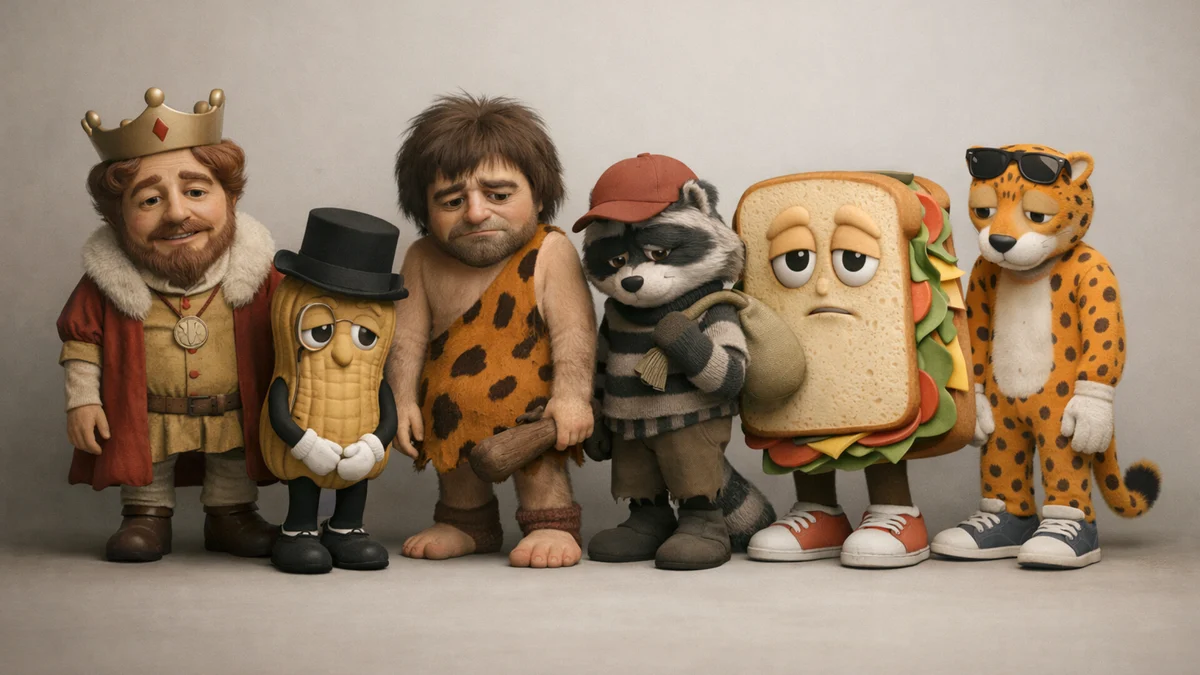
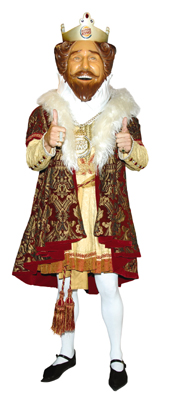
Burger King’s Creepy King is a good example of something eerie rather than engaging. Reports indicate that the mascot’s uncanny appearance alienated families and children and undermined the brand’s broader appeal.
This was against the Burger King branding objectives. So, shortly after, managers realized they needed to distance themselves from the character to restore their brand’s family-friendly image.
3. Stereotype-Driven Mascots and the Risk of Aging Poorly
Cultural or ethnic stereotypes typically have a short lifespan. Over time, mascots that build on stereotypes often fail, as social norms evolve faster than brand assets.
Simply put, what may seem humorous one day can later be seen as outdated or annoying brand mascots.
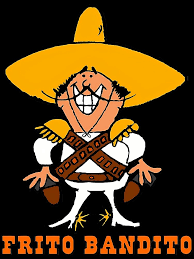
Fritos created a mascot named Frito Bandito. Back then, brand managers aimed to mock the Mexican bandit stereotype. After years, racial stereotyping turned into a serious red flag.
Fritos came under severe public pressure, leaving managers no choice but to retire this controversial mascot.
This example clearly shows that stereotype-based characters usually won’t last long. On the contrary, they can become long-term liabilities and cause prolonged reputational damage.
4. Shock-Value Comedy and the Cost of Chasing Virality
Don’t confuse virality with generating value. Some brands fall for this mistake and create mascots centered on shock value or dark humor. They may succeed in grabbing attention, but that alone doesn’t lead to improved brand perception. These are possible consequences of taking this approach:
- Polarized audiences
- Diluted brand meaning
- Affinity-less brand recall
People will remember the mascot, but not for its quality. They’ll remember how strange it is. This kind of brand recall only makes long-term positioning more complex.
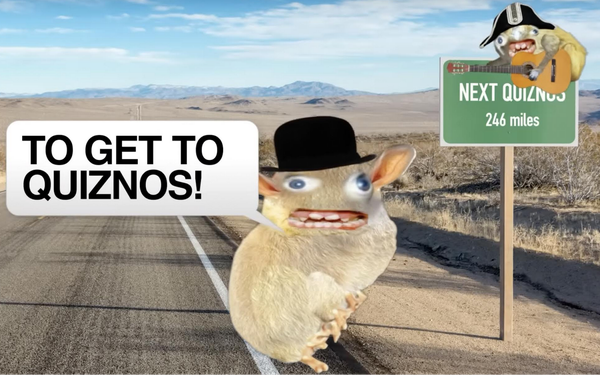
Quizonos’ mascot, Spongmonkeys, is a good example of this mistake. They did draw attention to the brand, but also divided their audiences, which was a costly aftermath.
Their campaign turned into a cultural talking point. They didn’t opt for this; they wanted to reinforce their branding. Later, outlets like Adweek framed this brand mascot controversy as one of the most polarizing advertising campaigns, which, as expected, didn’t turn out as intended for Quiznos.
5. Context Collision and the Risk of Losing Narrative Control
This is one of the most shocking brand mascot failures:
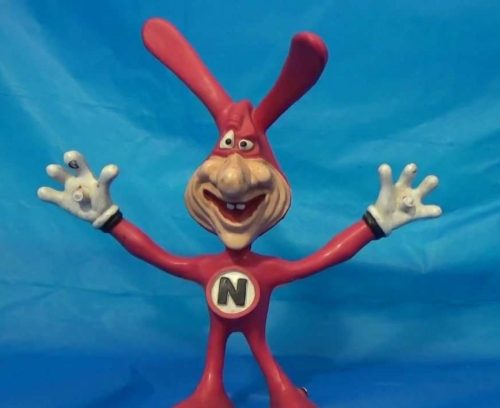
In the mid-80s, Domino’s introduced a brand mascot named Noid. This cartoonish villain was responsible for anything that could ruin pizza delivery, such as cold food, delays, and human error.
The message was clear: avoid troublemakers who don’t let you receive your order properly.
This is how you ensure fast delivery. Everything was going smoothly, and the campaign was highly successful at first. That changed after an unexpected real-world event.
In 1989, a man named Kenneth Lamar Noid entered a Domino’s restaurant in Georgia and took several employees hostage for hours. Reportedly, he believed that the ads were mocking him personally.
The incident taught branding consultants a valuable lesson: never risk losing control of the narrative.
Mascots must operate inside a narrative bubble that brands have full control over. When real-world events can rip that bubble apart, disasters happen.
In this case, a real-world event shattered the brand’s narrative control and endangered lives.
Naturally, such failures don’t result from poor visuals or misalignment with branding principles. So, preventing them may be a bit trickier. Our professionals at Dream Farm always recommend creating a completely isolated narrative that is harder for outside events to intrude on.
6. Annoyance Fatigue and the Cost of Overexposure
Overexposure is one of the most common mascot marketing mistakes. Our experience proves that repeated exposure turns familiarity into friction. People get bored easily, and explicitly trying to capture their attention often comes across as desperate, which they usually dislike.
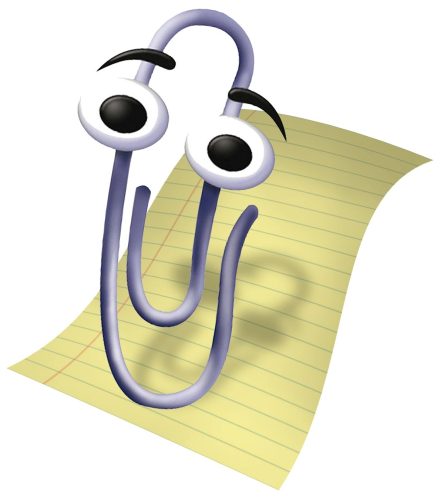
Clippy, Microsoft’s failed brand mascot, got famous for its annoyance fatigue.
The company intended to use Clippy as a helpful guide inside Office software. The idea was fine, but the deployment wasn’t. Overusing the mascot in the apps made it a failure. It stopped being helpful and became intrusive.
7. Meme Hijacks and the Loss of Brand Control
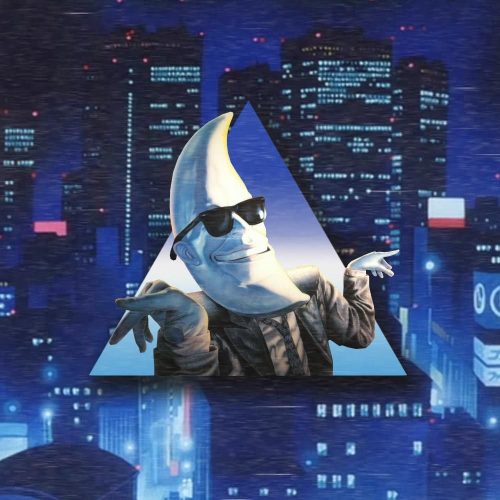
Mac Tonight, or Moon Man, the McDonald’s mascot, was a victim of meme hijacks.
Today, internet users can simply detach a mascot from its original meaning by using it in memes. This recontextualizes the mascot in ways brands never intended. The sad truth is that trying to clear a meme from the internet only serves to promote it. So, reversing a viral meme is relatively impossible.
In the case of Mac Tonight:
The brand marketing managers created this mascot as a lighthearted, jazz-inspired mascot. However, Online communities later linked it to white supremacist content, damaging McDonald’s reputation.
These cases usually leave brands with no choice but to shut down the stolen mascot to prevent further issues.
In the next section, we review some of the worst brand mascot failures throughout history.
Case Studies: The World’s Worst Brand Mascots and Their Failures
Here are some renowned failed mascots:
1. Happy from McDonald’s
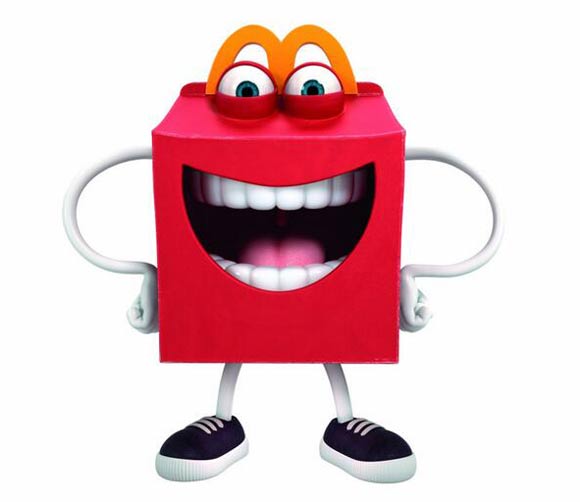
This is another failed mascot from McDonald’s. In 2009, this fast-food chain redesigned the Happy Meal box to project a friendlier image. Weak visual design undermined that goal.
Happy had rigid facial expressions and unnaturally wide eyes. This unlovable appearance raised immediate negative reactions, leading to the mascot’s failure. Both the public and critics describe Happy as unsettling rather than kid-friendly.
2. Peanut Jr. from Planters
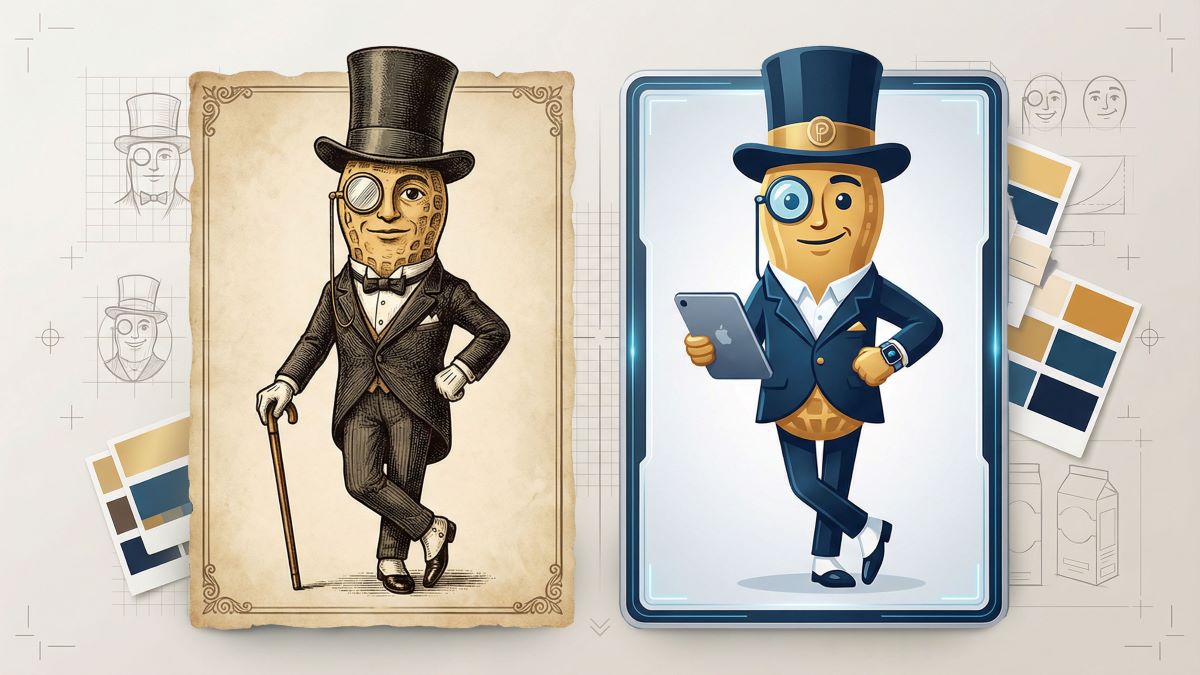
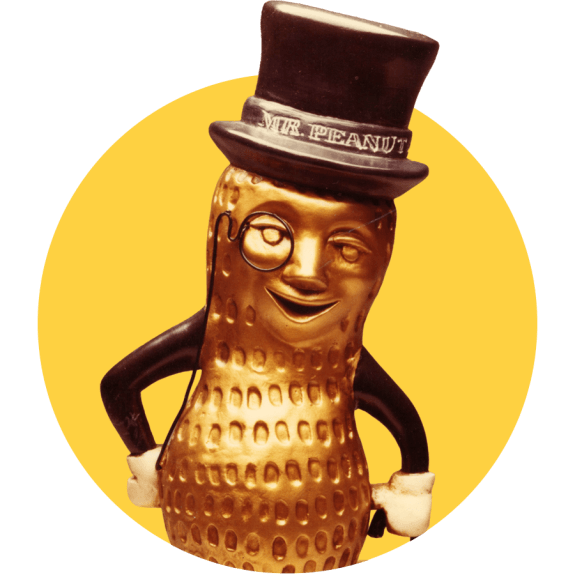
The old Planters mascot, Mr. Peanut, served the brand effectively for decades. In 2020, brand managers decided to breathe new life into the relatively outdated mascot to align it with modern audience preferences.
They ran a dramatic Super Bowl campaign in which Mr. Peanut sacrificed himself and was replaced by a younger character named Baby Nut. Later, Baby Nut evolved into Peanut Jr., one of the creepiest brand mascots ever.
The mascot drew significant attention, but mainly in a negative way. People encouraged each other to express their dislike through the viral hashtag #BlockMrPeanut on social media. This showed that audiences weren’t happy with this transformation and were confused about the new character’s role and tone.
3. Quiznos Toasty from Quiznos
Earlier, we covered Spongemonkey, one of the brand’s mascot failures, which belonged to Quiznos. The brand earns another spot among the worst brand mascots ever created.
Toasty was introduced alongside Spongemonkey in the early 2000s. This one was a small character, designed to look like an oven glove that repeatedly shouted ‘Toasty.’ Brand managers created this mascot to reinforce the idea of warm, toasted subs through absurd humor. It didn’t end well.
Toasty excelled at confusing and irritating target audiences. Industry outlets have cited this mascot as an example that became more memorable than the food itself, while seriously damaging the brand’s reputation.
Toasty and Spongemonkey, together, managed to generate a buzz for a short time. However, in the long term, they couldn’t add value or improve the brand’s positioning over time.
4. Energy Hog from the U.S. Public Service
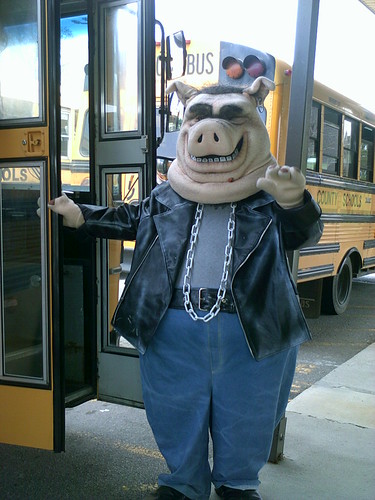
The U.S. Environmental Protection Agency also failed to develop a well-designed mascot. Energy Hog, introduced in 2006, was part of the Energy Star campaign to personify wasted electricity. Despite the idea’s potential, the mascot failed to drive impact.
Energy Hog was a lazy, gluttonous hog that consumed excess energy. The organization aimed to discourage inefficiency by depicting it as this mascot.
In practice, execution failed. Back then, people didn’t clearly understand Energy Hog’s purpose. In other words, the message didn’t land clearly. Instead of encouraging behavior change, the PR crisis left audiences confused.
Campaign awareness was relatively high at that time. According to a United States Environmental Protection Agency report, in 2006, more than 65% of Americans were able to recognize the Energy Star label. Conversely, Energy Hog itself didn’t meaningfully improve the relevant metrics or contribute to the campaign’s goals.
5. Chester Cheetah from Cheetos
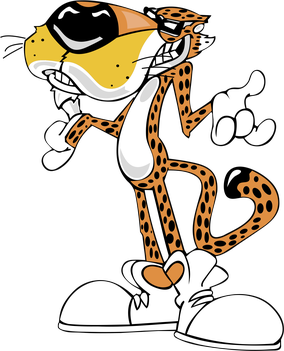
Cheetos made a costly misstep by redefining the famous Chester Cheetah in the late 2000s. They wanted to appeal to teenagers and young adults, so they positioned the mascot as a sly rule-breaker.
However, neither the public nor critics welcomed this idea. Critics argued that this normalized bad behavior. This became especially problematic for a brand with a large child audience.
After examining these case studies, it’s worth shifting to practical guidance to help you avoid creating a failed brand mascot.
Lessons from Dream Farm Experts: How to Avoid High-Risk Disasters
Professional branding consultants with a strong track record in creating well-established brand mascots offer three key recommendations to prevent controversies and failures:
1. Testing Whether a Mascot Is Actually Likable
In many cases, managers’ and designers’ assumptions regarding mascot likability conflict with reality. To avoid this common mistake, validate assumptions and gather reliable insights before launch. Create focus groups and show them the character you made. These early qualitative tests help identify red flags, such as creepiness and confusion, before publicly introducing the mascot.
2. Making Sure the Mascot Reflects Real Brand Values
A good mascot must represent the brand’s mission and principles; otherwise, it risks failure. Chasing trends or designing based on momentary cultural buzz results in a mascot with limited longevity.
Neglecting core principles creates a brand misalignment gap, which we discussed earlier. Studying successful mascots throughout history shows that brand characters must have personality, traits, and a tone that reflect the brand, rather than relying solely on temporary trends.
3. Knowing When It’s Time to Retire a Mascot
Almost anything has an expiration date, and brand mascots are no exception. Even successful, well-designed characters must retire at some point. A mascot that worked for decades can become impractical due to the following reasons:
- Evolving media environments
- Shifting cultural expectations
- Changing audience sensitivities
As a result, to ensure a brand mascot won’t later fail or damage the brand after years of honest service, brand managers must know when it’s time to say goodbye, even to the most lovable brand mascots.
It’s time to conclude the blog.
How to Build a Mascot That Actually Works
Treating a mascot as a decorative asset is a fast way to fail. Examining brand mascot failures reveals that those brands that don’t treat the character as a managed brand system often fail. Sticking to brand values, investing in strong visual design, validating emotional responses through early testing, and defining strict behavioral traits ensure a successful outcome. This approach helps mascots survive cultural shifts and earn trust over time.
What to do next:
- Do now: Explore our Works page to see real mascot projects we’ve built with brands.
- Learn: Read our blog on Mascot Ideas and for Businesses and Brands to get inspiration to see what works in practice.
FAQ
What is the most common reason brand mascots fail?
Most mascot failures happen when the mascot’s personality doesn’t match what the brand actually stands for.
Can a brand mascot be famous and still fail?
Yes, some mascots are widely recognized, but they still hurt how people see the brand. Fame without a positive association often leads to positioning issues.
Why do human-like mascots often make audiences uncomfortable?
Mascots that look almost human can trigger the uncanny valley effect. That discomfort replaces emotional connection, making the character harder to like, especially among families and children.
How do internet memes turn mascots into liabilities?
Once online communities hijack a mascot, brands lose control over its meaning. Once a mascot is repurposed this way, undoing the damage is extremely difficult.
When should a brand retire its mascot?
When a mascot starts feeling out of place in today’s culture or media landscape, it’s usually time to retire it.
NikanNavid, is an award-winning physician-scientist and clinical development specialist.