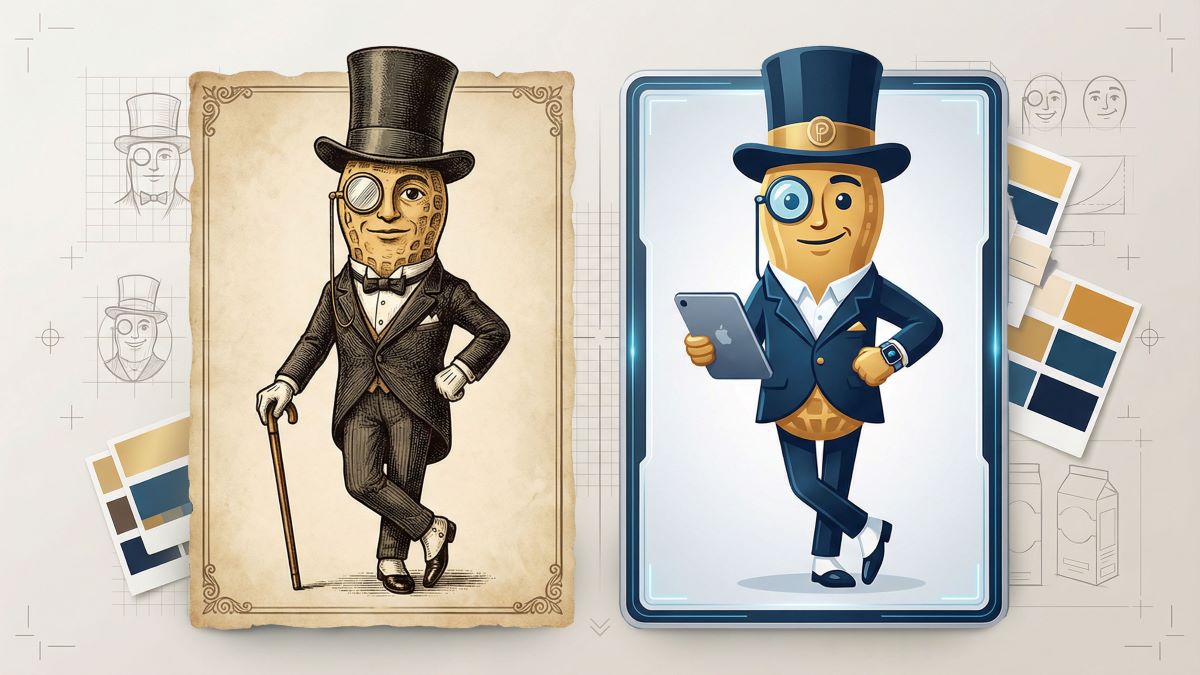
Key Takeaways:
- Mascot rebranding should be driven by valid reasons and data, rather than aesthetic preferences alone. Necessary triggers include: brand repositioning, tone mismatch, outdated associations, and expanding roles.
- Drastic changes can trigger significant backlash, especially for nostalgic brands. Before making changes, brands must assess which elements hold the most emotional value for customers.
- A successful mascot evolution requires identifying what must remain the same to ensure the mascot is still recognizable.
- The new mascot must reinforce and express the brand’s story and values. If a story doesn’t exist, this is the time to craft a narrative that defines the mascot’s purpose.
- Companies should be prepared for backlash after launching a new mascot. Plan to respond with humor and self-awareness, not defensiveness.
Every mascot embodies a brand’s unique identity and tells its story. Yet over time, even the most iconic characters can lose their relevance and or impact.
In such situations, the first thing that comes to mind is changing the mascot, but sometimes it can be risky and could end up being a waste of money or lead to negative feedback.
To illustrate, let’s imagine you have a soda brand whose mascot is happy, cute and appealing to children. However, you decide to redesign it in a more minimal style to attract the younger generation as well.
The problem is that you might lose your loyal customers because the brand is no longer recognizable!
In this blog post, we examine when rebranding a mascot is a must, outline the key steps involved, and highlight the common mistakes brands should avoid.
If you need to know the definitive guide to brand mascots, click the link to read this first.
Otherwise, let’s begin with a quick review of three key terms.
The Vocabulary of Change: Is it a Refresh, Redesign, or Rebrand?
Before we start, let’s clarify the differences between brand refreshing, redesigning and rebranding.
Refreshing Mascot
Refreshing a Mascot is like giving your character a polish like minor updates to its appearance, colors, or style to make it feel more modern, without changing who it fundamentally is. The mascot’s personality, story, and role remain the same; it’s simply a visual update.
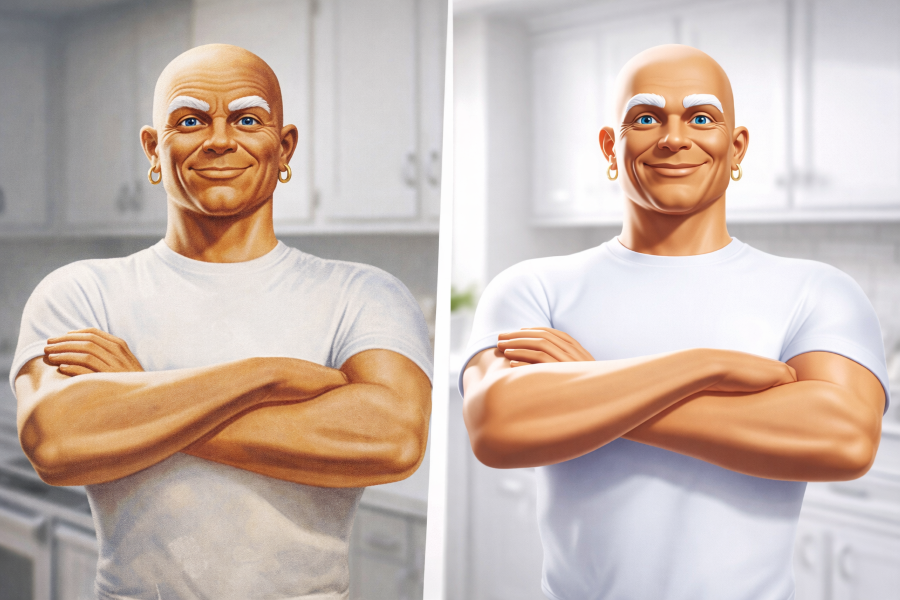
This picture showcases a visual refresh of the Mr. Clean mascot. While the character retains its core attributes, being bald, wearing a white shirt, and having a muscular build, there are notable updates.
The lines are softer, the colors are brighter, and the shading is more subtle. The design has been slightly modernized, but the brand’s positioning, message, and target audience remain unchanged.
Redesigning Mascot
Redesigning a Mascot goes a step further, focusing on a significant overhaul of its visual identity. This could include redesigning the mascot’s costume, ratio, or illustration style, or updating the design system used across all brand touchpoints. However, the mascot’s core personality, narrative, and purpose within the brand remain consistent.
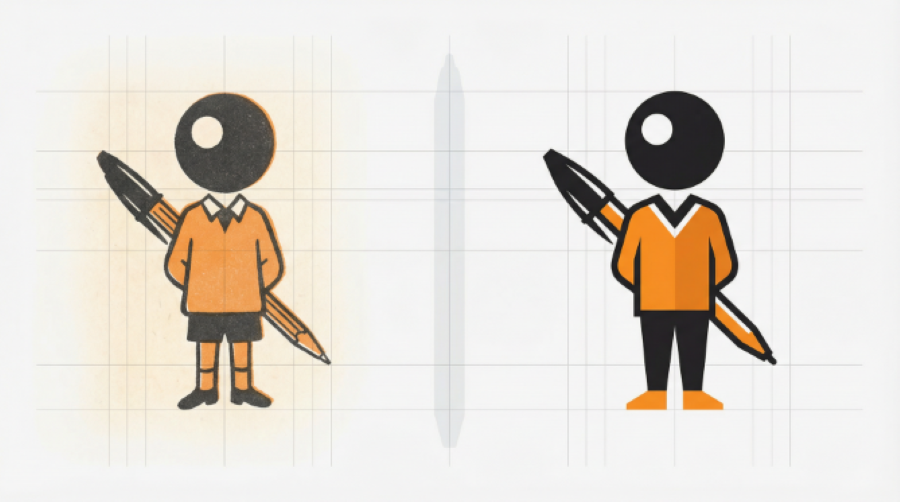
Look at the image above. BIC is a pen brand. The mascot of BIC, known as the BIC Boy, was introduced in the 1960s. It features a simple little boy with a round head resembling a pen ball and originally included many details. However, the later version is simplified and becomes flatter and more modern overall.
Rebranding Mascot
Rebranding a Mascot, on the other hand, is strategic and transformative. It happens when the change goes beyond aesthetics. Let me break it down for you:
- Personality Shifts: The mascot adopts a new voice or tone. For example, from a goofy, silent clown to a witty, sarcastic character active on social media.
- Narrative Changes: Its backstory, name, or origin is rewritten to align with new company values, such as pivoting from a “fast food” identity to a “healthy lifestyle” image.
- Complete Replacement: The old mascot is retired, and a completely new character or species is introduced to represent a new era.
Expanded Role: The mascot’s function grows, such as becoming the central figure of a customer service chatbot rather than just a visual icon.
When Is It Time to Rebrand Your Mascot? Signals & Triggers
Rebranding a company mascot is sometimes risky but necessary! However, there are some points that can minimize risk and increase the likelihood of a rewarding rebrand.
Brand Repositioning or a New Audience Makes the Mascot Feel “Off”
Brand repositioning or a shift in target audience can make an existing mascot feel misaligned with the brand’s new direction. When a company evolves strategically, its values, tone, and brand positioning may change, and the mascot must evolve with them.
If the mascot no longer reflects the brand’s identity or resonates with its audience, it may be time to consider rebranding.
Briefly, you may need to rebrand your mascot if:
- Customer expectations have significantly shifted
- Your brand has entered a new target market
- The company has gone through a strategic repositioning
- The mascot no longer aligns with your core values or messaging
Personality/Tone Clashes With Current Brand Voice
Imagine a brand that presents itself as sober, technical, and highly professional; Yet its mascot appears playful, colorful, or overly cute. This mismatch creates a disconnect that can weaken brand credibility and confuse the audience.
So, if your brand mascot creates a contradiction, it may be time to rebrand it.
Mascots’ Associations Feel Outdated or Risky
Do you remember Clippy? It was an assistant for Microsoft Office in the early 2000s, represented by a paperclip-shaped mascot.
At first, it was cute and relatable, but as new updates for Microsoft were released, it became more annoying than helpful and eventually felt irrelevant.
This is a perfect example of a mascot whose associations became outdated, showing how a character that once resonated with users can fall out of sync with a brand over time.
Therefore, if your brand mascot feels outdated or no longer resonates with your audience, it’s time to act: either by refreshing its look or giving it a full rebrand.
You Need the Mascot to Play a New Role
As a brand expands or evolves, its mascot must evolve with it. When new products, services, or brand messages are introduced, the existing mascot may no longer represent the full scope of the brand.
For example, imagine a company known for manufacturing smartphones, with a mascot that strongly reflects innovation in mobile technology. If the company later expands into lifestyle gadgets and broader consumer experiences, the original mascot may feel too narrow or limited. Without adaptation, this shift can create inconsistency in how the brand is perceived.
In such cases, the mascot may need to be repositioned, reimagined, or fully rebranded to align with the brand’s expanded role and vision.
What to Consider Before Rebranding a Mascot?
Rebranding a mascot can sometimes be risky and may trigger backlash. When does this happen, and how can brands mitigate the risk?
There are key factors that should be considered before rebranding:
Rebrand or Redesign? Name the Project Correctly
Before moving forward, it’s essential to clearly define the brand’s needs.
Does the situation require a full rebrand, or would a mascot redesign be sufficient?
Remember that mislabeling a redesign as a rebrand can lead to unnecessary complexity and cost!
Equity Audit: What People Already Recognize and Care About
Sometimes, a brand’s logo or mascot carries years of built-up recognition and emotional attachment. In such cases, preserving brand equity is crucial.
Surveying customers, employees, and key stakeholders can help assess how the brand is currently perceived and which elements hold the most value.
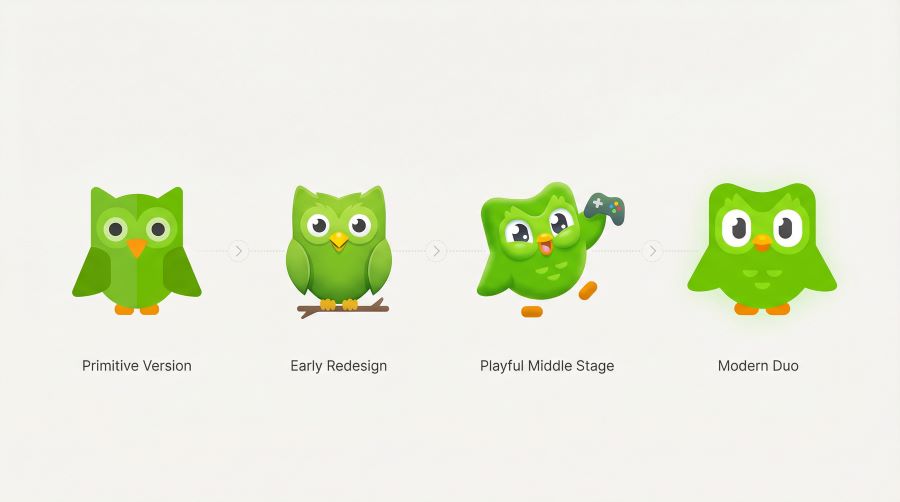
For example, Duolingo’s owl mascot carries strong recognition, trust, and emotional connection among its users. A radical rebranding of this mascot would be high-risk, as it could damage the equity the brand has carefully built over time.
Root Cause: Why Change Now (And What Problem You’re Actually Solving)
Are you rebranding your mascot because you feel it isn’t pretty enough, or do you have rational reasons behind it backed by data?
Your response to this question is very important. You should be aware of the downsides of your current mascot and which issues you aim to address through rebranding:
- Old-fashioned appearance?
- Misalignment with brand values or messaging?
- Or an opportunity to engage a new audience?
Using surveys, Google Analytics, A/B tests, social listening, sentiment analysis, and customer feedback provides a comprehensive way to assess your mascot’s current performance.
Continuity Plan: What Must Stay vs What Can Evolve
First, identify core values and keep them, then decide which elements are open to change or update.
Better to stay:
- Brand primary colors: maintain immediate recognition
- Core personality: keep the mascot’s essential character traits
- Silhouette: retain the overall shape for recognizability
May evolve:
- Visual details: update style, textures, or animations
- Tone of voice: adjust messaging or personality in communication
- Roles: expand the mascot’s presence across channels or functions
Audience Risk + Backlash Scenarios (Especially if There’s Nostalgia)
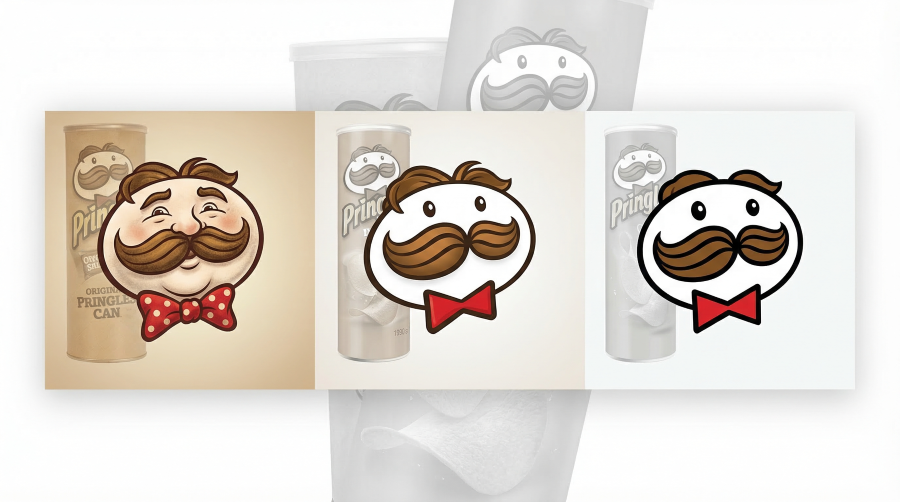
Pringles is a nostalgic potato chips brand whose mascot, with his memorable mustache and humorous personality, has built a strong emotional connection with consumers over time.
Now imagine that, out of the blue, Pringles decides to remove the iconic mustache and entirely redesign the mascot. Such a drastic change could weaken recognition, disrupt emotional attachment, and potentially lead to audience backlash! Especially among loyal customers who associate the mascot with childhood memories and brand familiarity.
But the question is, how to prevent backlash?
If your brand carries strong nostalgia (like Pringles), changes should be implemented gradually. Beyond evaluating the current situation and identifying core values, brands must carefully plan how each element evolves over time.
The image below shows how the Pringles mascot has evolved over the years:
Brand System Fit: Where the Mascot Sits After the Rebrand
The mascot should always function as an integrated part of the brand ecosystem, not as an isolated element. It is important to clearly define the mascot’s role and its place in the customer journey. For example, it may appear on packaging, serve as an icon in a chatbot, be part of an onboarding guide, or feature in advertising banners, among other touchpoints.
Legal/IP Implications of Changing the Character
This is a vital step that most of the time is neglected. When it comes to Legal/IP implications, every change could lead to legal consequences. Let me break it down in more detail.
- Trademark Protection: If your mascot is registered as a trademark, major changes can weaken its legal protection.
- Copyright Issues: If the original mascot is copyrighted, significant alterations may require resubmission.
- Contractual Obligations: Existing contracts for advertising, products, or licensing may limit changes, and ignoring them could create legal issues.
- Third-party IP Conflicts: New designs might unintentionally look like competitors’ mascots, creating legal risk.
- Documentation & Legal Clearance: All changes should be documented and reviewed by legal teams to minimize intellectual property risks.
Rollout Plan: How to Launch a Mascot Rebrand Without Backlash
Ok. If you have made your decision, here is a quick rollout plan to launch your new mascot with minimal backlash.
1. Analyze the Current Situation
You should understand what users think about the current mascot, what they love about it, how it contributes to brand recognition, and which elements must remain unchanged.
2. Refine and Clarify the Brand Story
If a brand story already exists, the new mascot should reinforce and express it while maintaining its core values. If not, this is the right time to craft a compelling narrative that resonates with the audience and clearly defines the mascot’s purpose within the brand.
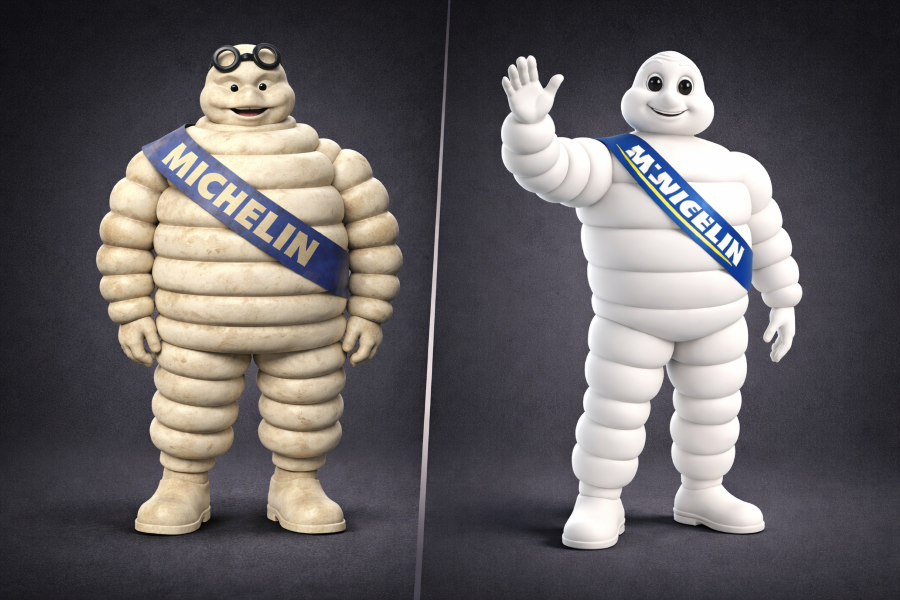
A strong example is Michelin Tyres and its mascot Bibendum (the Michelin Man).
Michelin has always had a strong brand story focused on safety, durability, and mobility.
As Bibendum evolved over the years, the updates did not alter his identity; they enhanced the way he conveyed those values. He became more friendly, human, and focused on safety, such as removing the cigar to better align with a responsible, family-oriented image. (Honestly, the first mascot could be my worst nightmare!)
3. Ensure Internal Alignment
Make certain that stakeholders and team members fully understand the mascot rebranding and the reasons behind it. Internal alignment is critical. For example, if the marketing team highlights the mascot’s playful personality while customer support communicates in a formal tone, this creates inconsistency in the brand experience.
So, update the brand guidelines accordingly and ensure they are shared and implemented across all teams.
4. Engage the Audience Early
You can organize an in-person event or leverage social media to introduce and promote the new mascot. The more you involve your audience in the transition process, the more likely they are to engage with and talk about your brand.
You can also use Q&As, polls, promotional materials, influencer collaborations and paid partnerships to increase engagement.
5. Have a Backlash Plan Ready
Always anticipate potential backlash and have a plan in place. Responses to negative reactions should be handled with self-awareness and humor, rather than defensiveness or oversensitivity.
If you collaborate with influencers, brief them on the strategy and guide them on how to respond to negative comments.
6. Monitor Performance
The work doesn’t end here. After launching the rebranding campaign, continue monitoring performance and adjust changes or narratives as needed.
Common Mistakes Brands Make When Rebranding a Mascot
These four are among the most common mistakes brands make.
Excessive Modernization
Ignoring long-standing brand heritage in an attempt to modernize a mascot can be a huge mistake. Mascots often carry deep emotional bonds, and excessive modernization may kill nostalgia and weaken brand recognition.
Lack of Adaptability
The new mascot should align with the overall design system and adapt seamlessly across different brand touchpoints, including packaging, social media, and billboards.
Poor Implementation Plan
Your implementation plan is just as important as the mascot rebranding process itself.
To avoid failure, brands should define a clear rollout timeline, align internal teams, prepare communication guidelines, predict potential backlash, and continuously monitor audience response after launch. A strong execution plan turns a creative idea into a sustainable brand asset.
Here we have a good example of failure: the Gap brand!
Gap replaced its iconic blue square logo with a new, minimal design featuring the Helvetica font. This sudden change was made without a clear explanation, resulting in significant backlash from both customers and designers. Many felt that the new logo lacked identity and erased the brand’s heritage, even making it difficult for some people to recognize the stores with the new logo.
What happened in the end?
After just six days of public criticism, Gap reverted to its original logo, and you still see the same logo today.
Thus, when considering changes to your mascot, be sure to consider the important points provided.
Ignoring Customer Research
Designing a mascot that doesn’t align with the brand persona can be a strategic mistake. For example, if you run a B2B tech company targeting managers and tech-savvy professionals, an overly playful or witty mascot may undermine the brand’s credibility.
Therefore, marketing research should be taken seriously. Define brand persona and come to a conclusion about brand character and equity.
Cultural Sensivity
It is important to understand the beliefs, histories, lived experiences, and sensitivities of a community. When it comes to branding, especially with mascots, you should consider the following questions:
- Does it reflect disrespect?
- Does it convey a racist message?
- Does it overlook any historical harm or social context?
- Does it resonate with diverse audiences?
The Cleveland Guardians (formerly known as the Cleveland Indians) exemplify the importance of cultural sensitivity in branding. They previously had a mascot named Chief Wahoo, which featured caricatured Native American imagery. After years of criticism and recognizing that this mascot was offensive and stereotypical, the team decided to change it to a simple logo.
Rebrand Option: Make the Mascot Virtual and AI-Native OR (Optional next step: AI-Native interactive mascot)
If you’re following current trends, you may have noticed the rise of interactive, AI-native and AI-driven mascots as the next evolution of brand characters.
The future of brand mascots lies in intelligent and interactive characters, rather than static graphics.
Thanks to AI, now you can have a mascot with key advantages: adaptability, real-time interaction, and scalable brand storytelling.
Emerging solutions provided by DreamFarm make it possible to design mascots that are not only visually distinctive but also behaviorally intelligent. You can also have your own virtual character!
Conclusion
Well, rebranding a mascot is a strategic decision that goes beyond visual updates. This process requires research, clarity, teamwork and an accurate action plan.
It’s essential to preserve brand equity while adapting to change. Plus, by understanding the right timing, avoiding common mistakes, and preparing for potential backlash, you can turn a risky transition into a great opportunity.
If you have any questions about mascot rebranding or need further guidance, don’t hesitate to contact us.
FAQ
1. Which brand killed off its mascot?
In February 2025, Duolingo faked the death of its lovely green owl mascot, Duo, in a marketing campaign to boost user engagement. This campaign went viral, receiving praise on social media, and Duo was “resurrected” on February 24, 2025.
2. How do I introduce a new mascot?
First, outline your brand’s existing story, values, and design system. Then, define the narrative, personality, and touchpoints for the mascot. Finally, launch with a precise rollout plan.
3. Should a mascot change if the brand story hasn’t changed?
It’s not necessary, but sometimes a visual refresh can modernize the mascot while keeping its personality and core values intact.
4. Can mascots be animated?
Absolutely. Mascots can be animated for commercials, social media, apps, or games using 2D/3D animation or motion graphics.
5. How can I animate my mascot?
Have DreamFarm Studio handle the project. We can animate your mascot for commercial roles or performing in digital touchpoints.
mona