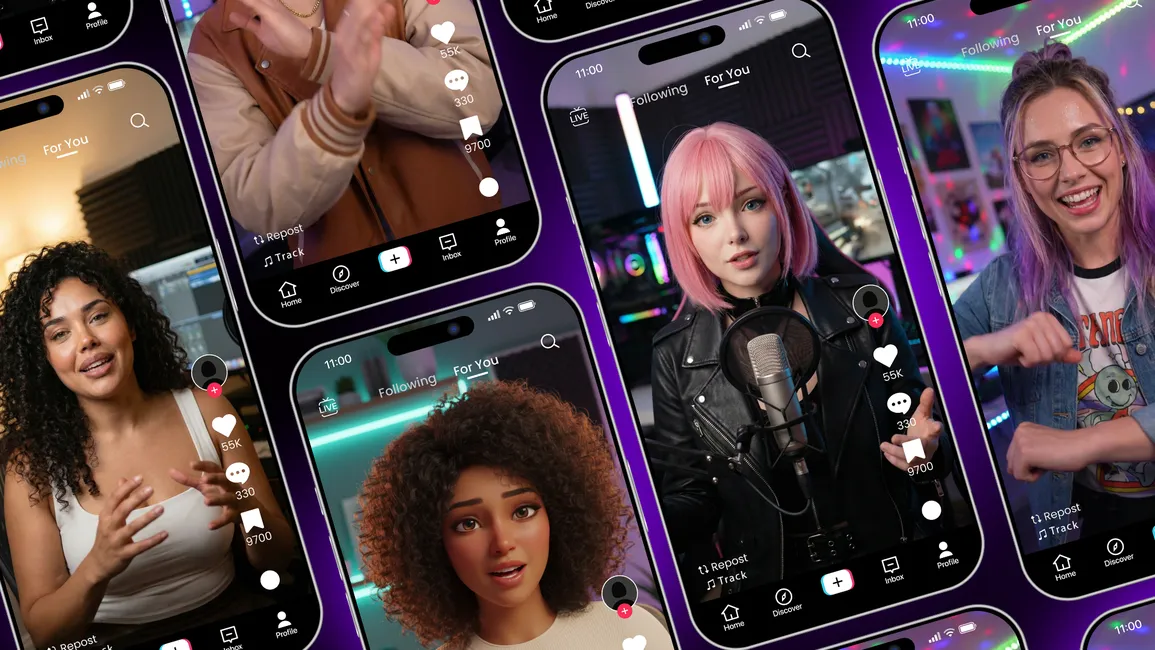
- A Quick Look at Virtual Influencer History + Top Examples
- Market Stats Support the Growing Popularity of Virtual Influencers Among Individuals and Brands
- Reasons Behind Following AI Influencers: How They’ve Gained Popularity in Social Media
- Novelty and Tech Wow Factors Excite Gen Z Fans
- Why Smart Businesses Should Embrace This Rising Trend for Greater Impact
- “Uncanny Valley” Effect and Trust Barriers
- The Future of AI Influencers: Will They Soar or Sink?
- In Sum, Today’s Small Steps will Cause Tomorrow’s Big Influence
By Leila
Key Takeaways:
- Virtual influencers function as computer-generated avatars that simulate human social media behaviors to endorse products and explore subjects such as fashion and sustainability.
- Top examples include Lil Miquela from 2016 and Lu do Magalu with eight million followers, demonstrating consistent cross-platform presence.
- Individuals follow these figures for algorithm-optimized content, emotional bonds through backstories, aspirational narratives, and visually polished aesthetics.
- Brands utilize virtual influencers for narrative control, scandal avoidance, global scalability, and elevated engagement rates compared to human counterparts.
- Market projections indicate growth from 1.67 billion dollars in 2023 to 13.6 billion dollars by 2030, driven by metaverse expansions and advanced interactions.
Social media is evolving fast, and virtual influencers are leading the change.
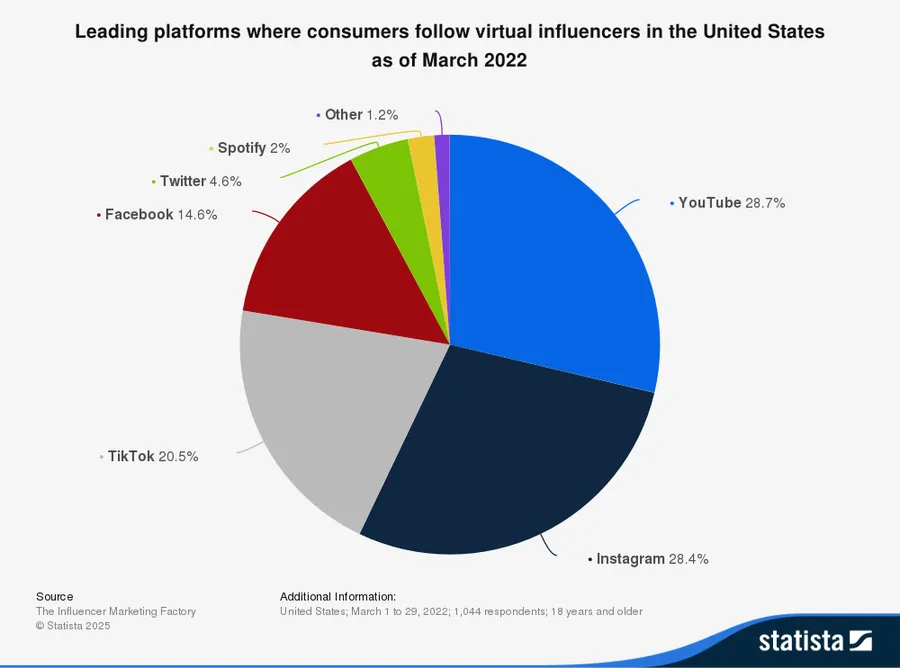
And why not? These rising digital stars are followed by millions of users across popular social platforms: YouTube boasts 28.7% of fans; Instagram follows closely with 28.4%, while TikTok captures 20.5%.
Virtual influencers narrate compelling stories, advocate for ethical causes, and promote sustainable practices. They even team up with fashion and lifestyle giants.
They engage audiences in much the same way as human influencers do.
They connect just like human influencers do. That’s the key reason behind their growing popularity on social media.
Let’s explore this trending phenomenon.
This article will:
- break down its history and review top examples,
- examine successful real-world examples,
- discuss why it is becoming popular,
- check what is hot right now and anticipate what’s coming next.
All of this is backed by solid data.
Stay tuned.
What Are Virtual Influencers?
To put it simply, they are fake people created by computers to act like real influencers on social media.
These digital avatars look and post like humans, promoting stuff or chatting with followers about various topics from fashion and lifestyle to sustainability and ethics, but they are just digital creations, not real people.
To learn more about this future-forward social media trend, we suggest that you read our insightful article on virtual influencers.
Now, let’s take a few minutes to briefly review the history.
View this post on Instagram
A Quick Look at Virtual Influencer History + Top Examples
The Early Days
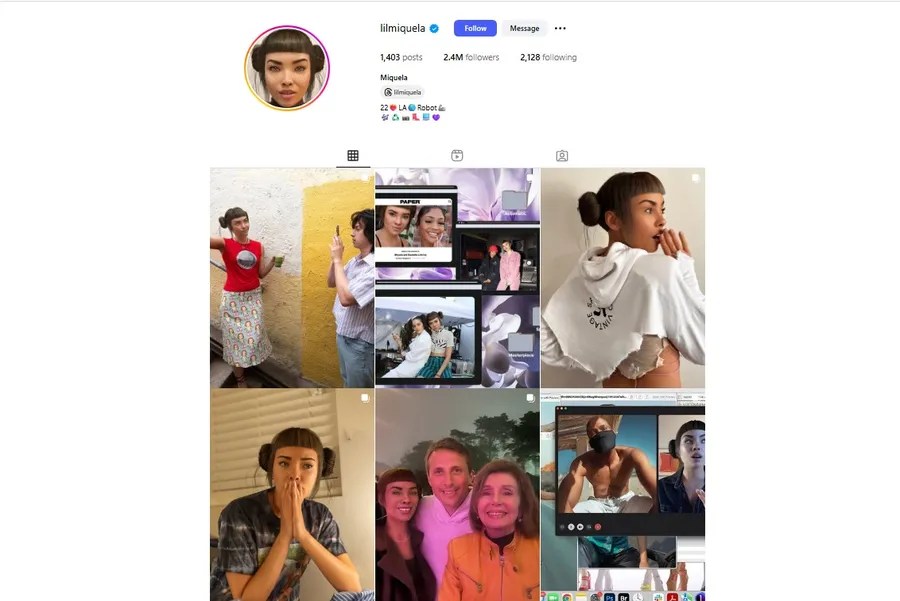
Virtual influencers kicked off in the late 2010s. Lil Miquela, launched in 2016 in the U.S., was the spark that lit the fire. This industry-defining US-based AI-powered avatar became a blueprint for what digital characters could do: a blend of style, personality, and relatability in a digital package.
By 2018, big brands like Lenovo caught on, teaming up with Japan’s first virtual model, Imma Gram, to bring a fresh vibe to their campaigns.
These early moves showed the world: digital personas weren’t just a gimmick; they were here to stay.
Social Media Superstars
Digitally created people didn’t take long to explode on platforms like Instagram and TikTok. Lu do Magalu, for example, a Brazilian digital star with a jaw-dropping 8M followers, Lil Miquela with 2.4M followers, or Shudu, the world’s first virtual supermodel, attracting over 238,000 fans.
The world of virtual characters, however, isn’t just about a handful of trendy names; it is a vibrant global scene.
Here are more examples.
A World of Distinctive Personalities
In the U.S., Guggimon has attracted lots of fans with his bold streetwear vibe and unorthodox personality.
Kizuna AI from Japan, a pioneer on TikTok and YouTube, has hooked fans with Q&A sessions and gaming streams, making her a digital bestie for millions.
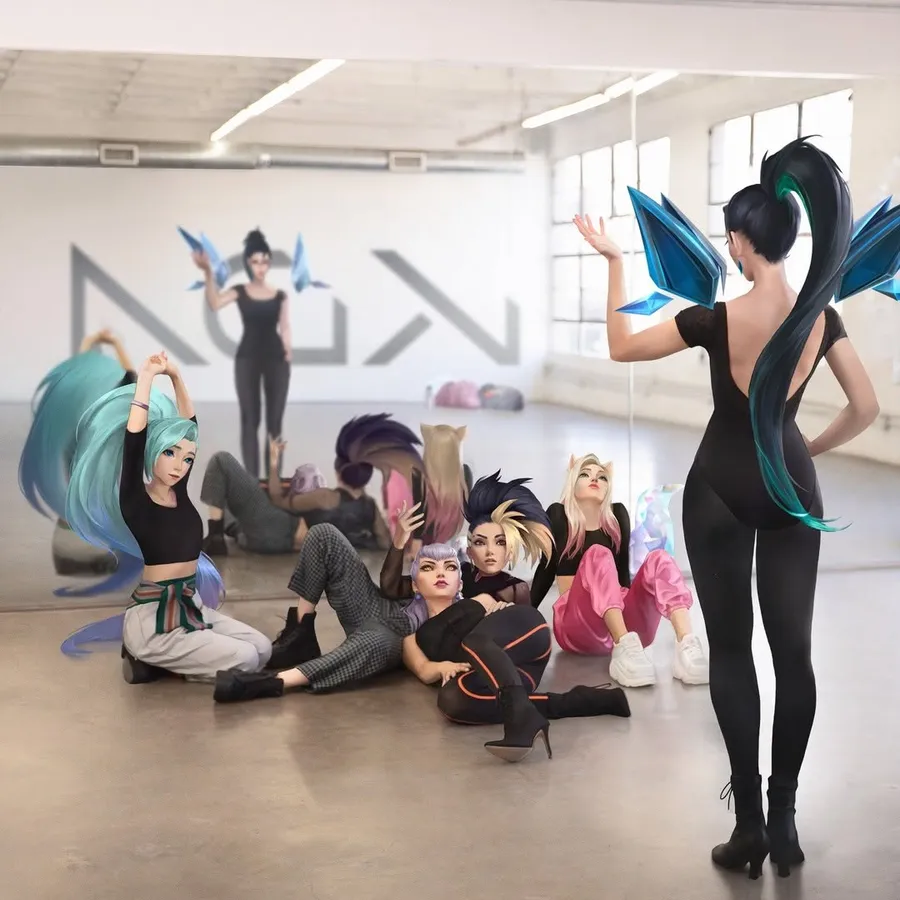
Over in Korea, K/DA, a virtual K-pop group born from League of Legends, redefined entertainment with collaborations featuring real-world stars like Madison Beer and Kim Petras.
Another Korean example is Rozy Gram, the very first digital influencer in Korea and the favourite influencer among Gen Z, who has landed deals with major brands like Calvin Klein and Tiffany & Co.
Then there is CB, a Brazilian virtual mascot and AI shop assistant owned by Casas Bahia, launched in 2017 to attract younger shoppers.
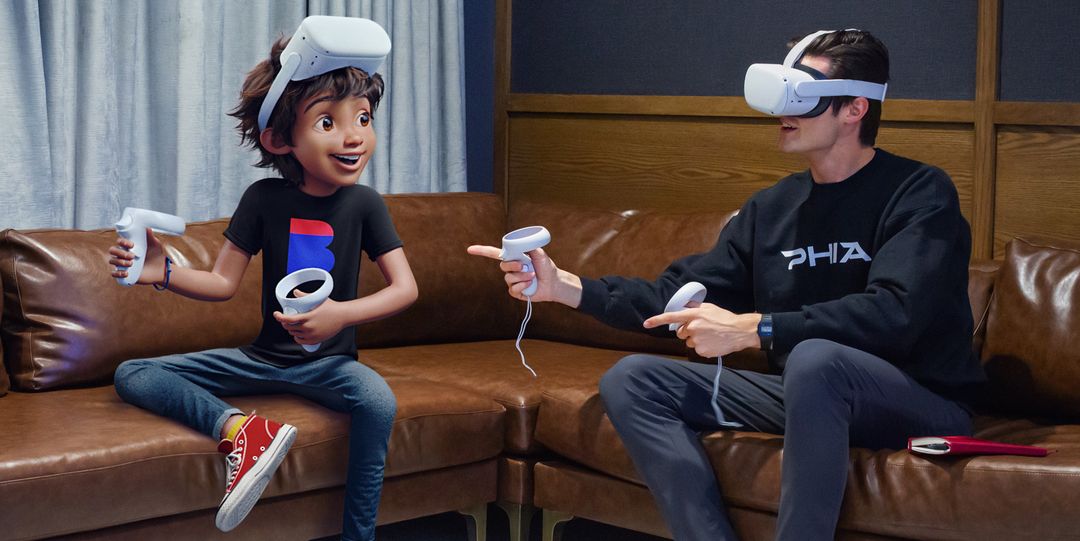
And let’s not forget CodeMiko, the U.S.-based tech wizard who streams interactive gaming and entertainment content, blending AI smarts with human-like engagement.
Beyond Human Forms
New-generation social media stars don’t always look human, and that’s alright. You don’t need a human face to win hearts.
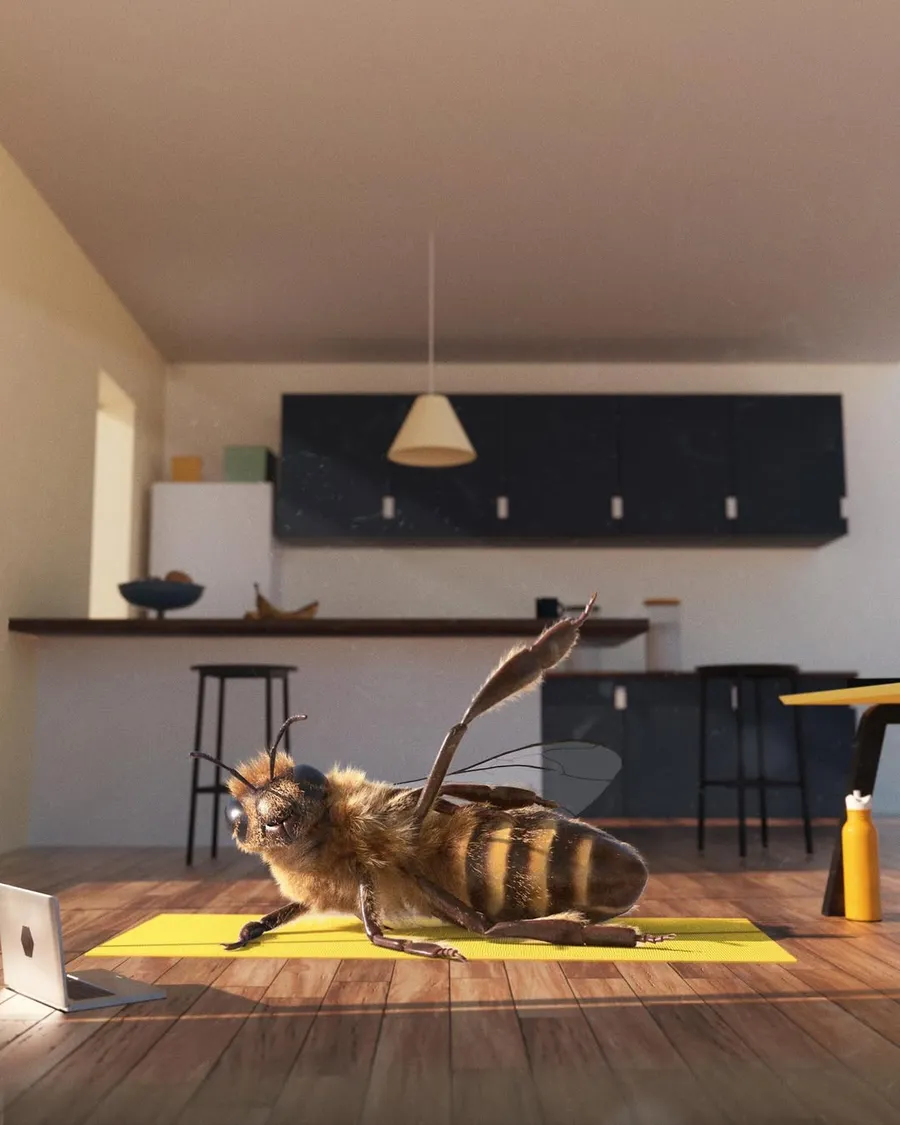
Consider B, a bee influencer – yes, really! – who promotes sustainability on Instagram with its quirky mission to save its buzzing fellows.
Or the GEICO Gecko, that green lizard with comedic charm.
Among non-human digital stars, there is Portugal’s Nobody Sausage. This dancing cartoon sausage brings pure fun to social media, racking up fans with every move.
Interestingly, a 2024 study published in Humanities and Social Sciences Communication reported that “Nobody Sausage had the highest customer-brand engagement (30.74%) among doll-like virtual influencers.”
Global Reach, Local Flavor
In China, Ayayi’s hyper-realistic look and engaging posts have fans hooked.
Maria, a foodie influencer from Mexico, shares grandma’s recipes while advocating for environmental causes and gender equality.
In fitness, there is Ion Gottlich, who flexes exaggerated muscles and adopts a goofy tone.
And there is Indian Kyraonig, a self-proclaimed dream chaser and traveler, who captivates fans with her enigmatic vibe.

And in Brazil, there is Luks, who lives in the metaverse as the digital twin of content creator Lucas Rangel, bringing real-world energy to virtual spaces.
Then there’s Leya Love, a global icon spreading compassion and sustainability through the #WorldAwarenessMovement.
And the list goes on.
Why Does It Matter?
The above examples prove that virtual influencers are more than cool tech; they let brands and creators tell stories that feel fresh and real, no matter the platform or country.
And that the best of them have personality, purpose, and consistency that make audiences care.
- Read more about the top virtual influencers who thrived on social media.
Market Stats Support the Growing Popularity of Virtual Influencers Among Individuals and Brands

You may wonder if digitally created influencers are the right fit for your campaigns.
Two fresh Statista reports give us the scoop on what U.S. marketers think about AI-generated influencers and where consumers are following them.
Let’s break it down in a way that is easy to digest and helps you plan your next move.
Let’s Start with Marketers
In the U.S., the virtual influencer market is booming, generating an impressive revenue of USD 1,671 million in 2023. Looking ahead, it’s projected to skyrocket to USD 13,596.5 million by 2030, per Grand View Research.
This growth reflects a robust annual increase of 34.9% from 2024 to 2030, showcasing the immense potential in this space.
However,…
A survey from September 2024 tells us that 57% of U.S. marketers working with influencers aren’t sold on virtual or AI-generated characters. That’s right. Over half said they aren’t interested in using these digital stars.
Why?
Understandably, many still prefer the human touch for building trust and authenticity with audiences.
But here’s the flip side: those who are using influencers focus on reach and engagement rate to measure success. These metrics are key to knowing if your campaign is hitting the mark.
In other words, you need to weigh your options. Start small – test them for a specific campaign and track those engagement numbers.
What to Expect from the Market?
According to a 2024 article published in Communicate, in 2023, brands typically spent between $18,000 and $30,000 on a single virtual influencer campaign. Big names like Samsung and Nike took it a step further, investing around $1 million in their campaigns.
As the study notes, social media icons like Shudu Gram have played a significant role in Gucci‘s marketing efforts, helping to promote luxury fragrances. Similarly, Dior partnered with Gal Gadot to showcase their makeup line, following this growing trend.
These initiatives highlight the increasing importance of these rapidly rising stars, particularly in the fashion industry (51%) and beauty sector (47%), with their influence also spreading into food and lifestyle markets.
Now, let’s talk about your audience.
Here are Followers’ Insights by Region + Key Platforms They Use to Engage with Virtual Influencers
North America, especially the U.S. and Canada, dominates the virtual influencer market with a 40% share.
In the APAC region, China, Japan, and South Korea are the fastest-growing markets. Let’s also keep an eye on Brazil, Germany, and India, as they are emerging players.
Where do fans of this booming market engage with their favorite virtual avatars?
A Statista survey from March 2022 found that U.S. consumers who follow virtual influencers are active on a few key platforms where they’re shining.
YouTube leads the pack, with 28.7% of these fans tuning in there;
Instagram is a close second at 28.4%;
and TikTok rounds out the top three with 20.5%.
What Do These Numbers Tell Us?
If you’re thinking about virtual influencers, focus on YouTube, Instagram, or TikTok, where your audience is already scrolling. Especially younger crowds would love their fresh, futuristic vibe.
YouTube has been a pioneer since 2007, letting creators like virtual singer Hatsune Miku rack up millions of views with no issues. Its Partner Program even shares ad revenue with them!
Instagram is all about visuals, and global icons like Lu do Magalu, with 8M followers, thrive there, using reels and stories without restrictions.
TikTok’s algorithm loves creative content, so virtual stars like K/DA’s Seraphine fit right in.
All these platforms have clear policies: as long as content follows community guidelines, virtual influencers are treated like human ones.
No bans, no blocks; just equal opportunities to be seen.
And don’t worry about policy issues; these platforms are super open to this trend.
Reasons Behind Following AI Influencers: How They’ve Gained Popularity in Social Media
Hyper-produced, Algorithm-friendly Content
Virtual influencers keep things fun and consistent. They post daily. No breaks. No bad days. This flow hooks fans. Think quick videos or fun chats that mix laughs with inspiration.
The result? Higher social media engagement. Fans return often. They comment more. It’s simple joy in a busy world.
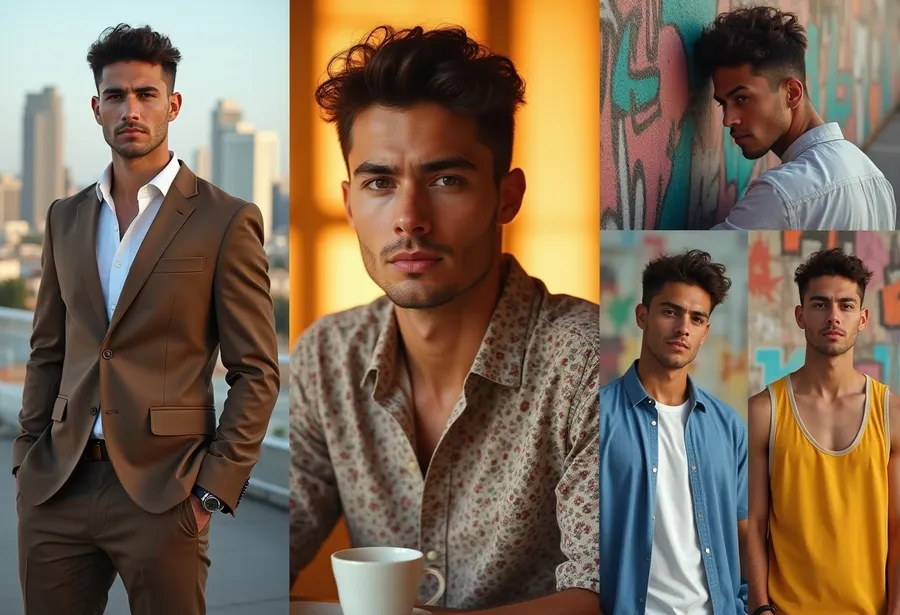
Deep Emotional Connections + Escapism
Digital icons build rich lives, share backstories, and face “challenges”. That creates emotional connections. That’s why fans root for them.
It’s like following a friend from afar. Stories feel real. They inspire without mess.
This pull also mainly ties to consumer psychology. Some people seek companionship, but with zero implications (jealousy, drama, chaos). Some want escape. Virtual stars deliver both.
Pure Aspirational Inspiration
Who doesn’t dream big? Virtual influencers show ideal paths. They “travel” worlds. They chase goals. Fans see themselves there.
This appeal of virtual influencers lifts moods. It motivates action. Follow one and feel that push.
Life-like Visual Aesthetics
Looks matter online. AI stars nail it. Flawless styles. Bold looks. Every post pops.
Perfect images draw eyes. They set trends. Fans save and share. It’s eye candy with purpose.
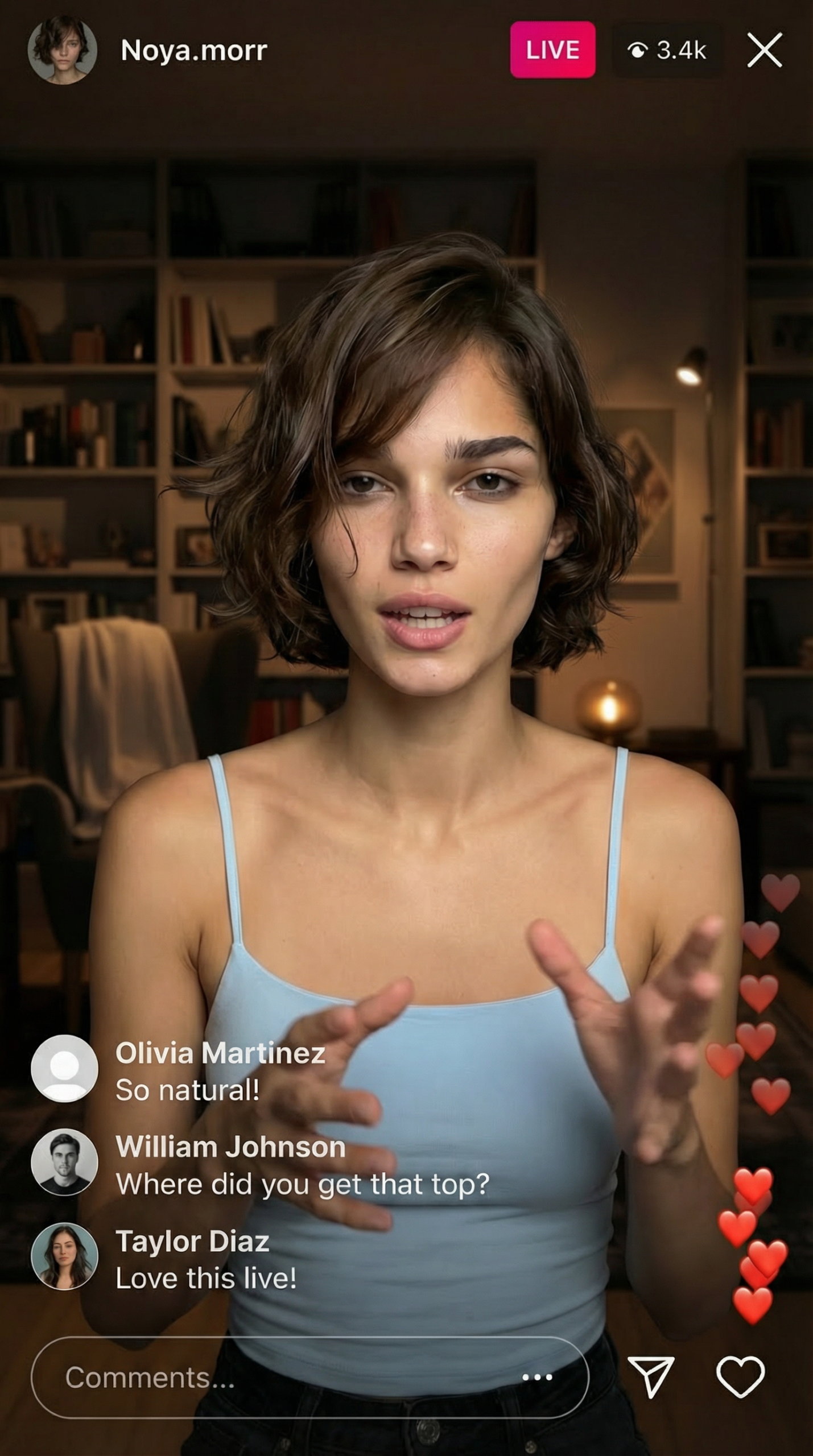
- Learn more about Noya, the next-generation AI model, who’s been created to be one of a kind.
Novelty and Tech Wow Factors Excite Gen Z Fans
Virtual stars feel fresh. They bend rules. Fly? Sure. Dance in space? Why not.
This novelty draws crowds. Younger fans love the wow. It keeps platforms buzzing.
Data support the view: 88% of American Gen Z adults follow at least one social media influencer. More than half of them have purchased a product or service promoted by an influencer. These statistics also include virtual influencers.
Moreover, the State of Virtual Influencers 2025 report, nearly 46% of Gen Z express a greater interest in brands that utilize AI-powered influencers.
Why?
Gen Z grew up digital. AI feels normal. It’s no surprise if they show interest in brands that follow social media technology trends.
It’s Gen Z marketing at its best. They value quick, fun ties. AI stars fit that world.
Why Smart Businesses Should Embrace This Rising Trend for Greater Impact
First Things First, Creative Liberation and Control
You decide your virtual character’s look, personality, background story, vibe, and message.
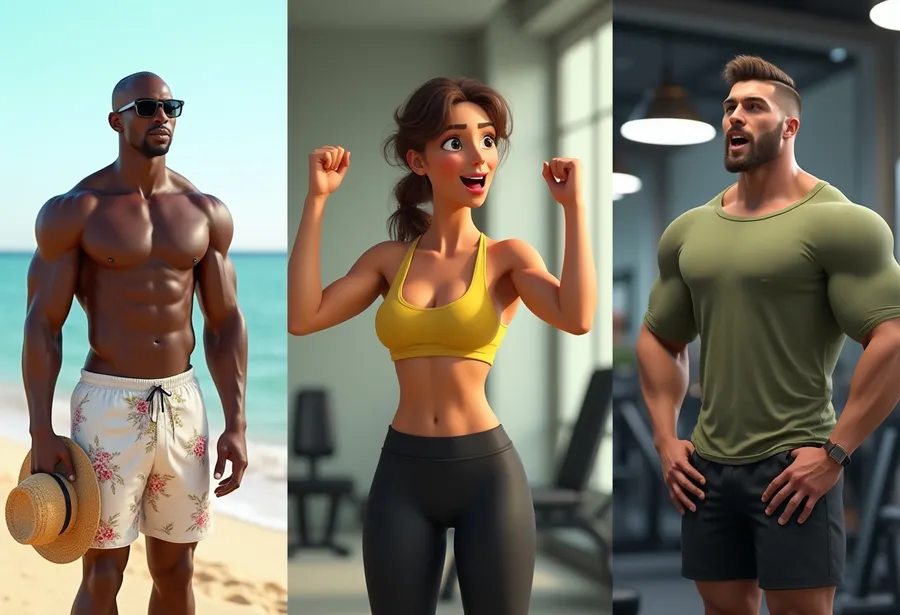
Real influencers can only be human, but virtual ones can be anything: half-human half-animal, alien, or supermodel.
They can shine in fresh settings where real people cannot touch. They don’t age; their physiques don’t change over time unless you decide so. Feel free to push creative limits and develop a perfect fit for your brand vibe!
Second Things Second, Visual Storytelling Potential
In-touch storylines are what connect brands to people, and digital stars can create immersive narratives that pull fans in and spark engagement.
Picture a Gen Z AI star like Imma Gram on TikTok, strutting through a digital Tokyo street in your latest sustainable fashion line, weaving a story about eco-conscious style in a 15-second clip. Or imagine a ‘virtual salon day’ live with a lifelike virtual influencer like Aitana for your haircare.
The same is true when you decide to create your own AI influencer.
Picture a good-looking fitness coach who’s all about empowering Gen Z to live healthier lives, a non-human math tutor, or an interactive AI retail shopping assistant; your AI influencer will share narratives that are 100% yours.
Its posts will spark thousands of likes and comments, and a flood of clicks to your website. Your virtual influencer will host live sessions on YouTube, chatting with fans in real-time. This is the storytelling power of digital stars; they bring your brand story to life.
VIs are like blank canvases; you design their look, personality, and story to fit your brand perfectly.
Third Things Third, Zero PR Risk
No scandal, no bad tweets, no real-world drama. Digitally created stars are a safe bet. They are created to stay on script, no matter what.
You may ask: If that’s true, why did a global virtual icon like Lil Miquela get backlash for seeming too “fake”? Or why was Shudu criticized for lacking diversity?”
Well, computer-generated people aren’t immune to negative perceptions, but those hiccups are often caused by a mix of communication missteps and tech limitations, rather than being the fault of the digital face. They can be identified and sidestepped.
How?
Partner with experts and turn scrolls into loyal customers. As simple as that.
Want to make your brand stand out in a fresh and exciting way? A virtual influencer could be the game-changer you’re looking for.
If you’re ready to create a digital character that connects with your audience, we’re here to help.
Get in touch today to start building a virtual influencer that truly speaks to your fans.
Learn more
Fourth Things Fourth, High Scalability despite Cost-effectiveness.
No travel costs, no physical shoots, no logistical challenges.
Once created, virtual influencers work around the clock, tirelessly and efficiently. They reach audiences anywhere, anytime, without jet lag.
Finally, Emotional Appeal
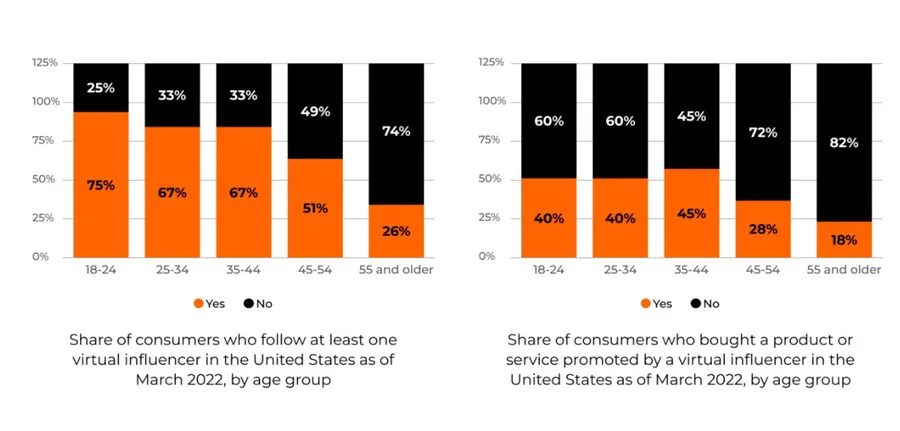
Take a look at the surprising insights published by Statista: 75% of American respondents aged 18-24 followed at least one digital Influencer. 67% of those in the 25 to 34 and 35 to 44 age groups reported engaging with virtual influencers.
Here is another 2022 survey: 27% of users followed computer-generated influencers for their content, 19% for the storytelling, and 15% because they inspire them. 35% of respondents said they have ever bought a product or service promoted by a virtual celebrity.
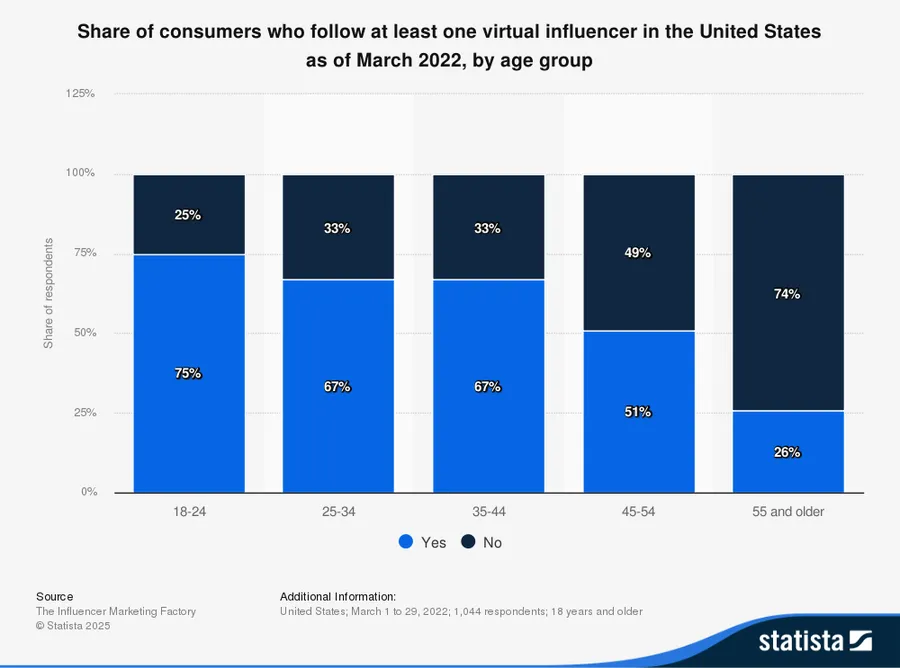
What do the insights tell us?
Digitally created characters aren’t false idols that are gradually forgotten. They can evoke strong emotional feelings and create real-life personal connections with their human audience – what is technically called “Social Proximity”.
Aitana Lopez’s case makes good proof: a Spanish AI model so convincing that a Latin-American celebrity with 5 million followers asked her out, unaware she didn’t exist.
Despite their artificial nature, there is evidence that virtually created influencers can achieve a higher engagement rate compared to human ones. For example, a benchmark report from Influencer Marketing Hub reported 2.84% compared to 1.72%.
“Uncanny Valley” Effect and Trust Barriers
No new trend is immune to negative perceptions. A face, voice, and personality feel almost human but not quite. Something feels off. Some spot AI and pause. “Is this person real or a deepfake? Can I trust what they say and show me?” they ask.
Privacy concerns make the hesitation worse. Many worry about how much data companies collect to build and train these digital personalities, and who actually controls them behind the scenes.
These doubts create real barriers. Some data on consumer behavior show people are still more likely to buy a product recommended by a human influencer than by a fully virtual one.
Why do traditional influencers feel safer and more authentic, even when everyone knows they also edit their lives and promote sponsored content?
The truth is, people like AI influencers. However, their current popularity is mostly driven by curiosity. People are fascinated by how realistic the technology has become. They enjoy watching what creators can do with it. It’s more about amazement at the tool than deep trust in the character itself.
Trust, however, can grow with familiarity.
One promising path is the rise of digital twins. This hybrid approach feels less deceptive because the audience knows there is a real person behind the digital face.
Major brands and creators are already investing heavily in this approach. According to industry forecasts, the global market for AI-generated replicas of real individuals is expected to reach USD 522.9 billion by 2033.
Overall, the uncanny valley and lack of trust are real issues today, but the world is catching on. Many of those barriers are likely to fade.
Human-like traits help. Warm stories. Clear labels. Brands that explain win hearts.
AI influencer authenticity comes from openness. Share the tech. Highlight the good. Doubts fade. Bonds form.
The Future of AI Influencers: Will They Soar or Sink?
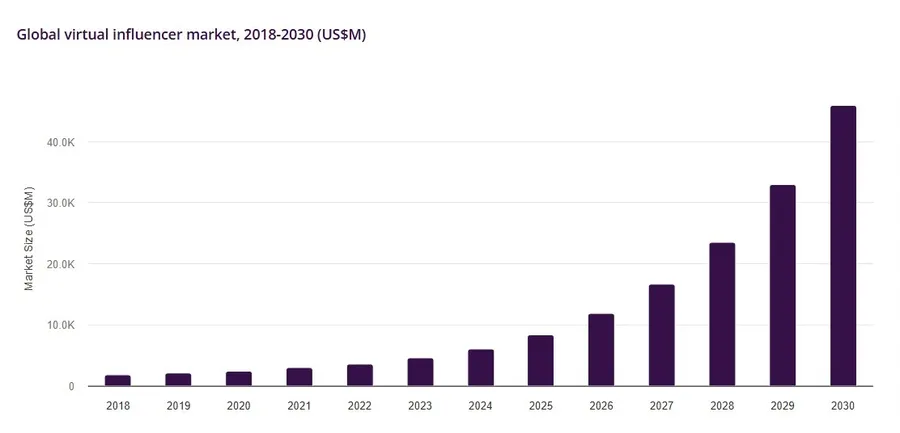
Take a look at these eye-opening insights into the global virtual influencers market: the market is expected to grow at an impressive CAGR of 40.1% each year from the current year to 2030, while the real influencer market is expected to grow at a slower pace of 17.9%.
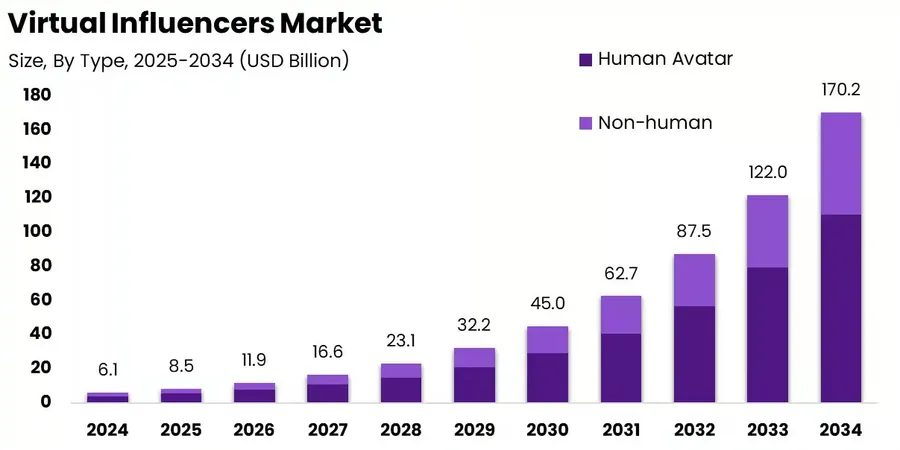
With a market size that is expected to exceed $22 billion this year and reach USD 170.2 billion by 2034, the trend is expected to evolve into something big, just like video games once did.
Early video games, like ‘Pong’, had simple graphics, straightforward gameplay mechanisms, and no real story. Players engaged with them for their entertainment value, rather than for an immersive emotional experience.
What happened next? Video gaming transformed drastically back then.
Games like ‘The Last of Us’ and ‘Call of Duty Series’ are tangible examples of the evolution of storytelling. They feature deep narratives, intricate themes, and lifelike characters that are loved by, empathized with, and understood by many.
These days, players aren’t just participating in games; they become emotionally invested in characters’ journeys.
Virtual influencers are on a similar path.
They may seem like eye-catching digital avatars at first glance, but stars like Lil Miquela have proved otherwise.
Digital Influencers Will Go Beyond Social Media
Soon, we’ll witness digital celebs chatting with fans in real-time, reacting to comments, or hosting live events on TikTok or Instagram.
Thanks to smarter AI, they’ll begin to feel super human. Followers will love them and trust them more than they love and trust human influencers.
In the Metaverse, where AR and VR mix, we expect to see more digital characters as brand ambassadors. Brands like Prada are already doing this, marking a significant turning point in their digital marketing strategies.
They will create immersive experiences that keep fans hooked. Think of a virtual celeb like Lil Miquela releasing an exclusive song track for your brand that is played and replayed by fans in real-time. Such engaging moments are sure to foster loyalty, particularly among younger generations.
- Read more about the future of virtual influencers.
Now that you know this, what is stopping you from creating a digital face for your brand?
In Sum, Today’s Small Steps will Cause Tomorrow’s Big Influence
Virtual influencers are dominating social media, and the future promises even more. Just remember that the phenomenon isn’t just about integrating sophisticated technology; you need authentic stories to rival human influencers’ emotional pull.
So start outlining those stories now. Make them raw, relatable, and unapologetically human at their core. Feed your virtual star the kind of messy truth that makes followers laugh, cry, and double-tap without thinking.
You need to do that consistently, and the algorithm won’t just notice; it will hand you the spotlight while real-life influencers are still struggling to find the right angle. The throne isn’t waiting for perfection; it’s waiting for whoever feels real first.
Not sure where to start? Here’s a quick plan:
Step One: Decide what you want. To build awareness, boost engagement, or drive sales?
Step Two: Pick the right platforms to share your content.
Step Three: Contact us, and we will guide you every step of the way, from initial concept to launching social media campaigns.
Visit Dream Farm Agency’s website to learn more about our end-to-end virtual influencer creation service.
Leila