Virtual Character

A virtual character can look convincing and still have no reason to exist. The character needs a role, an operating logic, and a clear reason for the organization to keep investing.
Dream Farm virtual character agency begins with the job the character needs to perform, then determines the right identity, format, intelligence, and deployment model around it.
Not because every brand needs one, but because the right character can create a controlled, reusable presence where fragmented assets and temporary talent cannot.
As part of Dream Farm’s broader Character-Driven Marketing Solutions, Virtual Characters come in different types, each built for a specific business role.
A social-first digital personality with a distinct identity, perspective, and content strategy. Designed for ongoing storytelling, campaigns, partnerships, and community growth.
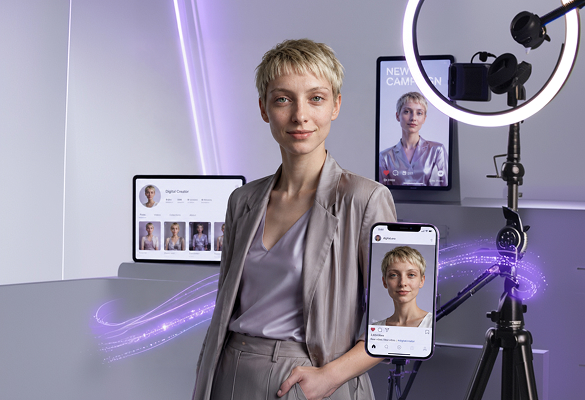
A reusable digital model for fashion, beauty, retail, and ecommerce. Create campaigns, localized content, and product visuals with consistency and creative flexibility.

A recognizable digital representative with a defined personality, voice, and expertise. Built to support marketing, customer engagement, commerce, and digital experiences.
From AI companions and product experts to digital hosts, educators, and fictional personalities, we develop custom characters around your business goals.

The same character can educate, entertain, assist, or represent your brand across different channels while maintaining one consistent identity.
We choose the right level of intelligence based on the virtual character’s role, balancing automation with brand control.
A reusable character system creates visuals, video, copy, localization, and interactive experiences across markets, formats, and channels.
A dedicated intelligence layer keeps the character aligned with approved brand knowledge, tone, communication rules, safety boundaries, and escalation protocols.
The virtual character can operate through pre-created content, fixed interaction flows, guided experiences, and real-time conversation, depending on the need.
Human experts remain involved in strategy, creative direction, knowledge management, review, approval, refinement, and ongoing operational oversight.
Where appropriate, the character can interpret requests and complete defined tasks through approved workflows, permissions, logging, and human escalation.
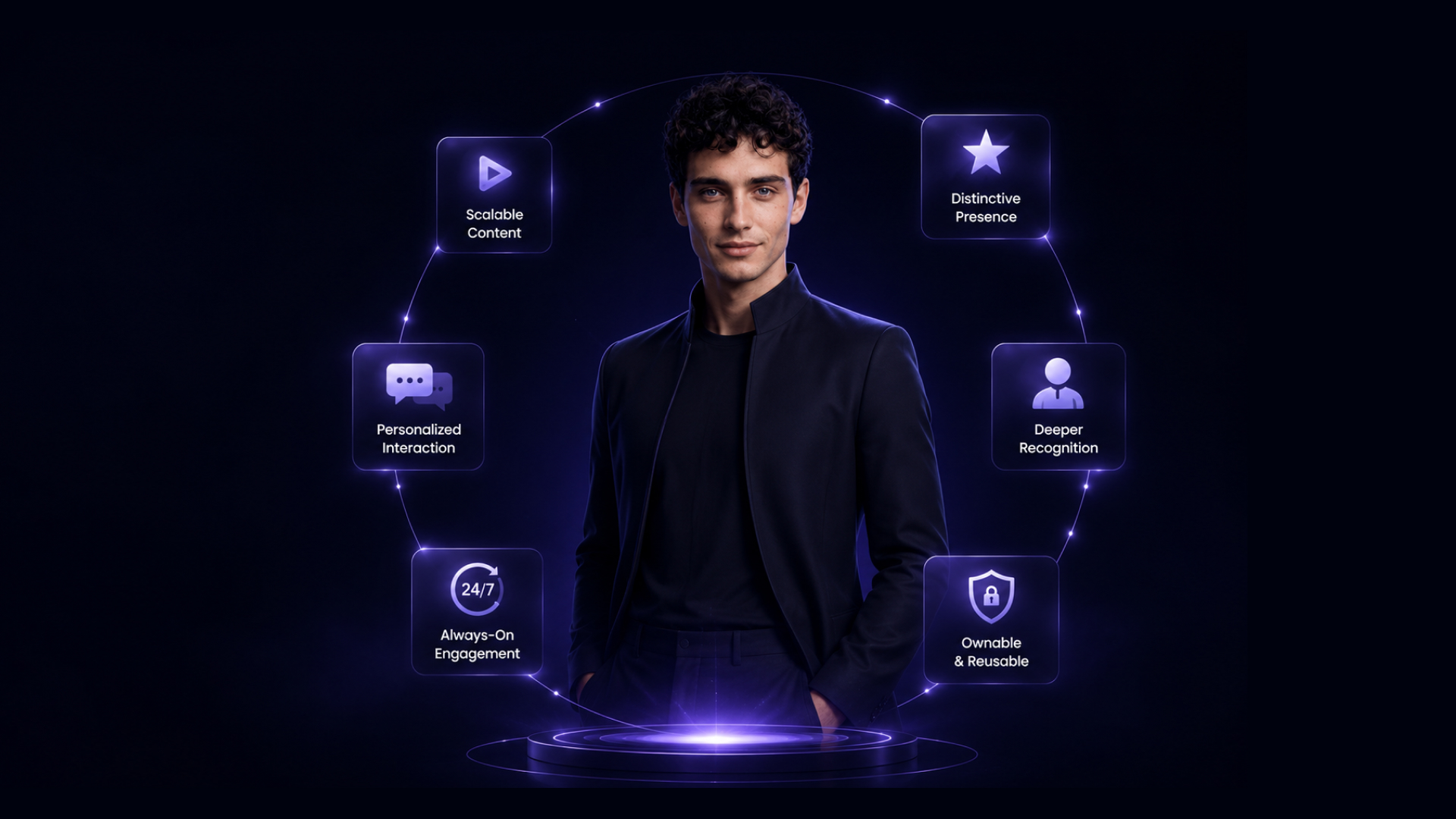
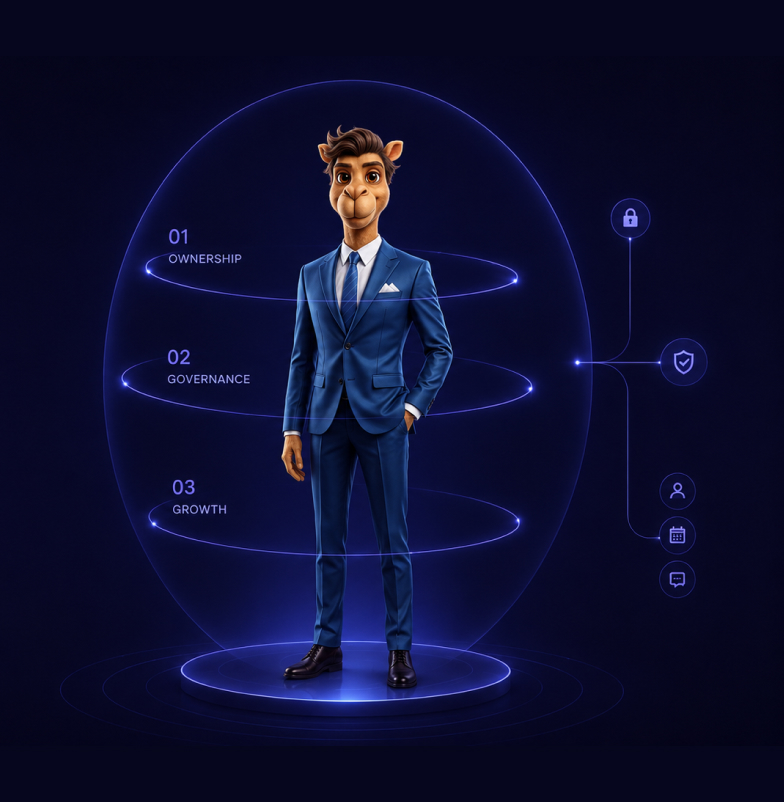
A virtual character may appear in a campaign today and an app, event, or customer interaction tomorrow. Clear ownership and usage rules keep the character consistent as its role expands.
Ownership is defined from the start, covering the character, source assets, generated content, licensing, and future use.
Clear rules keep appearance, personality, behavior, tone of voice, and AI interactions consistent.
Review, disclosure, permissions, and escalation rules support the AI character’s growth while protecting brand consistency, trust, and reputation.
 Character Strategy Before Technology
The right role, direction, and format are defined before execution begins.
 More Than an Avatar
Complete character systems with personality, story, voice, behavior, and visual rules that become valuable brand assets.
 Creativity Meets Technology
Character design, storytelling, AI, production, and management work together through one integrated process.
 The Right Character for the Right Need
From virtual influencers and ambassadors to digital models and AI agents, characters are shaped around business goals.
The right approach depends on the role the character needs to play. A social personality, virtual fashion model, brand ambassador, customer guide, or AI agent each requires a different strategy, identity, capabilities, governance model, and success metrics. Effective virtual character development always starts with the business objective.
No. Many virtual characters for brands perform effectively through planned content, animation, or scripted experiences. Generative AI should only be introduced when it adds meaningful value through personalization, interaction, automation, or scale.
Not necessarily. Virtual character creation can build on an existing brand identity. If gaps affect the character's role, personality, voice, or visual consistency, they can be addressed during the development process.
Your internal team brings valuable brand knowledge and decision-making. An AI virtual character agency adds specialist expertise in character strategy, creative direction, production, AI, and governance while supporting, not replacing, internal ownership.
An avatar platform can generate an appearance. Creating a brand-owned virtual character involves much more, including strategy, personality, behavior, storytelling, knowledge, governance, rights, and a long-term operating model.
No. Appearance is only one part of virtual character creation. Successful custom virtual characters also require a defined role, personality, voice, behavior, knowledge, production workflow, governance, and deployment strategy.
The value depends on the character's role within the business. Virtual characters for brands can improve recognition, strengthen brand consistency, increase content production, simplify localization, enhance customer experiences, and support long-term marketing efficiency. Success metrics should be defined before development begins.
Alignment comes first. Before any creative work begins, key stakeholders agree on the business objective, character role, risks, boundaries, and decision criteria to create a smoother virtual character development process.
Ownership of the brand-owned virtual character, source assets, generated content, licensing, adaptations, and usage rights is defined in the project agreement based on the agreed scope and technical implementation.
Yes. Many custom virtual characters begin with a focused pilot or single use case, allowing the character's role, identity, governance, and performance to be validated before expanding into broader deployment.
Let’s Talk