
Leila D.Content Marketer and StorytellerPart marketer, part storyteller, with a keen eye for what others miss. Leila D. distills complexity into creative ideas people feel, remember, and act on. For the past three years, her works have navigated new territories in character-driven marketing communications, brand storytelling with modern mascots, and AI-powered virtual influencers.
Key Takeaways
- Brand dilution often begins when new products, campaigns, partnerships, or channels introduce disconnected visual and verbal expressions without a shared identity system. It weakens a brand when growth spreads its identity too widely and causes consumer confusion.
- Brand mascots help avoid brand dilution. They provide visual and emotional continuity across categories, helping customers connect unfamiliar offerings with established brand associations and values. They act as anchors by offering a single recognizable character that stays constant amid product changes.
- Emotional continuity of brand mascots helps avoid brand dilution by letting customers carry their positive associations from the mascot to every new product launch.
- Hello Kitty, Richard Branson, and the Michelin Man demonstrate broad brand extension success when their mascots unify diverse categories under a consistent personality.
Brand dilution happens when growth pulls a brand in too many directions at once. That sometimes leads to a brand being less distinctive, recognizable, or coherent across products, campaigns, and customer experiences.
The risk rarely comes from one major mistake. It builds as new markets, partnerships, products, and communication channels introduce different visual and verbal cues.
A brand-aligned mascot can help maintain that connection by providing a recognizable character, personality, and visual reference across changing brand experiences.
This article examines what causes brand dilution, which parts of brand equity it can weaken, and how a well-aligned brand mascot can provide continuity as a business expands.
Read on to see how that system can help protect brand identity while supporting growth.
What Is Brand Dilution?
Brand dilution occurs when a brand loses some of its distinctiveness, recognition, or meaning because its identity becomes inconsistent across different touchpoints.
It often happens gradually as businesses introduce new campaigns, products, markets, partnerships, and communication channels. When each brings a different visual style, tone, or message, the brand can become harder to recognize and distinguish.
Picture this. You pour resources into a fresh product line. The launch feels electric. Then feedback rolls in. Customers seem puzzled: “Is this still the same brand?” Sales lag in unexpected ways.
Your once-sharp identity starts to blur.
The issue is not variety itself. Strong brands can evolve while maintaining a clear identity. The risk appears when new expressions stop reinforcing the qualities that customers associate with the brand.
How Dilution Weakens a Brand
Brand dilution can affect how easily customers recognize, remember, and distinguish a brand.
When its identity becomes inconsistent, individual campaigns may still perform well, but the cumulative brand experience can become harder to connect. Customers may remember the message without associating it strongly with the brand behind it.
Brand dilution damages specific parts of brand equity, not simply “consistency”. When customers encounter conflicting expressions of a brand, several valuable brand assets can weaken:
- Brand recognition: Customers may find it harder to identify the brand quickly when its visual and verbal cues keep changing.
- Brand recall: Inconsistent identities make it harder for customers to retrieve the brand from memory when considering a product or service.
- Brand differentiation: When distinctive character, tone, or visual cues disappear, the brand can become less distinguishable from competitors.
- Brand associations: Repeated changes can weaken the connection between the brand and the qualities it wants to own, such as reliability, playfulness, expertise, or innovation.
- Brand trust: Inconsistent experiences can create a perception that the brand lacks a clear identity or direction.
- Brand loyalty: When the distinctive elements that customers recognize and connect with disappear, the emotional and habitual ties supporting repeat engagement can weaken.
Where Brand Dilution Begins: Key Indicators
Brand dilution often starts when growth introduces too many disconnected expressions of the same brand. New campaigns, product lines, partnerships, social channels, and market segments can each introduce their own visual style, tone, or messaging.
How to know whether a brand is diluting? There are some crucial signs to watch for:
- When Recognition starts to weaken.
- When brand meaning becomes unclear.
- When every touchpoint feels different.
- When new extensions feel unrelated.
- When internal teams interpret the brand differently.
- When customers remember the message but not the brand.
Individually, these changes may seem harmless. Together, they can weaken the distinctive qualities that make the brand recognizable.
The problem is not variety itself.
A growing brand needs flexibility.
The problem begins when that flexibility has no clear identity system behind it.
If teams make creative decisions independently, the brand can gradually lose a consistent personality.
Mascots: The Anti-Dilution Vaccine
When facing brand dilution, some businesses opt for a new logo or tagline, but this usually doesn’t solve the problem. What they need is something deeper. Something that travels with every product, every market, and every customer touchpoint. That something is a brand mascot.
A thoughtfully built mascot becomes your brand’s identity anchor.
It helps counter the issue by providing a recognizable visual and behavioral reference across different contexts.
Logos fade into backgrounds. Names alone can feel distant.
But a mascot with strong personality?
It holds firm while you expand. It connects on sight. It carries personality, story, and trust across any category.
Hello Kitty proves the point. The character appears on everything from kitchen appliances to jet planes to themed medical spaces. Yet the brand never loses focus.
Why?
The character is the identity. Not the products.
How Brand Mascots Protect Your Brand Identity
Think of a brand mascot as preventive medicine for your brand. It secures your business against the common causes of dilution by working on three levels that matter most for growth.
Visual Power Comes First
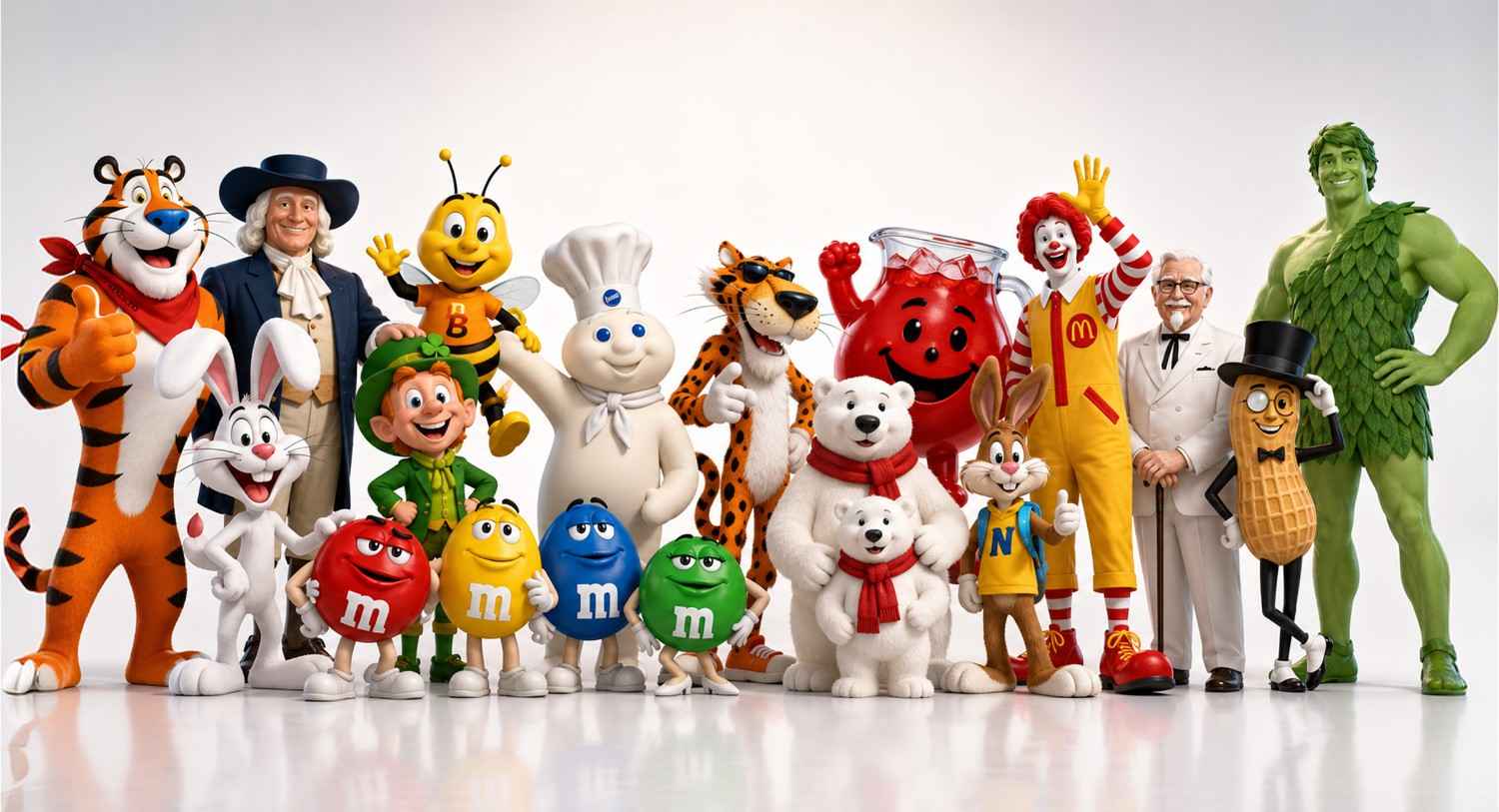
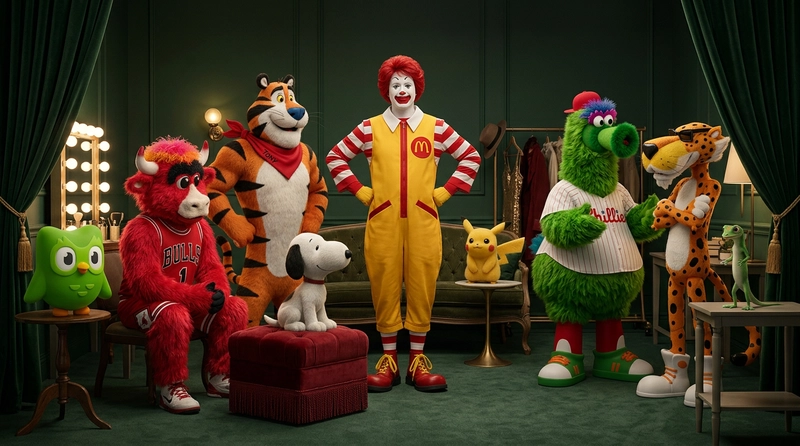
A logo can shrink or hide on busy packaging. A character stands tall. It draws the eye. It works at any size. Chester Cheetah on a snack bag grabs attention even in a crowded store. Your company mascot does the same across every new category you enter.
Emotional Continuity Follows
Customers may not know your latest product yet. But they already know and like your character. That familiarity transfers. Trust moves with it. The character becomes a friend who introduces new offerings. People feel safer trying them.
Cross-category Bridging Seals the Deal
This is where characters shine brightest. They let you sell almost anything. The brand mascot creates the link that logic alone cannot.
Tires and fine dining? The Michelin Man makes it work. Music, airlines, banking, and even space travel?
Richard Branson‘s adventurous persona ties Virgin together.
Let’s not forget Hello Kitty, who turns unrelated items into a coherent world.
Such benefits compound in your marketing strategy. Campaigns become easier to scale when using a brand mascot. One character voice works everywhere. Advertising costs drop because recognition is instant. Customer acquisition improves because the brand feels approachable and consistent.
For business growth, the payoff is clear. You enter new markets faster. You command premium repositioning longer. You build communities that follow the character, not just the product line.
Examples of Brands That Avoided Dilution through Mascots
Here are three real-world examples that show what happens when you get this right.
Hello Kitty: The Ultimate Cross-category Master
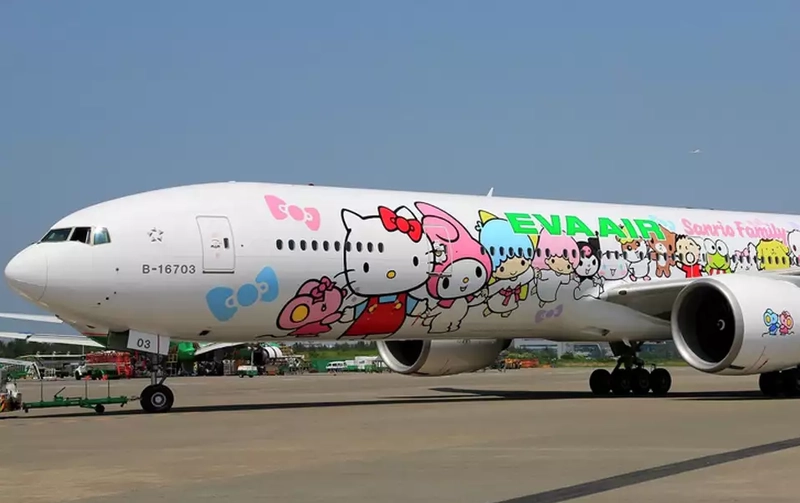
Hello Kitty has appeared on more than 50,000 products. Toasters. Airplanes. Fashion. Even hospital collaborations. Retail sales from Hello Kitty licensing reached $3.8 billion in one recent year alone.
How does it avoid dilution?
The character is the brand. Her simple, adaptable design (big head, small body, no mouth) lets people project their own feelings.
Yet the visual stays instantly recognizable. Every product feels like part of the same friendly world. Sanrio focuses licensing on partners who protect quality and align with the character’s gentle spirit. The result is massive scale without loss of identity.
Michelin Man (Bibendum): From Rubber to Restaurants
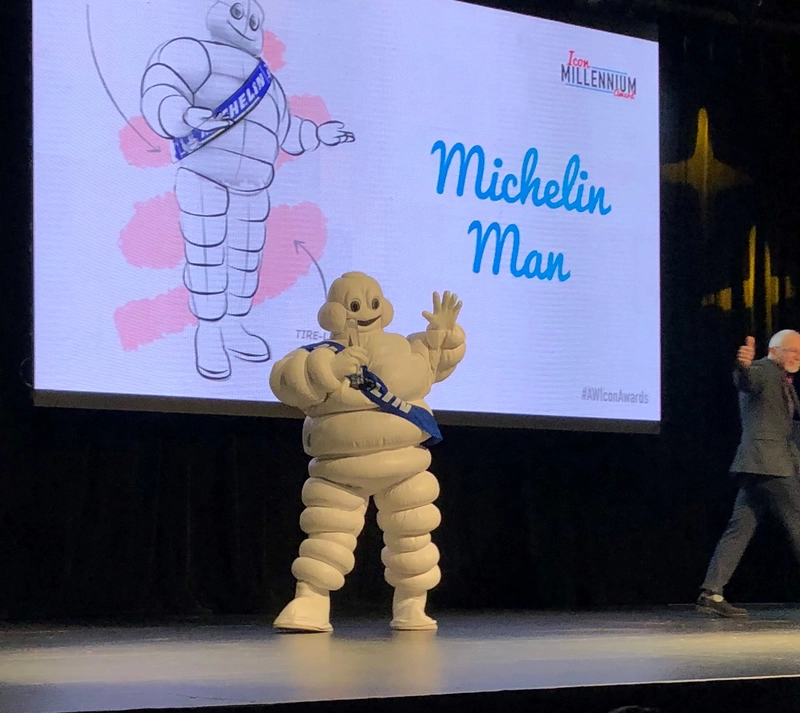
Bibendum started as a tire stack mascot in 1898. Today, he represents tires and the world-famous Michelin Guide. The same character rates fine dining. The Bib Gourmand awards honor great value meals. A London restaurant even carries his name and earns Michelin stars.
Without the character, tires and restaurant reviews would feel unrelated. With him, they form a natural travel ecosystem. Drivers trust the brand for safety on the road and great experiences at the destination. The mascot bridges the gap so smoothly that customers rarely question it.
Richard Branson: Virgin’s Living Mascot
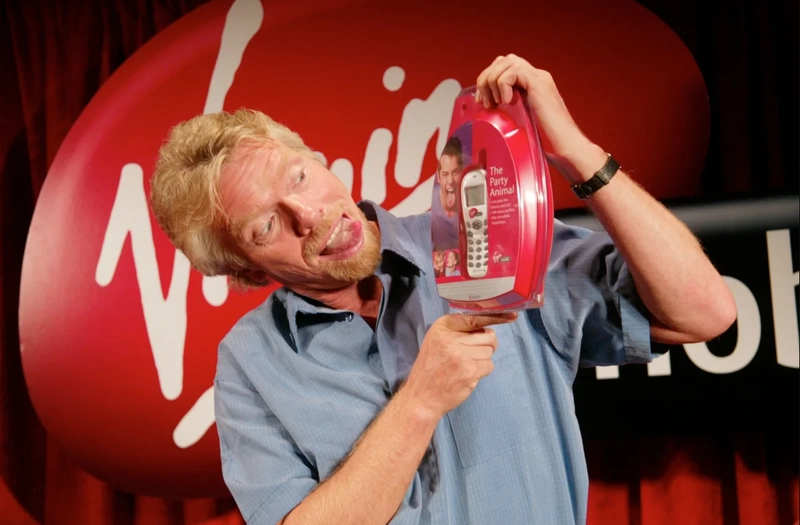
Branson didn’t create a cartoon. He became the character himself. His bold, fun, customer-first style defines every Virgin business. Records. Airlines. Trains. Banking. Cola. Even a space company.
The personality stays constant. Customers know what to expect: irreverence, quality, and a bit of adventure. This human mascot lets Virgin enter wildly different industries. The brand never feels scattered because the guiding spirit never changes.
Reflect on these examples; you’ll see they share a pattern:
The character leads.
Products follow.
Growth happens without the usual identity cost.
The Mascot-as-a-system Path Lets You Grow Boldly
Brand dilution rarely happens in one dramatic move. It happens through accumulation.
A new campaign introduces a different tone.
A product update changes the visual language.
Social content adopts another personality.
Over time, customers may still recognize the logo, but the brand begins to feel less like one connected idea.
A brand-aligned mascot can help prevent that drift by giving the identity a consistent presence across touchpoints.
The value is not the mascot alone.
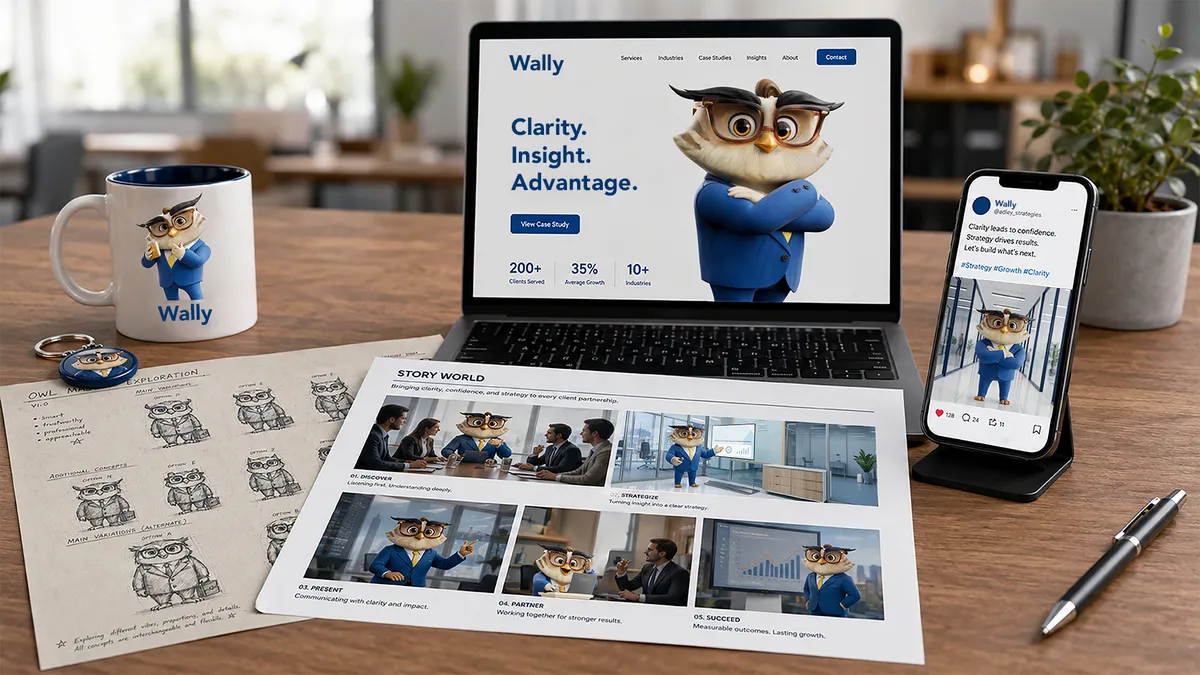
It is a systematic, character-driven marketing approach behind the character: a defined personality, visual logic, behavior, voice, and set of rules that guide how the character appears and acts across the customer journey.
That makes the mascot more than a promotional asset. It becomes an identity anchor.
Is Your Brand Extension Safe? Here Is a Quick Checklist
Run your next growth idea through these questions:
- Does a single visual element (your mascot) appear prominently on every product and in every communication?
- Would a customer recognize the brand instantly from the character alone, even in a new category?
- Does the character’s personality guide the tone, messaging, and experience across all offerings?
- Can the mascot bridge the new product to your original values in a way that feels natural?
- Have you tested whether the character increases trust and purchase intent for the expansion?
Answer “Yes” to most, and your move is probably safe. Mixed answers signal a need to strengthen the anchor first.
Where to Start?
The first step to anti-dilution mascot development is to treat character development as a strategic brand decision.
Start by identifying what must remain consistent as the business grows. Then translate those qualities into a character system that can operate across campaigns, products, content, events, and customer interactions without losing its core identity.
This is where a character-driven strategy can create long-term value.
Instead of asking where a mascot can appear, ask what role it can play in keeping the brand recognizable as the business changes.
A capable brand mascot agency should therefore be evaluated not only on the character it creates, but on whether it can establish the thinking, guidelines, and applications that allow that character to support the brand over time.
The goal is not to make every brand interaction look the same. It is to make every interaction feel like it belongs to the same brand.
When growth brings new audiences, channels, products, and messages, a well-aligned mascot can provide the continuity that holds them together.