
Key Takeaways
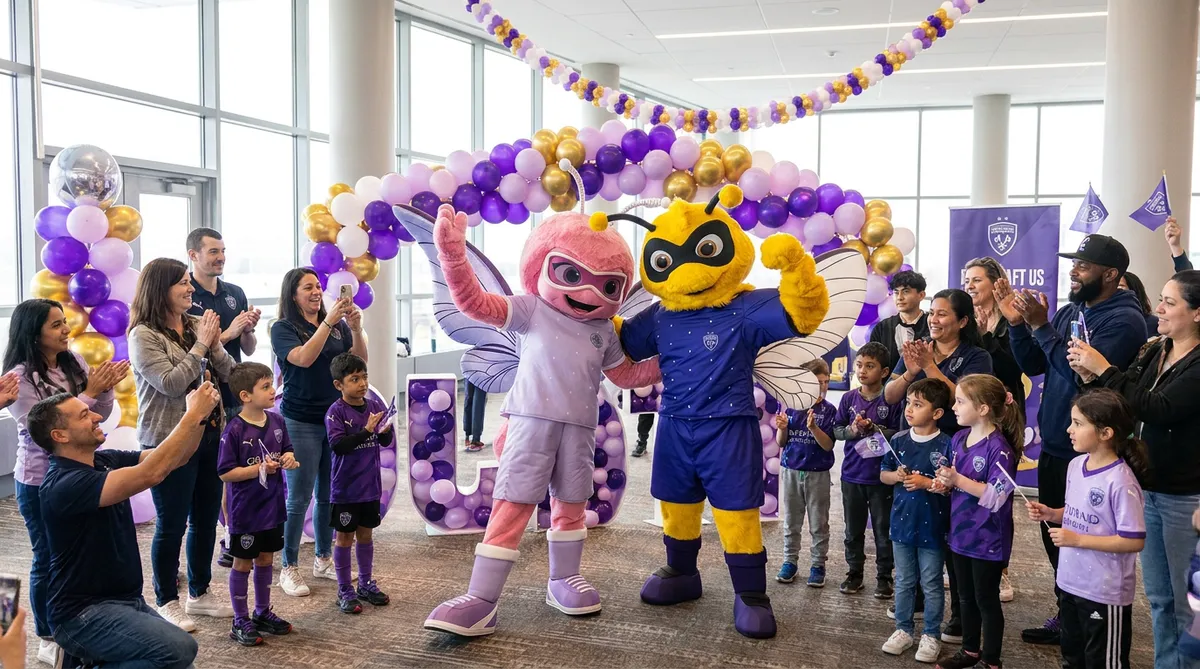
- Brand mascot psychology is based on anthropomorphism, the tendency to assign human traits and intentions to non-human characters.
- Anthropomorphism shifts evaluation from functional analysis to social judgment. Once a mascot is perceived as a social entity, audiences instinctively assess personality and credibility.
- Mascots strengthen recall by combining visual distinctiveness and emotional cues. Narrative continuity reinforces that effect.
- Clear alignment between the character and the brand’s positioning is more important than visual appeal for brand trust. Behavioral reliability and consistency are equally critical.
- A well-designed mascot brings familiarity, which becomes a competitive advantage when the consumer is under cognitive load or time pressure.
Brand mascot psychology explains why mascots influence how people perceive, remember, and trust brands. Instead of processing a mascot as a visual symbol, consumers often respond to it as a social character with a personality.
This happens because mascots leverage several psychological mechanisms:
- Anthropomorphism: People naturally assign human traits and intentions to non-human characters.
- Parasocial relationships: Consumers can develop one-sided emotional connections with mascots over time.
- Affect transfer: Positive feelings toward a mascot often transfer to the brand itself.
- Memory encoding: Characters are easier to remember than logos because they combine visual, emotional, and narrative cues.
Understanding these principles helps brands create mascots that strengthen recognition, build trust, and influence purchase decisions. This guide explores the psychological foundations behind successful brand mascots and how businesses can apply them strategically.
This blog explores the key dimensions of brand mascot psychology. It examines the underlying factors that determine a character’s success. By integrating psychological principles into visual design, the mascot is highly likely to serve the brand effectively and drive meaningful results.
What Is the Psychology of Brand Mascots?
Emotional and cognitive biases form the foundation of brand mascot psychology. Giving a brand a human-like face makes it more relatable. As a result, people connect with it more easily and remember it better.
This approach increases brand awareness and purchase intention.
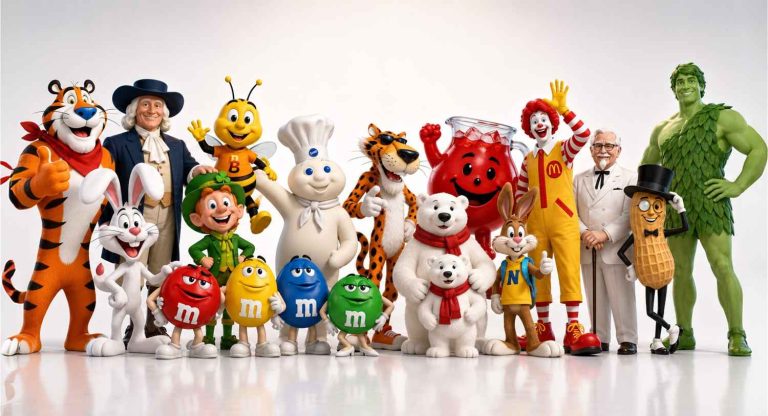
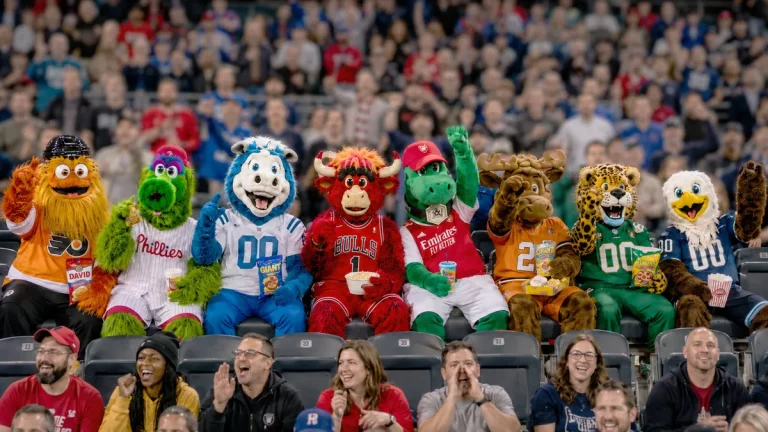
People see brand mascots as social entities and not just business visual assets. This means they interpret them as characters with personality, rather than decoding them as symbols. They differ from logos and slogans, as they’re not solely reliant on symbolic recognition and semantic recall. These dynamic characters can:
- Adapt to different campaigns
- Convey emotion
- Sustain long-term narrative continuity
Understanding the psychology of brand mascots helps businesses design characters that fit their strategy. Mascots must be able to relate to target audiences, rather than functioning as abstract visual marks.
But why does anthropomorphism matter so much in mascot psychology?
Anthropomorphism in Marketing: Why Human Traits Change Perception
Human brains tend to detect faces and social intent, even in non-human entities. As a result, embedding human traits into mascots allows consumers to interpret them socially rather than symbolically.
Human Brain Humanizes Non-Human Objects
Consumers are inclined to assume intention behind every movement and goal-directed behavior. By incorporating human traits into a brand mascot, businesses make the character feel more human, which increases emotional engagement.
All facial clues, including eyes and expressions, can trigger attention. This is why mascots capture attention faster than static logos.
When consumers recognize a character as having intent and a face, their brains automatically interpret it as a real individual. This is where trait evaluation begins. Specifically, people assess the friendliness and reliability of the brand mascot. Shifting from functional evaluation to social assessment creates a more lasting emotional bond.
The Concept of Warmth vs Competence Perception
According to the warmth–competence framework in social psychology on APA PsycNet, people try to find an answer to these two questions when meeting a new person:
- Are they friendly?
- Are they capable?
Consumers also react similarly when they encounter an unfamiliar brand mascot. Designers can address these uncertainties by understanding the psychology of brand mascots. For example, round shapes and soft colors signal warmth, while sharp lines and structured design symbolize competence.
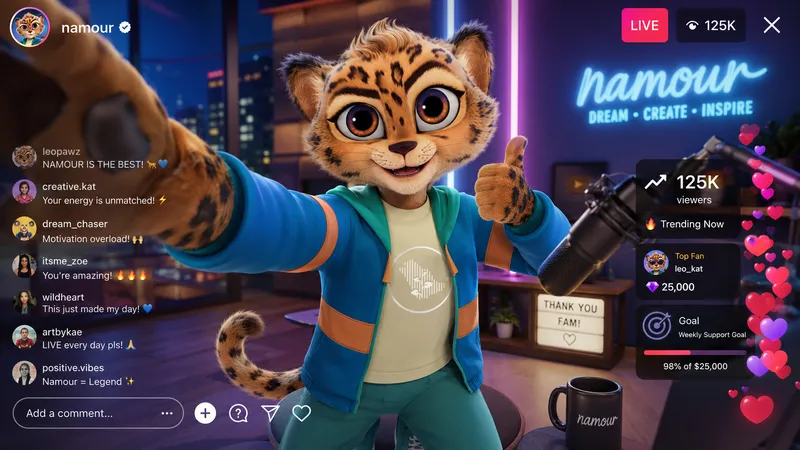
Trust and authority can be addressed in the design process, too. A playful appearance can increase likability, but may reduce perceived authority if overdone. The balance between warmth and competence determines long-term effectiveness.
Still, Over-Humanization Backfires
Ignoring mascot psychology can trigger the uncanny valley. Characters that look too human but act robotic can cause discomfort. This disrupts cognitive expectations. Instead of empathy and emotional connection, people feel unease.
Read more: “AI Influencers and Uncanny Valley Effect: Why Some Creep People Out (And Others Don’t.)”
Over-humanization is also risky. When a mascot’s personality doesn’t align with brand positioning, it creates strategic friction.
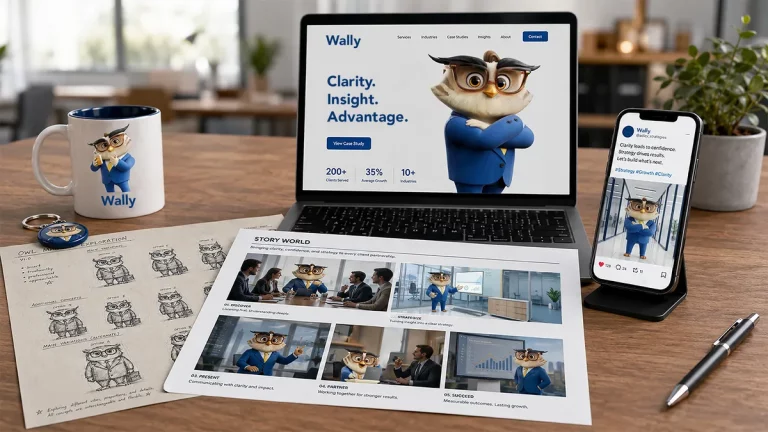
For instance, a joyful character can’t represent a serious cybersecurity firm. The same applies to a rigid mascot for a toy brand. If warmth overwhelms competence in the wrong category, or vice versa, the mascot dilutes trust rather than strengthening it.
Parasocial Relationships and One-Sided Bonds That Feel Real
This theory explains why audiences feel attached to celebrities and influencers. The same mechanism applies to brand mascots. The bond is one-sided, yet emotionally authentic from the consumer’s perspective.
Brands use mascots to trigger this effect. The character’s constant exposure across different platforms leads people to treat it like a familiar person. This growing familiarity reduces skepticism over time and increases emotional comfort.
The formed familiarity is what separates mascots from logos and slogans. The former can simulate presence, while the latter only signals identity. The table below shows the key differences between these two types of brand assets:
| Dimension | Traditional Branding (Logo or Slogan) | Mascot-Based Branding |
| Type of Processing | Symbolic recognition | Social processing |
| Emotional Engagement | Limited, abstract | Personal, character-driven |
| Memory Encoding | Visual recall | Narrative + relational memory |
| Trust Formation | Reputation-based | Familiarity + perceived personality |
| Loyalty Driver | Functional satisfaction | Relationship continuity |
Mascots create the illusion of relational continuity. Audiences feel they know the character for a long time, and the perceived familiarity transfers to the brand itself.
When positioned strategically, mascots create an emotional advantage that goes beyond product features. Feeling attached to a character makes it hard for people to accept rivals’ offerings. It feels like betraying a familiar presence, rather than simply replacing a product or service.
This bond depends on consistency. Shifting mascot tone or values without the right strategy can break the relationship. This is why a consistent character-driven marketing strategy matters across content, campaigns, and customer touchpoints.
Understanding mascot psychology is essential for effective emotional branding.
How Mascots Transfer Feelings to Brands
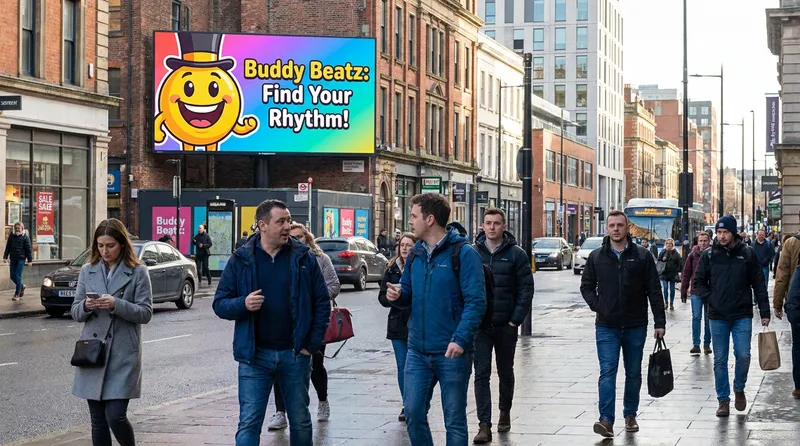
Positive affect, like warmth or humor, directly links the mascot to the product or company. This forms an emotional bond that ties the character to the brand.
Mascots’ role goes beyond capturing attention. In fact, they must act as emotional carriers. Although consumers may not be aware, their emotions toward a mascot can influence their evaluation of the company behind it. The affect transfer theory, which we’ll discuss below, further explains this.
Over time, people stop assessing a brand based on its functional attributes. Instead, they unconsciously pick up on the vibe they get from the brand mascot. If the character is joyful, then they perceive the business as energetic.
Mood congruence strengthens persuasion. For example, using a cheerful mascot in a travel ad makes more sense than leveraging a serious-looking brand character.
In practice:
- The influence increases when the mascot’s emotional tone aligns with the audience’s mood or desired identity.
- Using comforting characters helps reduce stress in high-tension sectors, such as insurance.
- Energetic mascots perform well in entertainment and for youth-focused brands.
- Emotional alignment accelerates positive brand evaluation.
Emotional bonding is powerful, but fragile when expectations are not met. We discussed this issue earlier and stressed that misalignment between the character’s attributes and the company’s field of work can lead to failure.
The mascot’s emotional signals should reinforce the brand’s strategic positioning. This is how you can ensure proper emotional transfer and formation of long-term, positive brand perception.
A strong mascot improves recall and strengthens both revenue and brand value.
How Characters Improve Brand Recall and Recognition
The brain encodes characters via multiple pathways simultaneously:
- Visual
- Emotional
- Narrative
This aspect of brand mascot psychology explains how mascots improve memory. By activating recognition systems and emotional processing, they also enhance brand recall.
Unique shape and behavioral traits are critical for strengthening brand recall and recognition. Distinctiveness is a key driver of memory encoding. Salience helps the mascot differentiate the brand from competitors selling similar products.
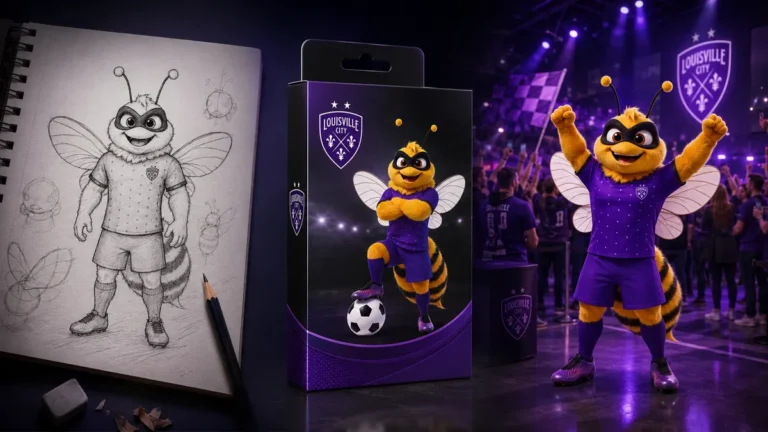
Displaying a mascot alongside a logo or packaging consistently helps the audience associate the character with the brand. Over time, this consistency can turn the character into a distinctive brand asset strongly associated with the brand. In other words, the mascot will be tied to the brand identity. This means seeing the mascot instantly triggers brand recall. The more competitive a market, the more important memory retrieval becomes.
This is a significant advantage, especially in cluttered environments. Under heavy cognitive load, the brain prefers to trust familiar patterns rather than detailed analysis. A recognizable character cuts through the noise and comforts the buyer.
Faster recognition increases the likelihood of being chosen. So, mascots can improve memory by strengthening salience and anchoring associations.
Mascots also influence brand trust, and in the next part, we’ll discuss this.
How Brand Mascots Build Trust and Credibility
The consistent, human-like presence that mascots add increases trust and credibility. The result is greater reliability and reduced psychological distance.
Several elements reinforce this effect:
- Consistency: By maintaining the same tone and visual identity across campaigns, mascots signal stability and reduce uncertainty. When audiences know what to expect, cognitive resistance decreases.
- Behavioral reliability: When a mascot consistently reacts in line with brand principles, it reinforces credibility.
- Long-term exposure: This lowers perceived risk and increases purchase confidence.
- Brand-character alignment: The alignment between the mascot’s personality and the brand’s values is vital to success. Mismatches can damage perceptions of the business. For example, an overly playful mascot may undermine a serious brand in a highly regulated industry.
- Reputation spillover: Brands benefit from positive feelings toward the mascot. On the other hand, poorly executed characters can damage overall brand perception.
The psychology of brand mascots affects how a business can capture its target audience’s attention.
We discuss this impact in two separate parts to better understand how brand mascot psychology affects attention capture.
Cognitive Fluency and Processing Ease
The human brain processes characters more easily than abstract branding elements. Decoding faces and body language comes quickly and requires minimal effort. This translates into less mental load during brand exposure.
As a result of more fluent processing, consumers experience a subtle positive bias toward the character.
Reduced mental effort often leads to faster comprehension. The brain doesn’t need to decode complex symbols. Instead, characters are instantly recognized as agents with intentions.
Reducing brain workload accelerates understanding and keeps people’s attention longer.
Heuristics and Character Anchoring
Mascots can prevent consumers from conducting a detailed analysis. They replace product assessment with a sense of familiarity, leading to a higher conversion rate. The reason is that people rely on recognition heuristics.
This mental shortcut, combined with character anchoring, is especially powerful in time-constrained decisions.
A well-designed character, grounded in mascot psychology, encapsulates brand personality in a single, memorable entity. Character anchoring works as follows: Instead of remembering various abstract traits, people anchor the brand to a recognizable figure. This leads to faster and more intuitive decision-making.
All in All, Brand Mascots Require Strategic Psychological Design
Beyond aesthetics, successful brand mascot development requires a clear strategy and the accurate application of psychological principles in character design. Instead of wasting resources, it’s best to ask for expert help.
Our skilled team at Dream Farm Agency has created mascots for brands across multiple industries and can design one tailored to your brand. Contact us to discuss your project today.
FAQ
Do brand mascots work in B2B industries?
Yes. In B2B sectors like cybersecurity or SaaS, a strategically designed mascot can humanize complex services. Mascots can also reduce psychological distance, as long as competence cues remain strong.
How long does it take for a mascot to build recognition?
Brand recall develops through consistent exposure across campaigns and platforms. Narrative continuity and visual distinctiveness accelerate memory encoding.
Can a mascot damage brand credibility?
Yes. Poor brand–character alignment or inconsistent behavioral traits can weaken brand trust and credibility.
Are AI mascots psychologically different from traditional mascots?
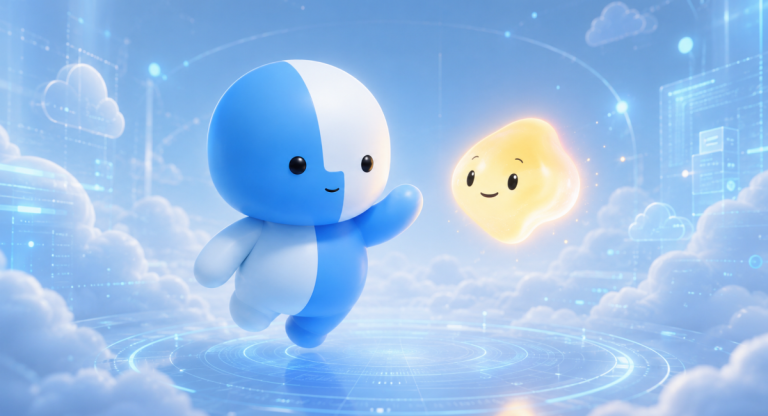
The core psychological mechanisms, such as anthropomorphism and affect transfer, remain the same. However, AI-driven interactivity can intensify parasocial relationships.
What makes a brand mascot psychologically effective?
An effective mascot leverages human traits in design, while maintaining emotional consistency. Clear alignment with brand positioning is also critical to enhance trust and drive sales.


Post Comments
0 comments