
Key Takeaways
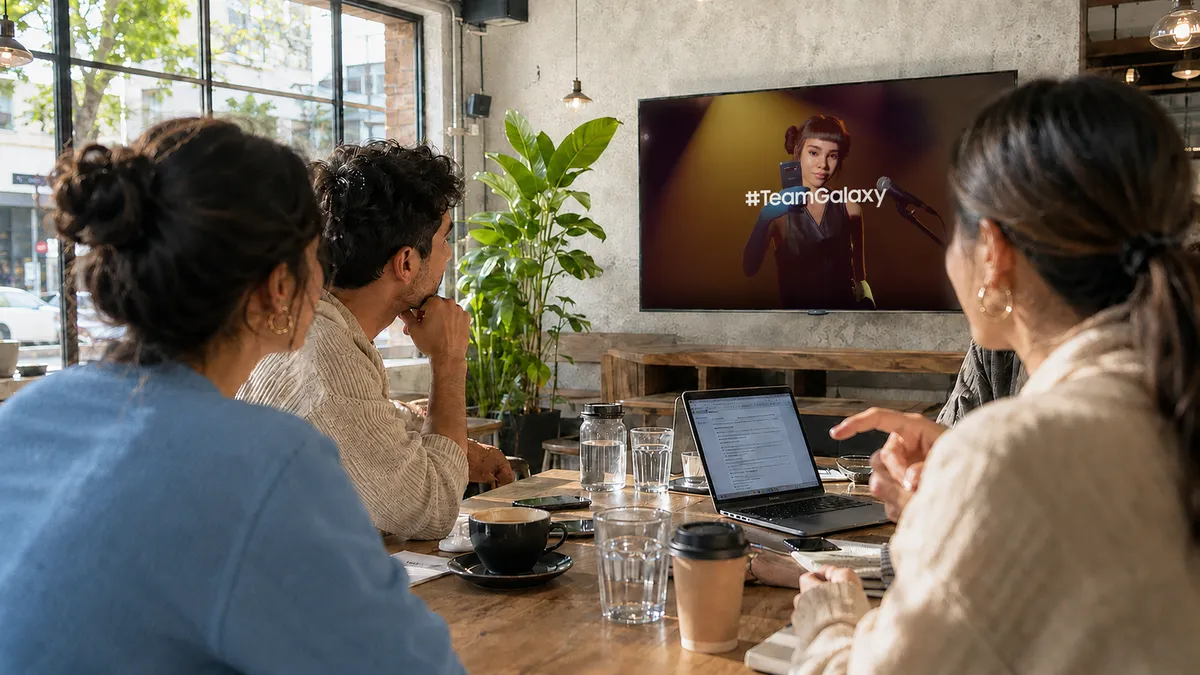
- The best AI influencer campaigns succeed by combining strong visual storytelling and brand-aligned personalities to create content that stands out online.
- Full control over the character is the biggest advantage of AI influencer campaigns.
- Strong visual storytelling and social-first content are two core components of successful AI influencer campaigns.
- AI influencer campaigns tend to perform best when the digital character matches the brand’s audience and positioning.
- Emotional storytelling in AI influencer campaigns can either drive engagement or increase the risk of backlash and ethical criticism.
Brands are increasingly using AI in marketing campaigns to create content people actually engage with. AI influencers give businesses full control, allowing them to shape the narrative around their brand values. This is especially important if you want to reach younger audiences, as they prefer to receive messages from familiar faces. AI-powered characters make that easier.
AI influencer campaigns work because they combine digital storytelling, creative control, and social-first content in a format that resonates with modern audiences.
Brands use virtual influencers to strengthen their positioning, reach younger consumers, maintain consistent messaging, and create content that stands out across platforms like Instagram, TikTok, and YouTube.
This guide analyzes nine notable AI influencer campaign examples from brands such as Prada, BMW, Calvin Klein, and Fenty Beauty. You’ll learn the goals behind each campaign, why it worked, and the common patterns that separate successful AI influencer marketing from campaigns that fail to gain traction.
9 AI Influencer Campaign Examples
Here are 9 virtual influencer marketing campaigns worth looking at. You’ll learn about their goals and how brands actually ran them.
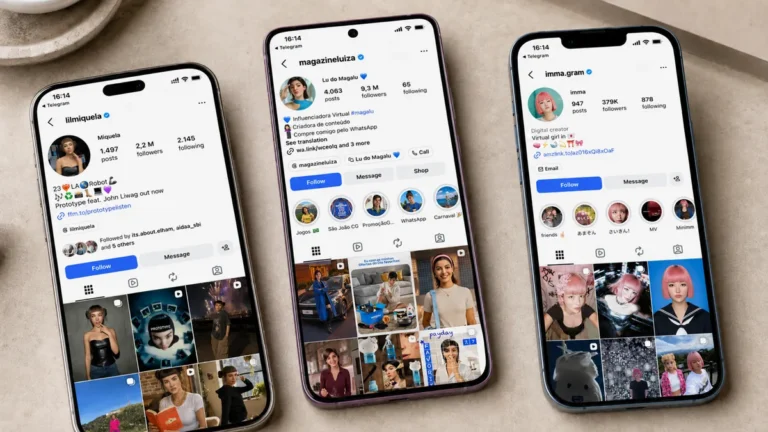
Spoiler alert: Lil Miquela appears more than any other name in the following list.
1. Shudu Gram × Fenty Beauty
- Objective:
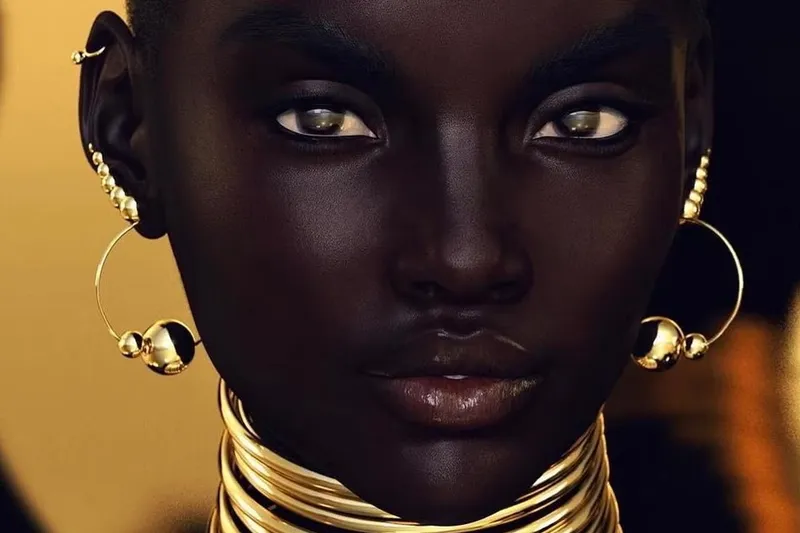
Fenty Beauty partnered with Shudu Gram to position the brand as an inclusive and forward-thinking name in the industry. During the campaign, the brand showcased product shades on diverse skin tones.
- What the brand did:
Shudu Gram was used in product visuals and social content. Fenty used her as a virtual model to display diverse makeup looks.
Because of Shudu’s dark skin, the brand aimed to highlight skin tones to support its inclusivity message.
- Why it worked:
The campaign quickly grabbed attention and drove engagement due to Shudu’s hyper-realistic appearance. This resulted in higher visibility and reach, beyond typical campaign performance. The collaboration between Shudu Gram and Fenty Beauty was one of the earliest examples of these campaigns.
Full control over the model’s visuals also played a big role in making this AI influencer campaign successful.
- Stick to the Story You Already Have
AI influencers perform best when they reinforce the brand’s existing narrative. For example, in this case, inclusivity was the primary message that Fenty Beauty tried to convey. The campaign delivered good results because marketing managers didn’t waste their time trying to create a new narrative from scratch.
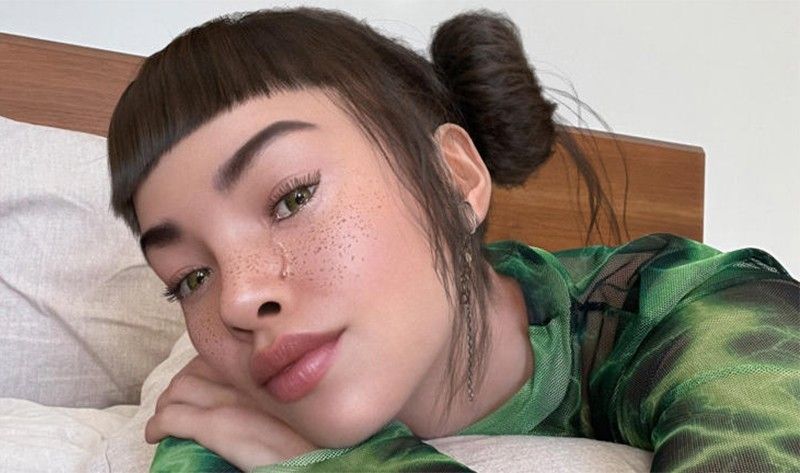
2. Lil Miquela × Prada
- Objective:
Prada had two goals with this campaign: connect with Gen Z and position the brand as digitally progressive during high-visibility moments such as Fashion Week. They managed to achieve both thanks to Lil Miquela.
- What the brand did:
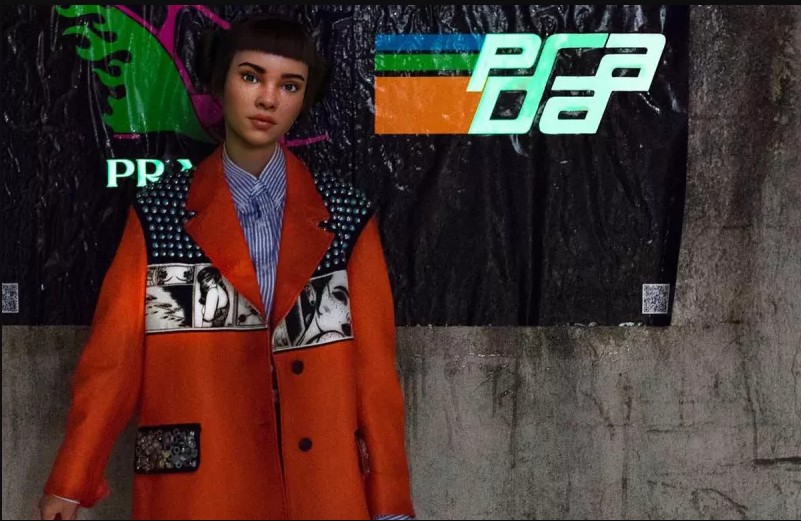
Lil Miquela, an AI influencer popular among Gen Z, became the face of the digital campaign and social content tied to fashion events.
For example, during Milan Fashion Week, Prada wove her into runway storytelling.
- Why it worked:
Younger audiences expect digital-first experiences, and this partnership delivered that. As mentioned earlier, Lil Miquela had already resonated with Gen Z. This gave Prada instant cultural relevance.
This AI influencer campaign was so successful that it generated massive media coverage and social media engagement. In other words, Prada successfully blurred the line between physical and digital fashion. It was the key reason behind the campaign’s gains.
- AI Influencers and the Power of Fashion Storytelling
In sectors like fashion, AI influencers tend to work better. Identity and storytelling matter most in these industries, so brands can use virtual characters to reinforce their message by extending real-world events into digital spaces.
3. Noonoouri × Dior
- Objective:
Dior sits firmly in the luxury segment. The marketing team ran brand campaigns with AI influencers to reinforce that image. They also wanted to reach younger, social-first audiences, so they worked with Noonoouri.
- What the brand did:
Dior featured this virtual influencer in social media campaigns. They kept her styling consistent with the brand’s visual identity. During the collaboration, Noonoouri showed up across multiple channels, wearing Dior pieces.
- Why it worked:
The doll-like appearance of this AI influencer was the main reason that this virtual influencer campaign worked. Noonoouri was perfect for Dior’s editorial and aspirational tone. The marketing team tapped into younger audiences more easily and without diluting brand prestige. The metrics, such as engagement rate and media attention, prove that the campaign was successful.
- Luxury Brands Choose Control Over Chaos
AI influencers give luxury brands the level of control they need. These businesses must carefully maintain exclusivity. These characters help generate leads among digital-first audiences without compromising the brand’s identity and values.

4. Lil Miquela × Calvin Klein
- Objective:
The main goals were building cultural relevance and global attention. Calvin Klein’s plan for achieving these goals was to tap into controversy by running a high-profile campaign featuring digital and real-world stars.
- What the brand did:
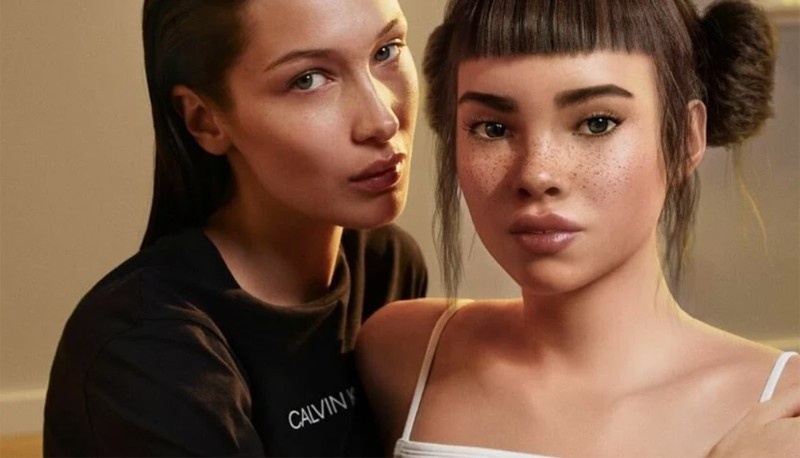
Lil Miquela wasn’t the only collaborator. Celebrities like Bella Hadid were also featured.
The campaign’s content was heavily focused on minimalist and provocative messaging, Calvin Klein’s typical advertising style.
The brand’s marketing team distributed content of Lil Miquela wearing Calvin Klein products across various social media and digital channels to drive the engagement and attention they aimed for.
- Why it worked:
Using a virtual influencer and real supermodels simultaneously created instant controversy. People were amazed that the line between the digital and physical worlds keeps shrinking. The discussions and debates that this controversy made reached beyond paid media. That said, the campaign benefited from massive earned media coverage.
Since Calvin Klein was already famous for bold advertising, AI integration fit naturally into its marketing direction, rather than being a gimmick.
- Key takeaway:
Pairing AI-powered influencers with real famous characters can draw attention and make campaigns the talk of the town.
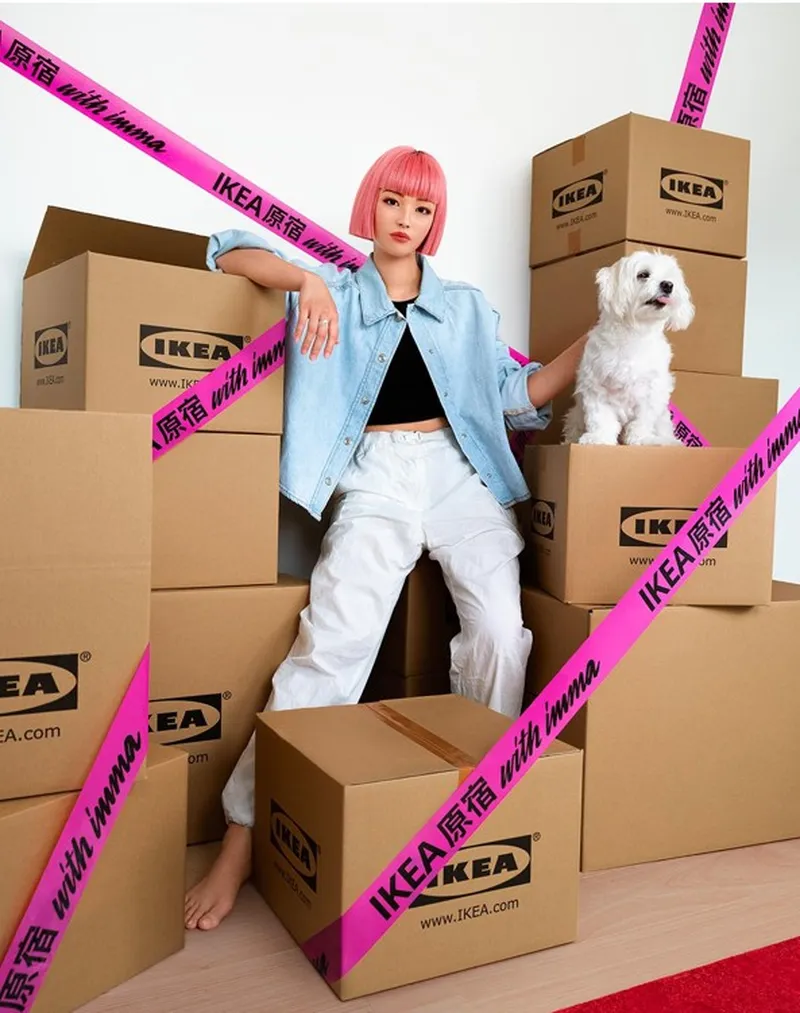
5. Imma × IKEA (Japan)
- Objective:
IKEA wanted to feel more culturally relevant and youth-focused in Japan. So the team partnered with Imma to not only achieve the mentioned goals, but also strengthen emotional connection with Japanese Gen Z through digital storytelling.
- What the brand did:
Imma was the face of the IKEA Japan campaign to showcase home living ideas on social media. She was featured in styled interior setups and branded content.
This helped IKEA reflect modern urban living in a way that matched its products.
- Why it worked:
Imma is a hyper-stylized virtual character. This means that she fits well with the Tokyo lifestyle and resonates with Japanese Gen Z. Combining Imma with IKEA products allowed the brand to make its offerings feel more culturally relevant in this country.
- Localization Made Easier with AI Influencers
Brands increasingly use AI influencers in global marketing to localize content for different markets and cultures. With location-tailored virtual characters, multinational companies can adapt their identity to that particular culture.
6. Lil Miquela × BMW
- Objective:
BMW partnered with Lil Miquela to promote its electric vehicle lineup to younger audiences. This collaboration also reinforced BMW’s image as an innovative, future-focused car manufacturer.
- What the brand did:
The marketing team knew that to grab this segment’s attention, virtual influencers could help. So, they featured Lil Miquela in digital campaign content for the BMW iX2. Specialists blended CGI storytelling with real automotive visuals, creating visually striking scenes.
BMW moved beyond traditional advertising by using social-first AI influencer content for the campaign.
- Why it worked:
Lil Miquela was ideal to support BMW’s technology-focused, forward-looking image. They managed to attract younger audiences and make them interested in the company’s electric cars. Visually polished CGI content stood out on social platforms, encouraging users to stop scrolling and pay attention.
- Turning Complex Products into Lifestyle Stories
AI influencers help connect technical products to modern lifestyles. BMW proved this in its partnership with Lil Miquela, where the virtual influencer helped BMW connect with younger buyers.
7. Lu do Magalu × Burger King
- Objective:
Burger King wanted to attract younger audiences in Brazil and increase engagement with them. That’s why the marketing team partnered with one of Brazil’s most recognizable digital personalities, Lu Do Magalu.
- What the brand did:
Lu Do Magalu was the main character in Burger King’s social media campaigns in Brazil. The team integrated her into branded content and interactive posts during the campaign. The goal was to boost visibility and spark more interaction online.
- Why it worked:
Lu Do Magalu was already popular in Brazil. That gave Burger King direct access to a massive audience by using this character in promotional content.
Its mix of humor, which matches the brand’s playful marketing style, also played a major role in the campaign’s success. Don’t forget about the key factor that is important in all similar campaigns: Full control over the character to maintain consistency.
- AI Influencers Work Best as Long-Term Brand Assets
AI influencers tend to deliver better results when brands treat them as long-term digital personalities. So, think ahead and out of the box. Try not to see the character as a one-off marketing gimmick. That’s how brands make these campaigns feel more natural and less forced.
8. Lil Miquela × National Marrow Donor Program
- Objective:
This is another AI influencer campaign featuring Lil Miquela. The National Marrow Donor Program aimed to raise awareness about bone marrow donation and encourage younger audiences to pay attention to donor registration campaigns. So, they partnered with a virtual influencer already familiar to this segment.
- What the brand did:
National Marrow Donor Program positioned Lil Miquela as the narrator of an emotional story around leukemia and donor support. The organization’s goal was to connect with audiences emotionally, and they succeeded thanks to content built to create empathy and discussion online.
- Why it worked:
Evoking emotions among audiences generated significant engagement, especially because the message came from a virtual influencer. Lil Miquela has a strong Gen Z audience. This means that the National Marrow Donor Program was able to reach groups that traditional non-profit organizations often struggle to engage.
The campaign sparked widespread discussion regarding authenticity and ethics in AI-driven marketing, leading to increased visibility far beyond the nonprofit sector.
- High Impact, High Risk: Emotional AI Campaigns
If carefully executed, AI influencers can generate massive awareness for social cues in emotionally sensitive topics. Without a proper plan, the whole idea may backfire and raise negative reactions.
9. Rozy × Sidus Studio X
- Objective:
Sidus Studio X created Rozy as a scalable digital celebrity to show how AI influencers can deliver results in marketing campaigns.
- What the brand did:
This studio used Rozy in collaborations with brands in different sectors, from finance to fashion. She worked as a versatile campaign figure, able to act in ads and branded content, as well as in social campaigns and promotional videos.
Shinan Life Insurance and Korean Air are two well-known brands that benefited from Rozy in their marketing campaigns.
- Why it worked:
Sidus Studio X managed to build Rozy as a fully developed digital personality, rather than a one-time campaign asset. This showed how adaptable and marketable Rozy could be. Brands responded well to the idea, since, unlike traditional celebrities, they had full control over the influencer.
The studio successfully normalized the use of AI influencers in mainstream advertising in South Korea through realistic visuals and lifestyle-focused content.
- Rozy and the Power of Scalable AI Influencers:
Scalability is one of the most important advantages of AI influencers. Simply put, brands can reuse them across multiple campaigns. Sidus Studio X proved this well and turned Rozy into one of the strongest examples of AI influencer marketing.
At this point, one question stands out: why are AI influencers so appealing to brands?
At this point, one question stands out: why are AI influencers so appealing to brands?
Why Brands Use AI Influencers in Marketing Campaigns
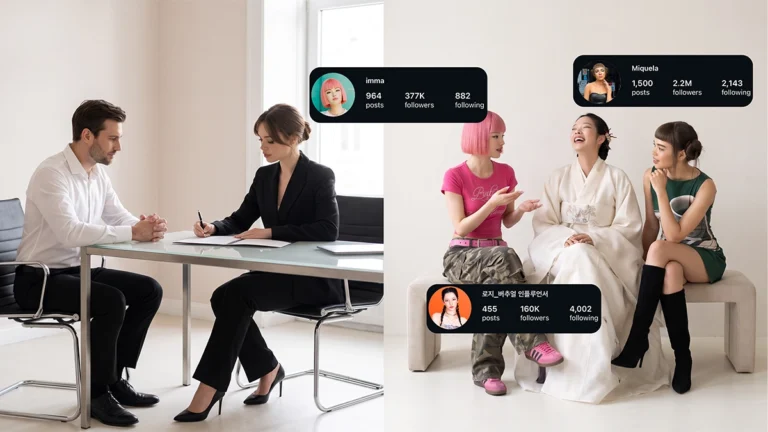
Brands use AI influencers mainly for scalability and full control in marketing campaigns. In addition to these two benefits, AI-powered characters offer many more advantages compared to traditional influencers:
- Full creative control: Brands control the influencer’s messaging and behavior.
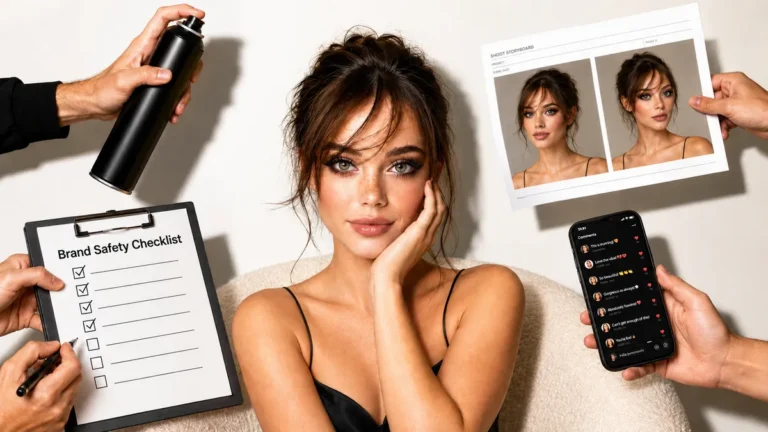
- No reputation risk: AI influencers don’t get involved in personal scandals or unpredictable controversies.
- Cost efficiency: Long-term campaigns can be cheaper than repeatedly hiring celebrities or creators.
- 24/7 content production: AI influencers can appear in campaigns anytime without scheduling limitations.
- High visual consistency: Brands can maintain a polished and uniform visual identity across campaigns.
- Gen Z appeal: virtual influencers naturally attract digitally native audiences.
- Scalability: Brands can reuse AI influencers across multiple campaigns and platforms.
- Perception of innovation: Using AI influencers helps brands appear modern and forward-thinking.
- Easier localization: AI-generated content can adapt to different languages and cultures more efficiently.
- Strong social engagement: The novelty of AI influencers often sparks discussion and increases media coverage.
What Best AI Influencer Campaigns Have in Common
All AI influencer advertising examples that we examined share some common features:
- In all campaigns, the AI influencer fits the brand’s identity.
- They rely on high-quality visuals, highlighting the campaign’s digital identity.
- They’re relevant to internet culture and align with Gen Z habits or digital trends.
- Successful AI influencer campaigns spark discussion and sharing, whether positive or negative.
- Brands maintain the character’s consistency in appearance and messaging throughout a campaign, from start to finish.
- They’re usually focused on social media platforms rather than traditional TV channels.
- The fact that a brand uses an AI influencer naturally attracts attention, even when execution or performance is imperfect.
- In most campaigns, brands focus on identity and lifestyle. They try to sell a lifestyle instead of product specs.
There are also some concerns in implementing an AI influencer campaign, which we’ll discuss in the next section.
Risks and Challenges of AI Influencer Campaigns
AI influencer brand collaborations come with numerous benefits. There’s no doubt about that. However, designers and campaign teams must be aware of the challenges involved.
Authenticity Concerns
Many people still feel skeptical about AI influencers and see them as artificial and emotionally disconnected. This means that using them in marketing campaigns can reduce trust among these groups.
Overly scripted or deceptive campaigns intensify this problem and cause the audience to react negatively, or worse, question the brand’s credibility.
Audience Backlash
There’s a high risk of backlash if audiences feel manipulated or misled. When running controversial campaigns around sensitive topics, you put a target on the back of your business over ethics and transparency concerns. You may also be accused of pushing human creators aside in favor of AI characters.
Ethical Concerns
Some critics argue that using AI influencers on emotionally sensitive topics should face legal limits.
They raise ethical questions around transparency and digital manipulation, saying clearer regulations are needed to set clearer boundaries for brands.
Reputational Risks
Businesses spend heavily on AI influencers to present themselves as innovative and connect with younger audiences. However, there’s another side to the coin.
Poorly executed virtual influencer campaigns may damage a brand’s image if people perceive them as creepy and dishonest. Read “Uncanny Valley Explained: Why Some Virtual Influencers Feel Creepy” for more information.
Ready to Invest in an AI Influencer Campaign?
Working with established AI influencers works well.
Building a custom IP character for your brand is even more effective.
This gives you a reusable AI influencer for long-term campaigns. A virtual influencer agency can work closely with you to develop a custom IP character, from concept to execution.
Contact us today to discuss the details of your project.
FAQs
Which brands use AI influencers?
Brands like Prada, Calvin Klein, BMW, Fenty Beauty, and IKEA have all used AI or virtual influencers in marketing campaigns. These brands use them to create high-impact digital storytelling and reach younger audiences.
Which industries use AI Influencer campaigns the most?
Fashion and beauty are the leading industries using AI influencers. These sectors benefit most because they rely heavily on visual storytelling and lifestyle positioning.
What platforms are the best for AI influencer campaigns?
Instagram and YouTube, alongside TikTok, are the most effective platforms for AI influencer campaigns. These platforms support visual-first content and allow brands to maximize engagement through short-form storytelling and viral reach.
Can an AI influencer become a long-term brand ambassador?
Yes, AI influencers can act as long-term brand ambassadors because they are fully scalable and controllable over time. Unlike human influencers, they don’t face scheduling limits or reputation risks, making them ideal for ongoing campaigns.



Post Comments
0 comments