
Key Takeaways
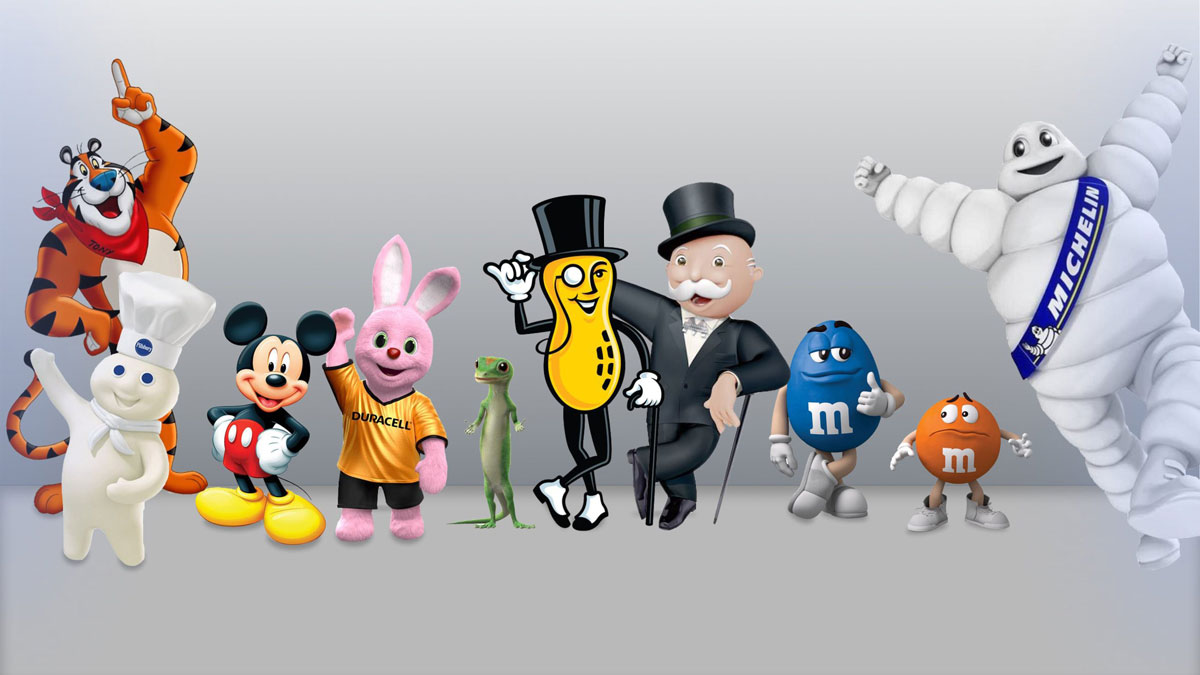
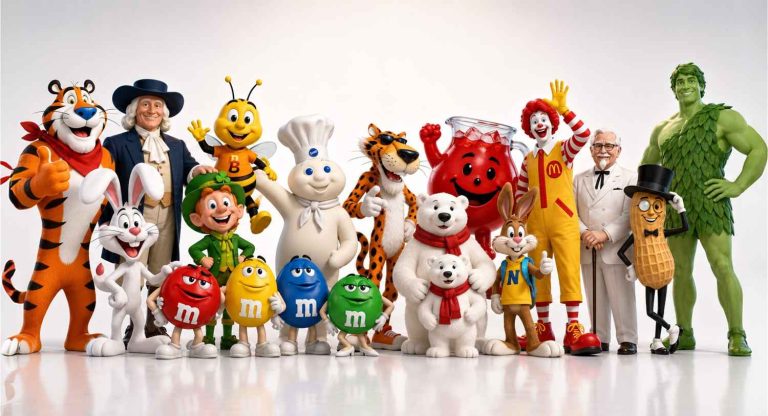
- The most famous brand mascots in 2026 include the Michelin Man, Tony the Tiger, Ronald McDonald, the GEICO Gecko, Mr. Peanut, the Pillsbury Doughboy, Colonel Sanders, the Energizer Bunny, the M&M’s characters, and the Kool-Aid Man.
- Popular brand mascots like The GEICO Gecko, Tony the Tiger, and Doulingo’s owl turn abstract/physical products into trusted personalities. This is done through simple, consistent visual designs tied to core product benefits plus brand values.
- The best brand mascots of all time drive repeat purchases by creating positive associations that make everyday items more approachable and desirable. They maintain stable identities while adapting to new media formats and audience expectations over decades.
- Famous mascots often outlive campaigns and trends. They become long-term brand assets that audiences associate with trust, familiarity, and brand identity
- Brands and marketers should take into account the common traits of famous brand mascots, like thoughtful identity design and strong storytelling, when developing their own.
Have you ever chosen insurance because a cheerful gecko simplified your options? Or picked cereal because an energetic tiger named ‘Tony’ promised a great day?
These famous mascots successfully turn products into trusted personalities that people remember, choose, and share. Their presence in ads sparks instant visual recognition and forges emotional bonds that last decades.
What’s the secret behind popular brand mascots?
The current 2026 update answers: a memorable identity, a stable personality, smart storytelling, and adaptation to emerging media, culture, and audience behaviors.
We prepared a list of famous brand mascots, the strategies that led to their success, and lessons for marketers.
Stay tuned.
A Quick List of 50 Famous Brand Mascots
| Mascot | Brand | Debut Date | Industry | |
| 1 | The Michelin Man (Bibendum) | Michelin | 1898 | Automotive/Tires |
| 2 | Mr. Peanut | Planters (Hormel Foods) | 1916 | Food and Beverage |
| 3 | Tony the Tiger | Kellogg’s (Kellanova) | 1952 | Food and Beverage |
| 4 | Doughboy | Pillsbury (General Mills) | 1965 | Food and Beverage |
| 5 | Morton Salt Girl | Morton Salt | 1914 | Food and Beverage |
| 6 | Jolly Green Giant | Green Giant (BandG Foods) | 1928 | Food and Beverage |
| 7 | Quaker Oats Man | Quaker Oats (PepsiCo) | 1877 | Food and Beverage |
| 8 | Monopoly Man | Hasbro | 1936 | Toys/Games |
| 9 | Duracell Bunny | Duracell | 1973 | Consumer Electronics |
| 10 | The Brawny Man | Brawny (Georgia-Pacific) | 1974 | Household |
| 11 | GEICO Gecko | GEICO | 1999 | Insurance |
| 12 | Sonic the Hedgehog | SEGA | 1991 | Entertainment/Gaming |
| 13 | MandM’s Spokescandies | Mars, Inc. | 1954 | Food and Beverage |
| 14 | KFC’s Colonel Sanders | KFC (Yum! Brands) | 1952 | Food and Beverage |
| 15 | Burger King’s The King | Burger King (RBI) | 1955 | Food and Beverage |
| 16 | Mickey Mouse | The Walt Disney Company | 1928 | Entertainment |
| 17 | Nesquik Bunny | Nestlé | 1973 | Food and Beverage |
| 18 | The Aflac Duck | Aflac | 2000 | Insurance |
| 19 | Energizer Bunny | Energizer | 1989 | Consumer Electronics |
| 20 | Ronald McDonald | McDonald’s | 1963 | Food and Beverage |
| 21 | The Trix Rabbit | General Mills | 1959 | Food and Beverage |
| 22 | Mr. Clean | Procter and Gamble | 1958 | Household |
| 23 | Chester Cheetah | Frito-Lay (PepsiCo) | 1986 | Food and Beverage |
| 24 | The Kool-Aid Man | Kraft Heinz | 1954 | Food and Beverage |
| 25 | Snap, Crackle, and Pop | Kellogg’s (Kellanova) | 1933 | Food and Beverage |
| 26 | Toucan Sam | Kellogg’s (Kellanova) | 1963 | Food and Beverage |
| 27 | Cap’n Crunch | Quaker Oats (PepsiCo) | 1963 | Food and Beverage |
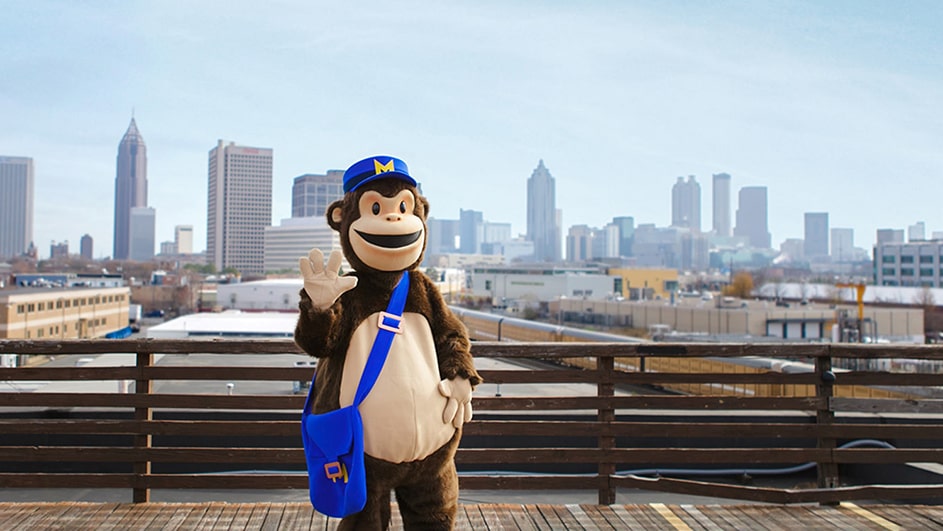
| 28 | Freddy | Mailchimp (Intuit) | 2001 | Tech/Software |
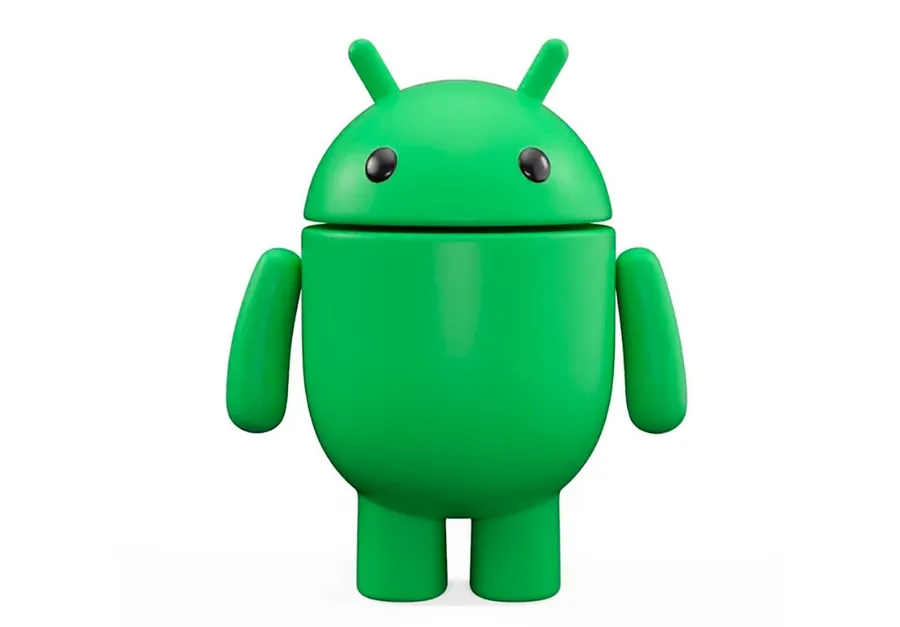
| 29 | Android Robot (Bugdroid) | Google (Alphabet) | 2007 | Tech |
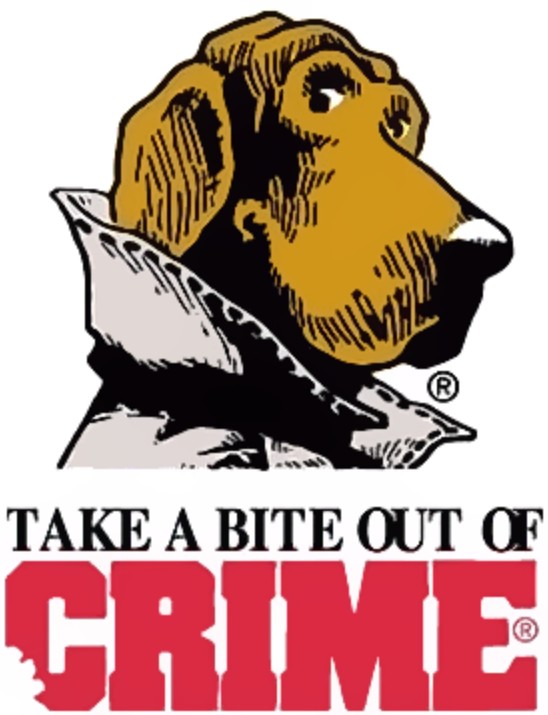
| 30 | McGruff the Crime Dog | National Crime Prevention Council | 1980 | Public Service |
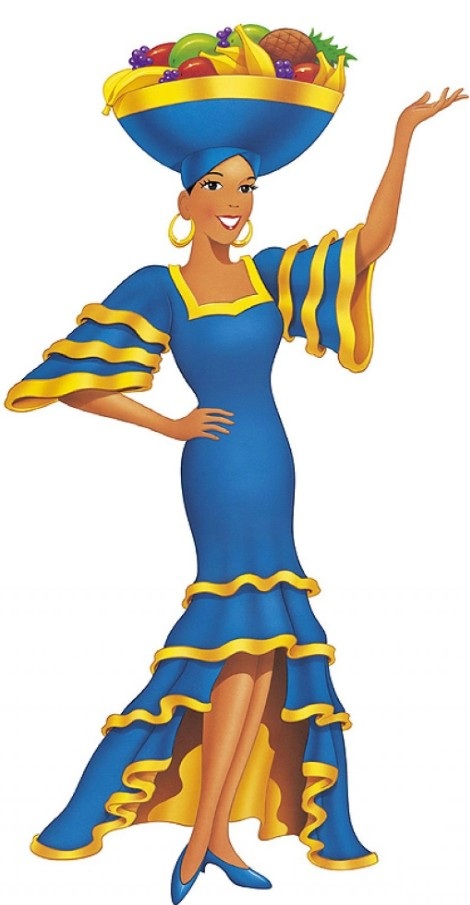
| 31 | Miss Chiquita | Chiquita Brands International | 1944 | Food and Beverage |
| 32 | BuzzBee | General Mills | 1979 | Food and Beverage |
| 33 | The Laughing Cow | Fromageries Bel | 1921 | Food and Beverage |
| 34 | MGM’s Leo the Lion | Metro-Goldwyn-Mayer (Amazon) | 1916 | Entertainment |
| 35 | Gerber Baby | Gerber (Nestlé) | 1928 | Baby Products |
| 36 | Juan Valdez | Nat. Fed. of Coffee Growers of Colombia | 1958 | Food and Beverage |
| 37 | Lucky the Leprechaun | General Mills | 1964 | Food and Beverage |
| 38 | Geoffrey the Giraffe | Toys “R” Us | 1965 | Retail |
| 39 | Pac-Man | Bandai Namco | 1980 | Entertainment/Gaming |
| 40 | Marlboro Man | Philip Morris USA | 1954 | Tobacco (historical) |
| 41 | Flo | Progressive | 2008 | Insurance |
| 42 | The Most Interesting Man in the World | Dos Equis (Heineken) | 2006 | Food and Beverage |
| 43 | Chick-fil-A Cows | Chick-fil-A | 1995 | Food and Beverage |
| 44 | Julius Pringles | Pringles (Kellanova) | 1967 | Food and Beverage |
| 45 | Pikachu | The Pokémon Company | 1996 | Entertainment/Gaming |
| 46 | Mario | Nintendo | 1981 | Entertainment/Gaming |
| 47 | Smokey Bear | U.S. Forest Service | 1944 | Public Service |
| 48 | Coca-Cola Polar Bears | The Coca-Cola Company | 1922 | Food and Beverage |
| 49 | Duo | Duolingo | 2012 | Education/Tech |
| 50 | Astro | Salesforce | 2014 | B2B Software/CRM /Cloud Computing |
Detailed Profiles of 50 Famous Mascots of All Time
Here’s our curated selection of the most famous mascots of all time, along with insightful details and valuable mascot marketing lessons.
1. The Michelin Man (Bibendum)
- Brand: Michelin
- Industry: Automotive/Tires
- First appeared in 1898
- How did it get so popular? The Michelin Man, known as Bibendum, appeared as a stack of tires at a 1894 exhibition. Early ads showed him drinking obstacles like nails and glass to prove tire strength. He built global trust and helped Michelin lead in premium tires for over a century.
- Marketing lessons: A simple, memorable visual tied directly to product benefits creates instant recognition and supports premium positioning for decades.
2. Mr. Peanut
- Brand: Planters (Hormel Foods)
- Industry: Food and Beverage
- First appeared in 1916
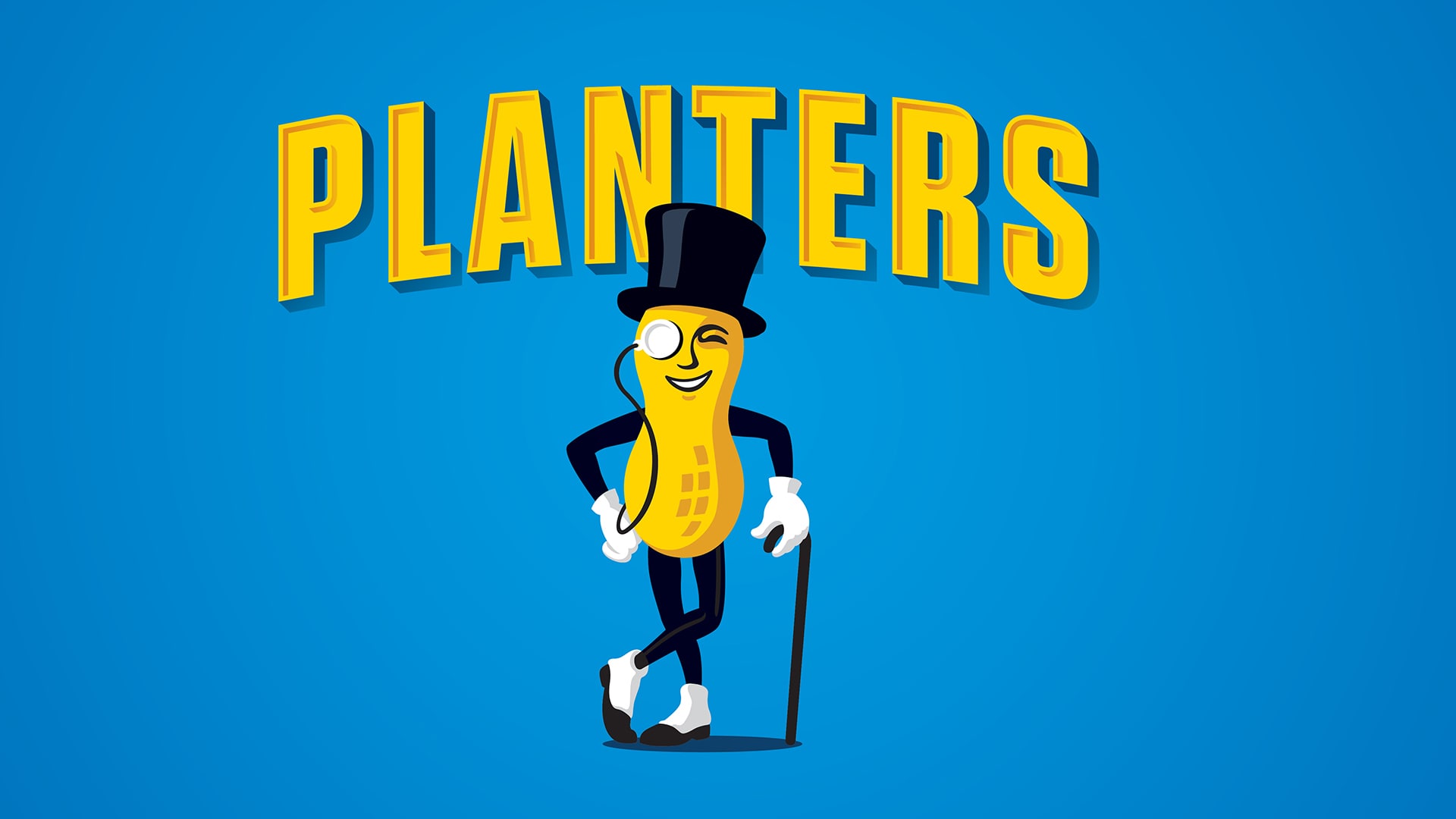
- How did it get so popular? Peanut debuted through a design contest and brought sophistication to nuts with his top hat and cane. Campaigns used him to signal quality and elegance. Even modern storylines like his temporary “death” kept engagement high.
- Marketing lessons: Elegant personality traits turn everyday snacks into aspirational choices that stand out on shelves.
3. Tony the Tiger
- Brand: Kellogg’s (Kellanova)
- Industry: Food and Beverage
- First appeared in 1952
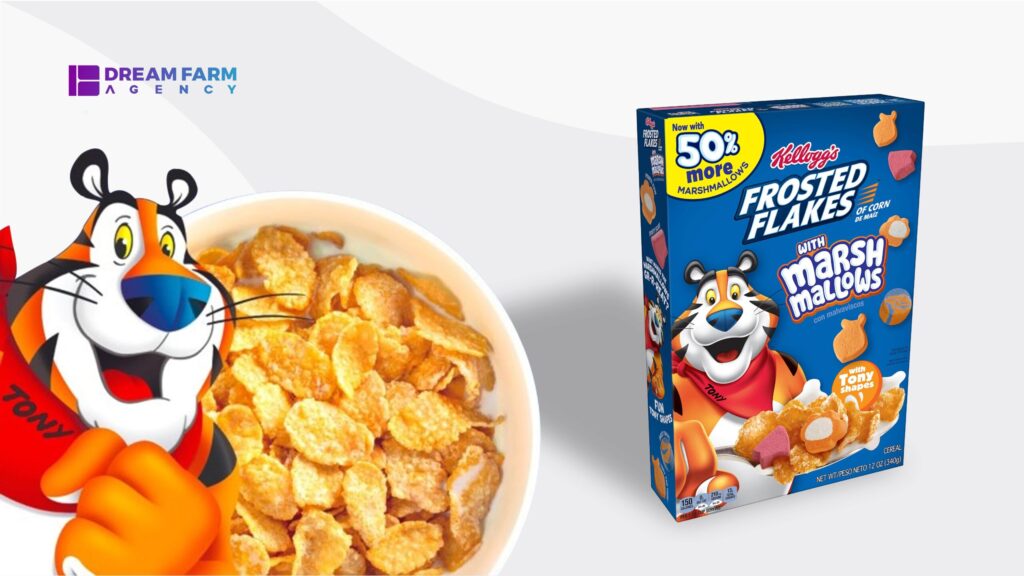
- How did it get so popular? Tony’s confident “They’re Gr-r-reat!” phrase and athletic build made Frosted Flakes exciting for families. He appeared consistently across ads, packaging, and events. This approach helped the brand maintain leadership in kids’ cereals.
- Marketing lessons: Energetic, positive characters create emotional connections that drive repeat family purchases across generations.
4. Pillsbury Doughboy
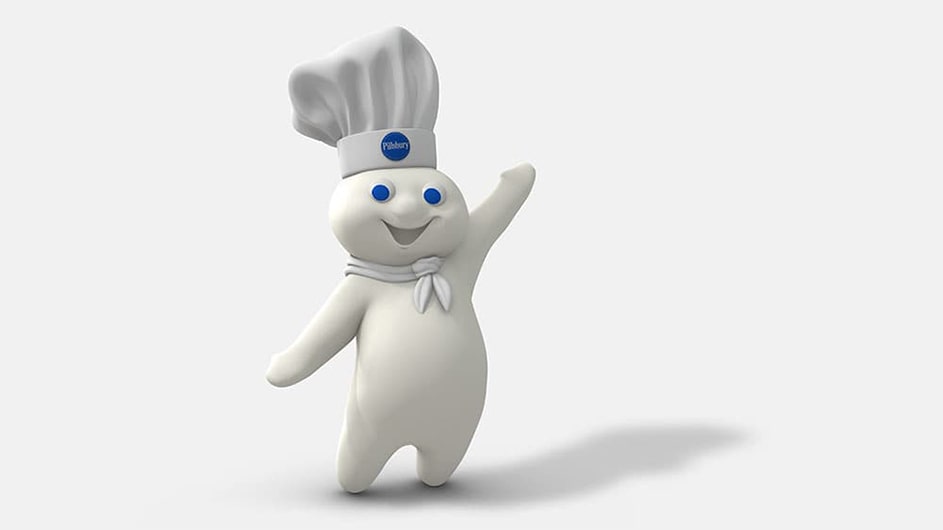
- Brand: Pillsbury (General Mills)
- Industry: Food and Beverage
- First appeared in 1965
- How did it get so popular? The Doughboy’s signature giggle and pokeable belly brought warmth to baking products. He starred in commercials that showed easy, joyful meal prep. His presence turned baking from a chore into family fun.
- Marketing lessons: Relatable humor makes complex preparation feel simple and encourages more home cooking with the brand.
5. Morton Salt Girl
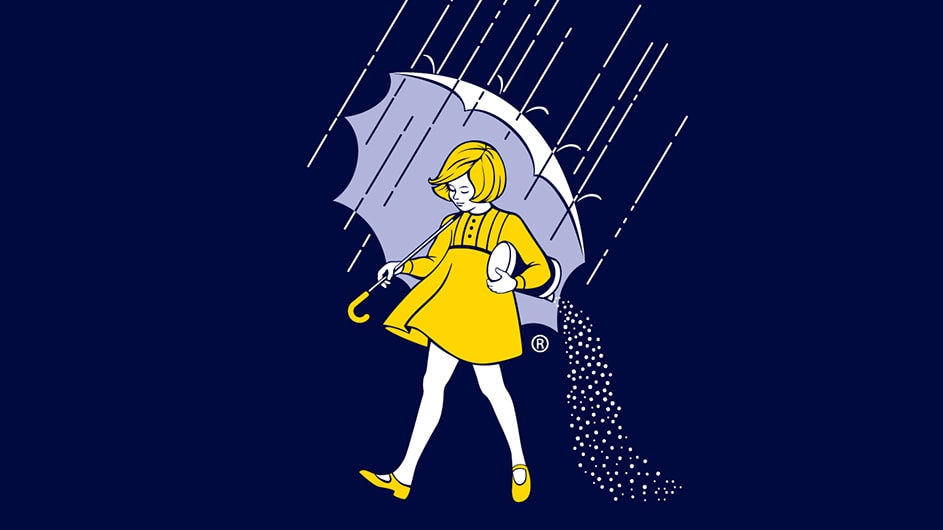
- Brand: Morton Salt
- Industry: Food and Beverage
- First appeared in 1914
- How did it get so popular? The umbrella-carrying girl illustrated “When it rains, it pours” to highlight non-clumping salt. Her image appeared on packaging for over a century. This visual reinforced reliability in all weather.
- Marketing lessons: A single clever visual tied to a core product promise builds decades of category dominance.
6. Jolly Green Giant
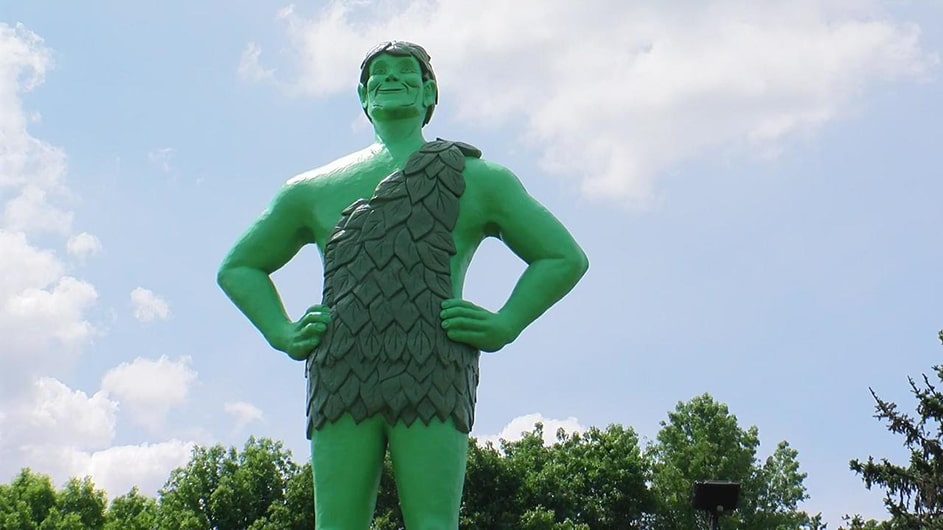
- Brand: Green Giant (BandG Foods)
- Industry: Food and Beverage
- First appeared in 1928
- How did it get so popular? The tall green figure promoted vegetables with his “Ho Ho Ho” and focused on freshness. He appeared in ads that made healthy eating appealing. The character helped expand the brand into multiple vegetable lines.
- Marketing lessons: Larger-than-life characters make healthy options fun and increase consumption in competitive categories.
7. Quaker Oats Man
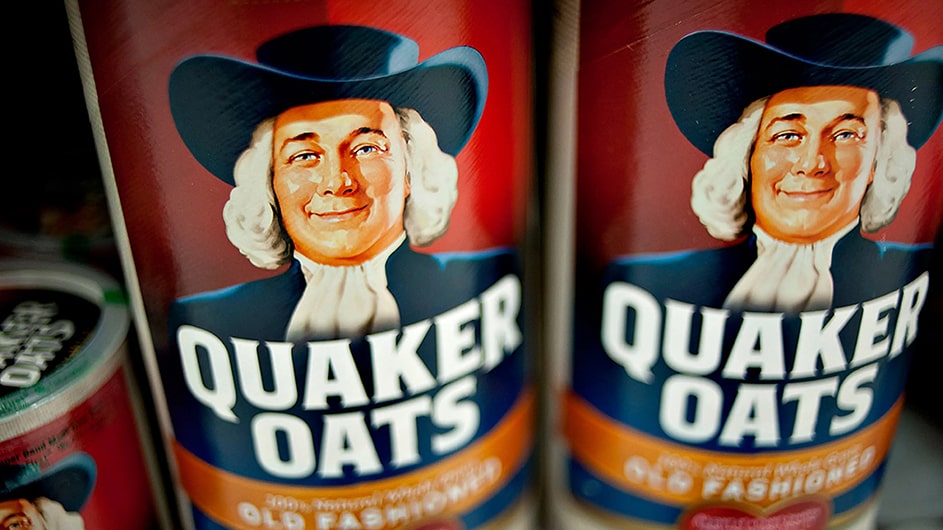
- Brand: Quaker Oats (PepsiCo)
- Industry: Food and Beverage
- First appeared in 1877
- How did it get so popular? The stern yet kind man in Quaker attire signals wholesome quality and tradition. He appeared on packaging to build trust in oats as a healthy staple. Over time, his image supported expansions into cereals and snacks while keeping a focus on natural goodness.
- Marketing lessons: Timeless human figures tied to heritage create strong category authority and consumer confidence.
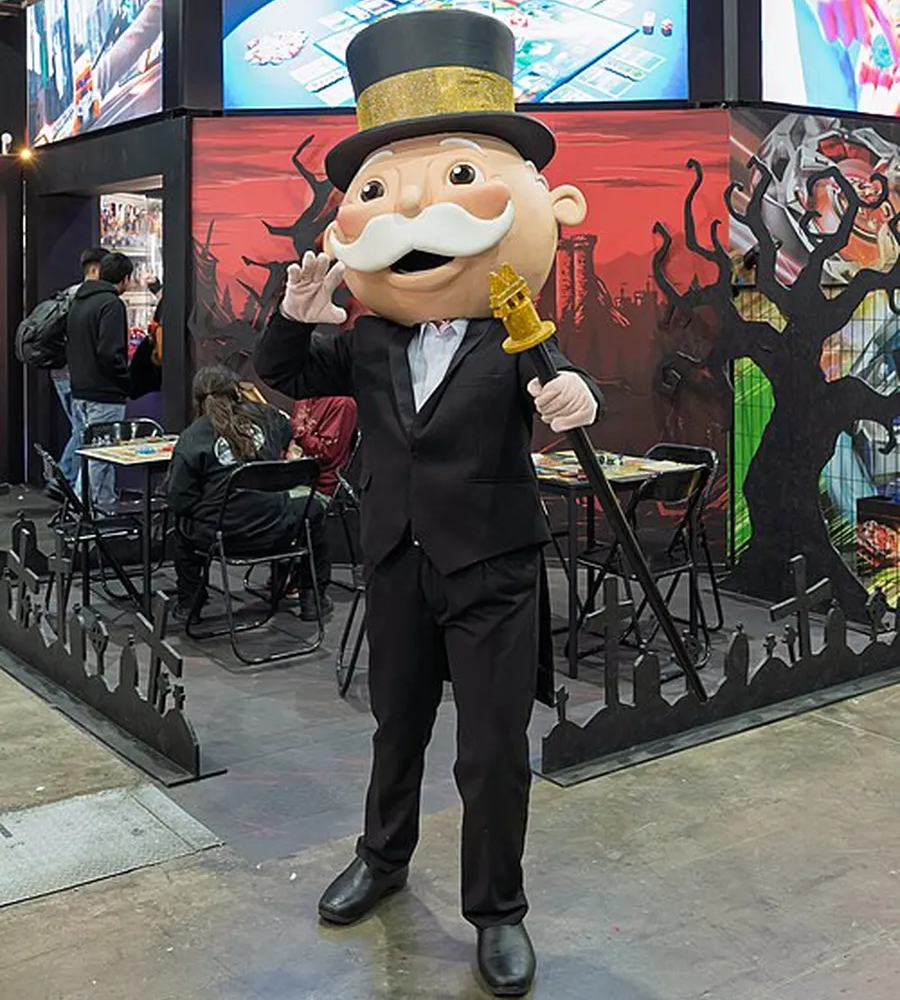
8. Monopoly Man
- Brand: Hasbro
- Industry: Toys/Games
- First appeared in 1936
- How did it get so popular? Rich Uncle Pennybags, with his top hat and mustache, represents wealth and fun in the Monopoly game. He appears on boards, spin-offs, and promotions. His image instantly signals strategy and entertainment.
- Marketing lessons: Distinctive human figures make board games memorable and encourage social play.
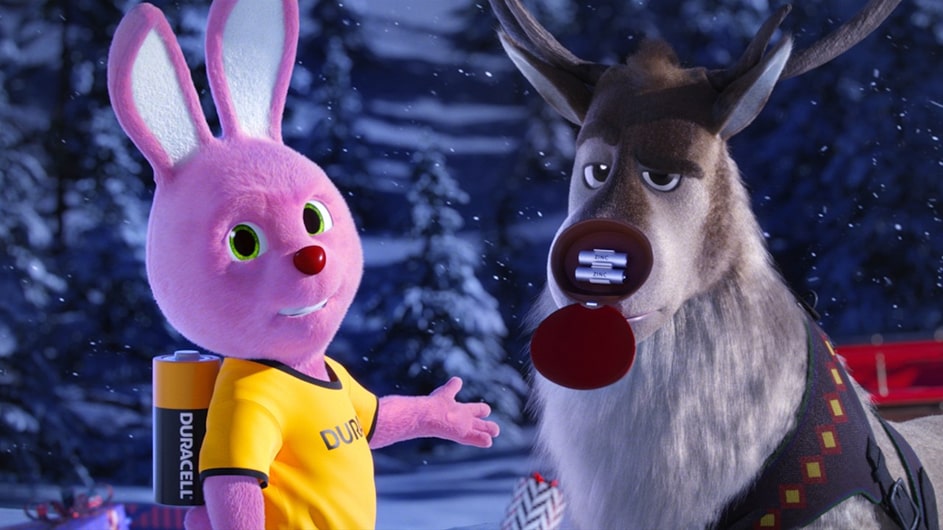
9. Duracell Bunny
- Brand: Duracell
- Industry: Consumer Electronics
- First appeared in 1973
- How did it get so popular? The pink bunny keeps going and going in toy drum ads. It demonstrated long battery life through endless energy. The character outlasted competitors in campaigns.
- Marketing lessons: Direct product demonstration via character action proves superiority visually.
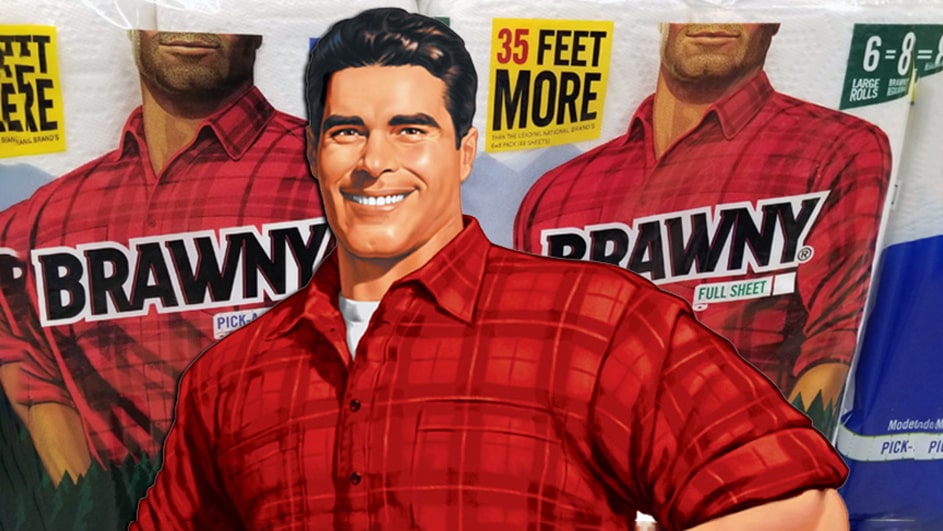
10. The Brawny Man
- Brand: Brawny (Georgia-Pacific)
- Industry: Household
- First appeared in 1974
- How did it get so popular? The rugged lumberjack symbolized strength and absorbency. His image on paper towels conveyed reliability. Campaigns showed him tackling tough messes.
- Marketing lessons: Masculine, capable figures reassure consumers about product performance.
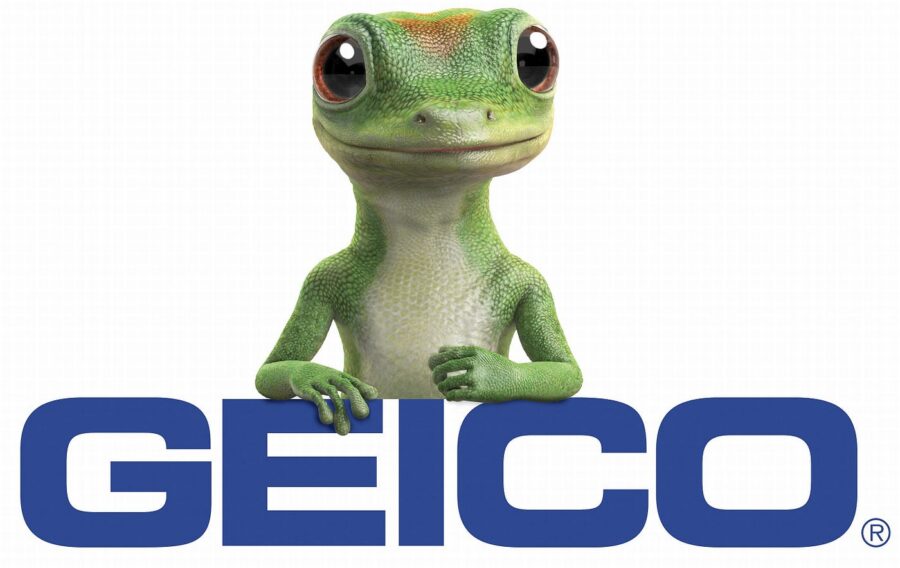
11. GEICO Gecko
- Brand: GEICO
- Industry: Insurance
- First appeared in 1999
- How did it get so popular? The friendly lizard with a British accent simplifies insurance. Humorous ads during strikes boosted visibility. GEICO grew to the second-largest auto insurer partly through its appeal.
- Marketing lessons: Approachable spokescharacters humanize dry industries like insurance.
12. Sonic the Hedgehog
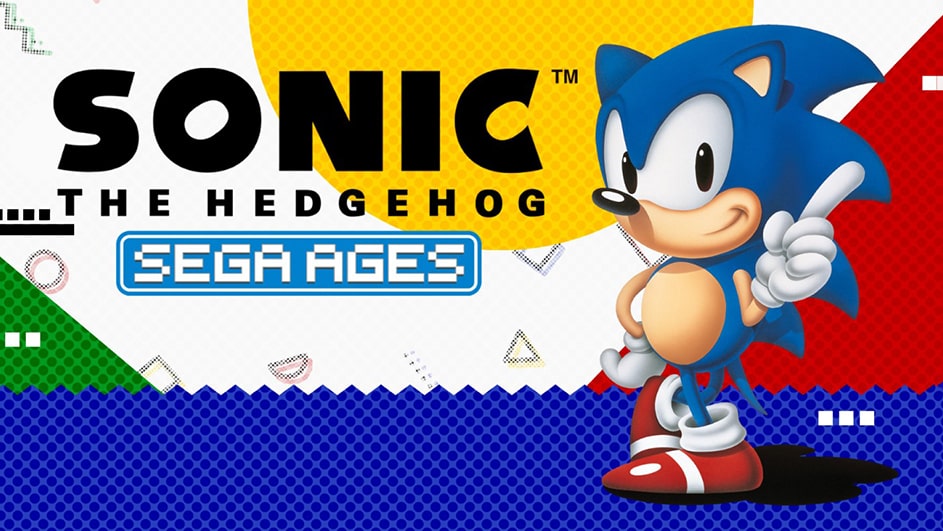
- Brand: SEGA
- Industry: Entertainment/Gaming
- First appeared in 1991
- How did it get so popular? The fast blue hedgehog emphasized speed in games. Movies and merchandise expanded his reach. Sonic became a rival to other game icons.
- Marketing lessons: Speed and attitude create strong differentiation in gaming.
13. M&M’s Spokescandies
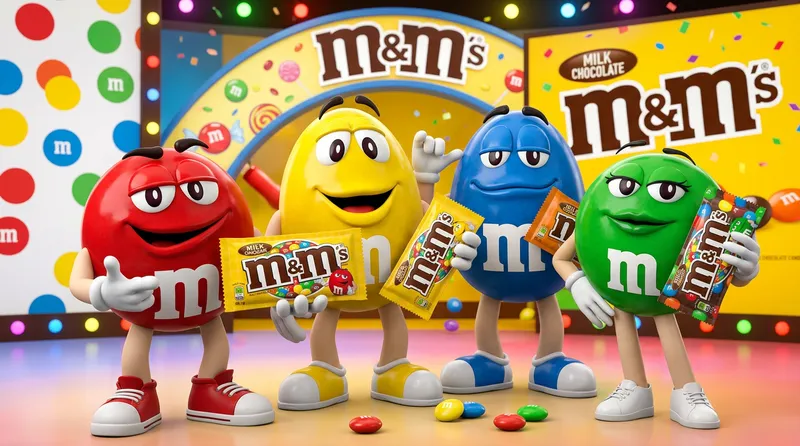
- Brand: Mars, Inc.
- Industry: Food and Beverage
- First appeared in 1954
- How did it get so popular? Colorful characters with distinct personalities, like “Melts in your mouth, not in your hand.” Humorous ads show their adventures. This approach made the candies culturally iconic.
- Marketing lessons: Giving products individual personalities creates storytelling opportunities and emotional bonds.
14. KFC’s Colonel Sanders
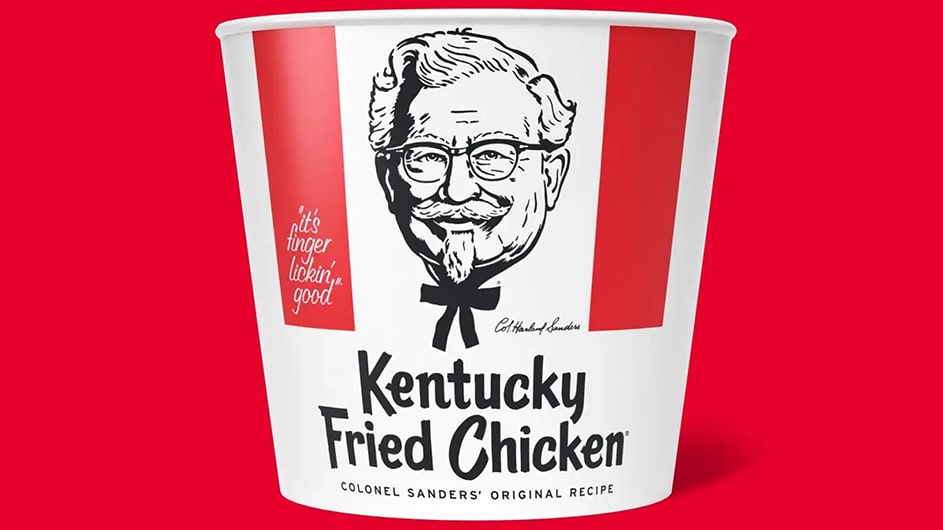
- Brand: KFC (Yum! Brands)
- Industry: Food and Beverage
- First appeared in 1952
- How did it get so popular? The white-suited founder figure emphasizes original recipe and hospitality. Modern versions keep his likeness while updating the tone. Recognition stays near 95% in surveys.
- Marketing lessons: Founder-inspired characters add authenticity and heritage value.
15. Burger King’s The King
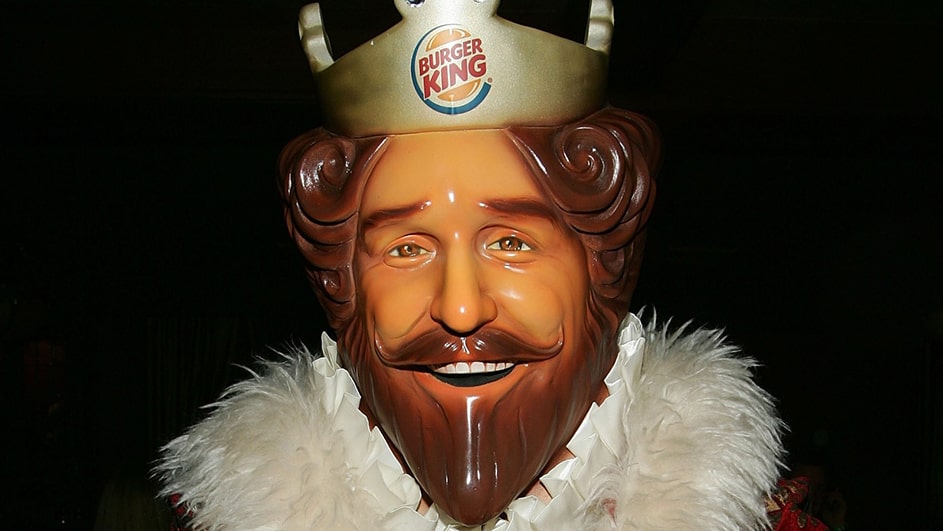
- Brand: Burger King (RBI)
- Industry: Food and Beverage
- First appeared in 1955
- How did it get so popular? The crowned figure with a plastic mask brought quirky royalty to burgers. Later campaigns used him in surreal, memorable scenarios. He differentiated the brand through humor.
- Marketing lessons: Edgy or unusual personalities stand out in fast food competition.
16. Mickey Mouse
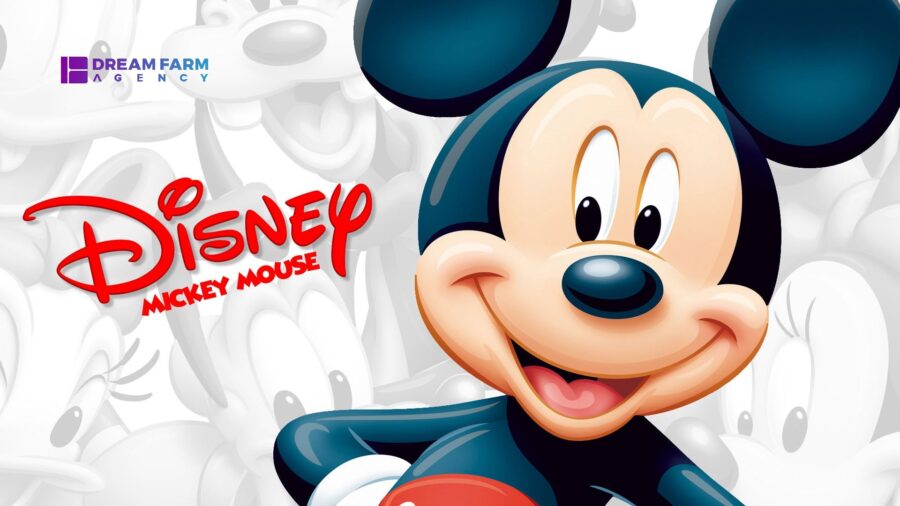
- Brand: The Walt Disney Company
- Industry: Entertainment
- First appeared in 1928
- How did it get so popular? Mickey started as a simple animated mouse and grew into a global symbol of magic and fun. He anchors theme parks, films, and merchandise. His consistent optimism built one of the strongest entertainment empires.
- Marketing lessons: Timeless, adaptable characters create entire lifestyle brands and endless revenue streams.
17. Nesquik Bunny
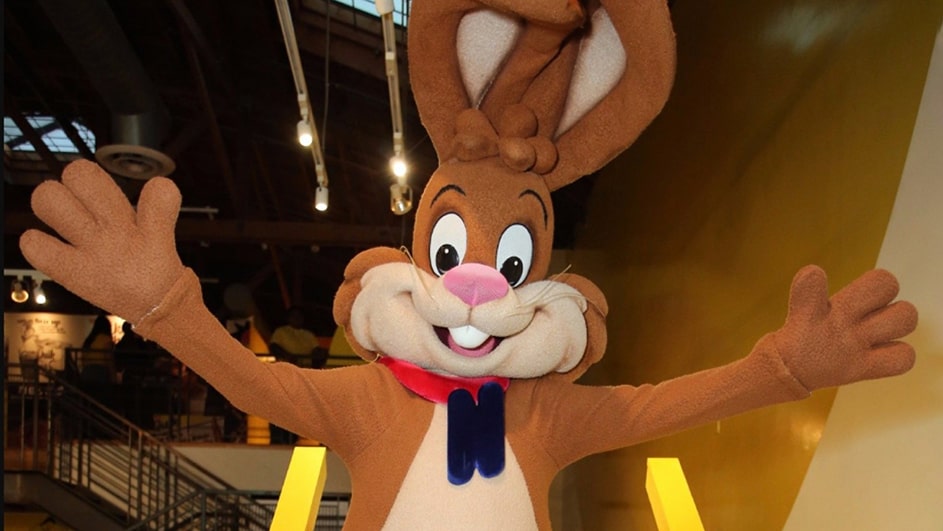
- Brand: Nestlé
- Industry: Food and Beverage
- First appeared in 1973
- How did it get so popular? The energetic bunny promoted chocolate milk with fun and speed. He encouraged kids to ask for Nesquik. The character made milk consumption more appealing.
- Marketing lessons: Playful animals turn nutritious drinks into desired treats.
18. The Aflac Duck
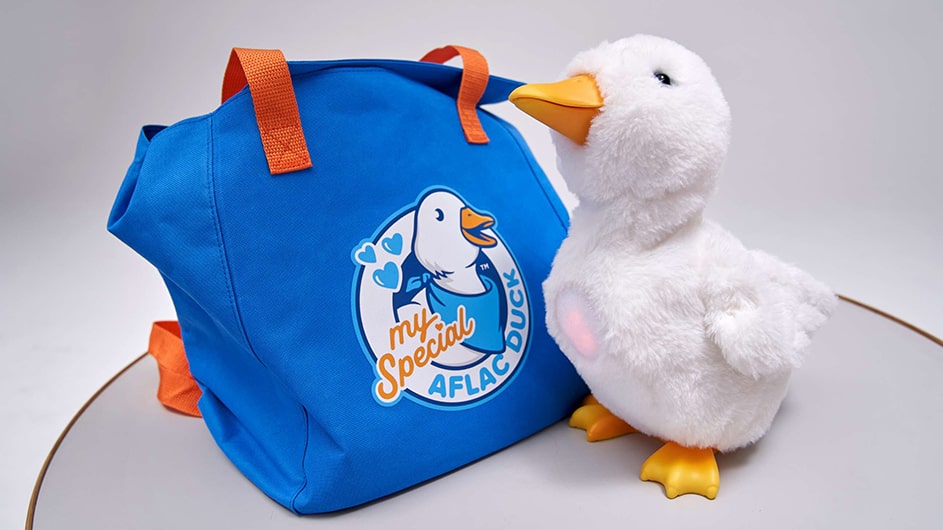
- Brand: Aflac
- Industry: Insurance
- First appeared in 2000
- How did it get so popular? The duck quacks the company name loudly. This solved name recognition issues. The duck made supplemental insurance more memorable.
- Marketing lessons: Repetitive vocal traits fix pronunciation and recall problems.
19. Energizer Bunny
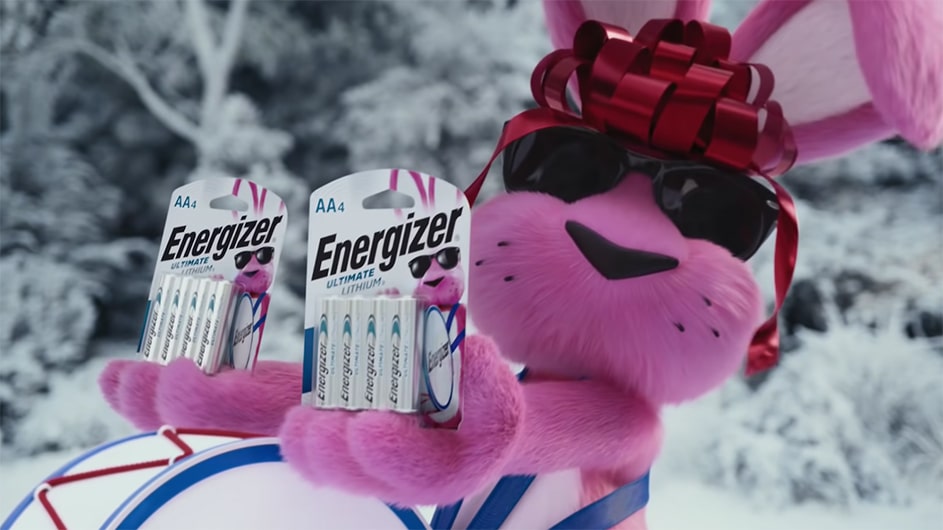
- Brand: Energizer
- Industry: Consumer Electronics
- First appeared in 1989
- How did it get so popular? The sunglasses-wearing bunny marches on to show lasting power. “It keeps going and going” became cultural. It disrupted competitor campaigns famously.
- Marketing lessons: Iconic slogans paired with relentless characters create memorable superiority claims.
20. Ronald McDonald
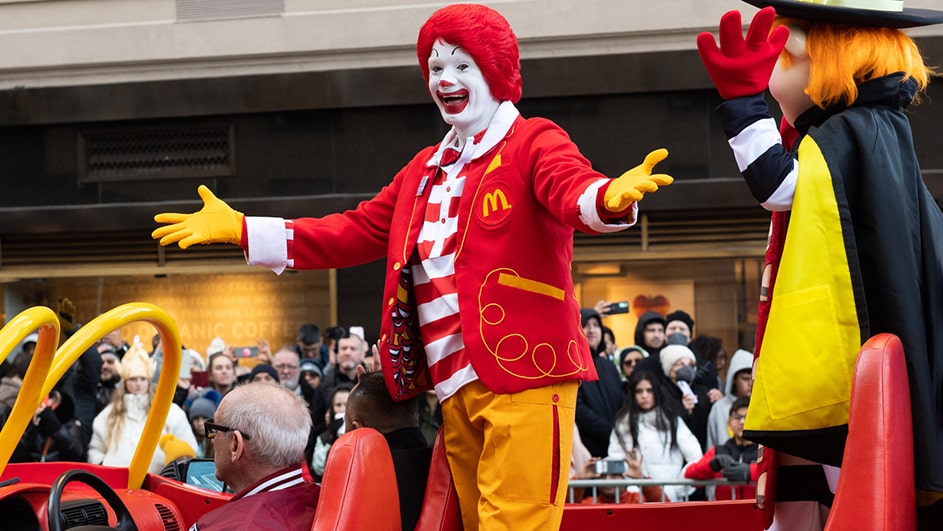
- Brand: McDonald’s
- Industry: Food and Beverage
- First appeared in 1963
- How did it get so popular? The clown in red and yellow brings happiness to kids through restaurants and charity. He evolved while keeping core friendliness. Ronald House Charities extended its positive impact.
- Marketing lessons: Community-focused characters build goodwill and family visits.
21. The Trix Rabbit
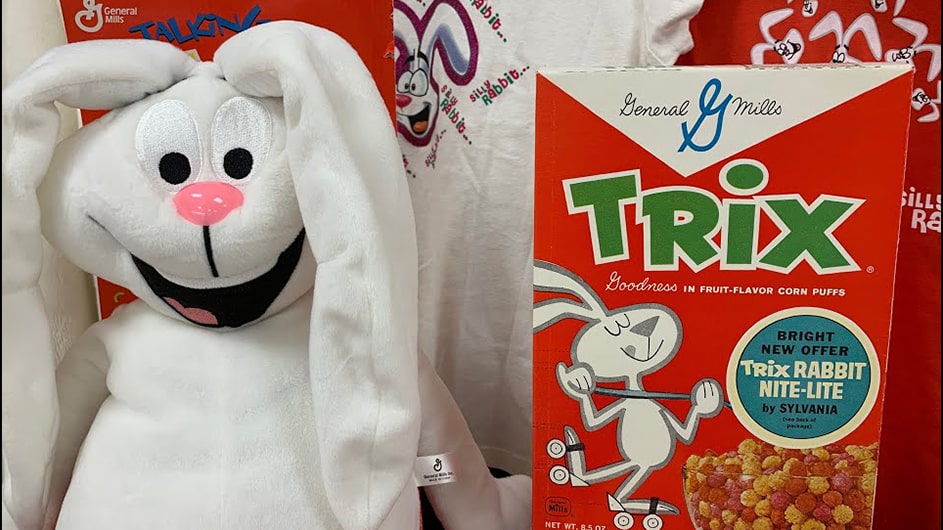
- Brand: General Mills
- Industry: Food and Beverage
- First appeared in 1959
- How did it get so popular? The rabbit desperately tries to get Trix cereal but “Silly rabbit, Trix are for kids!” His persistent efforts created humorous ads. This built strong kid loyalty.
- Marketing lessons: Relatable desire and humor drive product aspiration in children’s markets.
22. Mr. Clean
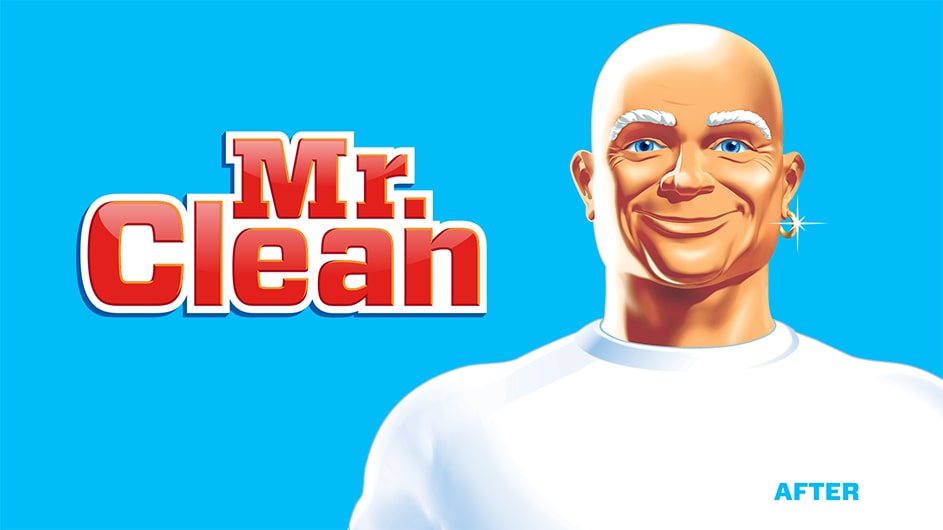
- Brand: Procter and Gamble
- Industry: Household
- First appeared in 1958
- How did it get so popular? The bald, muscular sailor promised sparkling clean results. His confident look appeared on bottles and ads for decades. Consumers linked him directly to effective cleaning.
- Marketing lessons: Strong visual metaphors for power make household products more approachable.
23. Chester Cheetah
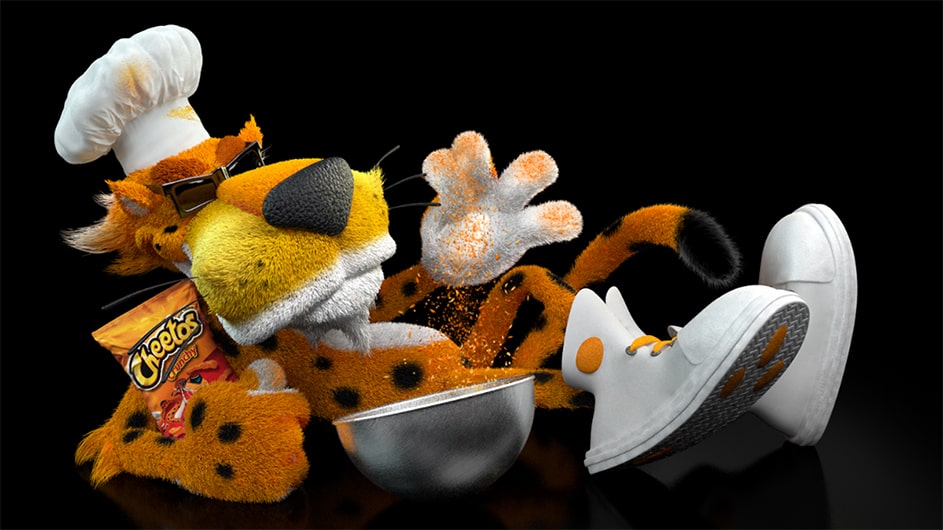
- Brand: Frito-Lay (PepsiCo)
- Industry: Food and Beverage
- First appeared in 1986
- How did it get so popular? The cool cheetah loves Cheetos with his laid-back style. “It’s not easy being cheesy” campaigns fit his personality. He targets teen and young adult snacking.
- Marketing lessons: Cool, rebellious characters connect with older youth demographics.
24. The Kool-Aid Man
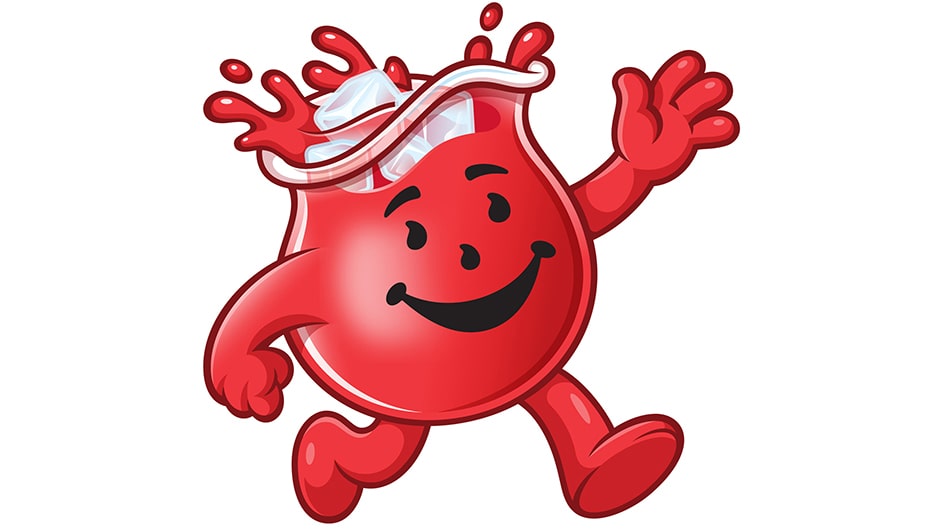
- Brand: Kraft Heinz
- Industry: Food and Beverage
- First appeared in 1954
- How did it get so popular? The pitcher character bursts through walls with “Oh yeah!” to deliver a refreshing drink. His energetic entrances became legendary in ads. Kids loved the fun surprise element.
- Marketing lessons: Bold, action-oriented characters make simple products exciting for younger audiences.
25. Snap, Crackle, and Pop
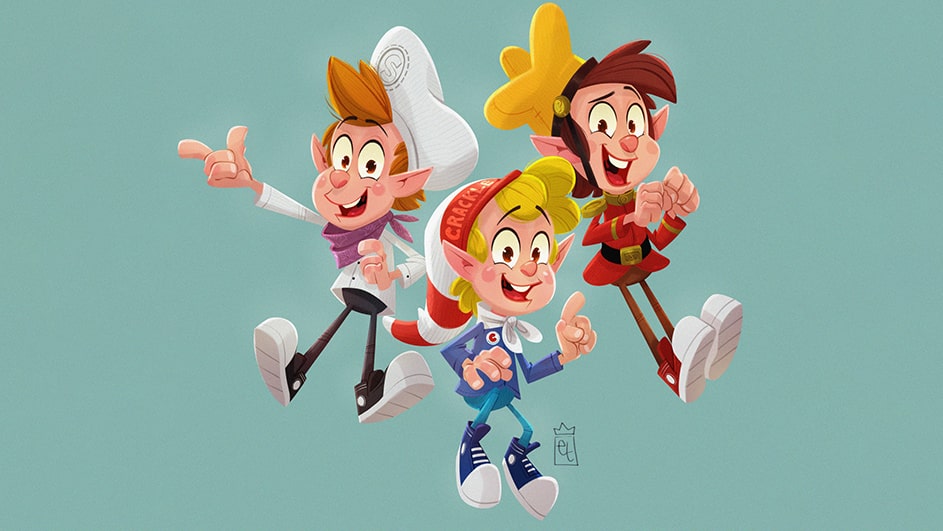
- Brand: Kellogg’s (Kellanova)
- Industry: Food and Beverage
- First appeared in 1933
- How did it get so popular? These three gnome-like brothers highlighted the cereal’s sound when milk hits it. They brought personality to Rice Krispies treats and ads. Their teamwork theme reinforced family sharing.
- Marketing lessons: Group characters illustrate product features in an engaging, shareable way.
26. Toucan Sam
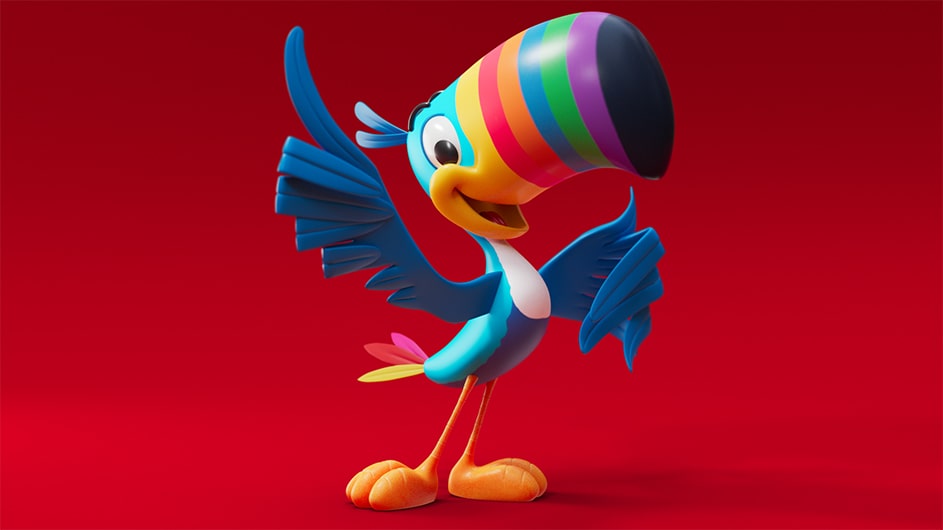
- Brand: Kellogg’s (Kellanova)
- Industry: Food and Beverage
- First appeared in 1963
- How did it get so popular? The colorful toucan follows his beak to Froot Loops. His adventurous personality encouraged kids to explore flavors. He remains a packaging staple.
- Marketing lessons: Sensory-focused characters highlight product taste and color effectively.
27. Cap’n Crunch
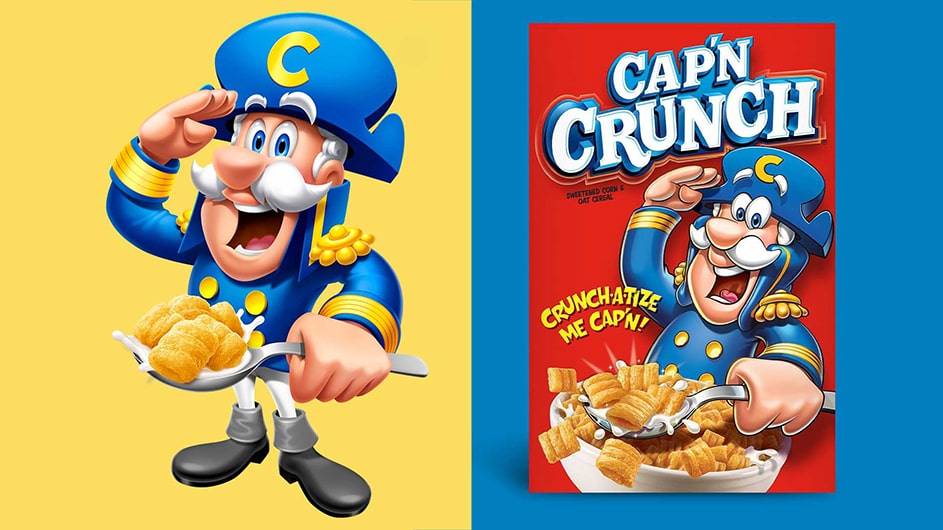
- Brand: Quaker Oats (PepsiCo)
- Industry: Food and Beverage
- First appeared in 1963
- How did it get so popular? The seafaring captain battles pirates to protect his cereal. Action-packed stories appealed to kids. The character supported multiple flavor extensions.
- Marketing lessons: Heroic adventures tie characters to product protection and fun.
28. Freddy
- Brand: Mailchimp (Intuit)
- Industry: Tech/Software
- First appeared in 2001
- How did it get so popular? The friendly chimp mascot adds warmth to email marketing tools. His presence in branding makes complex software feel accessible. Freddy supports creative campaigns.
- Marketing lessons: Playful animals reduce intimidation around technical services.
29. Android Robot (Bugdroid)
- Brand: Google (Alphabet)
- Industry: Tech
- First appeared in 2007
- How did it get so popular? The green robot represents open Android systems. Customizable and fun, it appears in developer events and stickers. Bugdroid signals approachability in mobile tech.
- Marketing lessons: Simple robots convey innovation while staying friendly.
30. McGruff the Crime Dog
- Brand: National Crime Prevention Council
- Industry: Public Service
- First appeared in 1980
- How did it get so popular? The trench-coated dog taught “Take a bite out of crime.” He appeared in school programs and ads. McGruff helped raise awareness on personal safety.
- Marketing lessons: Approachable authority figures make serious topics accessible to families.
31. Miss Chiquita
- Brand: Chiquita Brands International
- Industry: Food and Beverage
- First appeared in 1944
- How did it get so popular? The banana lady with a fruit hat educated consumers on banana quality and ripeness. She appeared in songs and packaging. This helped establish Chiquita as the go-to banana brand.
- Marketing lessons: Educational characters build category knowledge and brand preference.
32. BuzzBee
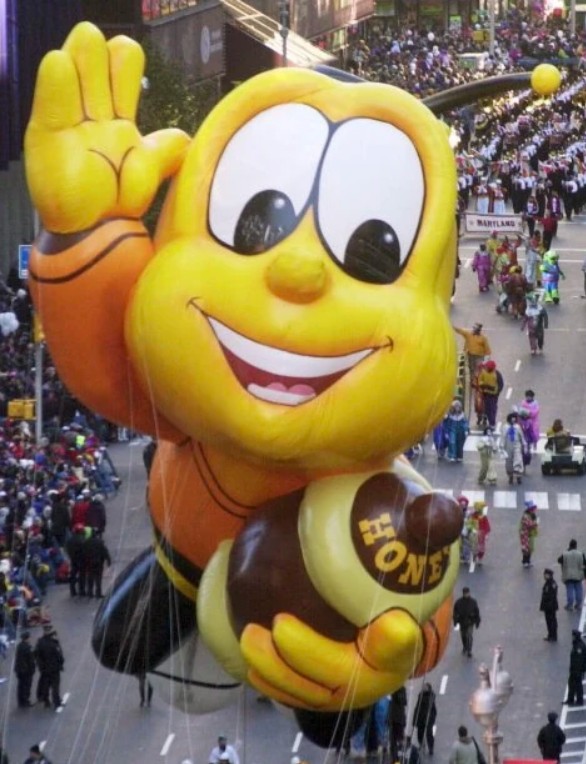
- Brand: General Mills
- Industry: Food and Beverage
- First appeared in 1979
- How did it get so popular? The bee promotes Honey Nut Cheerios with sweetness and energy. His buzzing enthusiasm highlights honey flavor. BuzzBee appeals strongly to children.
- Marketing lessons: Insect characters can convey natural sweetness effectively.
33. The Laughing Cow
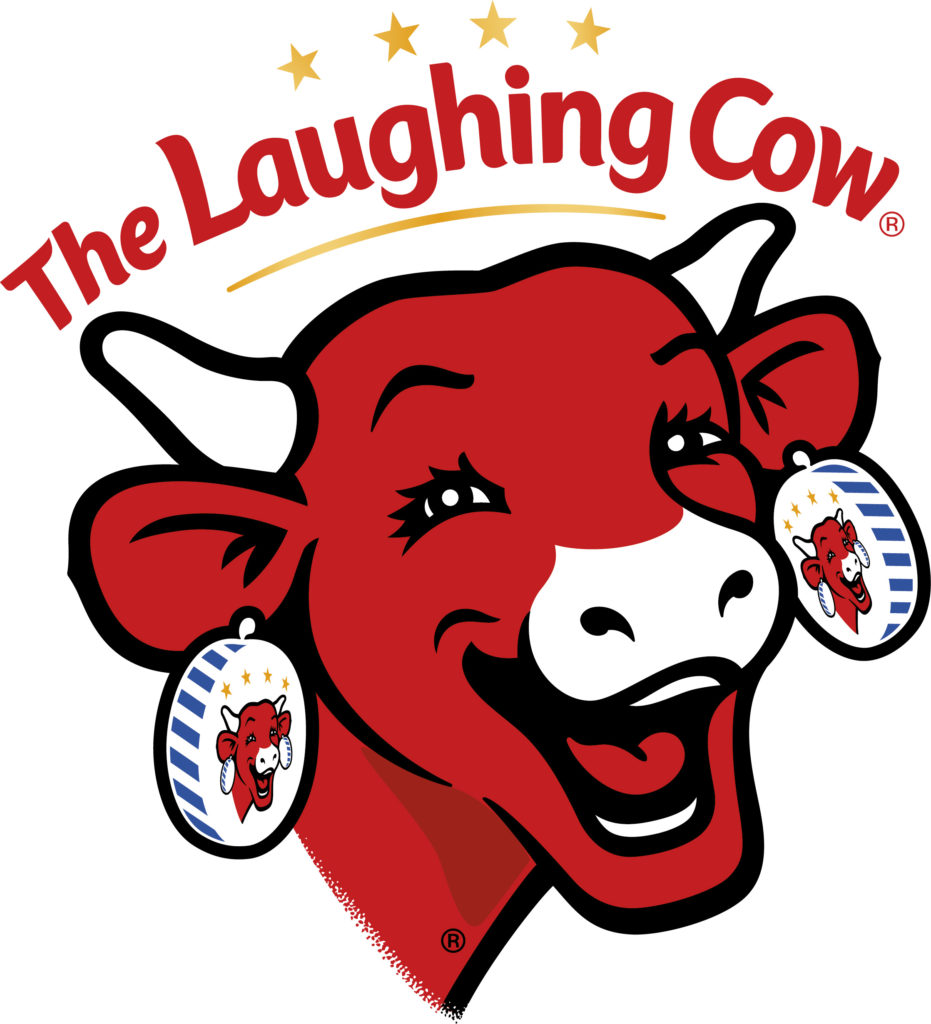
- Brand: Fromageries Bel
- Industry: Food and Beverage
- First appeared in 1921
- How did it get so popular? This smiling cow with earrings promoted cheese spreads with lighthearted humor. Her consistent, cheerful look made snacks fun for all ages. She helped the brand expand internationally.
- Marketing lessons: Gentle humor humanizes dairy products and supports broad family appeal.
34. MGM’s Leo the Lion
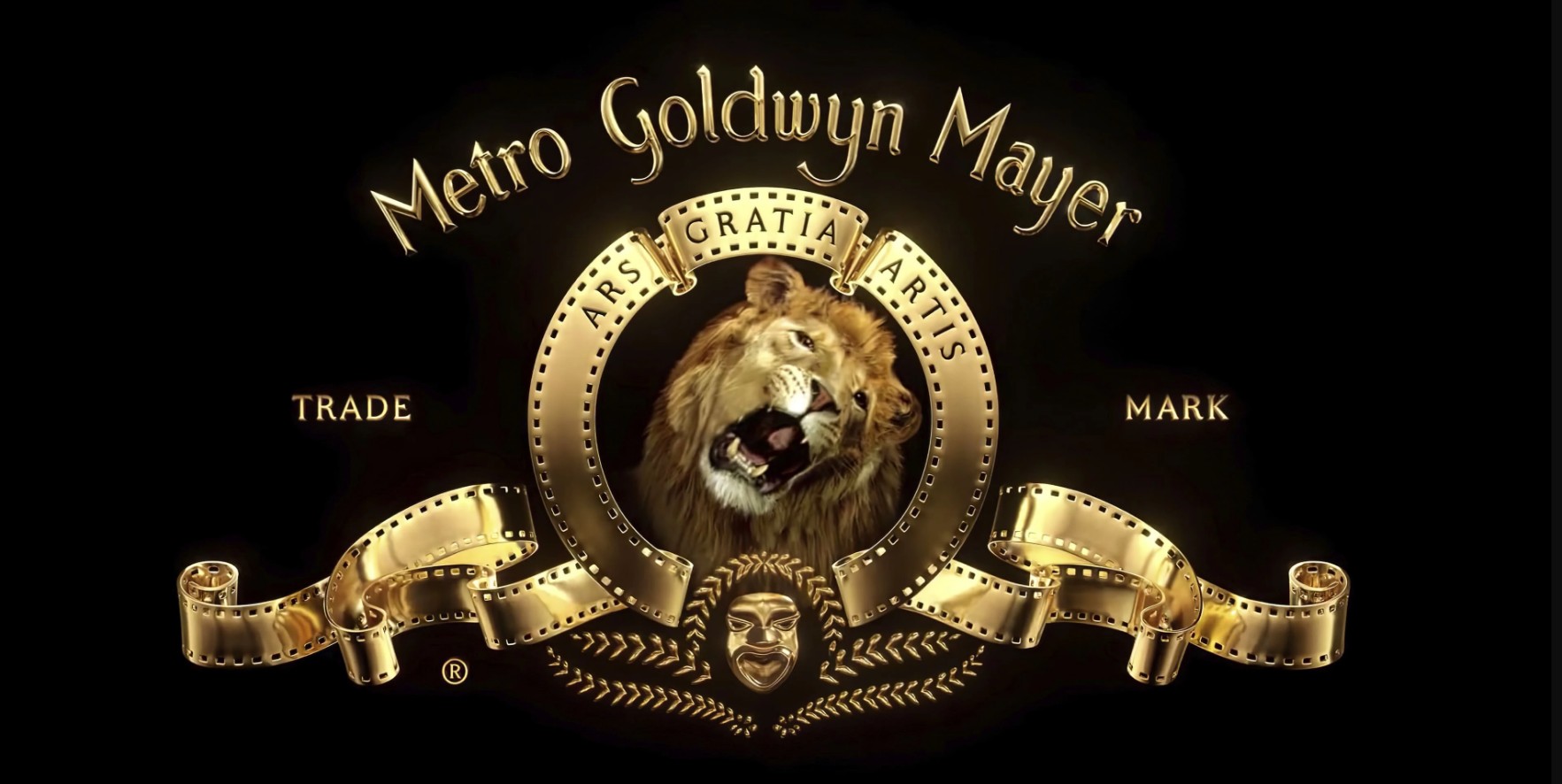
- Brand: Metro-Goldwyn-Mayer (Amazon)
- Industry: Entertainment
- First appeared: 1916
- How did it get so popular? Leo the Lion roared at the start of MGM films and became a symbol of Hollywood grandeur. His majestic presence in the logo introduced thousands of movies over the decades. The consistent use across generations made MGM synonymous with quality cinema.
- Marketing lessons: Powerful animal symbols create immediate prestige and emotional connection to entertainment experiences.
35. Gerber Baby
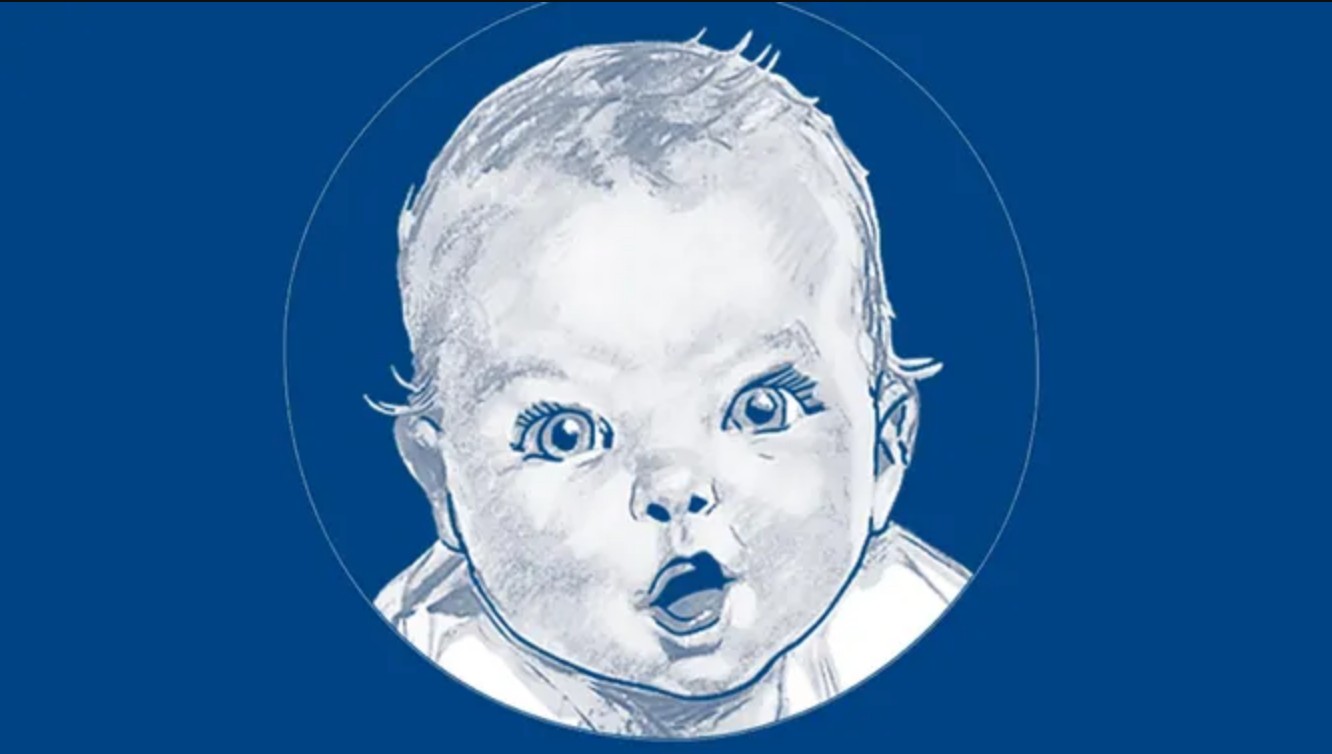
- Brand: Gerber (Nestlé)
- Industry: Baby Products
- First appeared in 1928
- How did it get so popular? The smiling baby face on jars signaled pure, wholesome baby food. It became one of the most recognized package designs ever. Parents trusted the image for generations.
- Marketing lessons: Simple, warm human imagery builds immediate parental trust in sensitive categories.
36. Juan Valdez
- Brand: National Federation of Coffee Growers of Colombia
- Industry: Food and Beverage
- First appeared in 1958
- How did it get so popular? The Colombian farmer with his mule promoted premium coffee beans. He emphasized authenticity and origin. Campaigns raised awareness of Colombian coffee quality worldwide.
- Marketing lessons: Realistic human characters highlight origin stories and justify premium pricing.
37. Lucky the Leprechaun
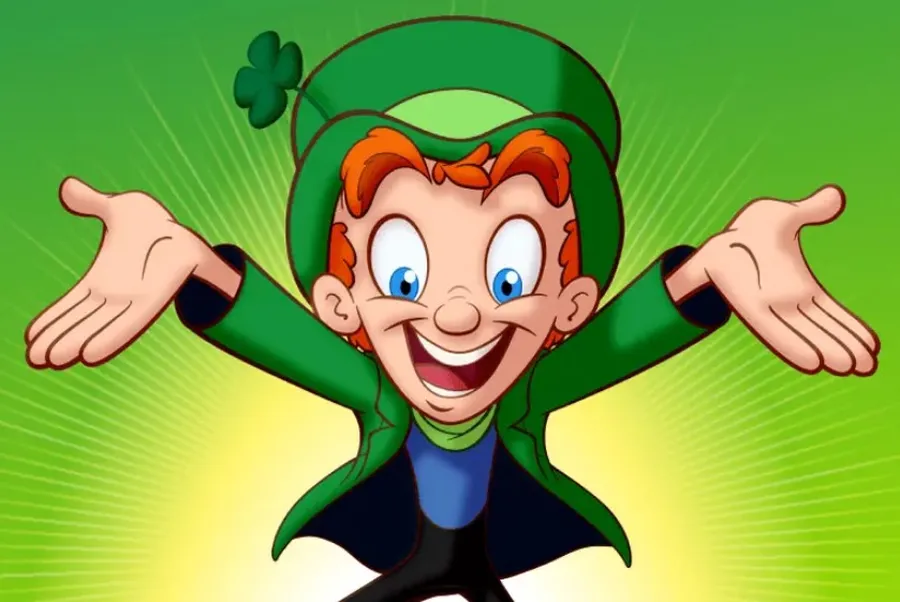
- Brand: General Mills
- Industry: Food and Beverage
- First appeared in 1964
- How did it get so popular? The Irish leprechaun guards Lucky Charms marshmallows. His magic and tricks created playful ads. The cereal’s unique marshmallows became a signature feature.
- Marketing lessons: Mythical characters enhance magical product elements like marshmallows.
38. Geoffrey the Giraffe
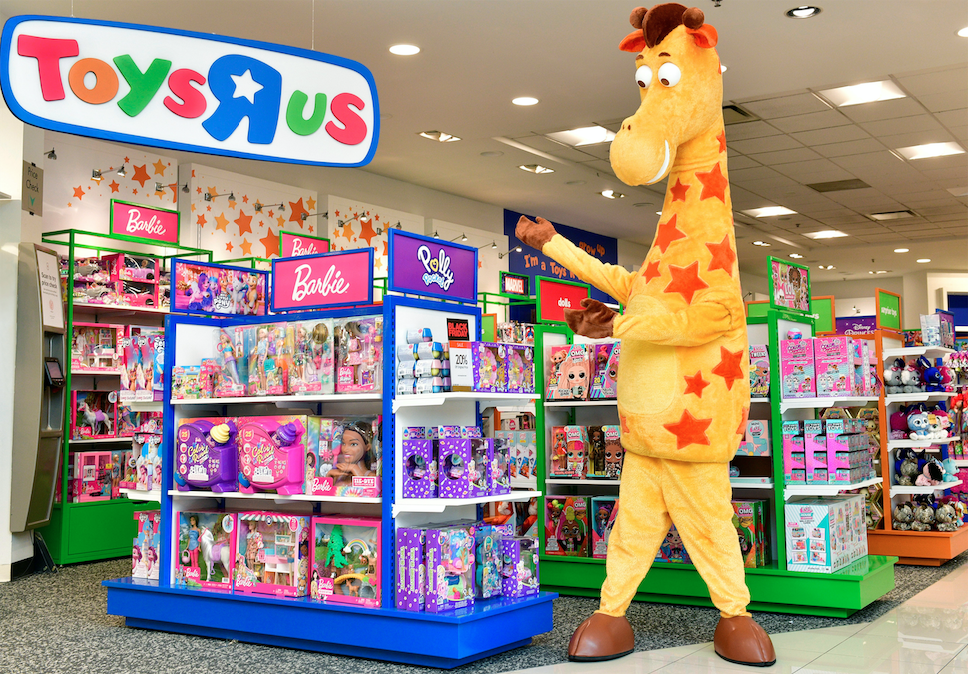
- Brand: Toys “R” Us
- Industry: Retail
- First appeared in 1965
- How did it get so popular? The tall giraffe welcomed kids to the toy store with excitement. He appeared in commercials and store events. Geoffrey made shopping trips memorable.
- Marketing lessons: Friendly animal characters turn retail visits into experiences.
39. Pac-Man
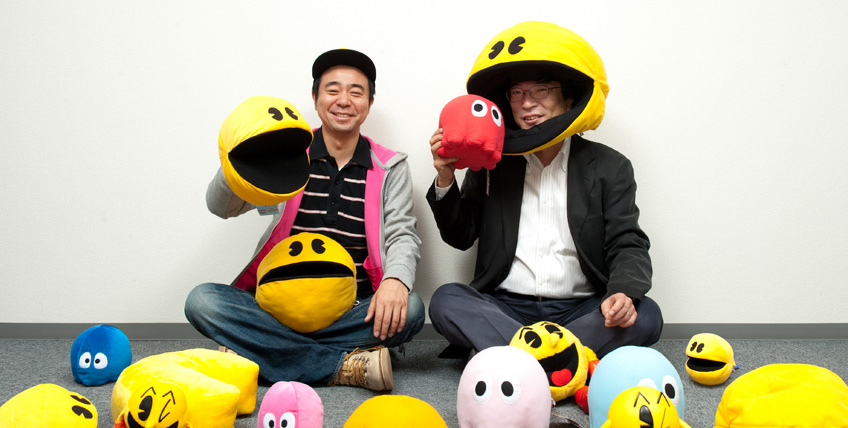
- Brand: Bandai Namco
- Industry: Entertainment/Gaming
- First appeared in 1980
- How did it get so popular? The yellow circle eating dots became a gaming legend. Arcade success led to merchandise and cultural status. Pac-Man influenced entire game design trends.
- Marketing lessons: Simple, addictive characters launch entire entertainment franchises.
40. Marlboro Man
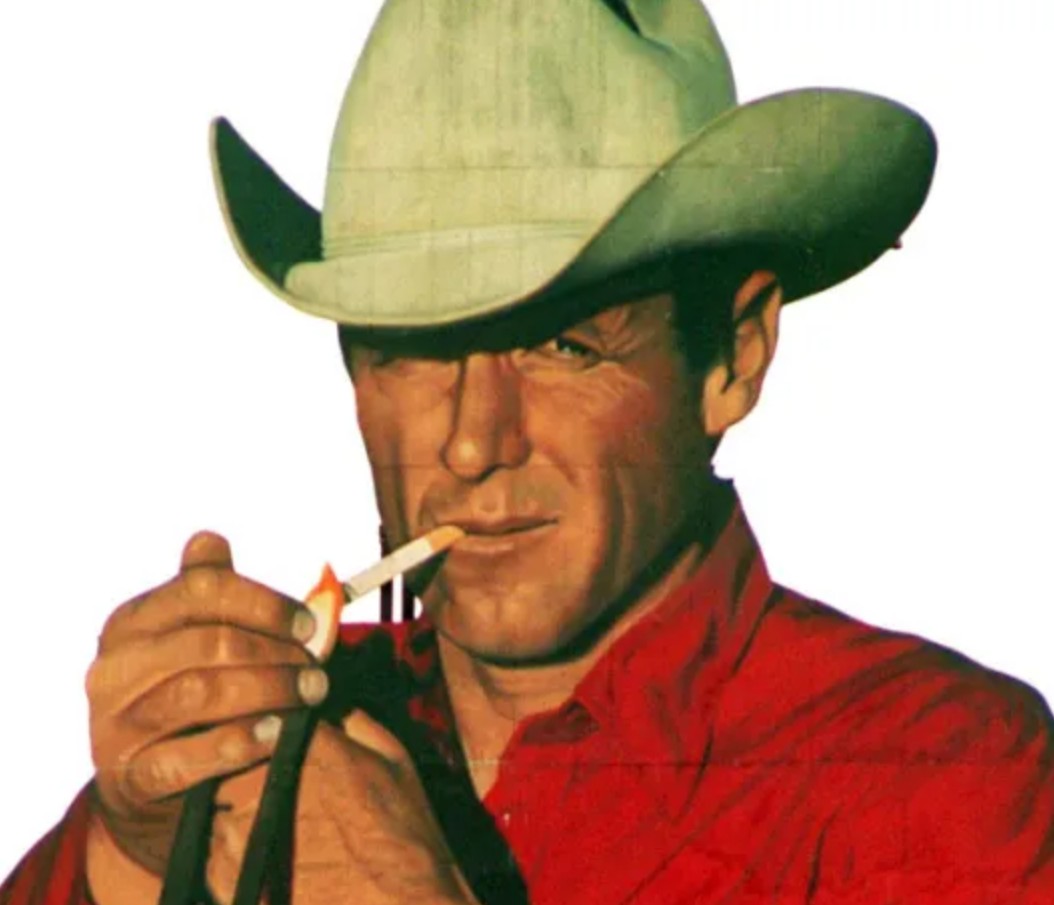
- Brand: Philip Morris USA
- Industry: Tobacco (historical)
- First appeared: 1954
- How did it get so popular? The rugged cowboy embodied independence and adventure in wide-open landscapes. Print campaigns positioned Marlboro as a masculine choice and drove massive sales growth in the 1960s and 1970s. His image became one of the most successful and later controversial advertising icons.
- Marketing lessons: Strong aspirational personas can transform brand perception and market position in mature categories.
41. Flo
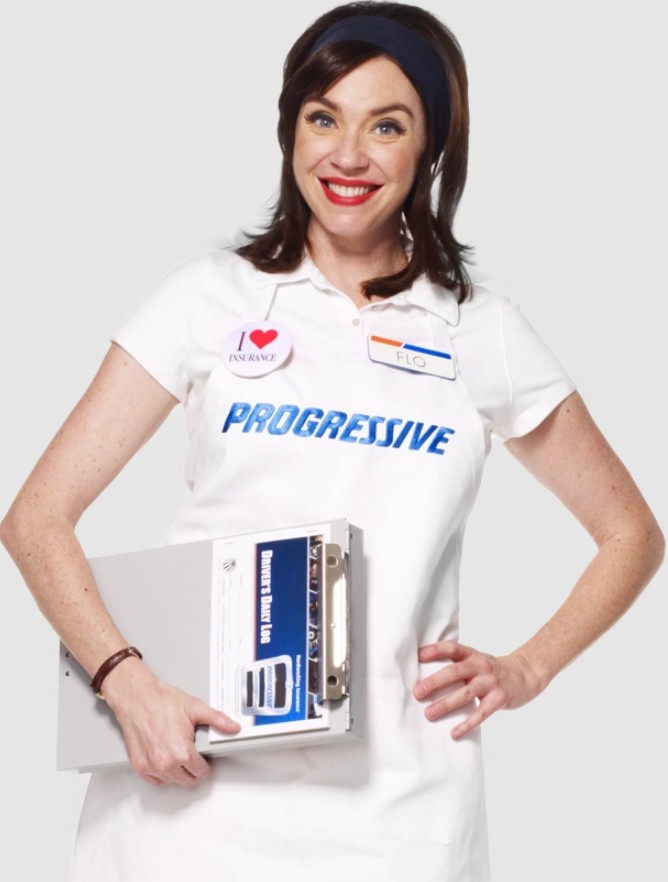
- Brand: Progressive
- Industry: Insurance
- First appeared in 2008
- How did it get so popular? The upbeat cashier character helps customers in store-like settings. Her helpful personality contrasts typical insurance ads. Flo built a strong name association.
- Marketing lesson: Cheerful human service figures make comparison shopping less stressful.
42. The Most Interesting Man in the World
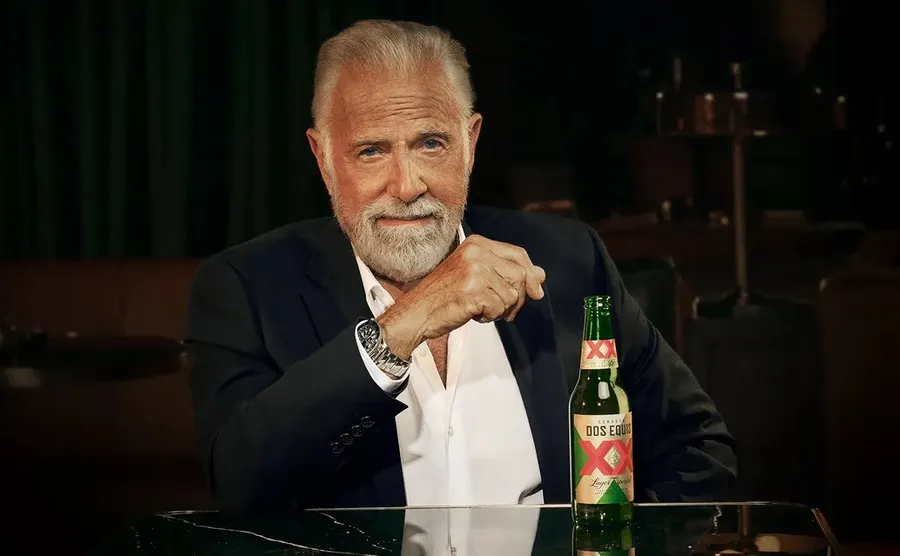
- Brand: Dos Equis (Heineken)
- Industry: Food and Beverage
- First appeared in 2006
- How did it get so popular? The bearded adventurer lived an extraordinary life in ads. “Stay thirsty, my friends” became a catchphrase. He appealed to men seeking sophistication.
- Marketing lessons: Narrative-driven characters create aspirational brand lifestyles.
43. Chick-fil-A Cows
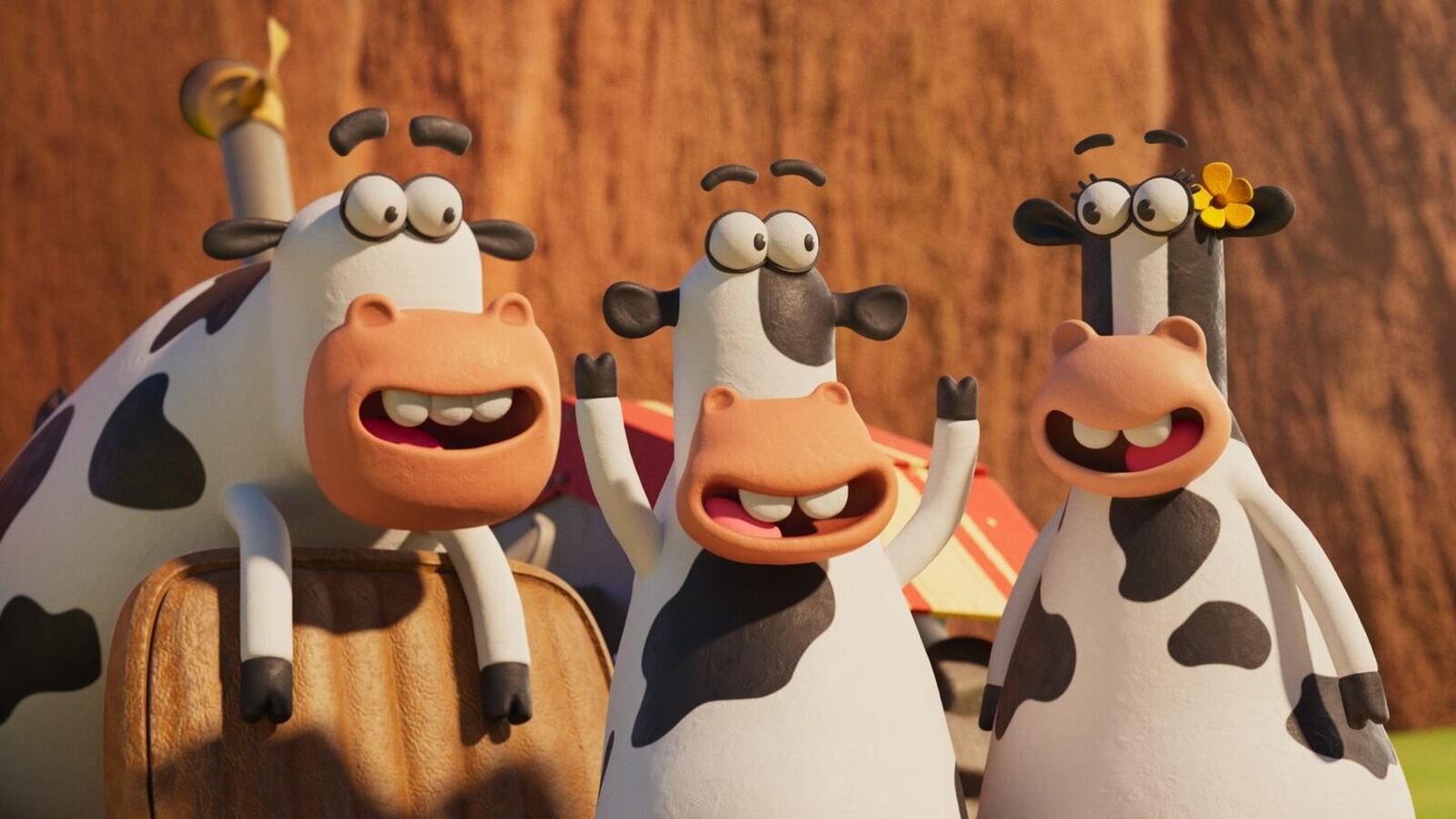
- Brand: Chick-fil-A
- Industry: Food and Beverage
- First appeared in 1995
- How did it get so popular? Cows with misspelled signs urge “Eat Mor Chikin.” The campaign cleverly promoted chicken over beef. It created a distinct, humorous brand voice.
- Marketing lessons: Activist-style humor from unexpected characters builds viral differentiation.
44. Julius Pringles
- Brand: Pringles (Kellanova)
- Industry: Food and Beverage
- First appeared in 1967
- How did it get so popular? The mustached face on the can gave the stacked chips a fun identity. His consistent look helped the packaging stand out. Pringles became known for both taste and character.
- Marketing lessons: Simple face designs on packaging create instant shelf recognition.
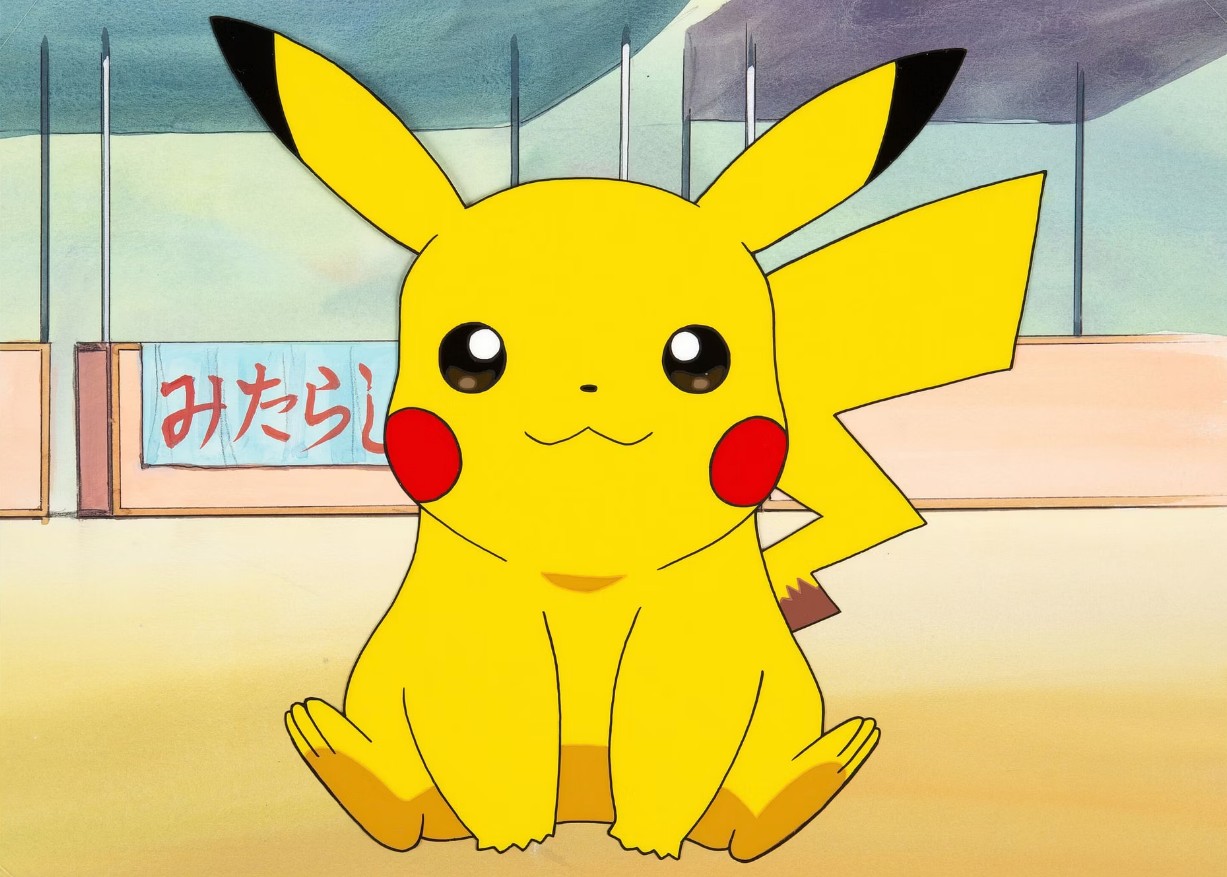
45. Pikachu
- Brand: The Pokémon Company
- Industry: Entertainment/Gaming
- First appeared in 1996
- How did it get so popular? The electric yellow mouse leads Pokémon adventures. Global media, games, and cards made it a phenomenon. Pikachu drives massive merchandise sales.
- Marketing lessons: Cute, powerful creatures fuel collectible and media empires.
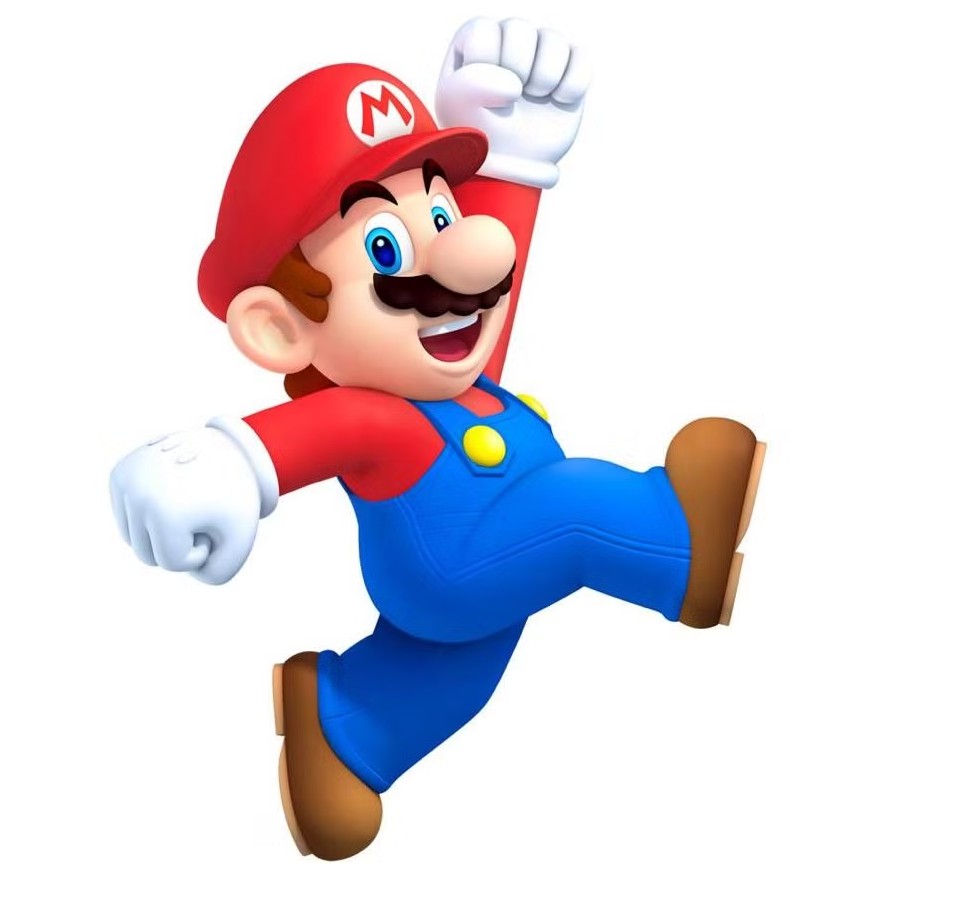
46. Mario
- Brand: Nintendo
- Industry: Entertainment/Gaming
- First appeared in 1981
- How did it get so popular? The mustached plumber jumps through levels with his brother Luigi. Iconic games and crossovers built Nintendo’s family-friendly image. Mario remains one of gaming’s biggest stars.
- Marketing lessons: Relatable everyman heroes create universal appeal in entertainment.
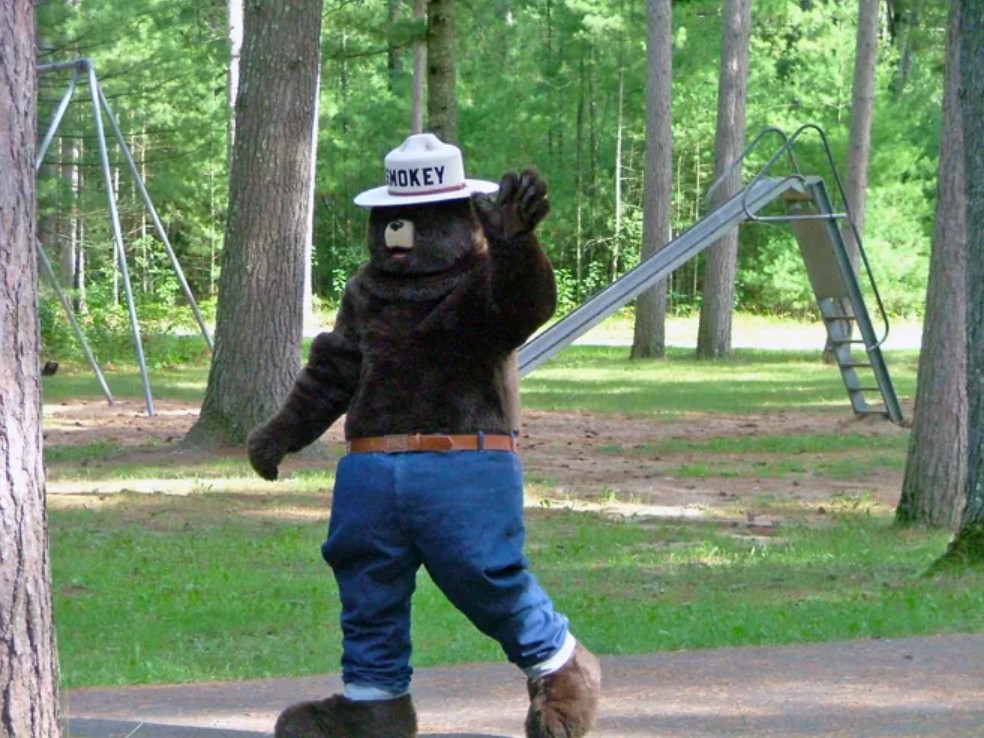
47. Smokey Bear
- Brand: U.S. Forest Service
- Industry: Public Service
- First appeared in 1944
- How did it get so popular? Smokey’s “Only you can prevent wildfires” message drove massive behavior change. He appeared in posters, ads, and education programs for decades. His campaigns reduced forest fires significantly.
- Marketing lessons: Authoritative yet friendly characters excel at public awareness and action.
48. Coca-Cola Polar Bears
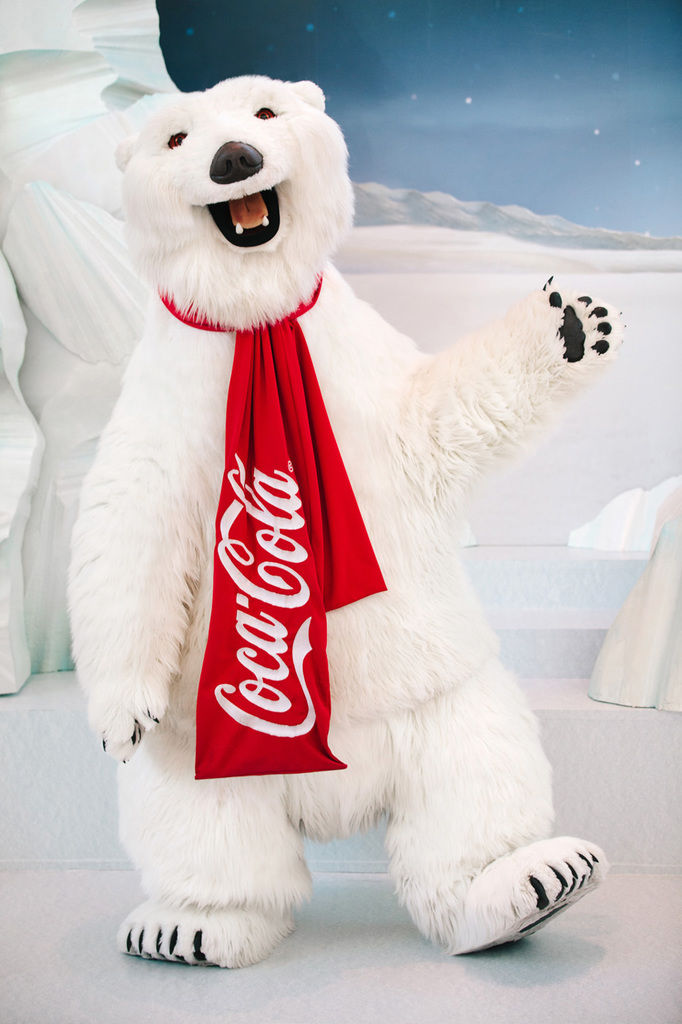
- Brand: The Coca-Cola Company
- Industry: Food and Beverage
- First appeared in 1922
- How did it get so popular? The friendly polar bears appeared in holiday ads drinking Coke together. They emphasized family warmth and refreshment. The campaign became a seasonal tradition that boosted winter sales.
- Marketing lessons: Seasonal characters strengthen emotional ties and create annual marketing events.
49. Duo
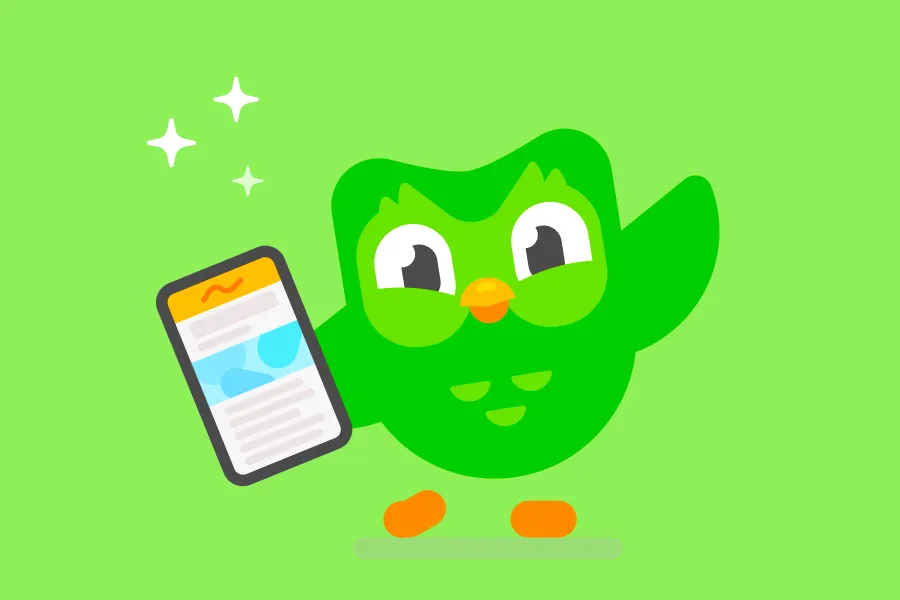
- Brand: Duolingo
- Industry: Education/Tech
- First appeared in 2012
- How did it get so popular? The green owl pushes daily lessons with persistence and humor. Viral stunts like the 2025 “death” campaign drove massive engagement and user growth. Duo turned language learning into social entertainment.
- Marketing lessons: Interactive, bold digital characters boost retention through emotional investment.
50. Astro
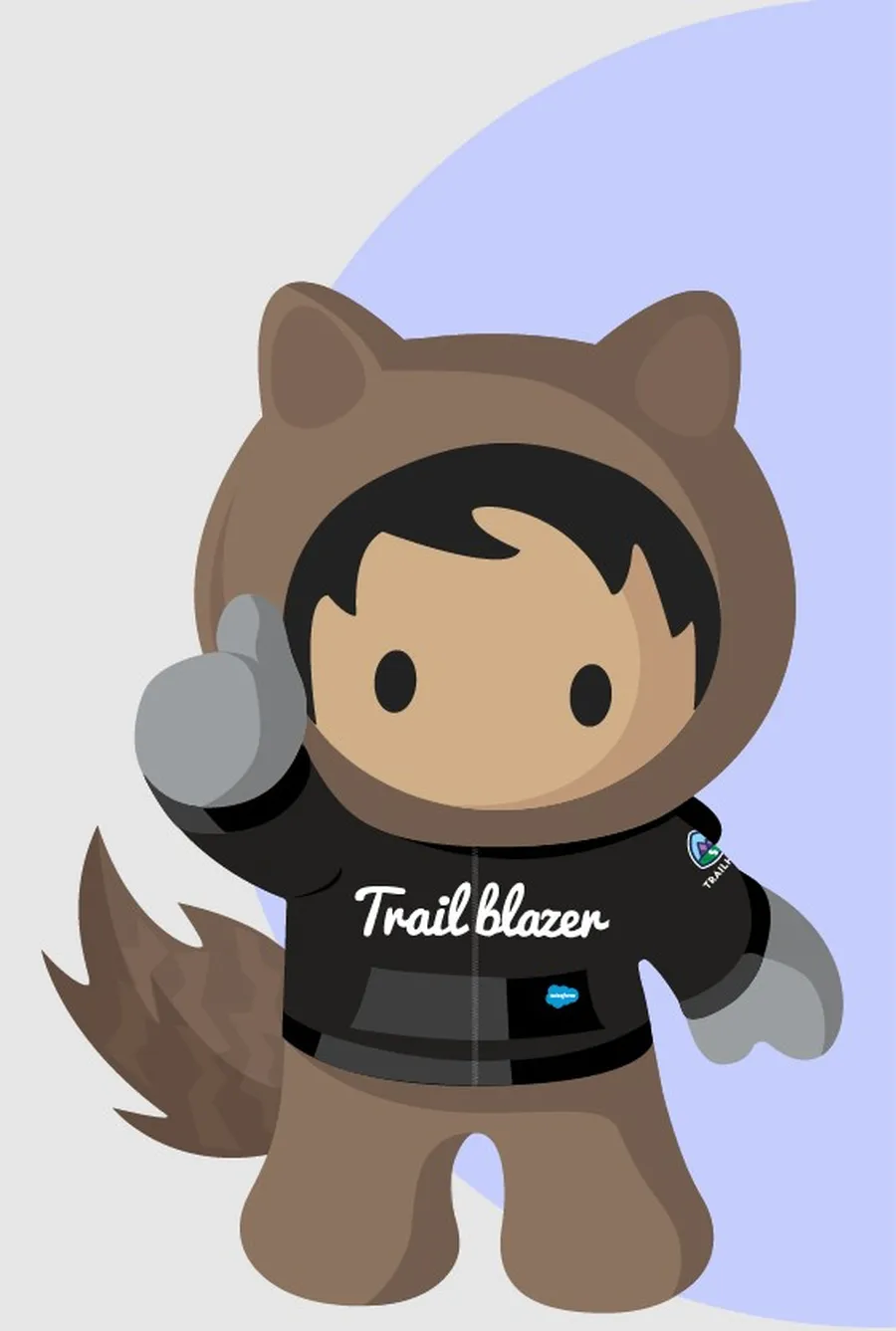
- Brand: Salesforce
- Industry: B2B Software/CRM /Cloud Computing
- First appeared in 2014
- How did it get so popular? Astro was originally created as a fun character for a Developer Week. Its popularity exploded when it became the main guide for Trailhead, Salesforce’s free online learning tool, where Astro helps users navigate training modules in a friendly, approachable way.
- Marketing lessons: Create a relatable, versatile mascot that can grow with your brand and turn intimidating technical products into friendly learning adventures.
How We Picked These Mascots
What Qualifies as ‘Brand Mascot’ on the List
The list is carefully made to reflect true influence in 2026. By popular brand mascots, we mean “durable assets” for brands, sports franchises, and global events, not temporary appeal for short-term campaigns.
Our criteria for choosing these lasting assets were:
- Audience engagement (It’s measured by social media followers as a strong proxy for visibility and popularity.)
- Consistent media presence
- Endurance over time (rather than a single campaign)
- Merchandising power
- Enduring relevance with a culture
How We Measured “The Most Famous” Criterion
The list prioritized:
- globally recognizable identities
- brand association (the mental connection customers make between a brand and its mascot)
- cultural impact (rather than mere age)
- proven business contributions (sales, market share gains)
- long-term, repeated use rather than one-off campaigns
- Social metrics
- familiarity across generations, including Gen Z
How Mascots Earn Their Places in the List
Only those mascots that fulfilled all the established criteria (global recognition, cultural impact, proven business contribution, etc) were selected and included in the list. To verify if the criteria are met, we developed the checklist below:
- Does the mascot have a consistent identity that is globally recognizable?
- Can people associate it with a brand or product line, even without a logo? (Does it function as a brand cue?)
- Does the mascot maintain a stable look, personality, and role?
- Is it used repeatedly over the years, rather than just in a single campaign?
- Is the brand mascot familiar to Gen Z?
- Does the mascot have a consistent and ongoing presence in modern media?
**Note:
The list doesn’t include:
- Amateur or school mascots
- One-time characters that never became long-term assets
- Random characters without a clear brand association
- Human spokespeople and celebrities
Update Policy for the Famous Mascot List
This May 2026 edition reflects the mascot landscape as of May 26, 2026. It includes timeless brand mascots with new standouts guided by digital trends, viral campaigns, and renewed focus on character-centered marketing.
To keep the list current and strategically useful, the list is updated periodically, usually seasonally or after major events like the Olympics, Super Bowl activations, or breakthrough social moments. Keep it current and strategically useful.
Final Thoughts on 50 Popular Brand Mascots
The 2026 review of the famous brand mascots conveys a clear message for marketers and brands: in 2026, brand mascots aren’t dying; they’re evolving to adapt, just as everything in the world does. The data and examples prove the approach works when executed with purpose.
Your mascot, too, has the potential to make it onto the list of the most famous ones. Start building your character strategy today for stronger connections tomorrow.
Evolve your mascot with audience needs.
Embrace technological innovations while protecting core identity;
Consider how brand storytelling with mascots could humanize your offerings or create new revenue.
And remember, the future of branding is supported by two pillars: Characters born from strategy-first, humanized approaches, and the technology that empowers those characters to think and act smart.
A modern brand mascot agency synthesizes these elements into a cohesive strategy.
Well, what will your choice be? A static drawing or an evolving growth engine?
FAQs
What makes a brand mascot effective in 2026?
Our review of the famous mascots shows that the most popular brand mascots in 2026 drive recognition and emotional bonds that translate into sales and loyalty.
They combine consistent visuals, clear personality, and engaging storytelling. Modern examples also consider adaptability to digital formats as well.
Who is the oldest corporate mascot still in use today?
The Quaker Oats Man (1877) is the oldest corporate mascot. It endures through subtle updates.
What are the top three brand mascots for Gen Z?
Duo from Duolingo, GEICO Gecko, and Pikachu, as per follower counts and engagement data from social platforms.
Are all the popular brand mascots active on social media?
No. While many modern mascots like Duolingo’s Duo and Mailchimp’s Freddy actively appear on social media, not every famous mascot has its own ongoing social presence. Many legacy mascots, such as the Michelin Man or Morton Salt Girl, remain influential through packaging, advertising, and brand campaigns rather than dedicated social accounts.
What is the most famous modern brand mascot?
There is no single official winner, but Duo from Duolingo is widely considered one of the most famous modern mascots due to its viral social media presence, meme culture relevance, and strong engagement with Gen Z audiences. Other major contenders include the GEICO Gecko and the M&M’s Spokescandies, which continue to maintain high recognition across multiple generations.
Which country has the most famous brand mascots?
The United States is generally home to the largest number of globally recognized brand mascots. Iconic characters such as Ronald McDonald, Tony the Tiger, Mr. Peanut, the Kool-Aid Man, and the GEICO Gecko were all created by American brands and have achieved worldwide cultural recognition through decades of advertising and media exposure.
What is the most popular B2B brand mascot?
Astro from Salesforce is widely regarded as the most recognizable B2B brand mascot today. Originally introduced for developers, Astro became the face of Salesforce’s Trailhead learning platform and now helps simplify complex CRM and cloud products through a friendly, approachable character that resonates with business users around the world.

Thanks for this thorough post. I couldn’t find any other blog that covers the topic as comprehensively as this one.
Meticulous Review, Great Job Here.
I fall in love with Freddy!
Hear me out… the Kool Aid Man
Wow, I love this! So nostalgic and so many beloved mascots! 🥰
how is duo not on year!!!
Where is the Man from Glad