- Key Takeaways
- Why Tech Companies Are Turning to Mascots
- When Brand Mascots Work in Tech
- When Brand Mascots Don’t Work in Tech
- What Successful Tech Mascots Have in Common
- Brand Mascots Are Not for Every Tech Brand
- Decide If Your Tech Brand Should Have a Mascot
- The Biggest Mistakes Tech Brands Make With Mascots
- What We Carry Forward
- FAQs

Samira Content Specialist
Key Takeaways
- A brand mascot is a character that gives a tech product a consistent, human face. It works when it makes an abstract or intimidating product approachable and fails when its personality clashes with the brand’s positioning.
- Mascots humanize technical or impersonal products. Linux’s Tux and Mailchimp’s Freddie turn dry, complex offerings into friendly, memorable characters users recognize instantly.
- Consistency makes mascots stick. Over the years, Tux and Android’s Bugdroid have appeared everywhere (in ads, packaging, UI, and onboarding), compounding brand recognition rather than fading after a single campaign.
- A playful mascot undermines a serious brand. An enterprise security or fintech firm risks credibility when a cartoon fronts a high-stakes product.
Some of the world’s most powerful tech companies (from Microsoft to Apple) are rolling out cute characters to front their brands.
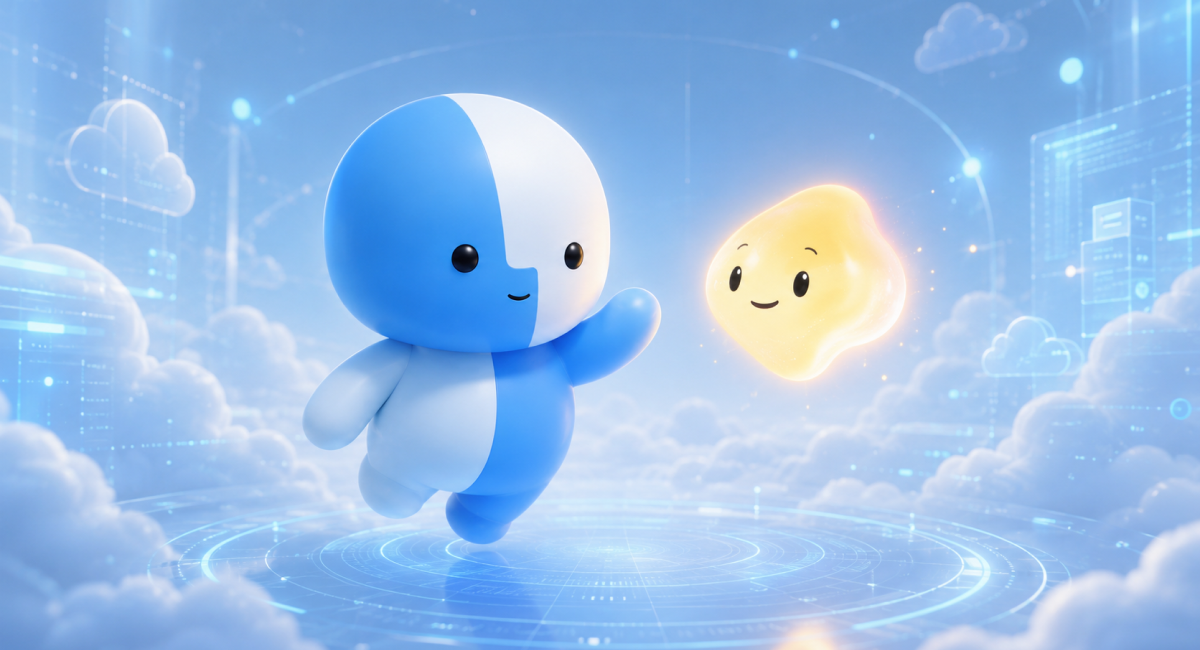
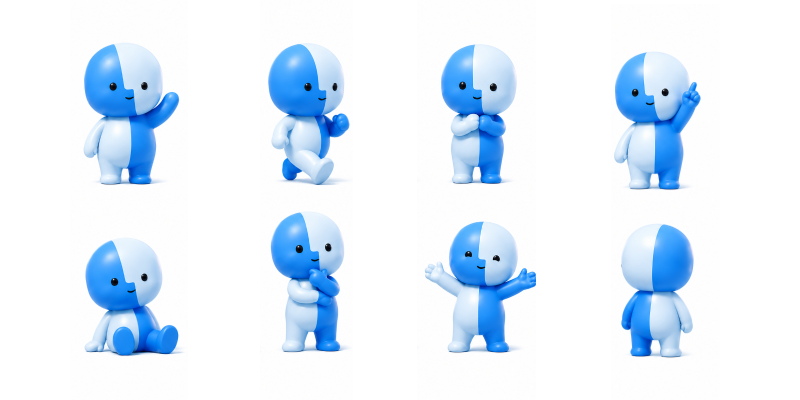
Apple exemplifies the use of a brand mascot in the tech industry. The company introduced a blue and white brand mascot unofficially known as “Little Finder Guy” to promote a new laptop, while Microsoft unveiled Mico, a blob-like smiley character for its AI assistant Copilot, though the company carefully insists it’s “not a mascot, but an optional visual identity.”

Experts say the tactic is often used to make a brand seem more human and friendly and to build a stronger connection with customers. But mascots in tech have always been high-risk, high-reward. Done right, a character builds emotional connection and recognition that sticks for years. Done wrong, it signals a brand that doesn’t fully understand its own audience. This article breaks down when mascots work, when they don’t, and how to decide whether your brand actually needs one.
Why Tech Companies Are Turning to Mascots
Have you seen Apple’s new mascot? Recently launched, the blue-and-white character has already been nicknamed the “Little Finder Guy” by fans online.
However, this mascot (along with many other tech mascots) has also sparked controversy. Some critics argue that technology companies use cute and friendly characters to shape public opinion and distract people from scandals or corporate crises.
But that is not the whole story. Tech brands also rely on virtual mascots because they help create a sense of familiarity, which is extremely valuable in marketing.
“When consumers are exposed to mascots, especially from a young age, they often develop warm and lasting feelings toward the brand,” says Anthony Patterson, professor of marketing at Lancaster University Management School.
For tech brands, building an emotional connection with customers can be difficult. The industry is often associated with numbers, code, and cold efficiency. Mascots, however, help fill that gap by adding personality, warmth, and a human touch to otherwise technical products and services.
Patterson also says: “Mascots give a voice, a personality, a face even, to a company that is cold and impersonal to many people.”
When Brand Mascots Work in Tech
Should all tech brands have a mascot? Of course not. But when the fit is right, a character can achieve what no tagline or logo can on its own. So why not take advantage of it? Here are some reasons a brand mascot might work for you:
Making the Abstract Human
Tech products often sell something invisible: speed, security, intelligence, efficiency. A mascot gives that abstraction a face. When users can project personality onto a product, the relationship shifts from transactional to emotional. For example, Linux’s Tux penguin helped turn an operating system into something people could actually feel attached to, not just use.
Signaling Approachability
Complexity is tech’s original sin. A well-designed mascot can soften the learning curve before a user even opens the product.
It says, ” We know this is hard, and we’re on your side.”
This is especially effective for developer tools, platforms targeting non-technical users, or any product asking someone to change a deeply ingrained habit.
For example, a hosting company could use a relatable mascot to help users pick the right service, install it, and manage it with ease. It makes a technical process feel surprisingly simple. Amazing, isn’t it?
Visual Consistency Across Touchpoints
A mascot is a visual constant. It moves through the onboarding experience, error pages, social media, conference swag, and documentation without losing context. Such consistency makes it easier for users to recognize and remember the product in a world where brand identity often feels disjointed.
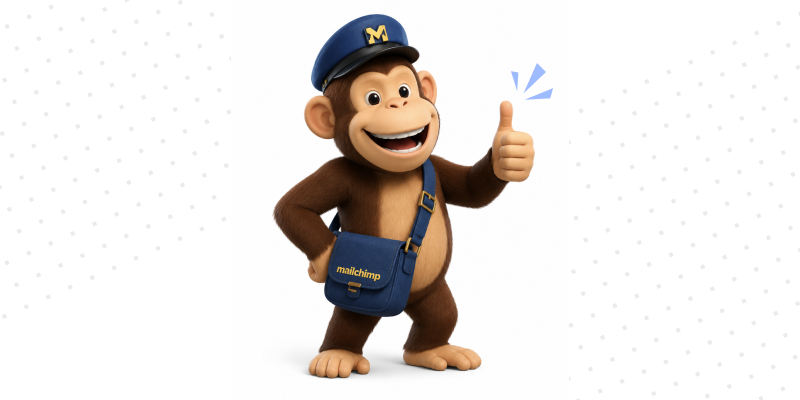
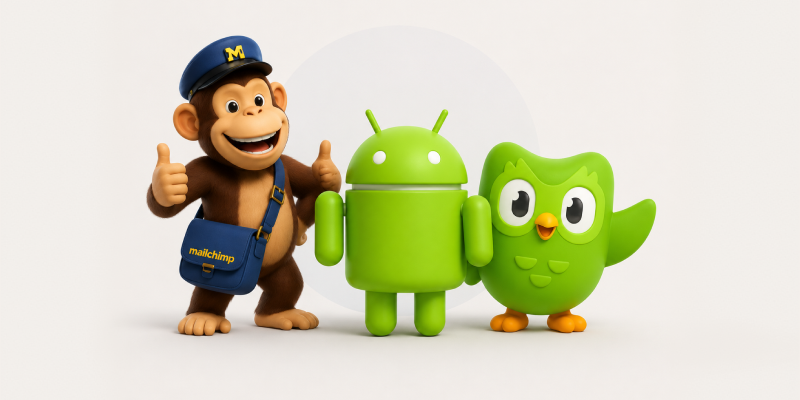
If I say “Mailchimp,” what image immediately comes to mind? Most likely, a yellow chimpanzee. That’s exactly the effect of mascot consistency across different touchpoints; it’s what has helped Mailchimp stay memorable in people’s minds as a tech company.
Having a Point of View
The weakest mascots are decorative. The strongest ones have a personality that reflects the brand’s actual values. What does your brand sound like?
Curious, irreverent, precise, playful? Or any other values. What I want to say is that when a mascot’s behavior is consistent and legible, it starts to function less like a logo and more like a spokesperson. Users know what to expect from it, and that predictability builds trust.
When Brand Mascots Don’t Work in Tech
The Wrong Product Fit
Some products simply don’t have room for a character. Enterprise security platforms, financial infrastructure, and compliance software are all areas where customers need absolute confidence when handing over critical systems and sensitive data. A mascot in that context can undermine credibility before a single conversation takes place. Playfulness reads as immaturity when the stakes are high enough.
No Real Personality
A mascot with no understandable point of view is just clip art. Too many tech companies design a character to look friendly without asking what it actually stands for. The result is something forgettable at best and unsettling at worst. A smiling blob that could belong to any product in any category isn’t a good idea for a tech brand.
Moving Beyond the Character
Sometimes a mascot starts early and then becomes a liability. What looks good to early adopters can look childish once you scale into the enterprise or upmarket. Retiring a mascot is an art form in itself. Continuing to use one that no longer fits the ambitions of the brand can hold back the whole identity.
Do you remember Microsoft’s Clippy mascot? After a while, it became annoying, so they retired cute Clippy.
What Successful Tech Mascots Have in Common
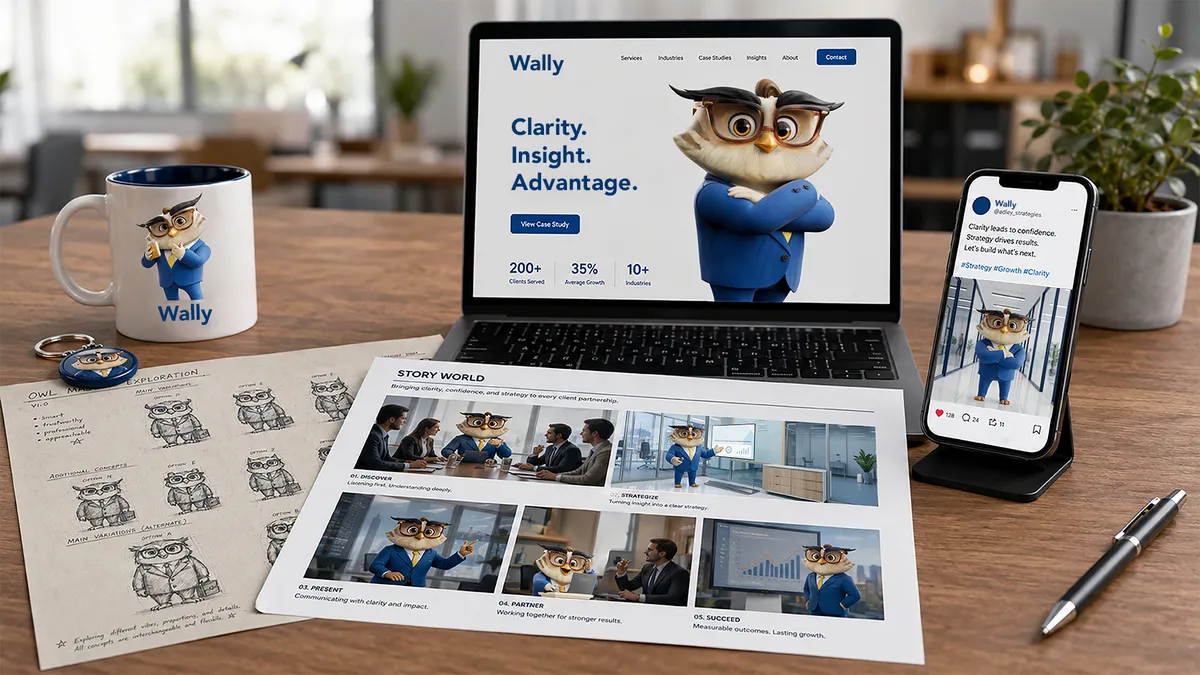
Before getting into what makes a mascot work, it helps to look at the ones that actually do. Wally the Owl from Williams Adley,
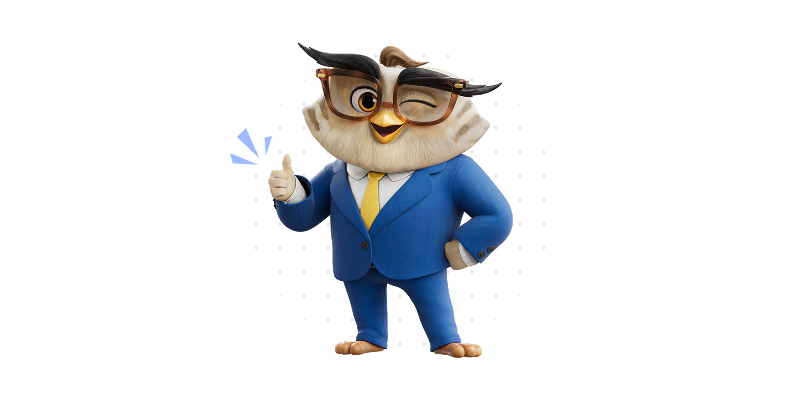
Android’s Bugdroid, and Mailchimp’s Freddie the chimp are three of the most recognizable mascots in tech. What do these successful mascots have in common?
They’re Simple Enough to Go Anywhere
None of these mascots are complicated. A wise, watchful owl. A minimalist robot silhouette. A bold cartoon chimp face. You could sketch any of them from memory after seeing them once, which is exactly the point.
In tech, a mascot has to hold up at every size and in every context, such as app icons, website headers, onboarding screens, billboard ads, conference lanyards, and tiny mobile notifications. A complicated design doesn’t survive that kind of travel. Simplicity does.
They Put a Face on Something Abstract
Learning about the intricacies of federal regulations, navigating Android’s open ecosystem, and managing email marketing campaigns. None of these are inherently warm experiences. But each mascot quietly changes that.
Wally feels like a trusted guide through complex terrain (a wise and vigilant guardian, as his backstory puts it).
Bugdroid makes open-source technology feel welcoming rather than intimidating.
Freddie turns what could be a cold SaaS dashboard into something with a personality.
The key point I would like to emphasize is that the product stays the same; the mascot just makes it easier to like.
They Match the Brand’s Actual Tone
What’s striking about all three is how well each character reflects the company behind it.
Wally is knowledgeable, steady, and reassuring, which maps perfectly to Williams Adley’s positioning as a trusted expert in audit, compliance, and cybersecurity.
Bugdroid carries a sense of openness and tinkerer-friendliness that mirrors Android’s developer culture. Freddie is informal and a little witty, which is exactly how Mailchimp has always positioned itself against more buttoned-up enterprise competitors.
They Show Up Everywhere, Consistently
A mascot builds recognition through repetition. All three of these characters earn their keep by appearing across the full product experience (onboarding flows, marketing campaigns, social media, merchandise, live events). You don’t just see them in a logo. You encounter them. That consistency is what turns a design asset into something people actually remember.
People Actually Form Attachments to Them
This is the part that’s hardest to engineer and easiest to overlook. Users joke about Duo hunting them down if they miss a lesson.
This is the part that’s hardest to engineer and easiest to overlook. Clients and team members who interact with Williams Adley’s content come to see Wally as more than decoration. As the firm describes him, Wally is a storyteller and a bridge between dense expertise and human connection
Developers have a genuine affinity for the Android robot that goes beyond the phone in their pocket. Marketers who’ve grown up with Mailchimp think of Freddie as part of the product, not just the branding. That kind of emotional attachment is rare, and it’s worth more than any awareness metric.
What ties all three together is something simple: Tech mascots make technology feel human. Not by dumbing it down, but by giving it a face that people can actually relate to.
Brand Mascots Are Not for Every Tech Brand
Brand mascots aren’t a universal solution, and for a significant part of the tech industry, they’d be an active mistake. Platforms dealing with financial infrastructure, enterprise data, or security don’t have room for a cheerful character on their login screen. Their buyers are CFOs and acquisition committees who need to feel confident, not charmed. In that context, a mascot doesn’t signal approachability; it signals immaturity.
Stripe is a good example. Its brand is accurate, restrained, technically assured, and that restraint is intentional. A mascot would undermine precisely what makes it credible. Do you think a CFO or CISO signing off on a CrowdStrike contract feels more confident seeing a witty mascot on the homepage? Almost certainly not.
Decide If Your Tech Brand Should Have a Mascot
There are clear clues that will tell you if your brand needs a tech mascot. Briefly, the decision comes down to three things: who your buyers are, what your brand tone is, and what you need people to feel when they first encounter you. The table below breaks it down:
| Clue | What it means | Reflect on this |
| Your audience is general consumers or individual users | Emotional connection matters; approachability is a feature | Is emotional connection a competitive advantage for us? |
| Your product has a steep learning curve | A mascot can soften onboarding and reduce intimidation | Are users overwhelmed or intimidated throughout the onboarding process? |
| Your brand voice is playful, informal, or friendly | A character is a natural extension of that tone | Does a mascot fit our existing brand personality? |
| You operate in a crowded, noisy market | A mascot creates instant visual differentiation | Do we need stronger brand recognition and memorability? |
| Your buyers are CFOs, CISOs, or enterprise procurement | Trust and credibility outweigh relatability | Would a mascot make us look less professional and less trustworthy? |
| You sell security, compliance, or financial infrastructure | Playfulness signals immaturity in high-stakes contexts | Would a mascot diminish seriousness in our market? |
| You’re a developer tool or technical platform | Depends on the tone. Some dev tools use mascots well (Linux), others don’t need one | Would a mascot make our platform feel more approachable without undermining technical trust? |
The more these clues match your brand, the stronger the case for a mascot. Ultimately, choose the option that best supports your audience, positioning, and brand perception.
The Biggest Mistakes Tech Brands Make With Mascots
Decorative and Inconsistent Use
The most common mistake is treating a mascot as a visual garnish. Mascot branding for tech companies is very important; the character shows up on the homepage, maybe the onboarding screen, and then quietly disappears for the rest of the product experience. No personality, no consistency, no real role in the brand. It’s just there because someone thought it would make the product feel friendlier.
I experienced this firsthand while working at IranServer, an Iranian hosting company. We introduced a mascot named Bluebot for our email newsletter. However, because the marketing, social media, and product teams were not fully aligned, the mascot was never used to its full potential and was quickly forgotten.
That was a missed opportunity. Bluebot could have appeared throughout the customer journey: in onboarding flows, social media content, website pages, ebooks, and even support chats.
With a brand-aligned, character-driven marketing strategy, it could have become a recognizable and memorable part of the brand experience.
No Alignment With the Product
A mascot that doesn’t reflect what the product actually does, or how it makes people feel, is worse than no mascot at all. It creates a disconnect between the promise the character makes and the experience the product delivers.
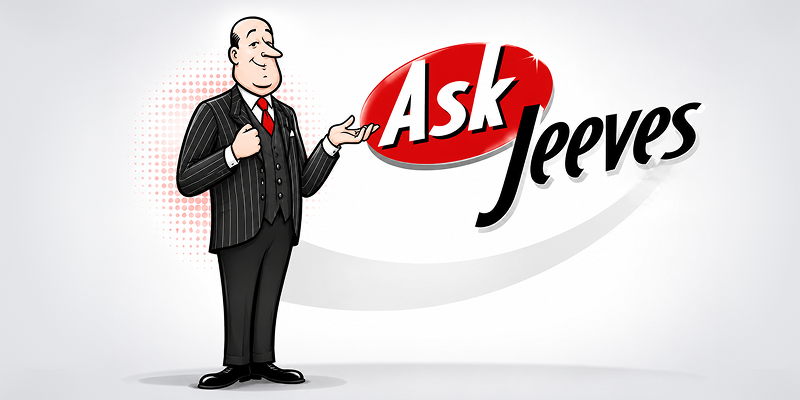
An early version of this problem showed up with Ask Jeeves, the search engine that built its entire identity around a dapper British butler. The character implied precision, sophistication, and white-glove service. The actual search results were mediocre. The gap between the mascot’s implied promise and the product’s reality made the brand feel hollow rather than charming.
Forcing a Mascot on the Wrong Audience
Some brands introduce a mascot because it worked for a competitor or because it tested well in a focus group, without asking whether their specific audience actually wants one. The result is a character that feels imposed rather than earned.
Mozilla’s an interesting case. Mozilla was originally a giant green lizard made by Netscape, and the name was a combination of the words “Mosaic” and “Godzilla”. In the 1990s, it was the symbol of Netscape’s ambition and technical power during the browser wars.
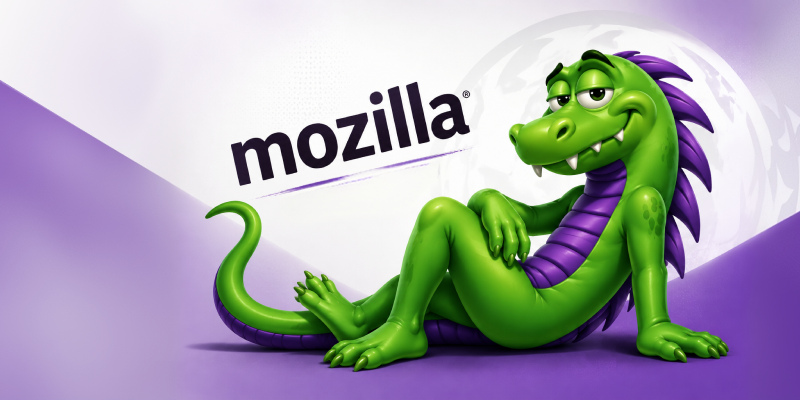
As time went on, the users became more attached to the products than to the mascot itself. When Firefox emerged as Mozilla’s flagship browser, its distinctive fox-and-globe logo developed a much stronger identity. People remembered and related to Firefox, not the Mozilla character. So there was no longer any need for two different brand symbols, and the mascot slowly died out as the company’s branding developed.
Avoiding this mistake comes down to one question asked early: who is actually making the decision to use this product, and what do they need to feel?
You can talk to your buyers directly, look at who you’re selling against, or test the character in context to find the answers.
Redesigning Without a Reason
Mascots in tech build equity through repetition. Changing a character’s look too frequently without a meaningful reason erases the recognition that’s been built up. Users don’t just notice the change; they lose the thread entirely.
Mascot rebranding should be driven by valid reasons and data, rather than aesthetic preferences alone. Necessary triggers include: brand repositioning, tone mismatch, outdated associations, and expanding roles.
If you want to know more, check out this post: Rebranding a Company Mascot: Key Signs and Strategic Tips
What We Carry Forward
The fact that Apple and Microsoft (two of the most recognizable brands in the world) are still experimenting with mascots shows that the challenge of humanizing a tech brand is far from solved.
As technology becomes more powerful and complex, mascots can help bridge the emotional gap by giving users something relatable and human to connect with.
Before introducing your tech mascot, you need to understand your audience and consider whether a mascot truly fits your identity. An end-to-end brand mascot agency assist you in making the right choices for character design and strategies for launch and growth.
When done well, a mascot can create a stronger emotional connection. When done poorly, however, it can undermine credibility and make the brand seem less professional or even highly ridiculous. Any questions?
FAQs
Are mascots more effective for B2C tech than B2B tech?
Generally, yes. Mascots work really well in B2C where emotional connection is key. In B2B, credibility is usually more important. So, it’s a little risky to bring in a mascot for b2b tech brands.
Should a startup create a mascot early or later in its branding?
Later. Nail your product, audience, and brand personality first. A mascot built on shaky foundations won’t survive the pivots ahead.
Can AI brands or SaaS companies use mascots effectively?
Yes, if the character reflects what the product actually does. Microsoft’s Mico and Mailchimp’s Freddie both show it’s possible.
What are examples of failed tech mascots?
Ask Jeeves’ butler and Mozilla’s revolving cast of characters. All failed for the same reason: no clear strategy behind the character.