
Leila D.Content Marketer and StorytellerPart marketer, part storyteller, with a keen eye for what others miss. Leila D. distills complexity into creative ideas people feel, remember, and act on. For the past three years, her works have navigated new territories in character-driven marketing communications, brand storytelling with modern mascots, and AI-powered virtual influencers.
Key Takeaways
- Real-time marketing with AI influencers involves rapid responses to live events, social trends, and customer interactions instead of relying on pre-planned campaigns.
- In real-time engagement, AI influencers manage high volumes of simultaneous conversations across platforms without fatigue or quality loss.
- In real-time marketing, virtual influencers maintain strict brand alignment during fast-moving situations.
- In real-time marketing, owned AI identities offer full control, IP ownership, and long-term gains. Rented AI influencers, on the other hand, are ideal for short-term campaigns.
Did you know a regional retail giant like Magazine Luiza responds to thousands of customer questions, joins local trends, and drives sales during peak shopping moments, all thanks to a digital social media star?
Iconic figures like Lu do Magalu exemplify how AI influencers are evolving into dependable sales forces that transform moments into measurable growth.
In real-time marketing campaigns, AI influencers offer true benefits, such as:
- consistent digital presence for brands
- round-the-clock operation without human limitations
- real-time personalization and adapt to local contexts
- immediate responses to trends, customer questions, and live events through high-volume interactions
- the ability to maintain a unified voice and values
- anything difficult to achieve with real people under pressure
And the present article will cover them all in detail, plus future directions and solutions to avoid common pitfalls.
The focus stays on building lasting growth through consistent, personality-led presence rather than one-off tactics.
Treat these digital characters as strategic assets and gain speed, efficiency, and deeper audience connections.
Stay tuned.
What Is Real-Time Marketing?
Real-time marketing is about responding to things as they occur; whether it’s a Live event, social conversation, a rising trend in the market, or customer actions to a live post.
It moves away from fixed campaign calendars toward dynamic participation in ongoing cultural and consumer dialogues.
Unlike traditional campaigns with fixed timelines, real-time efforts rely on monitoring tools, quick decision-making, and the ability to create or adapt content fast.
A brand might respond to a viral meme, a breaking news story, or a sudden shift in audience preferences. Success depends on speed, relevance, and authenticity. When done well, it boosts real-time engagement, builds trust, and drives immediate actions like purchases or shares.
Businesses see clear growth potential here. Fast responses turn fleeting attention into loyalty. They also support trend-based marketing, where brands ride waves of public interest without looking opportunistic.
Yet many struggle because human teams face limits in availability, approval processes, and creative output under pressure. This opens the door for character-centered solutions that operate without those constraints.
Why Are AI Influencers Better Suited for Real-Time Marketing?
They Handle Volume and Simultaneity
Isn’t it pretty cool that a single person can manage multiple conversations across time zones and platforms without a drop in quality?
Of course, humans typically lack this ability, but virtual influencers eliminate such limitations.
Lu do Magalu is the prime example of a core brand asset; she demonstrates this in reality.
With millions of followers, she fields product queries, offers recommendations, and engages customers continuously.

They Offer Precision in Brand Alignment During Fast Moments
That’s another point brand should take into consideration. Real people carry personal histories that can create misalignment in rapid replies. Virtual characters, however, operate within defined parameters set by the brand. That reduces off-message risks in sensitive or trending contexts.
Some studies show followers often engage more with sponsored content from virtual influencers, particularly in fashion and beauty.
They Enable Tighter Data Integration
Real-time personalization becomes practical when the character adapts suggestions based on context while preserving core traits. This supports scalable, on-brand participation that compounds over repeated, real-time engagements rather than isolated campaigns.
In short, virtual influencers shift virtual influencer marketing from tactical bursts to a reliable presence. Brands gain a strategic asset that maintains voice integrity when speed matters most.
Examples of AI Influencers in Real-Time Marketing
Real-time sales with AI influencers is a unique experience. Yet, some may doubt whether they could trust unreal agents when it comes to effective interaction and sales.
To eliminate any uncertainty, let’s quickly review some standout real-world efforts. Yes, virtual influencers already appear in real-world scenarios that demand quick thinking. Real deployments and platform capabilities show how they perform in live scenarios.
Trend Reactions on TikTok, Instagram, and X
Speed determines visibility on these platforms. When a sound, challenge, or topic surges, early participants capture the most attention. AI-powered influencers contribute to this visibility, as they monitor conversions and contribute without delays.
Take the examples below.
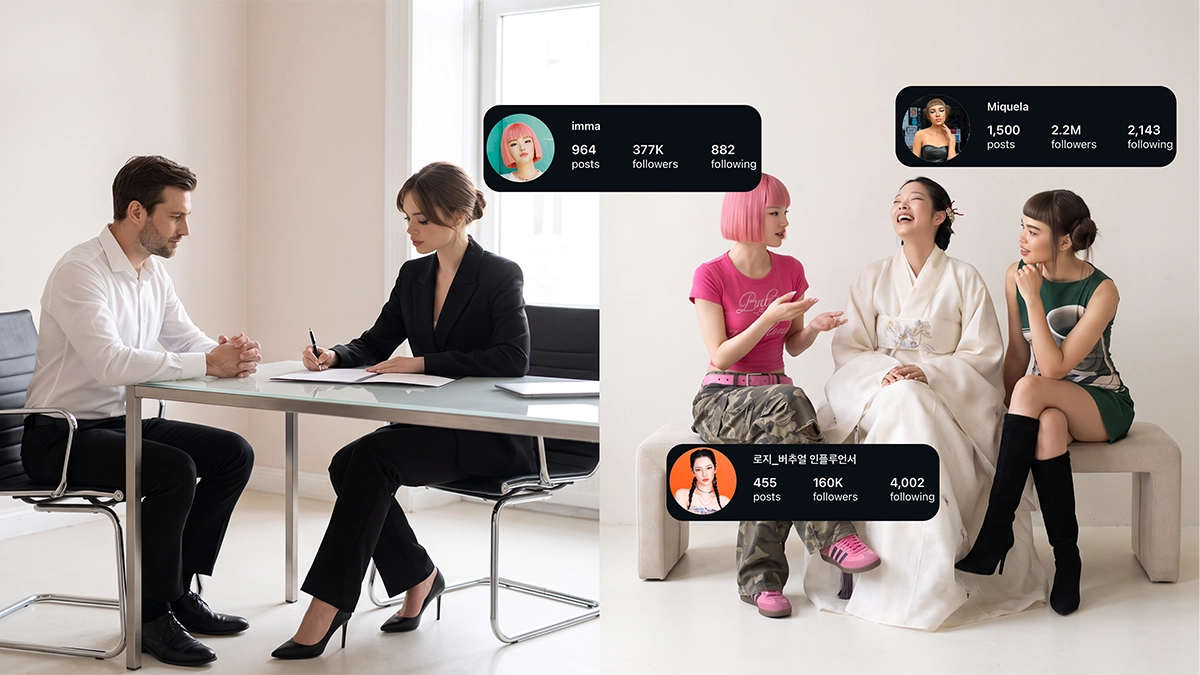
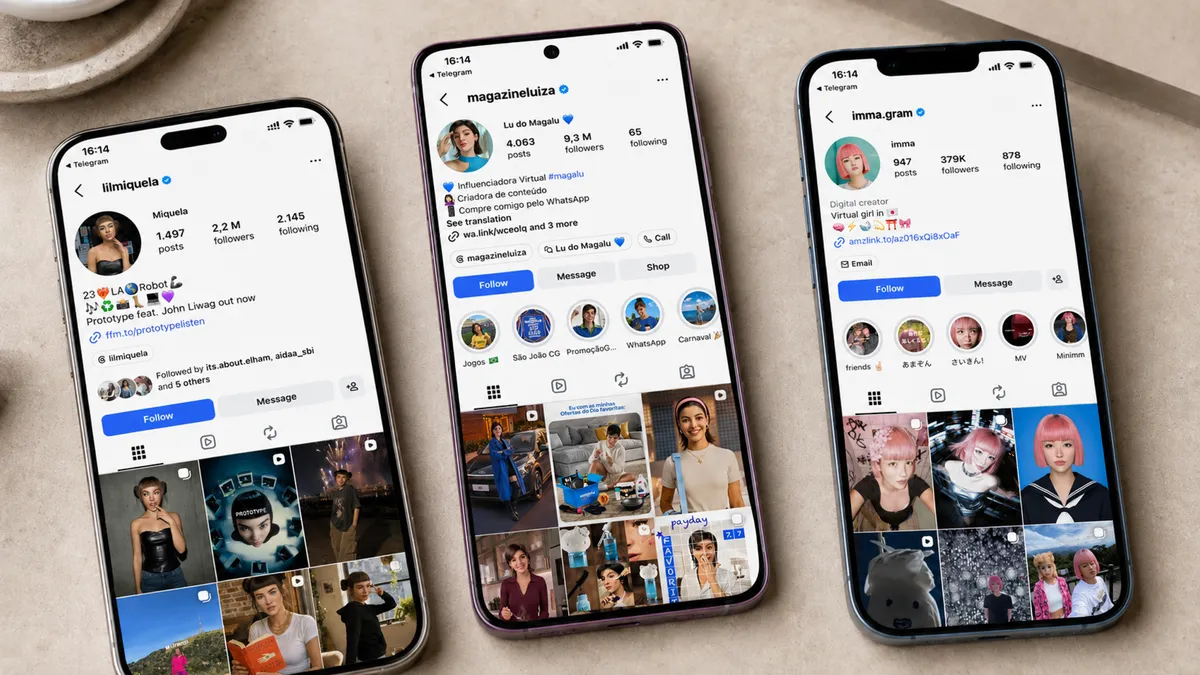
Lil Miquela has participated in cultural moments through partnerships like Samsung and Prada. Her consistent visual and narrative style keeps real-time engagement high across posts. She appeared in short films targeting Gen Z; they contributed to 126 million views and strong engagement.
Lu do Magalu picks up on local trends and memes in Brazil. She delivers timely commentary that aligns with retailer promotions. This keeps her relevant while driving traffic to products.
View this post on Instagram
AI Salespeople Are Dominating Live Stream Commerce
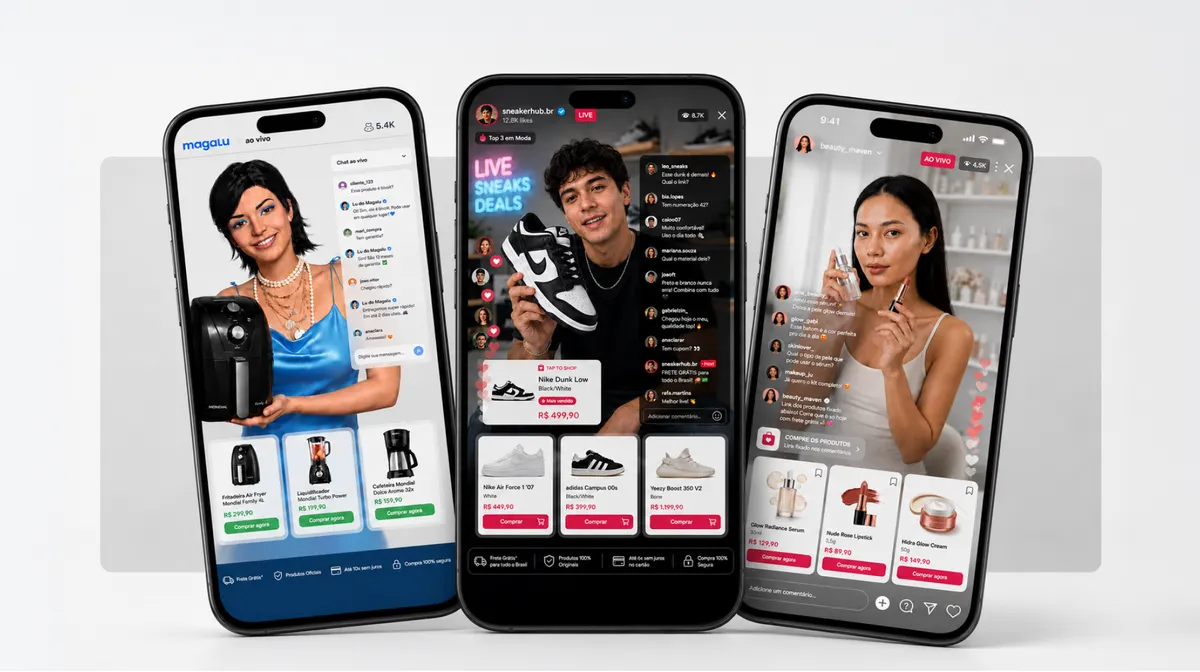
Live-stream sales and product launches demand hosts who demonstrate items, answer questions, and guide purchases without fatigue.
In China, virtual human salespeople and AI clones have hosted streams that generated millions in sales within hours, as per Fintech Magazine. Chinese firms are leveraging AI to manage high chat volumes and personalized recommendations in real time.
Lu do Magalu serves a similar role for Magazine Luiza. She provides ongoing product advice and interacts directly during shopping experiences.
What drives the trend?
Obviously, the benefits associated with it.
Live Stream Sales with virtual sales agents ensures staying on-message throughout extended sessions. Plus, the solution allows connecting personality traits to product benefits in a natural flow.
Event-Based Campaigns Create Concentrated Attention
Are you planning a marketing event?
Virtual influencers can join without travel or scheduling barriers.
Prada has worked with Lil Miquela during fashion weeks and campaigns, maintaining narrative continuity across related content. Other activations place digital characters in commentary or interactive roles tied to major happenings.
View this post on Instagram
AI Influencers Are Ideal for Localized Real-Time Campaigns
Global or national brands often need to feel present in specific regions, cities, or cultural moments. However, even for global players, creating separate teams for each can be a serious challenge.
To solve this, integrating virtual influencers into global marketing strategy is an ideal option. Adjust language, cultural references, visuals, and offers while keeping the central personality intact.
The example of Lu do Magalu proves the advantages. In Brazil’s vast and diverse market, she participates in regional events, local holidays, and city-specific trends. She adapts her tone and examples to local contexts, whether it’s about reviewing products through the lens of regional consumer needs or joining conversations tied to local festivals and sports.
During major shopping events like Black Friday, she provides real-time updates and personalized guidance that feels tailored to different audience segments across the country.
Her WhatsApp-based shopping experiences further localize the journey by delivering proactive, history-based recommendations in ongoing conversations.
All these AI-influencer-based solutions turn broad retail strategies into targeted interactions. The gains are:
- higher relevance and conversion
- consistent brand messaging
The strategic value is clear:
- One character delivers what would otherwise require multiple human influencers or separate teams.
- The solution ensures a consistent voice and quicker response times.
Direct Replies Build Growing Communities
AI-powered influencers are able to handle comment volumes and maintain tone across interactions.
In addition, instant response to customer needs helps turn routine exchanges into relationship-building opportunities.
Risks, Challenges, and Solutions to Mitigate Them
Despite the clear benefits, real-time deployment may cause certain risks.
Authenticity questions arise when audiences sense scripted responses during emotional or timely topics. Virtual characters can feel less relatable in personal contexts, and trust may dip if buyers question accountability after a recommendation.
One practical way to counter the risk is to combine AI speed with periodic human oversight, especially on high-stakes topics. Also, you can inject real user stories or co-created content to strengthen emotional layers.
Transparency is essential. The undisclosed digital nature of virtual influencers can spark backlash, especially under advertising rules.
There’s a straightforward solution: Always label the character clearly as virtual or AI-powered in profiles, posts, and live sessions.
Operationally, AI may produce errors or mismatched tones in unscripted moments. Brands need strong monitoring and escalation processes.
It would be advisable to use pre-approved response templates for sensitive subjects and real-time human review queues for flagged content. Regular training of the underlying models on brand voice and values is recommended as well.
Over-dependence can also reduce diverse human input in creative decisions. Address this by maintaining a dedicated team that reviews performance data and guides character evolution.
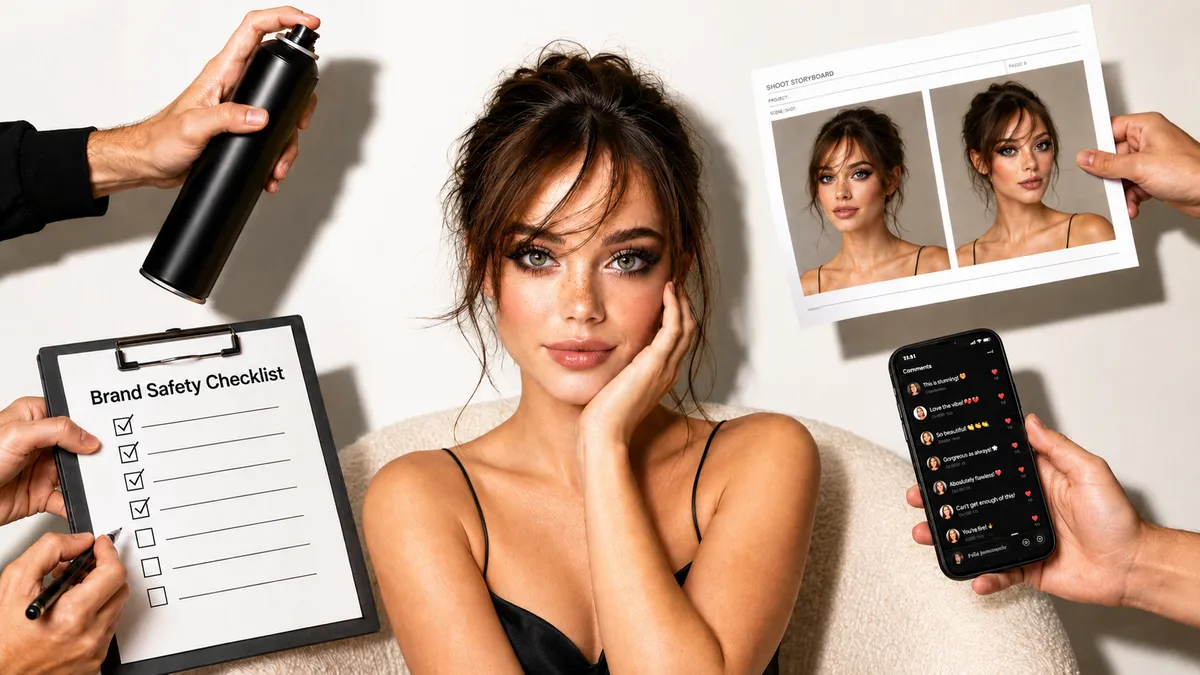
In character-centered marketing, every response reflects directly on the brand, so control and monitoring must match the speed of deployment.
Future Scenarios for AI Influencers in Real-time Marketing
“Are these vibrant virtual influencers here to stay, or will they vanish as marketing trends shift?”
Our latest release on the virtual influencer market insights and future opportunities provides a detailed analysis of why these digital beings are more than fading stars.
Moreover, advances in generative AI will allow more natural, context-aware interactions while keeping strict brand parameters. Strategically, this shifts virtual influencers from supplementary tools to core assets in always-on marketing systems.
Creating owned IP virtual influencers will gain durable advantages:
- richer interaction data for product and personalization decisions
- full IP control
- the ability to evolve the personality alongside business goals
Just remember, possibilities don’t end here.
Here are more potential developments and trends shaping our world:
Hybrid models, combining virtual consistency with selective human collaborations, will likely dominate for balanced attraction.
Besides, integration with shopping platforms and messaging channels will deepen. That’ll turn real-time responses into effective conversion paths.
Success will depend on digital systems that maintain trust. Ethical standards as capabilities will expand. More brands are likely to invest in these characters for lasting applications and benefits, not just quick campaigns.
Both global and local players will leverage virtual influencers in real-time marketing to strengthen their competitive edge in fast-paced markets.
So the answer to that earlier question is quite clear.
In fact, the real question is, “What should a brand take into consideration before and during a real-time campaign with AI influencers?”
I’ll answer it in the next section.
Where to Start A Real-Time Campaign with Virtual Influencers?
AI influencers are here, eager to redefine real-time marketing campaigns to drive live-stream sales.
As the first step, evaluate your business objectives. Short-term trend participation may suit different assets than sustained community building.
Creating an owned identity from scratch or renting a renowned digital being? Compare the scenarios carefully to find the best match for your brand.
Owned versions deliver:
- full control
- IP ownership
- long-term gains
- Profound personality definitions
- Extendable into an IP ecosystem across channels
This path fits brands committed to virtual character-centered marketing as a growth driver.
Rented or partnered characters provide quicker entry and existing audiences for tactical needs. They suit event spikes or tests but offer less alignment and shared control.
| Feature | Owned Influencers | Rented Influencers |
| Control | Full control and IP ownership | Shared control and limited alignment |
| Audience | Built for long-term community | Access to existing fanbases |
| Speed | Slower; built from scratch | Quick entry for tactical needs |
| Best For | Sustained brand growth and IP | Short-term trends and event spikes |
| Execution | Specialized agency support | Partnership-based |
Some brands take advantage of both methods. They begin with partnerships to validate fit, then invest in owned assets for compounding advantages.
During real-time sales campaigns, it’s crucial to establish response frameworks; topic boundaries, tone standards, and human review triggers.
Also, track metrics focused on conversion, sentiment, and retention rather than surface engagement alone.
And finally, use real-time insights to refine approaches mid-campaign. Integrate these efforts with a broader strategy. Interactions should inform product decisions and future trend-based marketing, creating a feedback loop that accelerates growth.
Final Words
Virtual influencers give brands reliable characters that participate in real-time marketing with consistency and scale.
From trend reactions and live shopping to direct community exchanges, they turn moments into structured opportunities while anchoring every interaction in a defined personality.
For businesses, this means greater agility and control in fast environments, plus assets that build engagement and drive revenue over time.
The audiences shaping today’s trends are already active.
Launch your character to meet them with purpose and precision.
FAQs
Can AI influencers fully replace human influencers in real-time marketing?
A: Full replacement is very unlikely. Virtual characters outperform at speed, consistency, and scale in fast-moving scenarios like trend responses or live shopping.
Human influencers bring lived experiences and deeper emotional connections, especially for storytelling or experiential products. The best strategy is to take advantage of both.
How do AI influencers in real-time marketing compare to humans in engagement and trust?
A: Virtual influencers often achieve higher engagement rates on sponsored content and lower campaign costs. They avoid personal scandals and deliver perfect brand alignment.
However, humans generally score higher on perceived authenticity and identification, particularly for hedonic or personal products. Virtual characters work best for utilitarian recommendations and controlled environments.
Are there any legal requirements for using virtual influencers in real-time marketing?
A: Yes. You need to disclose when content features virtual or AI-generated characters, especially in paid promotions.
To avoid penalties, follow platform policies and advertising regulations on transparency.
Is it better to own or rent a virtual influencer?
A: Owned characters provide superior long-term control and IP value for brands building character-centered marketing. Rented or partnered ones, on the other hand, speed up entry for specific campaigns.