
Leila D.Content Marketer and StorytellerPart marketer, part storyteller, with a keen eye for what others miss. Leila D. distills complexity into creative ideas people feel, remember, and act on. For the past three years, her works have navigated new territories in character-driven marketing communications, brand storytelling with modern mascots, and AI-powered virtual influencers.
Key Takeaways
- AI influencer brand safety prevents synthetic personas from publishing off-brand content, false claims, or risky interactions that damage reputation or audience trust.
- Virtual influencer brand safety requires control across content, reputation, operations, and vendor dimensions to limit exposure specific to machine-generated behavior.
- AI influencer reputational risk includes persona drift, authenticity backlash from audiences, association with unrelated controversies, impersonation and confusion caused by deepfakes, and loss of creative control when a brand licenses rather than owns the persona.
- AI influencer risk management differs significantly between owned and rented influencers. Owned personas offer stronger safeguards against unrelated controversies and deepfakes.
- Effective AI influencer risk management relies on predefined content boundaries, restricted topics, continuous monitoring of reactions, and a prepared crisis response plan with clear human oversight at every stage.
Would you know within the hour if your AI influencer said something off-script to a follower? For most brands, the honest answer is no.
AI influencer brand safety is preventing a synthetic persona from publishing content, making claims, or interacting with audiences in ways that damage brand reputation or audience trust.
Why does virtual influencer brand safety matter?
Consumer reaction to virtual influencers is genuinely split. Thirty-seven percent of consumers say a brand using an AI influencer would make them more interested; 37% said it would make them more distrustful; the rest couldn’t tell the difference (per a widely cited Sprout Social’s survey). That split is exactly why brand safety matters here.
The current article focuses on catching the moment of failure before it becomes a headline. You’ll learn:
- what brand safety actually means for a virtual persona,
- The category-specific risk modes,
- how the risk profile changes depending on who owns the persona,
- real-world stories of showing what protects reputation and what destroys it, and
- a practical framework to mitigate AI influencer reputational risks.
What Brand Safety for a Virtual Influencer Means
Virtual influencer brand safety is the process of preventing a synthetic persona from publishing off-brand content, making false or misleading claims, or behaving in ways that create reputational risk. It covers four dimensions, each of which needs its own owner and its own checklist.
Content safety covers what the persona says, shows, and implies in every post, caption, and reply.
Reputation safety covers how audiences, press, and communities perceive the persona over time, including brand trust and brand reputation built through consistent behavior.
Operational safety covers who can publish, pause, or edit the persona’s output, and how fast that chain of command actually moves.
Vendor and technology safety covers the studio or platform building the persona. That includes its data practices, its financial stability, and what happens to the persona if that vendor relationship ends.
Regulatory disclosure rules matter too, but they sit outside brand safety proper. This article stays focused on reputational risk, not legal compliance.
What Reputational Risk Categories Are Specific to AI Influencers?
Human influencers carry reputational risk. AI influencers carry a distinct set of risks because a machine, not a person, is generating the behavior. Getting specific about each one is vital, as that’s what separates a real safety framework from a generic checklist.
Treating AI influencer safety like a checklist made for human creators misses what actually goes wrong. The failure modes below are specific to synthetic personas, and each one calls for its own methods to prevent the problem.
Persona Drift and Unapproved Behavior
Persona drift happens when a generative persona says something that strays from the brand identity it’s built to represent. Picture an AI-powered chatbot replying to a follower’s comment or generating a live caption. What happens when that reply or caption drifts from the approved voice?
Most of this exposure comes from real-time interaction, not from pre-approved posts. A comment reply or a live caption can go out before a human ever reviews it. That single fact is what separates AI influencers from scripted human creators. The risk surface is live, not staged.
Authenticity Backlash from Audiences
Authenticity backlash happens when people sense a persona is not “real”. People push back on anything that feels engineered or formulaic, often before a brand has done anything wrong. Such cultural and consumer rejection or distrust happens independent of any disclosure or legal issue.
Such negative reactions usually show up in AI influencers’ comment sections and community responses, even when a brand did nothing technically wrong.
- A famous example:
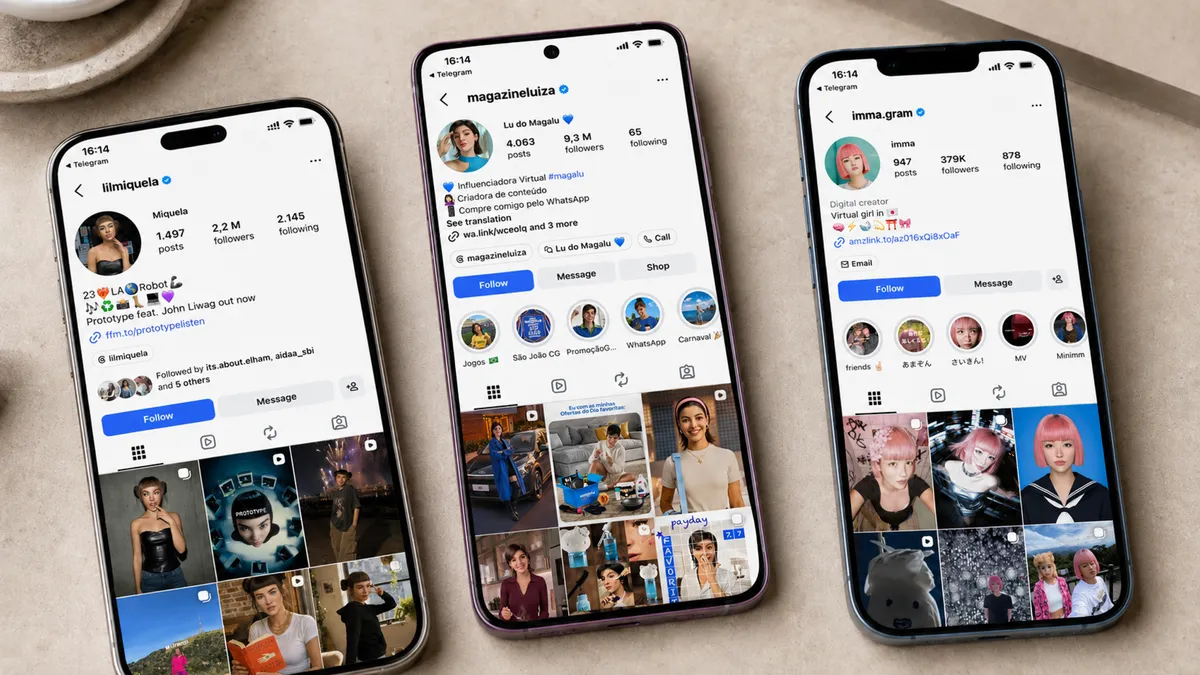
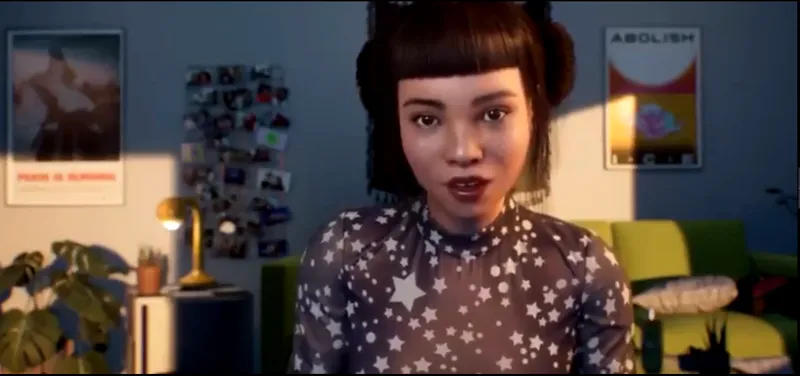
Lil Miquela, one of the earliest and most followed virtual influencers, faced exactly this in 2019. She posted a vlog claiming she was sexually assaulted. Critics accused her creators of using a real trauma narrative purely for engagement, and the backlash became one of the defining controversies of her career.
The case is a reminder that virtual influencer authenticity risk is not about disclosure.
Risks in Designed Identity and Representation
A virtual persona’s race, gender expression, and body type are all creative choices. Every one of those choices reads as a statement.
- A famous example:
Shudu Gram, the black female CGI supermodel, was created by a white photographer. Later, she was criticized for being a digital blackface once audiences learned who profited from her career. The controversy was documented alongside Lil Miquela’s own history.

Loss of Creative Control Over the Persona
A studio or agency behind a persona can change its tone, direction, or ownership without any input from the brand. That happens especially when the brand licenses the AI influencer instead of owning it. A shift on the creative team can ripple into every active partnership overnight.
- A famous example:
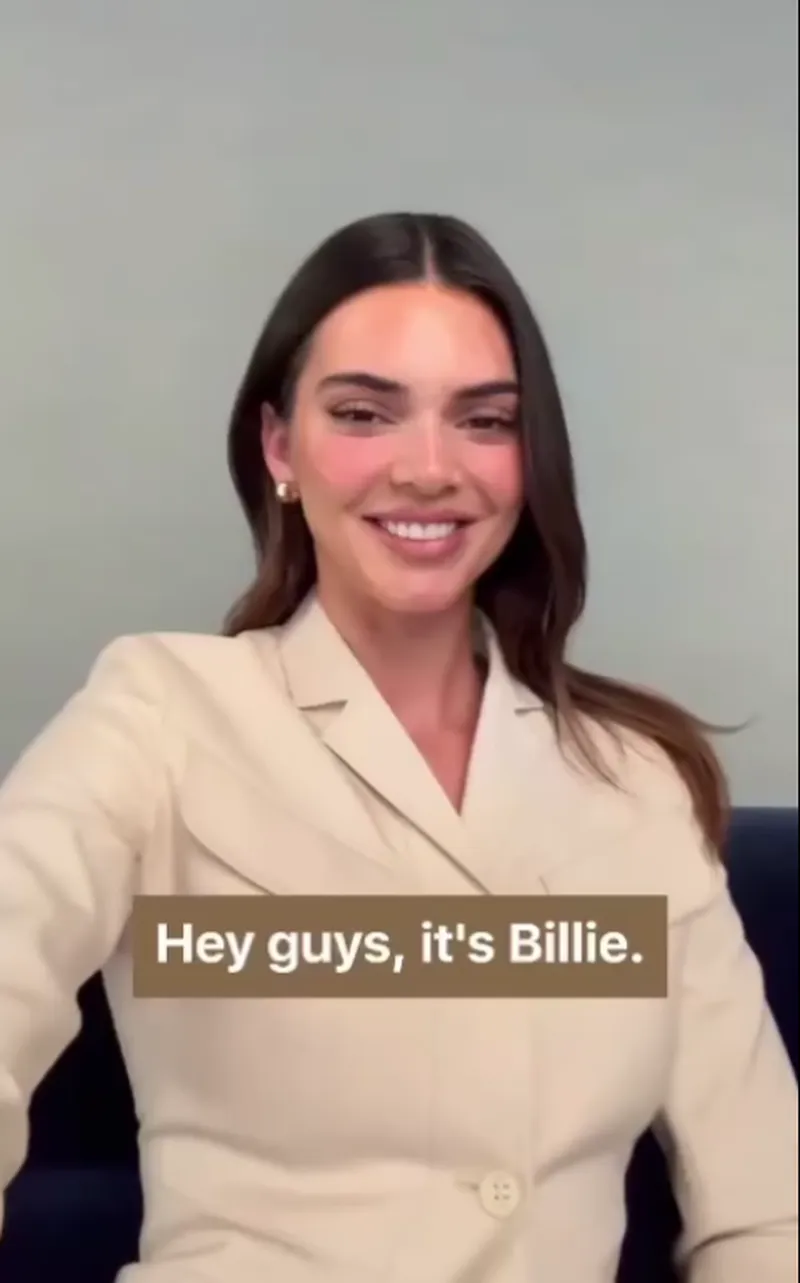
Meta’s 2023 chatbot “Billie”, built on Kendall Jenner’s licensed likeness, shows the pattern clearly. Meta controlled the character’s tone and rollout, not Jenner. Its hyper-realistic likeness unsettled fans rather than building affinity for her.
The persona ended up shaping public perception of Jenner’s brand in a direction she never approved. That’s the loss-of-control risk in practice: the face is licensed, but the voice belongs to someone else.
Association with Unrelated Controversies
Synthetic personas such as AI influencers (or the humans behind them) may land in a controversy that has nothing to do with any single brand deal, and that controversy still reflects on every brand the persona has ever endorsed.
- A famous example:
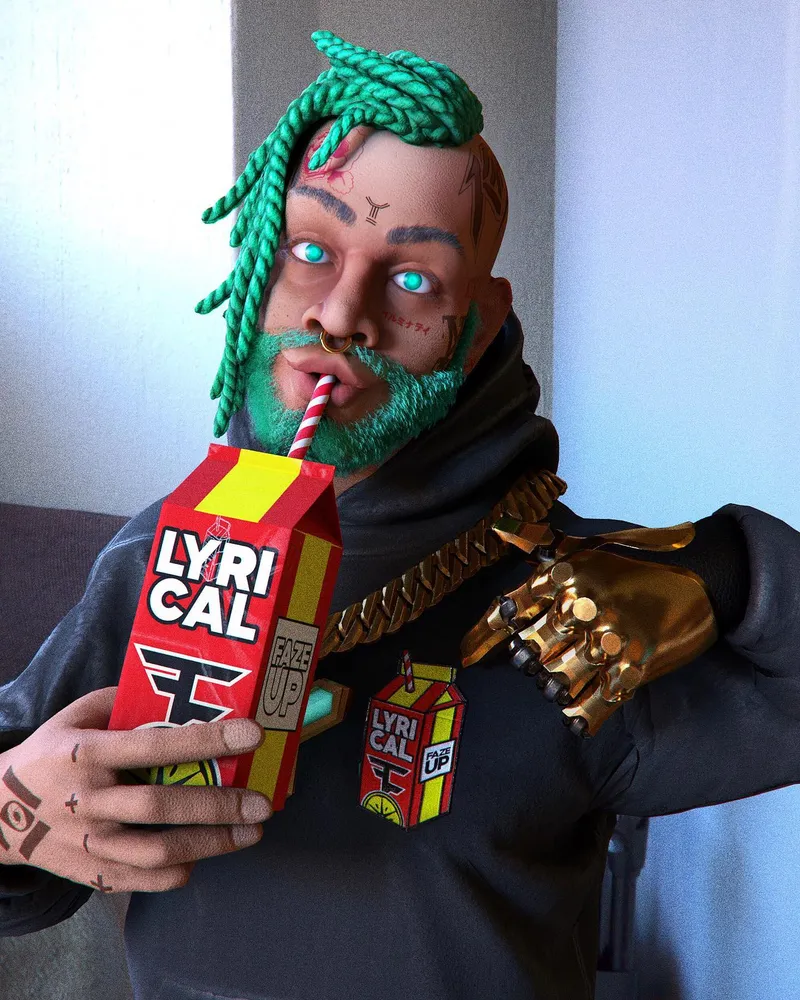
Capitol Records’s collaboration with FN Meka, the AI rapper, in 2022 proves the case. They dropped the deal almost immediately after backlash over cultural appropriation and racial stereotyping.
The character’s reputational damage happened fast, and it happened independently of any product the AI influencer was built to sell. The outcome became a cautionary case for any brand considering a similar identity.
Confusion Caused by Deepfakes and Impersonation
Bad actors can impersonate a persona or use its likeness without authorization. This risk is already well documented with human celebrities. Since July 2025, thousands of deepfake scam ads impersonating football stars have been found, per Revelum’s report. Neymar’s daily ad rate only jumped 1,700%! A virtual persona with a large following is an equally attractive target.
Reputational Risk Differences Between Owned and Rented AI Influencers
The AI influencer’s ownership structure decides how much of the reputational risks a brand actually controls.
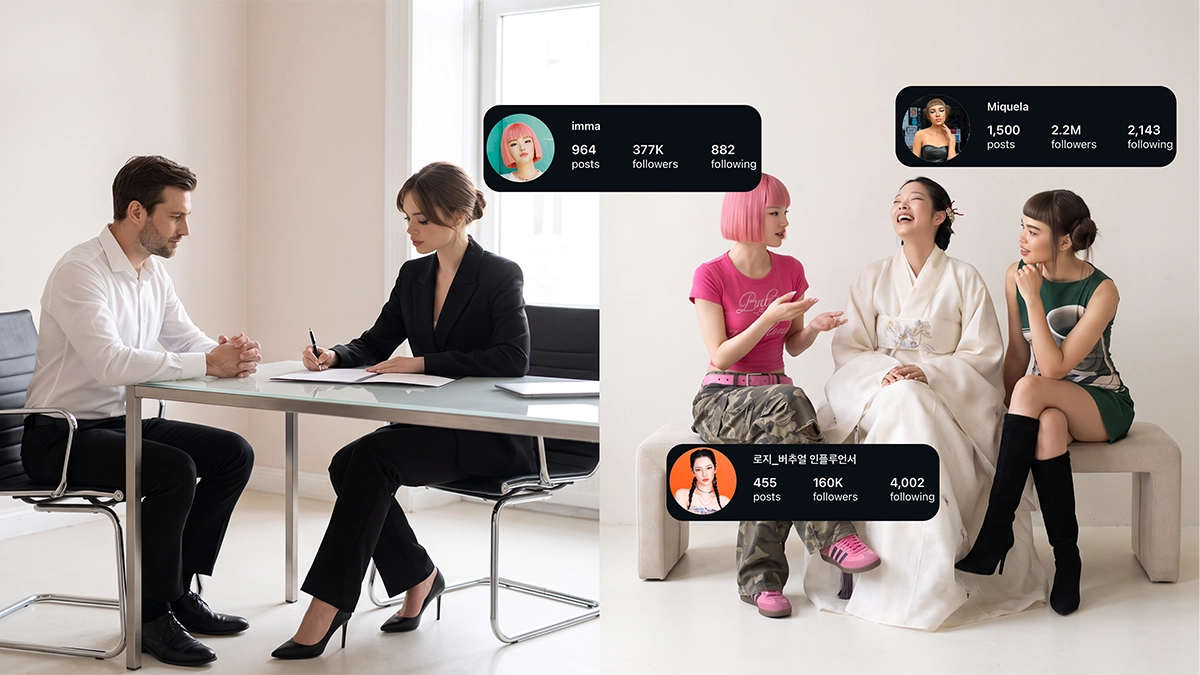
An owned persona keeps every character guideline, content boundary, and public statement under one roof. Partner with an independently operated persona, and you gain speed and an existing audience. At the same time, you have to share control with the studio or agency running that character.
Hybrid approaches balance both. You can start with renting to test market fit, then transition to ownership for flagship personas. This strategy supports scalable growth while adapting crisis management to your resources.
Brand Safety Risk Differences Between Owned and Hired AI Influencers
| Risk Category | Brand-owned AI persona | Independently operated AI Persona |
| Persona drift | Rare; brand controls updates | Common; operator changes tone/direction |
| Authenticity backlash from the audience | Likely; seen as corporate; audience may react negatively | Likely; seen as a sellout if sponsorship is revealed |
| Loss of creative control over persona | None; brand owns persona | Common; brand only licenses use |
| Association with unrelated controversies | Rare; appears only in brand-approved contexts | Likely; active outside brand deals |
| Confusion caused by deepfakes and impersonation
|
Likely; brand can assert clear IP ownership and take it down quickly. | Common; ambiguity over who “owns” the persona’s likeness can slow legal response and create conflict between parties (brand, operator, and fans). |
How to Manage Virtual Influencer Brand Safety?
AI influencer brand reputation safety is not just about a single check before launch. Whether you own an AI influencer or partner with one operated by a third party, you need to manage the risks across the full life of a campaign, not just at the start.
The difference between a fast recovery and a lasting reputational hit usually comes down to who catches the problem first. That’s why human oversight has to sit at every stage, from the first scripted post to the last real-time reply.
Before Launch: Set Firm Boundaries
Establish firm rules that guide every decision. Specify:
- what the persona can and cannot discuss or make a claim on,
- which claims or behaviors are restricted,
- what data sources it may reference,
- which content requires human approval before it’s published, and
- who controls publishing and emergency stops.
During the Campaign: Monitor Content and Reactions
Continuous monitoring should track:
- factual or product-related errors,
- unexpected shifts in tone or appearance,
- negative audience reactions,
- cultural and reputational concerns,
- controversies involving the persona’s operators, and
- any unauthorized accounts copying the persona.
When Issues Arise: Act Quickly and Respond Effectively
Prepare a crisis response plan in advance. Decide:
- who removes problematic content, issues corrections, or speaks publicly.
- when to involve leadership or legal teams, and
- how to conduct post-incident reviews to refine processes.
Real Cases of AI Influencer Reputational Success and Setbacks
Shinhan Life Insurance Campaign with Rozy
Since her 2020 debut, Rozy has secured advertising deals, walked in virtual fashion shows, and released music tracks. Her popularity took off after a Shinhan Life insurance ad, and she’s since collaborated with brands like Calvin Klein, Hera, and W.Concept.
Why Did It Work?
Notably, her breakout came through a “trust-first” category (insurance) rather than fashion. She’s a case of virtual influencers winning over conservative, risk-averse businesses. Her success proves that AI influencers aren’t just the fashion and beauty labels that took the early risks; a well-governed synthetic persona can win over the most cautious brands.
Calvin Klein’s Campaign with Lil Miquela
Calvin Klein’s 2019 campaign paired the public virtual figure Lil Miquela with supermodel Bella Hadid in a staged kiss, which produced the opposite outcome.
Why Did It Draw Backlash?
The campaign received widespread criticism for controversial imagery and cultural inappropriateness. Additionally, Lil Miqual’s past controversies influenced public perception. Audiences accused the brand of queerbaiting, and Calvin Klein issued a public apology once the backlash spread.
Lil Miquela’s Leukemia Awareness Campaign
Another example involves Lil Miquela’s leukemia awareness campaign. The work sparked significant backlash despite good intentions.
Why Did It Draw Backlash?
Audiences questioned the use of a synthetic persona, rather than a genuine survivor or advocate, to address such a sensitive topic. Critics argued that the campaign trivialized the experiences of real patients and their families. They raised questions about the sincerity of the campaign and whether it truly served the needs of the leukemia community.
Mia Zelu’s Wimbledon Post
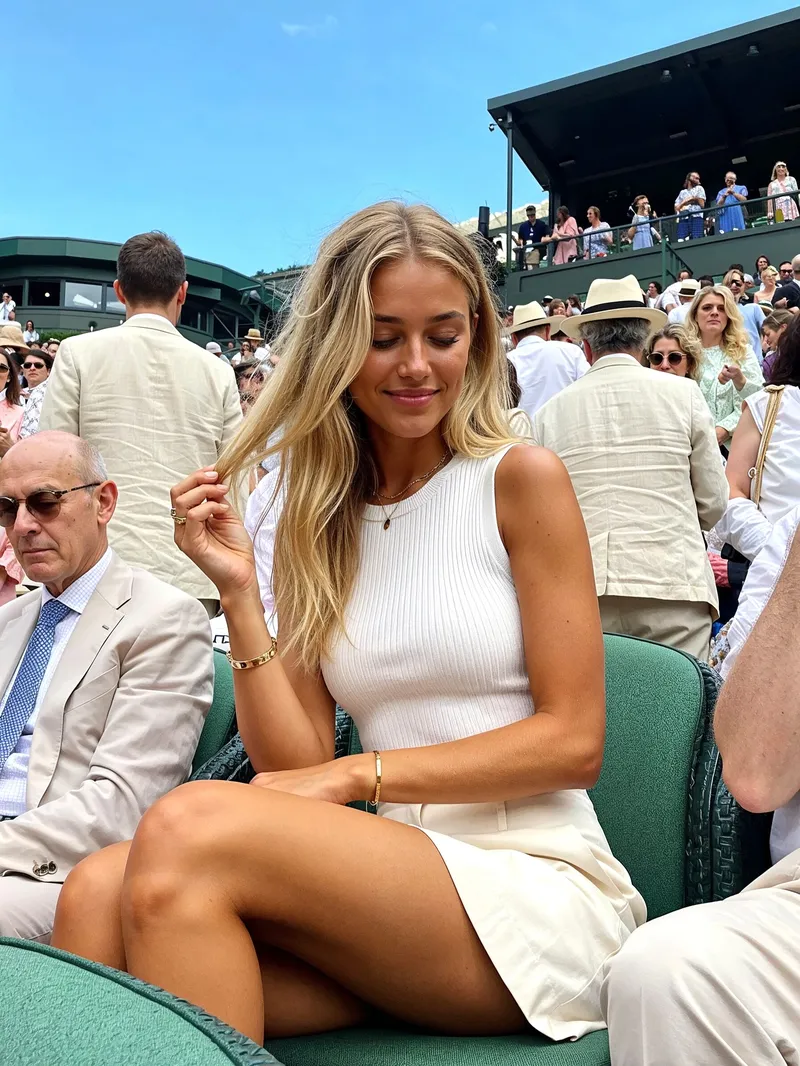
A Wimbledon-themed post from virtual influencer Mia Zelu went viral in July 2025 with broad initial positive engagement. Her feed showed the tournament in the same visual language as any lifestyle influencer: front-row seats, a tenniscore outfit, a Pimm’s cup in hand.
Why Did It Draw Backlash?
The turn came when it was widely revealed that Zelu never attended the event and never existed as a person at all.
Despite massive engagement and view count, the public reaction shifted to criticism. Commenters who had complimented her outfit or asked where she’d bought it felt deceived. The story became a reference point in broader coverage about deepfakes and the case for clearer AI labeling online.
Mango’s “Sunset Dream” Teen campaign
Mango’s decision to introduce AI models for faster content creation drew criticism over potential job losses for real models and concerns about false advertising.

Why Did It Draw Backlash?
Shoppers specifically noted that AI-generated images are unhelpful for judging how clothes actually fit on a real body. Some TikTok users called for a boycott until Mango stopped using AI models. Separately, industry commentary observed that Mango’s AI-generated models across two campaigns were uniformly fair-skinned, full-lipped, and thin, with little apparent priority placed on diversity or inclusivity.
Meta’s Celebrity AI Chatbots
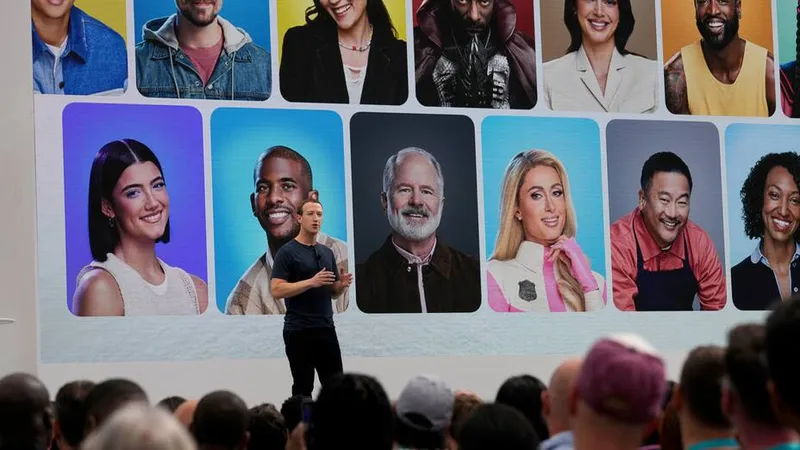
Meta’s celebrity chatbot program shows what happens when licensing spend and audience demand do not line up. In September 2023, Meta rolled out 28 AI personas built on celebrity likenesses, including Snoop Dogg and Kendall Jenner.
Meta reportedly paid a huge cost per celebrity for two-year licensing deals to build AI personas. However, the audience response was weak.
Why Did It Flop?
Snoop Dogg’s persona, “Dungeon Master,” drew about 15,000 followers against his real account’s 87.5 million. Jenner’s “Billie” reached 179,000 followers against her real following of 194 million. The fraction was too small to justify the licensing cost. Meta shut down all 28 celebrity bots less than a year after launch.
The story didn’t end there. Unauthorized AI chatbots impersonated Taylor Swift, Scarlett Johansson, and other celebrities on Meta’s platform by generating sexually suggestive conversations and images without the celebrities’ consent, per Reuters’s investigation.
What Do We Learn from These Examples?
Real-world examples like Lil Miquela’s Leukemia awareness campaign and Meta’s celebrity AI chatbots make one point for any brand considering AI personas: a big name and a big budget do not guarantee an audience. Unclear governance around a synthetic likeness can turn into a much bigger problem than low engagement.
Final Thoughts
AI influencer brand safety is not a one-time review before a campaign goes live. It’s an ongoing discipline built on clear character guidelines, defined content boundaries, continuous monitoring, and a crisis response plan that assigns responsibilities before anything goes wrong.
The reputational outcomes of using AI influencers depend less on the technology and more on whether the brand controlled the narrative before the audience did. The brands that got burned skipped that discipline and paid for it in public.
As more marketing budgets shift toward AI-driven creators, those who build strong virtual influencer brand safety infrastructure will be the ones still trusted by their audiences.
Want your virtual influencer to remain free from controversies? Treat it as a manageable brand asset with human oversight, not just a set-and-forget content generator.
This is the same discipline that shapes how a trusted virtual influencer agency approaches character development: governance built in from the first script, not added after a persona already has an audience watching its every move.
FAQs
Can an AI influencer damage a brand’s reputation even if it’s fully disclosed and compliant?
Yes. Disclosure addresses legal risk, not audience reaction. Authenticity backlash and association with unrelated controversies can surface even when a brand follows every disclosure rule correctly.
Who’s accountable when an AI persona’s generative response goes wrong?
The accountable party for an AI influencer’s behavior should be defined before launch, not after. Most brands assign a single team the authority to pause the persona’s output and approve any public correction.
How do I examine an AI influencer’s reputational history before partnering?
Review the virtual persona’s full content archive, its past brand partnerships, and any controversies linked to the studio or creators behind it, the same way you would examine a human creator’s post history.
Is it safer to build my own AI influencer or partner with an existing one?
The decision to create your own AI influencer or collaborate with an existing one largely depends on your marketing requirements and objectives. A brand-owned persona offers more creative control and lower persona drift risk. An existing persona offers speed and an established audience, at the cost of shared control.
What is the greatest brand safety risk associated with using an AI influencer?
Persona drift tends to cause the most damage because it happens in real-time interactions like automated comments and AI-generated replies, often before a human reviews the content.
How to avoid persona drift in virtual influencers?
Establish clear content boundaries and restricted topics. Require human approval for any pieces of content outside the pre-scripted plan. Monitor real-time replies as closely as scheduled posts. The review process should focus on this risk, not just on scheduled content.