
Nikan Content SpecialistI’ve been creating digital marketing content since 2018, with a growing focus on AI influencers and digital personas. My work explores how brands can use character-driven storytelling and emerging digital identities to build stronger connections with their audiences. At Dream Farm Agency, my focus is on turning these ideas into clear, engaging content that helps brands understand and embrace the future of character-driven marketing communications and digital experiences.
Key Takeaways
- Combining the mascot with the logo makes sense when they have different roles in the same system. If their roles overlap, separation is the better choice.
- When the mascot represents the core brand identity, it can also function as the brand logo.
- Combining the mascot and logo yields strong results in industries like sports and gaming, where branding is often driven by personality.
- Brands that are tied to a real individual benefit from a mascot that also works as the logo. This approach builds trust without creating confusion. In fact, the mascot, which is a real person, acts as a visual brand marker.
- If professionalism matters more than personality in your field of work, keep the masthead separate from the logo.
- The mascot and the logo must be perfectly aligned, whether they’re separated or mixed. Otherwise, confusion will reduce recognition and brand equity over time.
When is it reasonable to mix the mascot with the logo? If the mascot itself is the core brand identity, it can safely be used as the logo. Otherwise, keeping them separate ensures a stable logo for better recognition and a flexible character for more effective storytelling. Although it seems simple, deciding when to use each approach can be tricky.
This blog is a comprehensive mascot vs logo comparison. We’ll examine their differences using a table, then explain when you should mix these two and when it’s best to keep them separate. We also discuss common mistakes that you may fall for when mixing the mascot and the logo.
So, if you’re not sure which one suits you more, or whether to mix them or keep them separate, stay with us throughout this article.
What’s the Actual Difference Between a Mascot and a Logo?
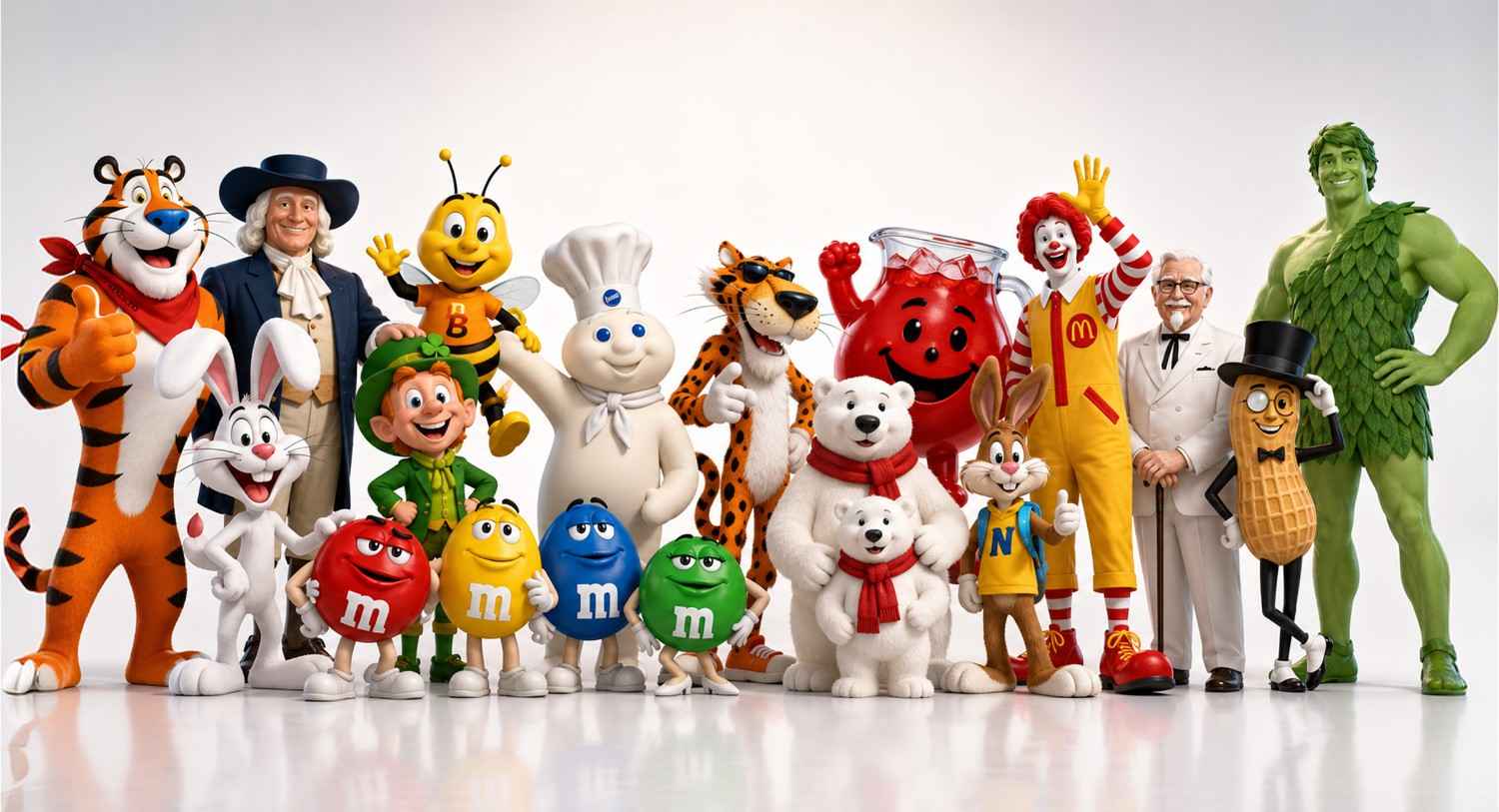
A logo is a fixed visual symbol meant to ensure instant recognition across different platforms. Mascots, on the other hand, are characters that carry a brand’s personality. The main responsibility of a mascot is to create emotional connection and engagement in marketing. They go beyond static logos, which don’t carry emotion on their own.
Read this blog to learn more about brand mascots: “Brand Mascot: The Ultimate Guide for 2026.”
The table below provides a detailed comparison of mascot vs. logo:
|
Feature |
Logo | Mascot |
|
Purpose |
Brand identification |
Brand personality and storytelling |
|
Form |
A fixed symbol or a wordmark. In some cases, it’s a combination of both |
Character or illustrated figure |
| Emotional impact |
Low to moderate |
High (designed to create emotional connection) |
| Flexibility |
Highly scalable and consistent |
Used in dynamic, expressive contexts |
| Primary usage |
Websites and products, in addition to legal identity |
Marketing and social media campaigns, plus advertising content |
| Longevity | Long-term brand anchor |
Can evolve or change with campaigns |
The question is whether you should combine these two.
When Combining Mascot and Logo Makes Strategic Sense
Do you need clear identification and emotional connection at the same time? Then you should plan to combine a mascot with a logo.
A good logo already handles recognition and consistency on its own.
However, in digital and social environments where attention is limited, you need more than that, and this is where a good mascot can help. A mascot’s personality works well for storytelling and pulling more engagement.
There are still a few unclear points about how to combine the two, and we’ll break them down in the next sections.
The Mascot Has Been Part of the Logo from Day One
If you have designed the mascot as the brand’s core identity from day one, it’s better to use it as the logo, too.
In this case, the character already functions as the logo. So creating a separate logo from scratch usually doesn’t make sense. It can even reduce recognition and consistency instead.
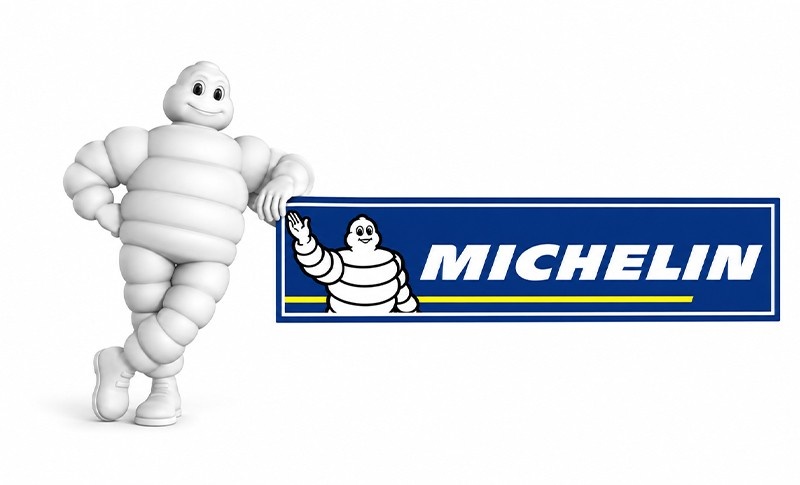
For example, Michelin uses the Michelin Man as both the logo and the brand’s mascot.
When Your Brand Category Supports Mascots
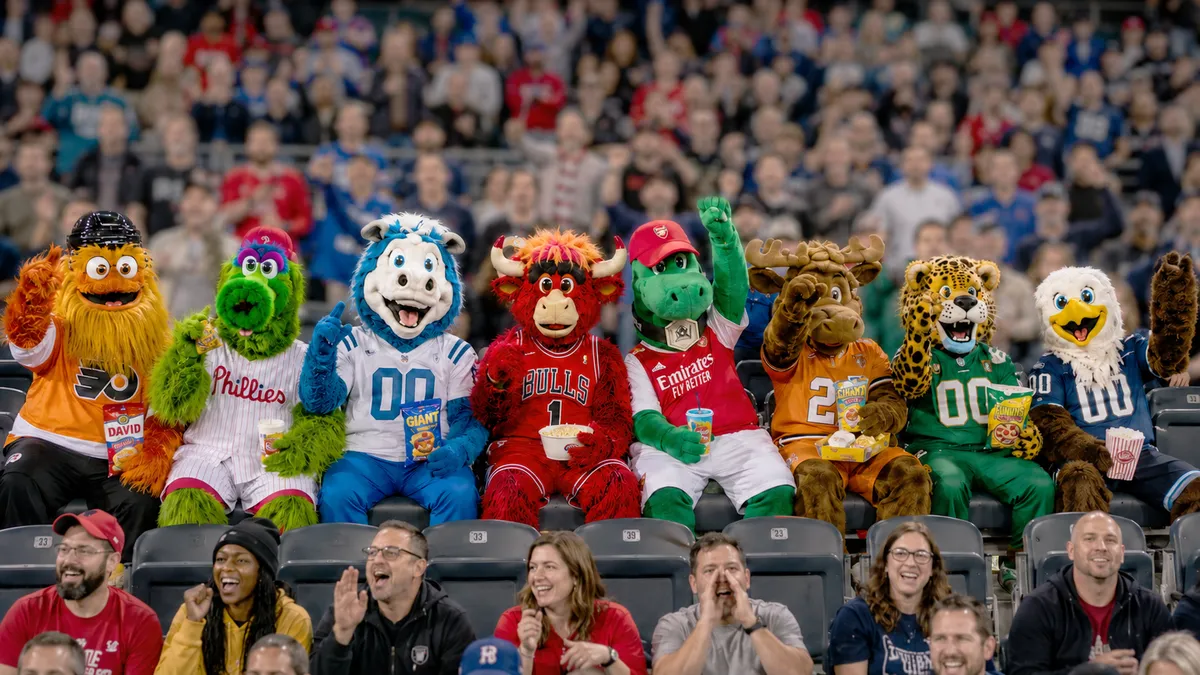
Sectors like sports and gaming are naturally more welcoming to mascots. If you work in these industries, combining a logo with a mascot makes sense.
Simply put, if audiences in your category respond better to personality-driven branding than abstract symbols, your mascot can also work as the logo and improve recognition.
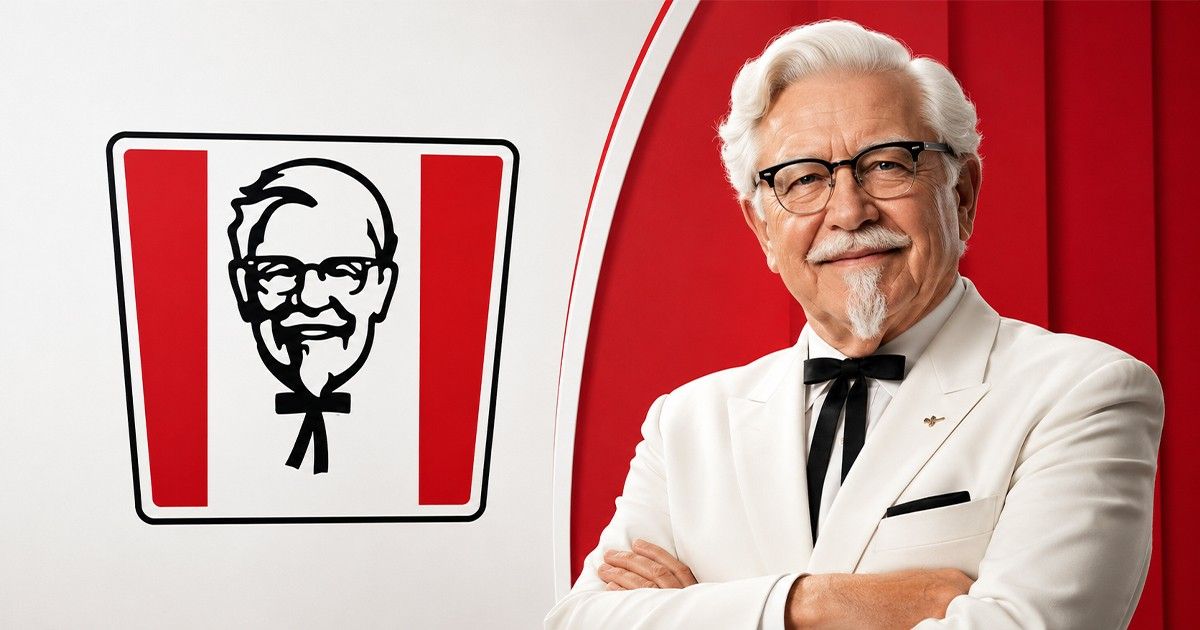
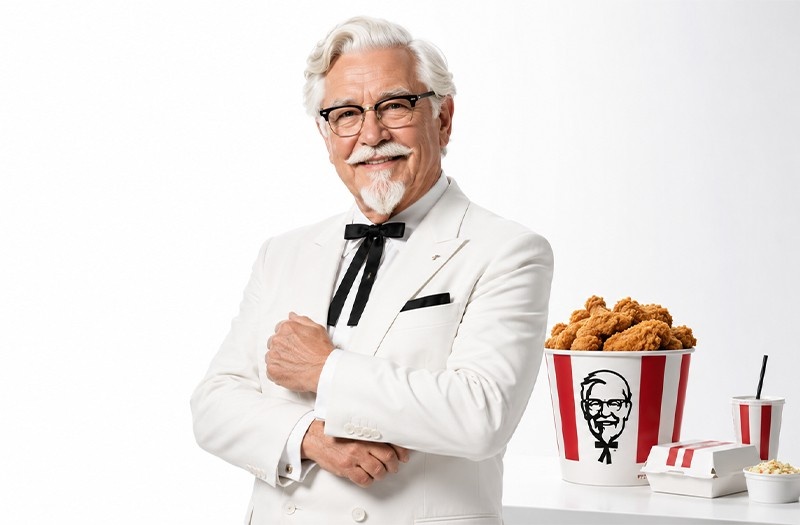
Colonel Sanders, the KFC mascot, is a good example. In the food and beverage industry, people often expect an emotional connection with the brand. That said, the smiley face on KFC stores serves excellently as both the logo and the mascot.
When the Mascot Is the Founder or a Real Person
Some brands use a real person as the mascot, often the founder. These mascots naturally carry authority and improve recognition. So, they can also be used as the logo.
Typically, this approach works well for legacy brands or companies built around a strong personal story, such as KFC and Colonel Sanders, which we mentioned earlier. In these cases, the founder’s face or persona turns into a trust signal and a shortcut for brand recall.
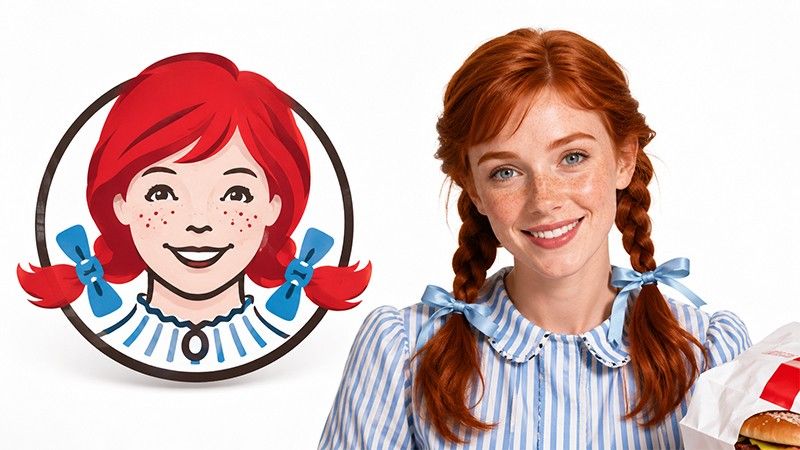
Another example is Wendy Thomas, the daughter of Wendy’s founder. Her face is the logo, while at the same time, she acts as the brand’s ambassador.
Using the same character as both the logo and mascot is not always wise. Let’s see when it’s best to separate them.
When Keeping Logo and Mascot Separate Is a Better Idea
Separate the logo and mascot when your business needs a clear, more formal identity. If the mascot is expected to evolve over time, use a separate visual symbol as the logo, since frequent changes can weaken brand recognition.
Companies with multiple product lines should separate the logo from the mascot, since each line may need a different brand ambassador.
If your mascot plays an active storytelling role, it often makes sense to keep it separate from the logo.
Keep reading for more detailed breakdowns.
Formal-First Branding
IBM is a well-known IT brand that has been around for decades. Brands like IBM operate in environments where trust and clarity matter more than personality. As a result, they need clean professional logos for official use.
In many cases, formal brands don’t even need a mascot. But if they use one, they usually keep it separate and secondary so it doesn’t interfere with the brand’s serious identity.
Mascot Needs to Evolve
As time passes, mascots may need adjustments to maintain their relevance and appeal. A strategic mascot rebranding process can help modernize the character without sacrificing recognition. Separating the mascot from the logo helps protect consistency and identity. In other words, evolving the character doesn’t affect brand authority, as long as the logo stays intact.
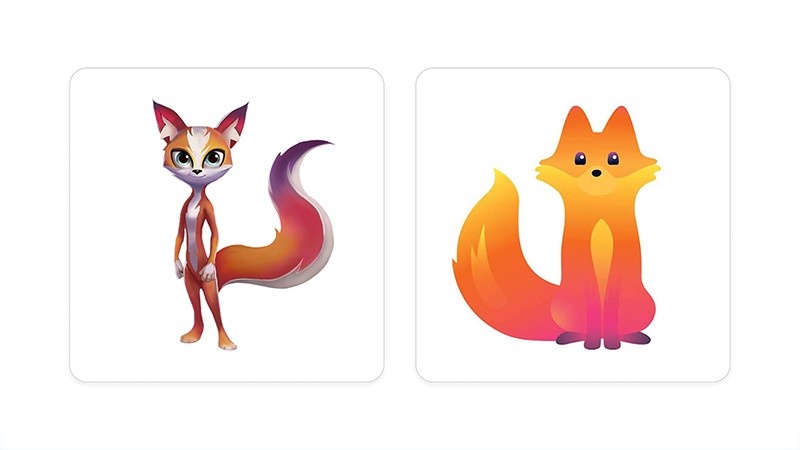
Mozilla’s Firefox mascot, Kit, has been redesigned several times in recent years to match modern design trends. Designers updated the orange fox without changing the core logo, keeping the browser recognizable.
Scaling Product Lines
When a company expands into multiple products and services, using the same mascot across everything usually doesn’t work. It’s best to use different ambassadors for different categories instead, to ensure maximum marketing efficiency.
What about the logo? It shouldn’t change.
The logo should stay the stable master brand, as explained in the mascot vs. logo comparison earlier. That’s why multi-purpose companies should separate their logo from the character that is meant to act as the mascot.
Unilever manages a massive portfolio of unrelated brands. It works across diverse categories, from food to home products. Unilever clearly needs a stable logo, but different mascots for different product lines.
Content-Led Brands
These businesses rely on ongoing storytelling and communication. As a result, they get more creative freedom by separating the mascot from the logo. This is how:
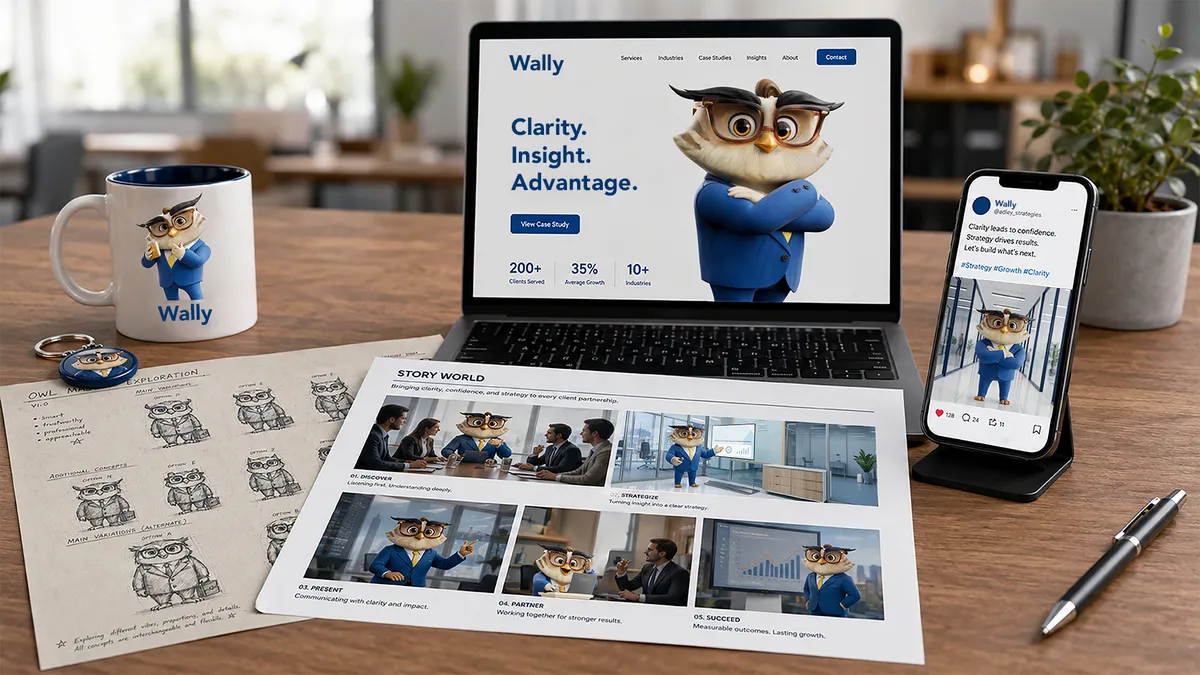
Content-led brands can use a minimal logo as the official identifier. Meanwhile, the mascot can become part of a broader character-driven marketing system, taking an active role in videos, content, and campaigns.
If you work in an industry where you should publish content frequently, keep the mascot separated from the logo. This way, you can evolve the mascot with trends and adjust it based on the narrative. All without damaging the core brand identity.
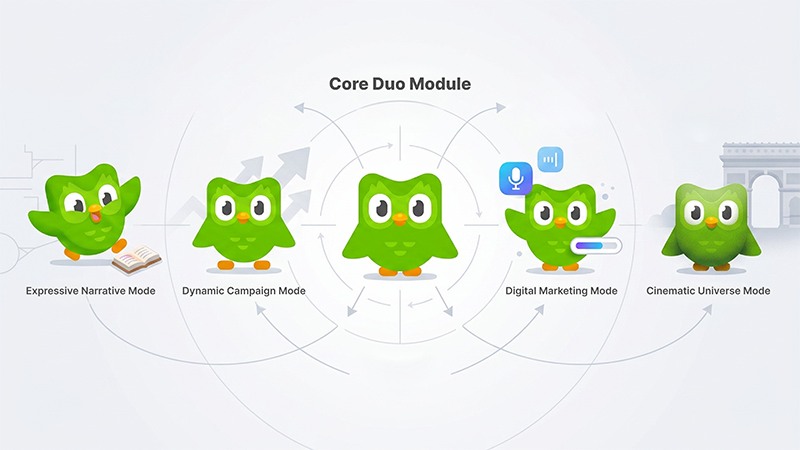
Deciding to mix the mascot with the logo? Make sure not to fall for these mistakes.
Common Mistakes Brands Make When Mixing Mascots and Logos
Mixing the mascot and the logo must be done precisely. Otherwise, results may not meet expectations. You can see common mistakes that should be avoided when trying to use the mascot as the brand’s logo:
- Combining mascot and logo without a plan: Mixing these two without a well-thought-out strategy leads to confusion.
- Using a highly detailed mascot as the logo: Although great detail can look good in a mascot, it can backfire when used as a logo. Excessive details become unreadable in small formats such as app icons, and this damages the brand’s recognition.
- Ignoring industry expectations: As discussed, mascots often aren’t needed in formal sectors. Regardless of that, mixing the mascot with the logo in these categories is a costly mistake.
- Damaging the brand’s identity when redesigning the mascot: When the mascot is deeply integrated into the logo, major visual changes can damage recognition and reduce accumulated brand equity.
- Using a pointless mascot as the logo: Mascots must truly serve the brand, rather than being a pure decoration. If your mascot does not add value, don’t mix it with the logo.
- Assigning the same role to both: Remember that a logo is expected to increase brand recognition, while a mascot should express its personality in different ways. Giving them the same job only makes the brand identity less clear.
- Making the mascot visually dominate the logo: If customers remember only the character and not the brand name, the mascot can overshadow the company it is supposed to support.
- Preventing the mascot from evolving independently: As discussed earlier, the mascot must be able to evolve over time to satisfy the changing needs of audiences. It’s impossible if it is permanently fused with the logo. In these cases, you probably have to redesign the logo every time you update the character.
Don’t forget that combining the logo and the mascot is not always a good decision. As explained above in the comparison of mascot vs. logo, sometimes it’s best to keep them separate.
Mascot vs. Logo: A Strategic Decision That Requires Careful Thinking
Choosing between the mascot and the logo is not a simple decision. Especially when it comes to deciding whether to mix them. It affects the entire business and future branding efforts.
That’s why understanding the difference between a mascot and a logo is critical before making the final decision.
It helps to get professional guidance from a brand mascot agency to make the right choice.
Our team at Dream Farm Agency can help from the start and guide you toward the right approach.
Contact us today to find out whether you need a brand mascot or just a logo.
FAQs
Can a brand have both a mascot and a logo mascot?
Yes, a brand can use both a standalone logo and a mascot-style logo system if each serves a different role in the brand architecture. The key is ensuring the logo stays stable for identification while the mascot adds personality in marketing and engagement contexts.
Should a mascot always be part of the logo?
No, not necessarily. In many cases, keeping them separate improves clarity and professional consistency. Even for sectors like formal industries, defining a mascot would be an unprofessional decision.
What is a logo mascot?
A logo mascot is a character that is directly integrated into the brand’s primary logo and functions as part of the official visual identity. It blends symbolism and personality into one mark, often used when the character itself is the strongest brand identifier.
When does a mascot hurt a brand’s credibility?
A mascot can hurt credibility when it is used in formal or high-trust contexts where professionalism matters more than personality. It can also weaken perception when it is overly playful or inconsistent with the brand’s industry positioning.