
Nikan Content SpecialistI’ve been creating digital marketing content since 2018, with a growing focus on AI influencers and digital personas. My work explores how brands can use character-driven storytelling and emerging digital identities to build stronger connections with their audiences. At Dream Farm Agency, my focus is on turning these ideas into clear, engaging content that helps brands understand and embrace the future of character-driven marketing communications and digital experiences.
Key Takeaways
- A digital human kiosk is an AI-powered virtual character that interacts with event attendees through voice or text, replacing or supporting human booth staff.
- The real value isn’t the kiosk itself, but the marketing strategy, where the avatar represents the brand’s voice and identity consistently. Without the right strategy, it won’t work well.
- A digital human kiosk replaces static event interactions and human staff with an AI-powered character that communicates naturally with visitors.
- Character-led kiosks perform better than generic screens because people are naturally drawn to personalities, not interfaces.
- A well-designed digital human ensures consistent messaging across all interactions, reducing human inconsistency while maintaining engagement.
- Different character types (AI influencer, brand ambassador, mascot, or generic avatar) serve different event goals such as awareness, guidance, or engagement.
- Brands such as Qatar Airways and Dell Technologies have already tested digital human kiosks in major global events.
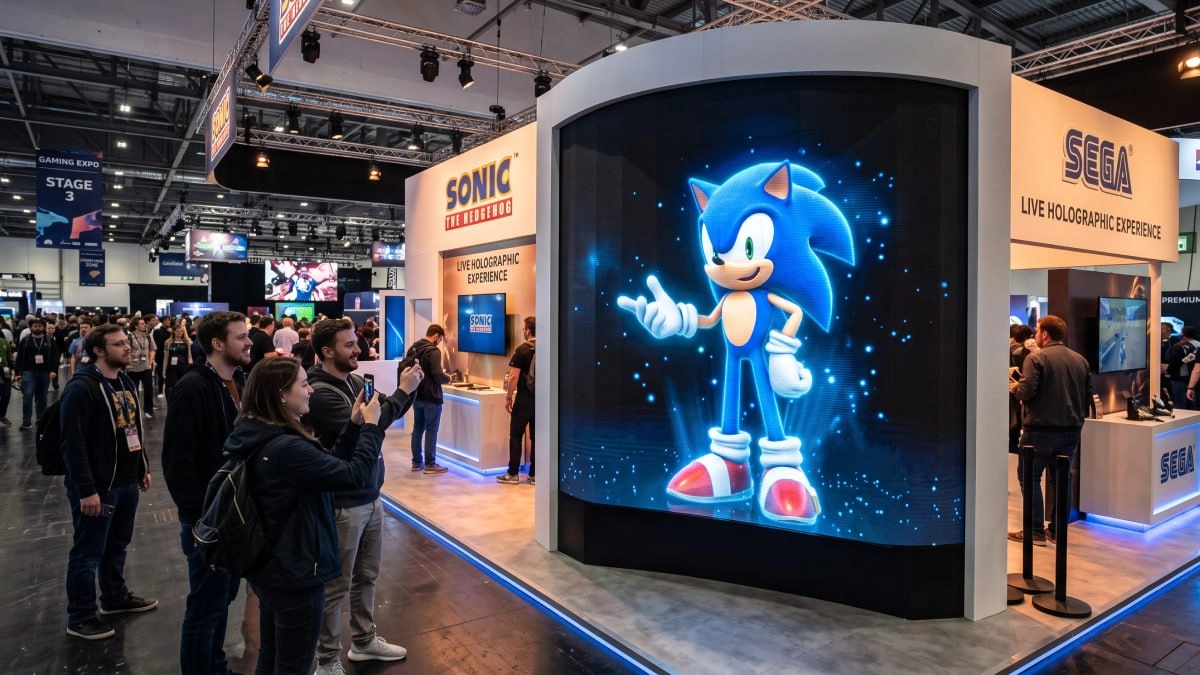
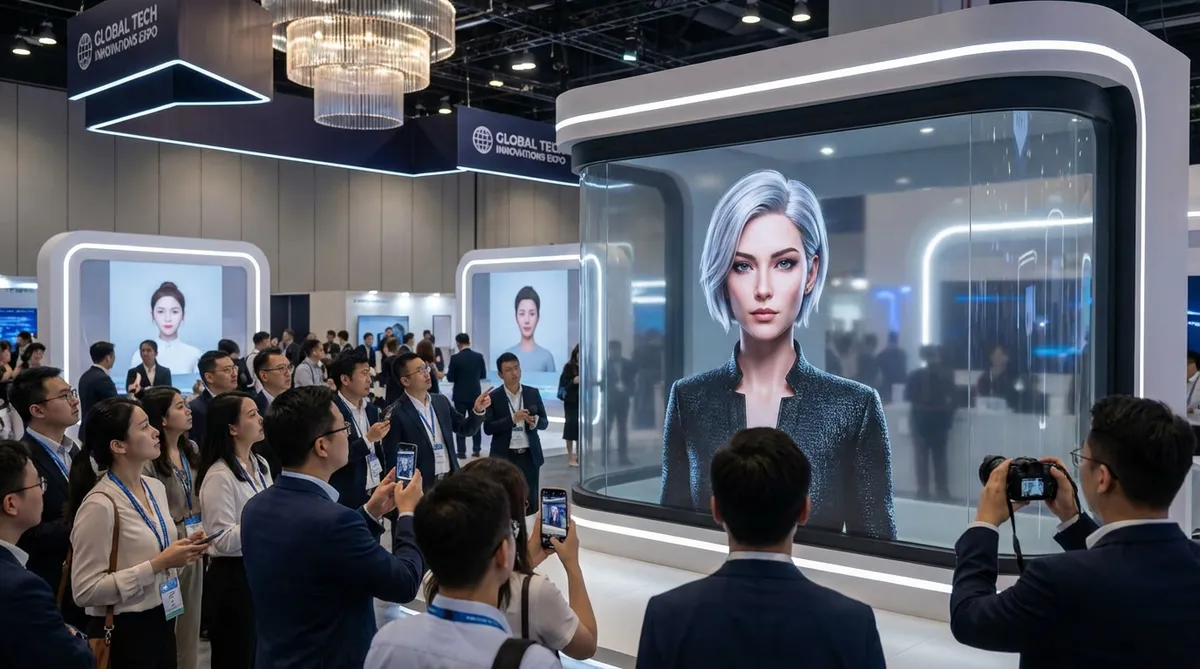
Digital human kiosks are interactive event experiences where an AI-powered virtual character communicates with attendees, answers questions, and represents a brand through natural conversations.
Traditional booths struggle to capture attention nowadays. Customers demand interactive experiences rather than being treated as mere consumers.
That said, two-way communication is becoming a global standard. The digital human kiosk is one of the latest developments in this field.
Unlike traditional kiosks that simply display information, digital human kiosks combine conversational AI with a recognizable brand character to create more engaging and memorable visitor interactions.
While still not very common, it holds significant potential to raise brand awareness and purchase confidence.
This blog explores how digital human kiosks work, their key benefits, and the most effective ways brands use them at events.
What Is a Digital Human Kiosk for Events?
A digital human kiosk eliminates the need for human staff to communicate with attendees at events. Instead, an AI-powered virtual avatar, typically presented as a brand mascot, engages with visitors through voice or text, and sometimes through touch interfaces.
These avatars greet visitors and answer their questions. They provide relevant information in a natural way.
It Is Not Just a Kiosk; It Is a Branded Character In a Kiosk
Treating an AI avatar kiosk as just an ultra-smart screen is wrong. The main purpose is to offer audiences a memorable experience using an intelligent branded character. Businesses invest in these branded characters to maintain a presence at the event.
Proper design is essential. An AI-powered character must embody the brand’s voice and tone, without contradictions. This way, the brand can have full control over all interactions, an advantage that is hard to achieve with rotating staff in traditional kiosks.
Strategy matters just as much. A well-built character, fully representing the brand’s values, turns a simple interaction into a branded experience. So, beyond guiding visitors, a digital human kiosk reinforces your brand through realistic engagement while making the experience entertaining.
In competitive events, where attention is limited, a well-created digital human kiosk with a well-thought-out strategy helps you draw attention to your booth.
The “Human Inside the Kiosk” Can Take Different Forms
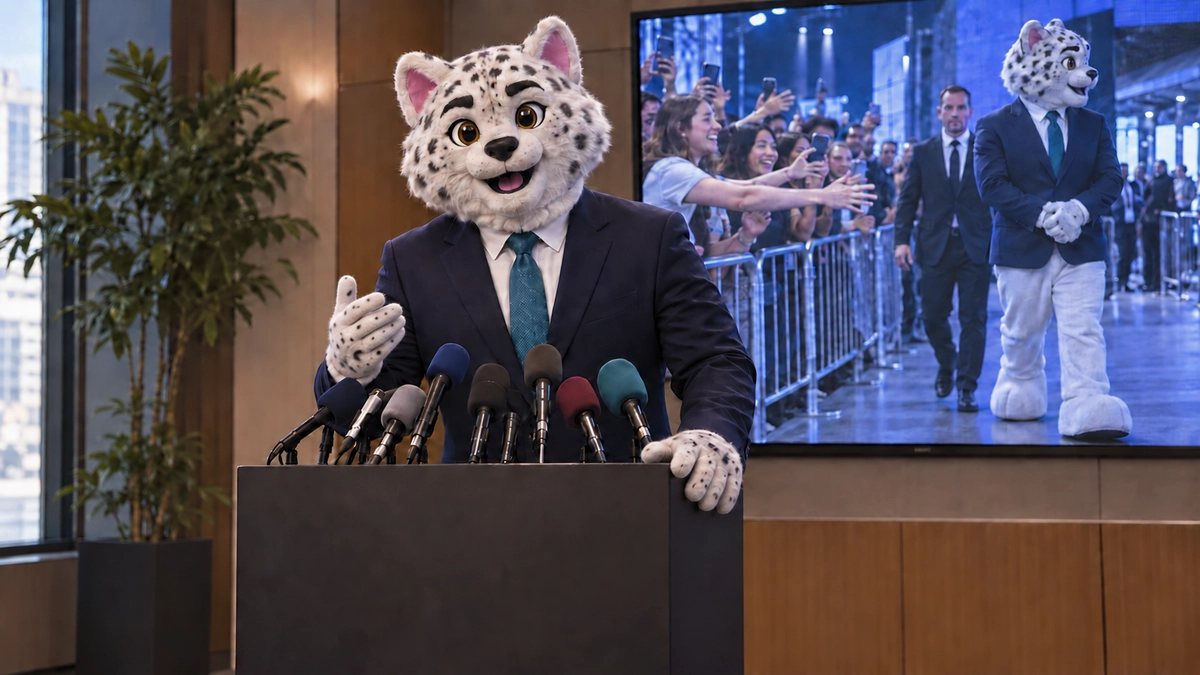
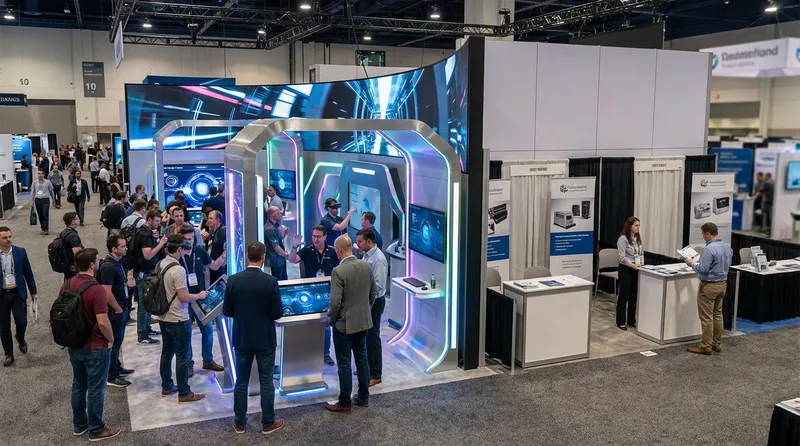
Although it’s best to use a brand mascot as the brand’s representative in a digital kiosk, you can choose from several types, such as:
- AI influencers
- Virtual brand ambassadors
- A generic AI-powered character
In practice, the choice depends on the goal of your campaign and event. What are you trying to achieve? Answering this question helps in finding the most suitable type of digital human.
For example, a generic avatar performs well for more functional guidance, while the brand mascot or ambassador can amplify brand awareness and recognition significantly. On the other hand, AI influencer-style characters are good for conveying a trendy vibe to attract younger audiences.
Let’s see how using a digital human drives better engagement in event marketing.
Why Character-Led Kiosks Create Stronger Event Engagement
A well-developed digital character can form a strong connection with audiences, engaging them deeply. Here’s how it works:
People Stop for Personalities, Not Just Screens
At crowded events, attention matters most. By delivering an outdated experience, such as old-school booths, businesses fail to draw attention. This is where a character-led kiosk becomes a game-changer.
Regardless of character type, the digital human has a recognizable personality that triggers curiosity, which translates into attention with the right strategy. It drives engagement because people don’t just receive information. Instead, they communicate with someone responding to their questions.
People are naturally drawn to faces and social clues, as shown in research published on PMC. As a result, using this immersive event technology turns interaction into a conversation-like experience.
In other words, event attendees won’t see the booth as another regular kiosk. Instead, they stop and look for more to see what the digital character offers.
A Digital Human Can Hold the Brand Voice Consistently
Inconsistency is a common issue in event marketing. People communicate differently and have different knowledge levels. This means the brand’s experience may vary from one visitor to another. AI avatar kiosks solve this problem.
Digital characters maintain the same voice and energy, serving all visitors throughout the day. Every interaction follows predefined character rules, and there is no variation. However, there is a narrow line that separates consistent messaging from delivering a robotic experience. Strategically designing the character prevents this problem from happening.
AI Influencers and Mascots Make the Experience Feel Alive
The personality and attitude a digital human kiosk brings turn an inherently robotic experience into a more lifelike experience. Visitors feel like they are having a conversation with a human rather than using a system.
If designed correctly, the sense of liveliness captures attention effectively, which is necessary in crowded events.
A lifelike feeling isn’t necessarily about realism. It’s more about emotional perception and connection. When visitors treat the digital character like a real person, your brand’s booth is no longer a simple tool, but a place that visitors tend to spend time at.
In simple terms, this approach transforms passive information delivery into an active, character-driven experience, which is actually engaging.
While a generic AI character is simpler to use, it’s best to invest in creating a branded character for events.
Why a Branded Character Works Better Than a Generic Avatar
Generic AI avatars struggle to leave a lasting impression, and this is their primary drawback. They can grab attention to some extent, but are certainly incapable of staying in the audience’s mind. This leads to missed long-term opportunities.
On the other hand, a branded character embodies a business’s tone and values, as mentioned earlier. So every interaction contributes to reinforcing the brand.
A generic character is usually a neutral presence, providing basic guidance that is easy to forget. If you aim to create long-lasting relationships and generate leads, a well-crafted branded character works best. The liveliness and emotional connection mentioned earlier can be achieved with branded characters.
Especially in competitive markets, businesses with stronger positioning through memorable brand ambassadors are more likely to succeed.
In the next section, we will review some use cases of an interactive AI kiosk.
Best Use Cases for Digital Human Kiosks
Let’s see how an AI brand ambassador kiosk can be used in events.
Product Demonstrations and Guided Selling
Visitors can learn about products and understand their features with the help of a digital human kiosk. These booths allow potential buyers to compare options and reduce uncertainty by providing accurate answers to questions.
This approach turns passive browsing into an active shopping experience, which can improve conversion rates.
Lead Generation and Qualification
AI-powered avatars in events not only improve lead generation but also qualify leads and categorize them for further contact. The key is asking smart questions and focusing on each visitor’s intent.
Event Navigation and Information Assistance
Event hosts can use intelligent agents to guide visitors in large complexes. By helping attendees find what they’re looking for, frustration decreases significantly, and satisfaction increases.
Replacing human staff with digital human kiosks reduces costs and human error at the same time.
Brand Storytelling and Campaign Activation
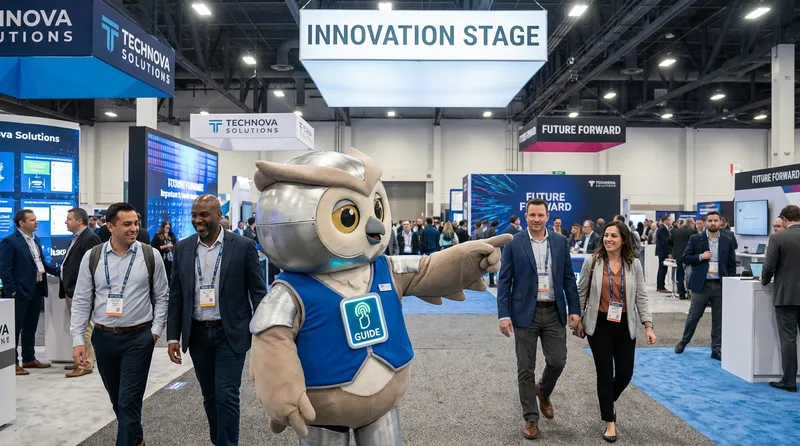
Brands can use digital kiosks for storytelling. To make this work, you need a branded character in the event. The consistency and curiosity that digital AI-powered characters bring make stories engaging in a way that draws attention.
Multilingual Customer Interaction
International events host visitors from different countries with diverse mother tongues. As a result, if brands can serve them in their own language, they gain a clear edge, helping them stay ahead of the competition.
AI avatar kiosks can act as a multilingual agent, interacting with attendees from all around the world. Maintaining consistency across different languages is critical. This is extremely difficult to achieve with human staff.
Entertainment and Audience Engagement
Beyond business goals, digital characters at events can be used to entertain audiences. Think of running quizzes and games for this purpose. Such playful interactions can draw people in and keep them engaged for a longer period.
Registration and Check-In Support
Businesses with a subscription-based model can use digital human kiosks to streamline the registration process for customers.
AI-powered mascots can answer common questions and speed up the registration process, which leads to an improvement in flow, especially at busy booths.
Let’s review some real-world examples of this technology.
Two Big Brands That Are Already Leveraging Digital Human Kiosks
This is still a relatively underexplored area that many brands have not invested in yet. But two famous brands, Qatar Airways and Dell Technologies, have implemented digital human kiosks, which we’ll discuss here.
Sama (Qatar Airways)
The Qatari airline used Sama, a digital assistant at ITB Berlin, one of the world’s largest trade shows. This AI-powered avatar was showcased in a kiosk-style interactive booth setup and was able to:
- interact with visitors in real time,
- answer travel questions, such as destinations and services the airline offers,
- deliver a consistent brand experience at the event, and
- act as a conversational AI agent.
Andies (Dell Technologies)
Dell Technologies is another major brand that opted for this approach and used a digital human kiosk at Dell Technologies World.
The character named Andies was installed in the booth setup to host and guide guests toward their destination. Answering attendees’ questions on various topics was another important responsibility of Andie.
Thanks to this AI-powered avatar, Dell reduced staff load during the event significantly, while keeping the experience consistent and engaging.
Be an Early Adopter to Stay Ahead of Your Competitors
Despite all the advantages of a digital human kiosk, not many brands have started using it yet.
This is a golden opportunity for your business to invest in this technology and position it as an innovative brand in your industry.
A professional virtual character agency can create your brand’s AI avatar booth from scratch. Get in touch if you’re interested.
FAQs
What is a digital human kiosk for events?
A: A digital human kiosk is an interactive system where an AI-powered virtual character represents a brand at events. It communicates with visitors using voice or text and provides information in a natural, conversational way.
How is a digital human kiosk different from a traditional kiosk?
A: A traditional kiosk only displays information through a screen, while a digital human kiosk uses a branded AI character to interact with users. This makes the experience more engaging and conversational instead of static and task-based. It helps brands create a more memorable presence at events.
Why are branded characters better than generic AI avatars?
A: Branded characters are designed to reflect a company’s tone and identity, which helps reinforce brand recognition. Generic avatars may provide information, but usually fail to leave a lasting impression.
What are the main use cases of digital human kiosks at events?
A: Digital human kiosks are used for product demonstrations, guided selling, lead generation, event navigation, multilingual support, storytelling, entertainment, and registration support.
Are digital human kiosks used by real companies today?
A: Yes, but adoption is still early-stage. Brands like Qatar Airways and Dell Technologies have used digital human kiosks in major events such as ITB Berlin and Dell Technologies World. These implementations show how companies are experimenting with interactive AI avatars to enhance engagement and brand experience.