
Samira Content Specialist
Key Takeaways
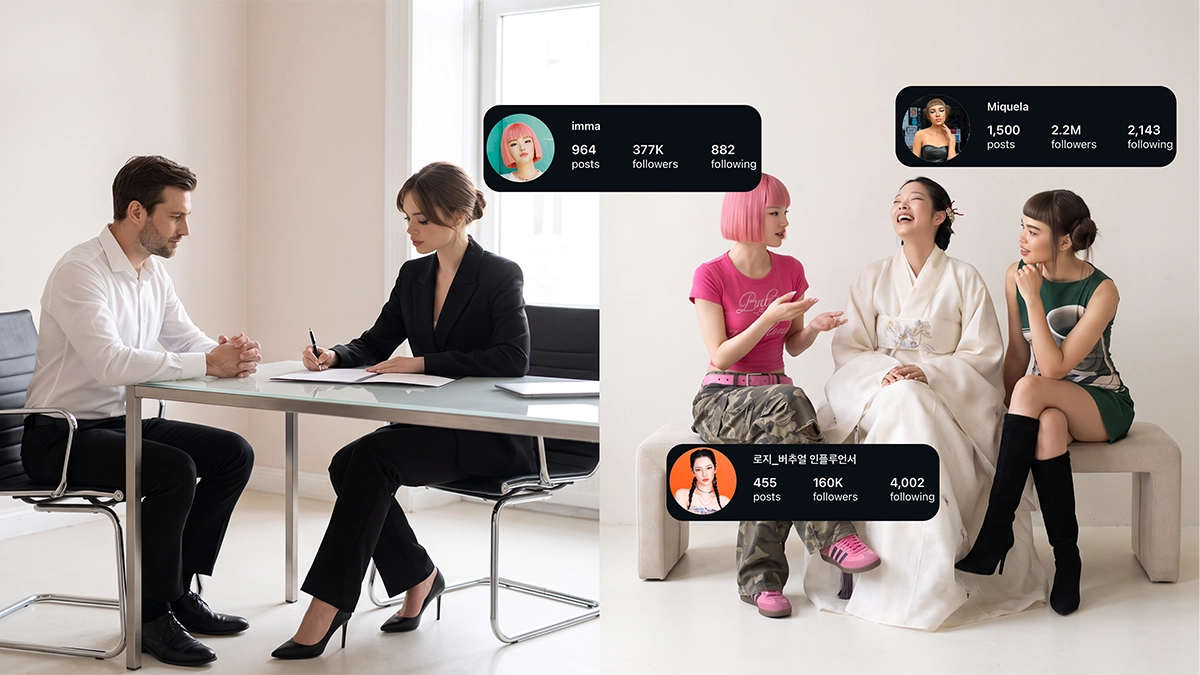
- The biggest advantages of virtual influencers are brand safety, creative consistency, long-term cost efficiency, and global content production without scheduling constraints.
- The main challenge is authenticity. Audiences know virtual influencers are fictional, which can make emotional connection and trust harder to build.
- The recognition of virtual influencers surged from 16.5% to 68.4% over a span of two years, with the number of hires increasing fivefold.
- Developing a virtual influencer represents a strategic long-term investment; you have the liberty to design it as you wish and maintain complete control, thereby minimizing the risks typically associated with human influencers.
Collaborating with virtual influencers may represent a new chapter in marketing, with both pros and cons of virtual influencers to consider.
Virtual influencers offer brands greater control, stronger brand consistency, lower reputation risk, and scalable content production. Their familiarity jumped from 16.5% to 68.4% in two years, with hiring increasing fivefold. This represents the steepest adoption curve in influencer marketing to date.
So, it may be worth considering collaborating with AI influencers or investing in creating a virtual influencer as an IP asset.
On the flip side, virtual influencers have limitations. Authenticity concerns, high upfront production costs, and audience discomfort with highly realistic AI characters can reduce their effectiveness if brands execute them poorly.
In this article, we will explore the benefits that virtual spokespersons bring to the table, as well as the downsides they may have.
The Pros of Virtual Influencers
Well, why do companies collaborate with or invest in AI-generated influencers? Here are a few reasons.
Full Control Reduces Brand Inconsistency
You cannot fully control a human influencer, but you can create an AI-generated character and manage its narratives, values, and even visual identity. What could be better than this?
This level of control gives brands a powerful new advantage. Now compare that to working with a human influencer: you can’t fully control what they say, how they show up, or the values they stand for. At best, you hand over a campaign brief and hope it’s delivered the way you had in mind.
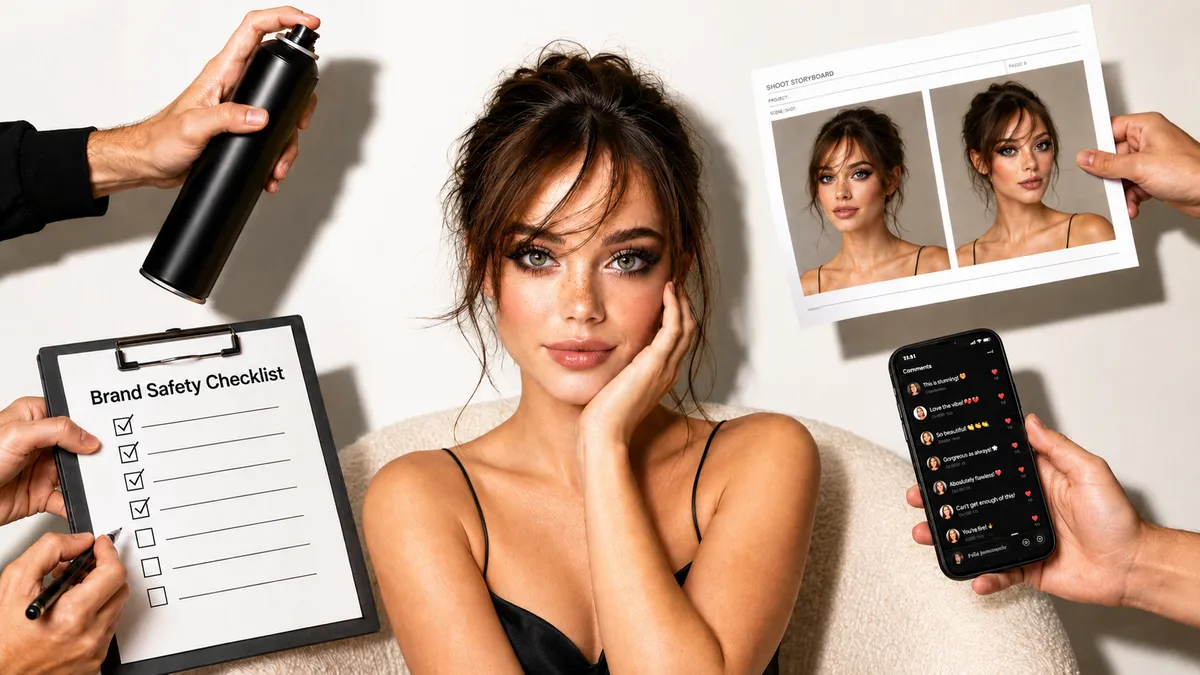
But why does this control matter? Because it reduces the risk of backlash, scandals, and unpredictable controversies, which can damage a brand’s reputation.
Virtual Influencers Reduce Reputational Risks Linked to Human Celebrities
As we said, unlike human influencers, an AI influencer is fully controlled by the brand. This significantly reduces the risk of unexpected behavior or personal controversies that could harm a brand’s reputation.
A case like Chiara Ferragni’s shows how things can go wrong fast! She faced major backlash in the “Pandoro” scandal, where a promoted product was misleadingly associated with charitable donations.
The situation led to legal consequences, and trust in her dropped sharply, dragging down confidence in linked companies too.
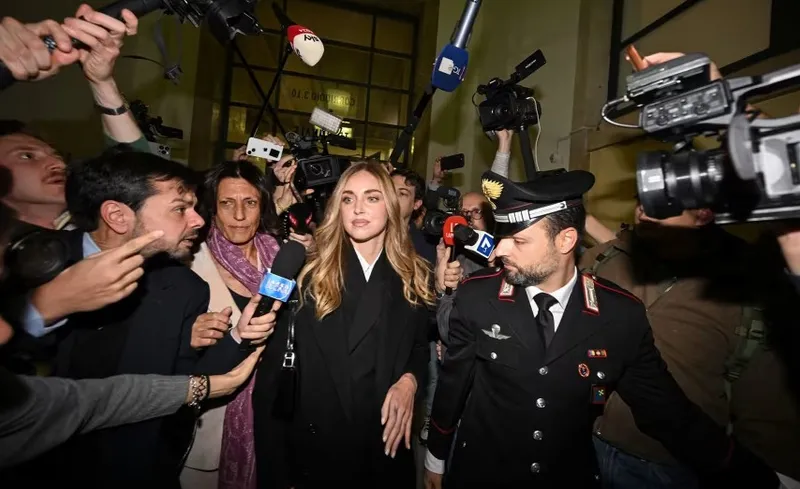
Right? A single misstep can spark outrage!
In contrast, AI influencers work within predefined guidelines. They follow strict rules, staying on message without surprise twists. Predictability becomes their strength, avoiding public relations fires before they start.
Building a Virtual Influencer Is a Long-Term Investment
Influencer costs for each post vary widely, beginning with a low range for nano-influencers and escalating to a high range for mega-influencers who offer substantial reach and engagement. These expenses can accumulate quickly.
But if your AI character actually aligns with your brand and people care about it, the long-term costs can drop way down. It takes a while to get there, though. Why?
Well, you have to spend some money at the start. There’s the cost of building out the virtual character, paying for content, ads, and all the stuff that makes it feel real and on-brand.
But as your AI influencer gets more recognition and people start engaging, those expenses pay off, and reaching your audience becomes much cheaper over time.
Plus, unlike human influencers, virtual influencers don’t need to travel, attend photoshoots, or coordinate filming schedules.
Instead, these tasks are managed through AI systems and production teams behind the scenes. This makes content production faster, more flexible, and often more cost-effective. This is especially useful for brands producing social-first video content with AI influencers at scale.
On the other hand, as the virtual influencer grows its audience and community over time, it opens up opportunities for brand collaborations and new revenue streams. Isn’t that interesting?
AI Influencers Offer Round-the-Clock Engagement
An AI influencer can post at any time, across any time zone. In fact, you can schedule a virtual influencer to create content, launch campaigns, and engage with audience feedback across multiple time zones and in different languages.
This capability is especially valuable when using AI influencers in global marketing and multilingual campaigns.
You Own All the Data
Data is power, so why not keep that power in our own hands? With an AI influencer, brands can track every aspect of audience engagement, gather detailed demographic insights, and use that data to shape product development and optimize marketing strategies.
For instance, if a fashion brand uses an AI influencer to promote a new line of clothing, it can see exactly how different groups of people interact with each post.
It can see which age groups are most interested, which types of content get the most clicks, and which regions respond the best.
Based on the collected data, the brand can adjust its future designs, messaging, and marketing strategy in real-time.
Take a Look at These Statistics
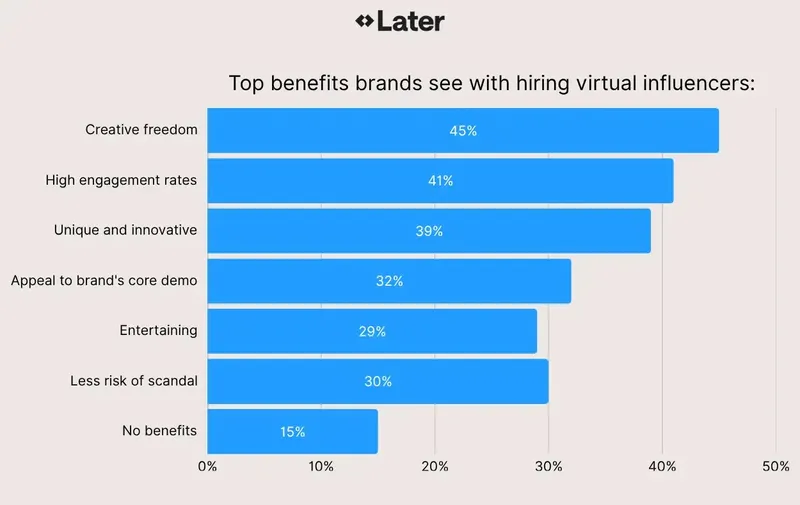
According to a survey published by Later.com, brands that have worked with virtual influencers report remarkably high satisfaction with creative freedom (ranking it the top benefit of the collaboration).
Equally notable is where brands placed engagement rate. High audience engagement was consistently cited as a measurable benefit of working with virtual influencers.
That’s a finding that challenges the common assumption that CGI personas can’t build a real connection with real audiences! Any idea?
The Cons and Risks of AI Influencers
The Authenticity Gap
This is the most important drawback of virtual influencers.
Virtual influencers are, by definition, fictional, and most audiences know it. That transparency can work against a brand:
It’s harder to build genuine emotional connections through joy, nostalgia, or shared experience when one side of the relationship is a computer-generated persona.
Authenticity, the currency human influencers trade on, doesn’t come naturally to a character that has never lived, struggled, or felt anything.
But does this have to be a dealbreaker? No!
What virtual influencers lack in lived authenticity, they can offset with consistency and reliability. A well-crafted AI persona that shows up with a clear point of view, avoids overly polished or transactional content, and engages audiences in a genuine tone can still earn trust over time.
People may know the character isn’t real, but they can still find them compelling, relatable, and worth following!
Think of it less like trusting a person and more like trusting a brand: what matters is whether the values and voice feel coherent and honest.
Further Info
Have you ever heard about the Uncanny Valley Effect?
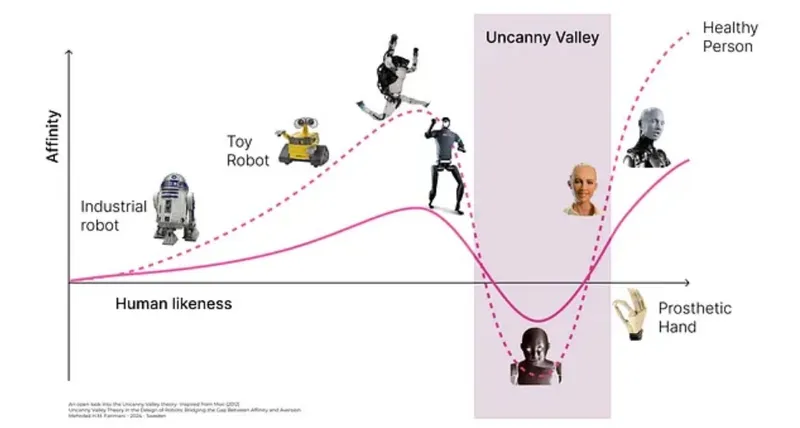
The uncanny valley effect happens when an artificial figure (a robot, a CGI character, a digital human) looks almost real, but not quite.
Rather than feeling charming or impressive, it triggers something closer to discomfort. The closer a character gets to being human without fully arriving there, the more unsettling the gap becomes.
The name comes from how this plays out visually on a graph. As a character’s human-likeness increases, so does our emotional affinity, up to a point. Just before the threshold of convincing realism, affinity drops sharply. That dip is the valley. Cross it successfully, and audiences accept the character as lifelike. Fall into it, and the reaction shifts from engagement to quiet distress. You know, discomfort doesn’t convert, and that’s the deal-breaker!
So, when building your IP, be careful of what you don’t want: a face that moves slightly wrong, eyes that don’t quite track naturally, and skin that looks textured but not alive.
High Upfront Production Costs
Building a credible virtual influencer with a coherent personality, consistent visual identity, and content that actually engages requires meaningful upfront investment.
Character design, 3D modeling or illustration, voice and tone development, content production, and platform strategy all demand professional expertise. And… It isn’t cheap.
But the cost structure looks very different over time. Unlike human influencers, a virtual persona doesn’t charge per post, demand exclusivity fees, or require a new negotiation every campaign.
Once the character is built and the creative pipeline is established, the cost per piece of content drops significantly. The asset appreciates rather than depreciates, and most importantly, the IP remains entirely yours.
This is one of the most profitable long-term investments in your marketing mix.
Uncertainty in Platform Algorithm
Platform algorithms are a moving target, and this is one area where virtual influencers face a genuine structural headwind.
As of early 2026, both TikTok and Instagram continue to favor content that feels human and unfiltered. Instagram’s push toward raw, lo-fi content is a direct response to audience fatigue with overly polished, artificial-looking posts.
YouTube takes a more permissive stance: AI-generated content is eligible for monetization, but it must deliver original value, meet strict disclosure requirements, and avoid what the platform classifies as low-effort automation, mass-produced slideshows, or voice-over-stock-footage formats with no real creative merit.
The honest takeaway is that algorithm preferences are not a permanent policy. They shift with culture, and culture is already normalizing AI-generated content faster than most platforms anticipated! But you should be ready for any scenario.
Virtual Influencers VS Human Influencers (A Quick Comparison)
If you haven’t decided yet whether virtual influencers are beneficial or whether you should continue collaborating with human influencers, let’s take a look at the comparison in the table below:
| Factor | AI influencers | Human influencers |
| Engagement Rate | ~5.9% – roughly three times that of human influencers. | ~2% average |
| Authenticity | Constructed; audiences know the persona is managed; authenticity depends on design quality and narrative. | High — built on lived experience, personal struggles, and real transparency. |
| Brand Safety | Lower risk; immune to personal misconduct; transparency failures are the main risk instead. | Higher risk; off-platform behavior and personal scandals can damage brand reputation. |
| Creative Control | Full control over visuals, messaging, posting rate, and brand alignment. | Limited; established creators have their own voice and style; changing it can go wrong. |
| Cost | High upfront investment; significantly lower recurring costs with reusable assets | Fees vary widely by level; travel, logistics, and production costs add up. Generally, 30%+ more expensive |
| Long-Term ROI | Potentially predictable ROI over multiple campaigns with fewer variable costs. | Fluctuating costs and logistics overhead. |
| Emotional Connection | A weaker emotional connection depends heavily on character depth and consistency. | Strong; Personal storytelling, visible imperfections, and shared life experiences build genuine trust. |
| Ownership | Full | None |
| Customization | Hyper-targeted and programmable, but without real emotion. | Just through lived experience and personal voice. |
| Best for | Regulated industries, scalable campaigns, long-term brand IP, multi-market deployment. | Building deep trust, authentic storytelling, and community-driven campaigns. |
For more information, please read “Virtual Influencers vs Human Influencers: A Strategic Comparison for Brands”.
Examples: A Win and a Warning
Success Story: Imma X IKEA
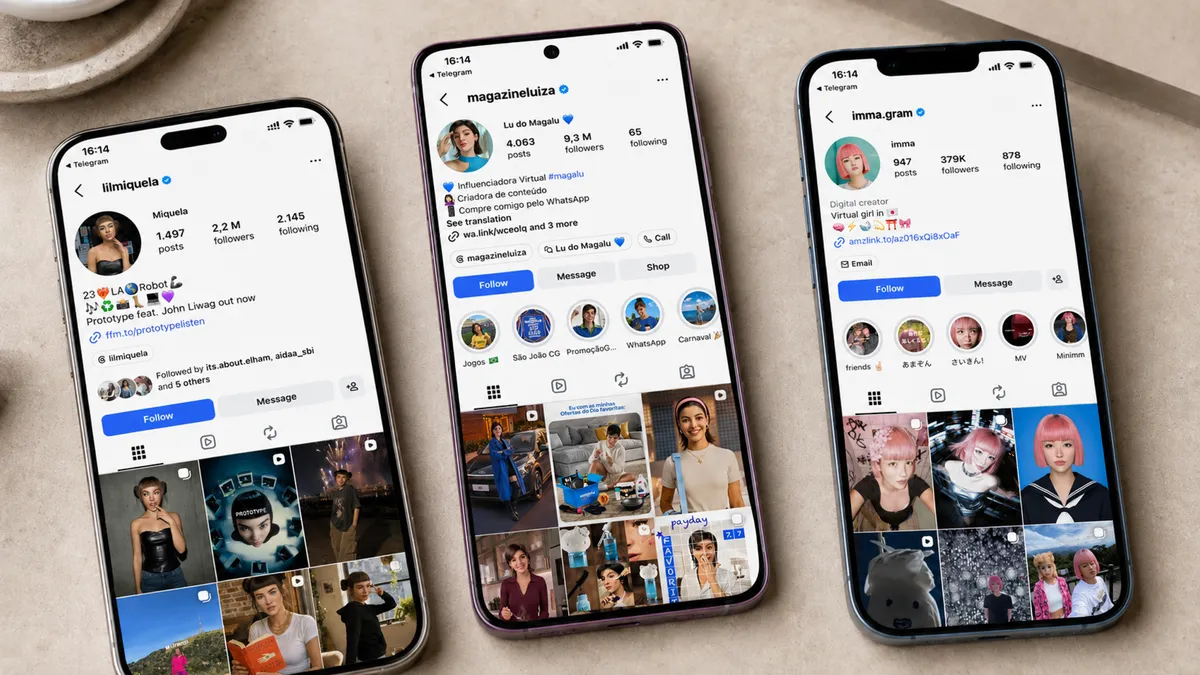
When IKEA Harajuku wanted to explore the concept of happiness at home, they didn’t turn to a celebrity or a lifestyle blogger. They partnered with Imma, Japan’s most recognized virtual influencer, and the results made headlines far beyond the furniture industry.

The campaign centered on a deceptively simple premise: Imma lived inside a real IKEA store in Tokyo for four days, her daily life visible to passersby through the store’s glass walls. She cooked, relaxed, decorated, and went about her routines entirely surrounded by IKEA products.
The campaign generated over 80 media stories worldwide and sparked conversation across markets that IKEA had never targeted directly with the activation.
For brand directors evaluating virtual influencers, this case offers a useful benchmark: the technology isn’t the story. The idea is the story.
Imma didn’t succeed because she was digital; she succeeded because the concept was original, and the execution was flawless.
Failure Story: Meta’s Kendall Jenner AI Chatbot

On paper, the idea sounds smart: In 2023, Meta Platforms tried out AI-generated personas, including influencer-style characters that looked and acted like real celebrities, like Kendall Jenner. The goal was clear: use a digital version to increase influence.
But the execution exposed the flaw!
Audiences rejected these characters almost immediately. Across social platforms, reactions were blunt: “soulless”, “creepy”, “fake.”
The issue wasn’t just visual realism; it was comparison. When a virtual influencer is clearly modeled on someone people already recognize, the gap between the original and the copied version becomes impossible to ignore.
This is the uncanny valley at a cultural level. Not just how something looks, but how it feels. The closer the imitation gets, the more obvious its limitations become.
There were measurable consequences. According to Brandwatch data, positive sentiment toward Meta’s influencer initiatives dropped by 20% in the wake of the campaign! So, the direction of the reaction was clear: people didn’t like it.
What did we learn? The lesson isn’t that virtual influencers don’t work. It’s that imitation is the wrong strategy.
Let’s Build the Right Strategy for Your Brand
Now we know that virtual influencers are also a legitimate strategic option, despite their disadvantages.
- They have a high engagement rate.
- They offer unmatched creative freedom.
- You own them as an IP asset.
- Some drawbacks, such as a lack of authenticity and the uncanny valley effect, can be addressed with powerful tools and a good strategy.
If you’re looking for a comprehensive roadmap, book a strategy session with a virtual influencer agency.
Remember: your brand deserves an influencer no one can cancel!
FAQs
Are virtual influencers effective for driving real sales?
Yes, but they need to resonate with your target audience. So, with an accurate strategy, you can reach your goals.
Do audiences actually trust AI influencers?
More than most brands expect. Research shows that transparency (not humanity) is the primary driver of trust with virtual influencers.
Can virtual influencers replace human influencers?
Not entirely, and that’s not the right goal. Human creators bring lived authenticity that CGI personas can’t fully replicate, while virtual influencers cover what humans can’t: consistency, scalability, and total brand control.
The smartest brands aren’t choosing between the two; they’re using both.