
Samira Content Specialist
Key Takeaways
- Yes, Gen Z engages with AI influencers, especially when the content aligns with their interests, values, and digital-first lifestyle.
- Successful AI influencers focus on storytelling, self-expression, and community rather than overt promotional content.
- Gen Z is the first generation that grew up with constant access to the internet and social media. They are also known as “digital natives”.
- Gen Z has a stronger connection with virtual influencers who reflect their values (such as honesty and a purpose-driven lifestyle).
- AI-generated influencers can be an effective digital touchpoint for attracting Gen Z toward your brand.
- Creating AI influencers is a long-term investment for brands. By 2030, they are expected to become far more common, with a growing number of Gen Z audiences choosing to follow them.
Gen Z grew up during the rise of social media. Virtual influencers gained popularity later, particularly in the late 2010s. It is no surprise that the younger generation engages with these digital personas. However, engagement depends less on the technology itself and more on how the virtual character is designed, positioned, and presented.
Several factors explain why AI influencers resonate with Gen Z:
- Digital-first behavior: Gen Z grew up with social media, online identities, and virtual communities.
- Value-driven engagement: They respond to personalities that reflect authenticity, transparency, and social awareness.
- Storytelling over advertising: Gen Z prefers relatable narratives and cultural relevance over direct promotional content.
- Comfort with virtual identities: Digital characters feel natural to a generation that regularly interacts with avatars, creators, and online personas.
This review explores how Gen Z perceives AI influencers, what drives trust and engagement, and how brands can create virtual personalities that resonate with younger audiences.
Do Gen Z Engage with AI Influencers?
The answer is yes. But let’s dig a little deeper into that.
According to data from Sprout Social 2024, nearly 46% of Gen Z consumers trust brands that collaborate with virtual influencers, often favoring them over traditional celebrities.
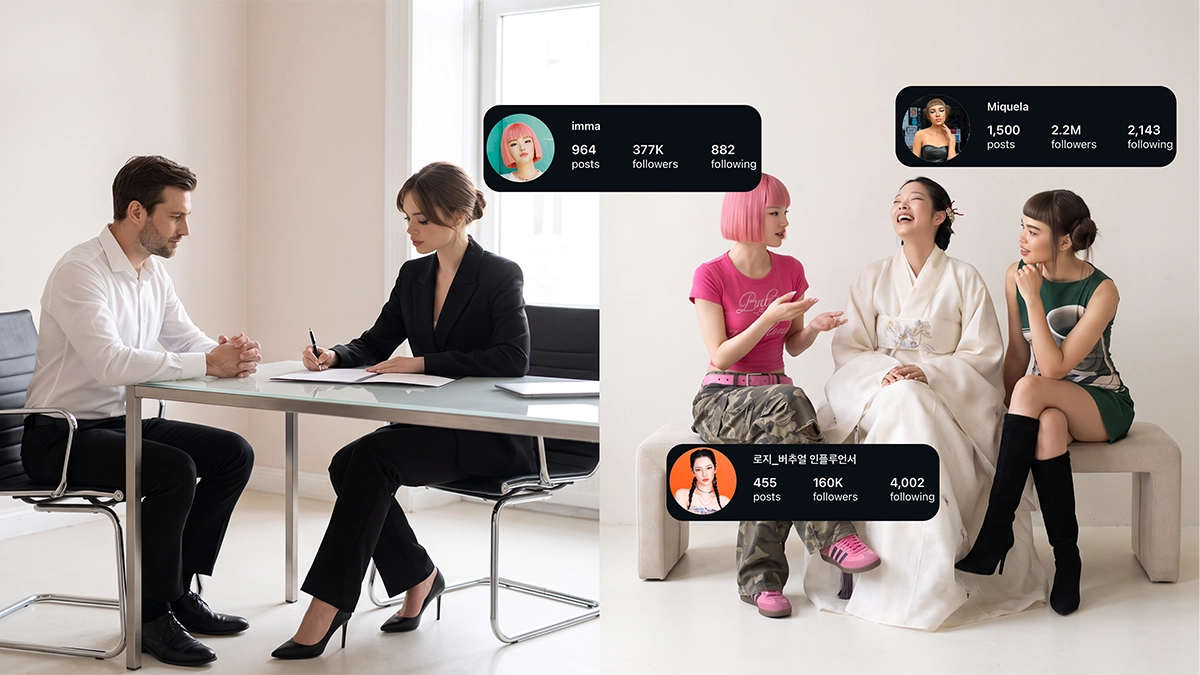
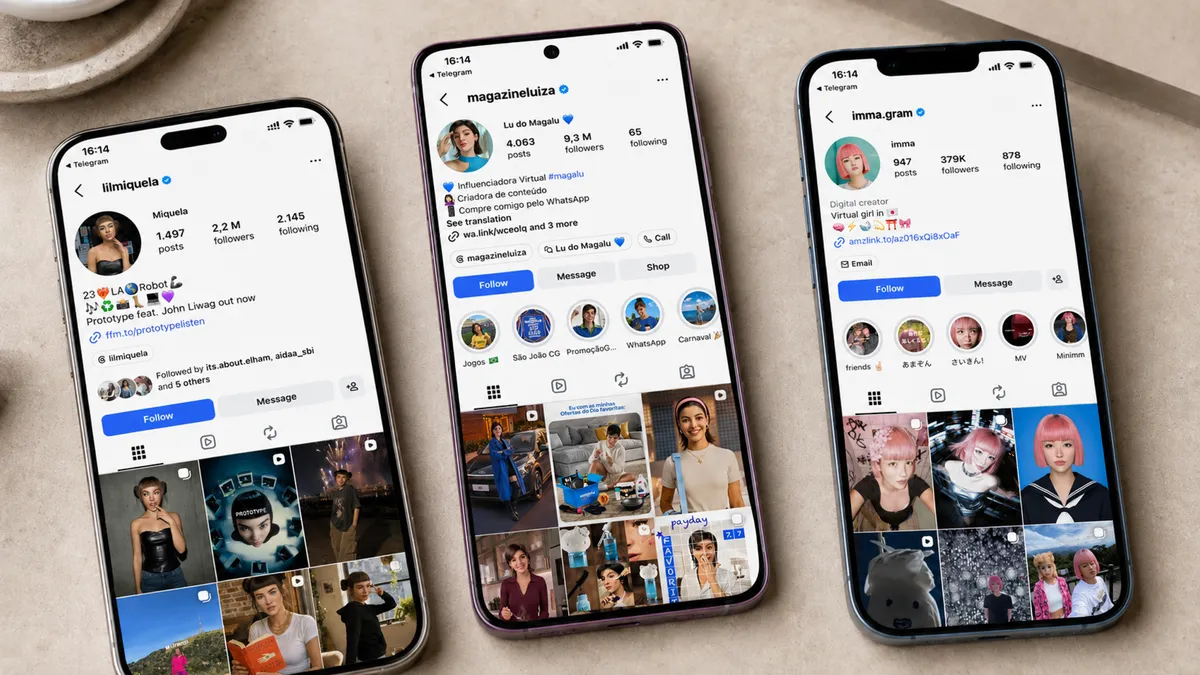
For instance, have you ever heard of Lil Miquela? She’s a full CG influencer, with over 2.3 million followers on Instagram and 3.2 million followers on TikTok. She’s pulled in over $8,000 for each post after collaborating with big names like Prada and BMW back in 2020, as per Bloomberg 2020.
Miquela really seems to click with Gen Z, and I believe a big reason for that is how well she aligns with what they care about (values) and how they see themselves (identity).
One more thing: about 47% of her followers are 18–24, and another 28% are between 25 and 34. So we can say Gen Z really engages with Lil Miquela and other AI influencers.
Do AI Influencers Build Trust with Gen Z?
To be honest, we can’t say that Gen Z just blindly trusts everything AI influencers say! However, according to the Sprout Social 2024: Consumer Expectations report, just 35% of Gen Z care most about whether an influencer feels authentic, even when the content’s clearly sponsored. That’s a lot lower than other age groups.
So, if a virtual influencer acts in line with Gen Z’s values and skips the usual shady stuff (like fake claims or clickbait), they may build trust with these folks.
How to Make AI Influencers that Draw Gen Z?
Understanding Gen Z is the first step. Let’s get into what exactly matters for Gen Z.
Generation Z Values
Gen Zers typically value honesty and transparency, as well as having a strong sense of purpose. According to Deloitte, 89% of Gen Z say that purpose plays a key role in their job satisfaction and overall well-being.
Moreover, studies in Stanford Report show that Gen Z tends to be collaborative, flexible, and pragmatic, valuing direct communication.
The important point is to, as a brand that uses AI influencers, be honest and transparent with the audience, either on social media or in your content.
Generation Z Buying Behavior
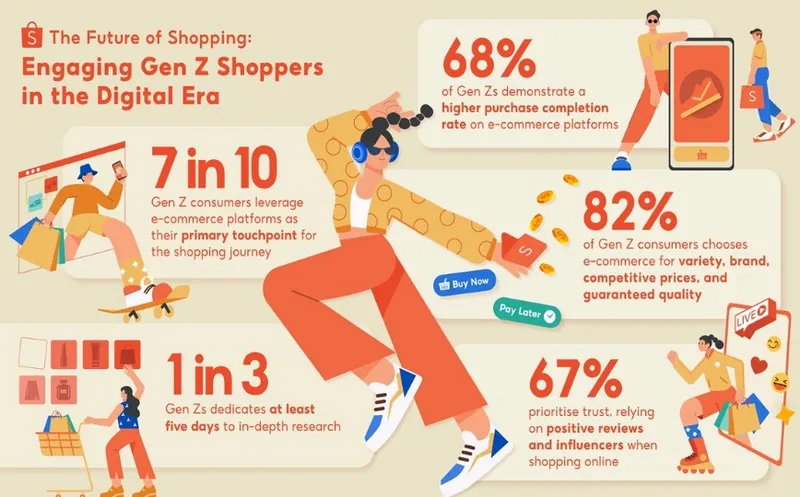
Gen Z is becoming an important part of the workforce, which means they have more money to spend and greater influence as consumers.
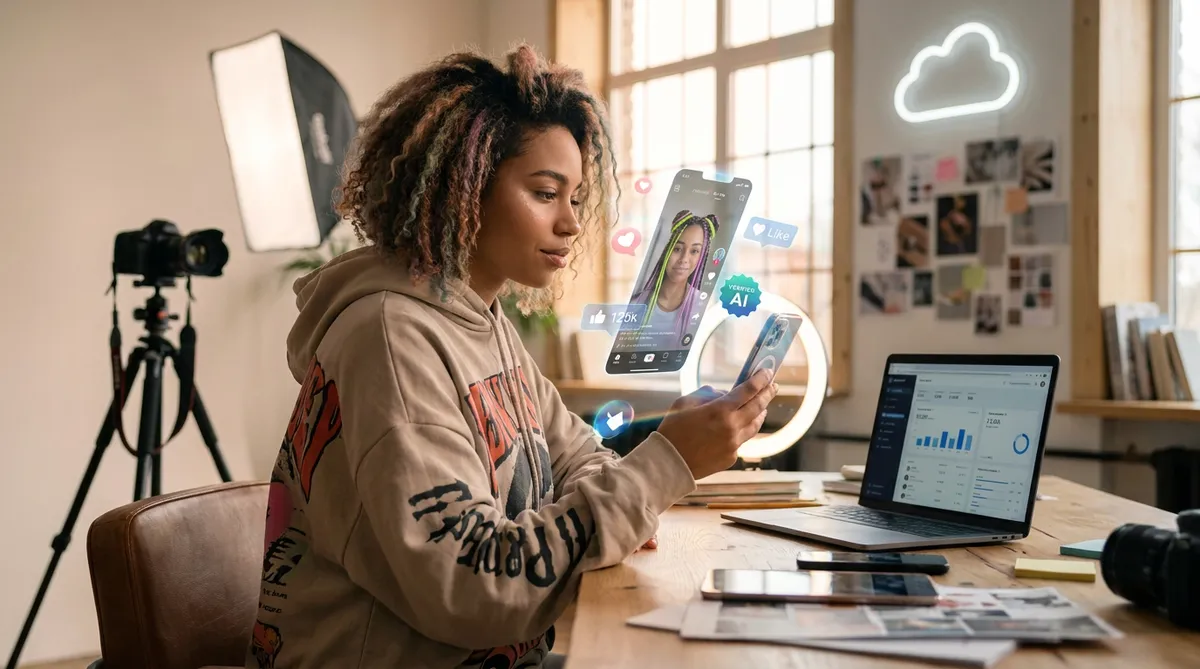
Don’t forget that Gen Z grew up online, always plugged into social media and digital conversations. So, they are tuned in to trends, paying close attention to influencers they trust (even AI influencers), and they really prefer to be ‘informed consumers’.
If you want to reach them, do it where they hang out online. Focus on the influencers and channels they already love. They like virtual influencers, so use them! That’s how you get their attention and turn them into customers.
Social and Ethical Concerns
Gen Z places high importance on ethical values, diversity, and social impact. Any content that AI influencers produce should align with these priorities to resonate effectively and attract this generation.
Now that we know who Gen Z is and how to influence them, let’s ask an important question: how can businesses benefit from them?
The Power of AI Influencers for Brands Targeting Gen Z
Full Control Over Messaging
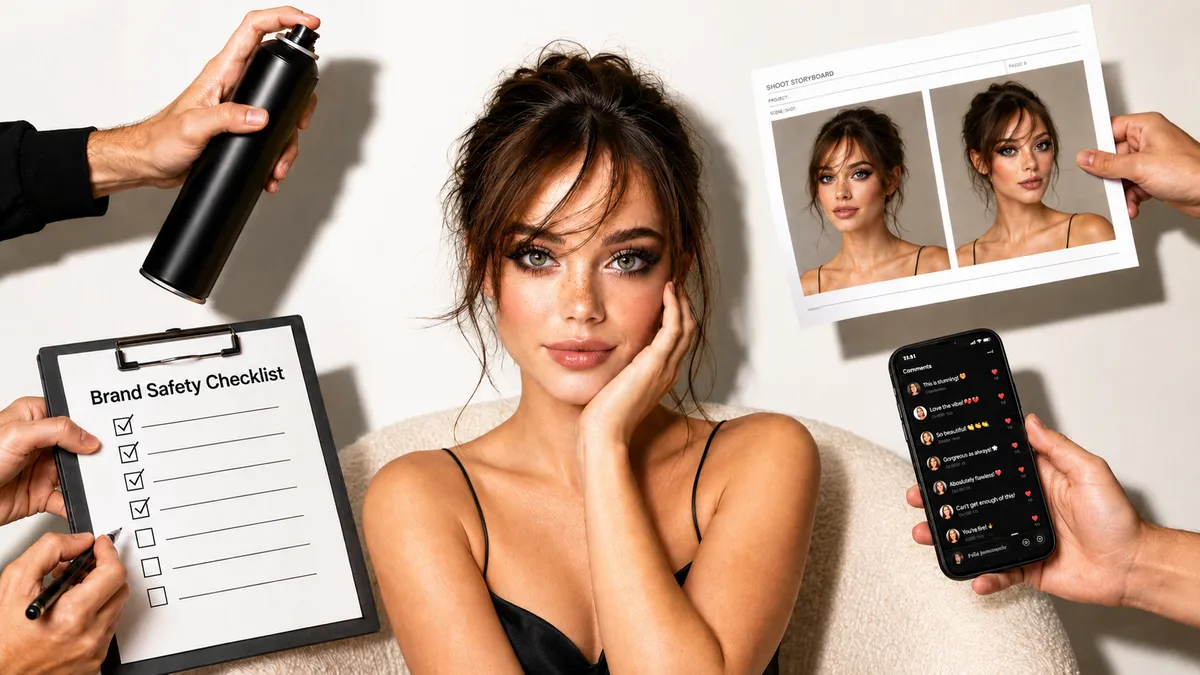
A brand-owned virtual influencer gives your brand full control over its behavior, values, reactions, and identity. You can establish a clear framework with your own parameters, such as its behavior, values, reactions, and identity. That enables you to decide exactly how it communicates and reflects your brand message to the Gen Z audience.
This control is especially valuable for reaching Gen Z, who are sensitive to inconsistency and inauthenticity. By keeping a consistent voice and adapting to trends, brands stay relevant and appeal to younger generations.
Also, you can easily modify and implement changes as you need them. This is important because you can respond in real-time marketing to cultural shifts, and online dialogue.
Alignment With Digital-First Behavior
Since Gen Z lives online, AI influencers naturally fit into their ecosystem (social media, trends, and digital culture). In a fast-scrolling environment where attention spans are short, being visually engaging and instantly relevant is critical.
Put simply, a virtual influencer is already present at key touchpoints and is more likely to capture attention in the moments that matter.
Built-in Transparency (If Done Right)
AI influencers can clearly label partnerships and avoid the “fake authenticity” that Gen Z strongly dislikes. Unlike traditional celebrities, they can be designed to prioritize transparency and consistency from the start.
As a result, they can better align with Gen Z’s preference for honesty, clarity, and clear intent.
To learn what contributes to transparency, visit our latest article on virtual influencer authenticity.
Global Reach Without Cultural Limits
Geographical borders mean little to Gen Z.
This crowd actively follows international and diverse content, often across multiple platforms and cultures. So if you have the opportunity to reach a global audience in different languages and cultural contexts, why not take it?
An AI influencer can be active simultaneously on TikTok in the U.S., Instagram in Europe, or social platforms in China, without neglecting cultural sensitivities. This makes AI influencers in global marketing especially useful for brands adapting content across languages and cultural contexts.
Seems good?
Yeah, but the key is to provide a clear, comprehensive guideline to ensure consistent and respectful communication.
Perfect for Storytelling
Gen Z prefers stories over polished marketing or direct ads. An AI influencer can become the main character of an engaging narrative, or even drive multi-platform storytelling across different touchpoints.
It’s straightforward: you provide a scenario, and the AI can generate tailored content for Instagram Reels, commercial videos, TikTok clips, and more!
Remember, the best storyteller wins!
The Case of Imma and Coach: A Campaign Made for Gen Z
Imma (@imma.gram) is a virtual influencer and digital model created by Aww Inc. She is portrayed as a young Japanese woman with signature pink bob hair, mixing bold street style with high-fashion vibes.
In 2024, Coach collaborated with Imma on a campaign called “The Courage To Be Real”. This inspiring campaign was about self-expression, which is a key theme for Gen Z.
The campaign includes 5 videos. In each, Imma visits a brand ambassador and discovers their unique superpowers, such as breaking the molds, exploring new opportunities, and taking risks.
Why do we believe this campaign was successful in targeting Gen Z?
Firstly, They Used Imma, a Tech-Driven Identity
This means Coach met Gen Z (a digital-native audience) in their comfort zone since Gen Z is the most digitally savvy generation.
Secondly, the Campaign Explored What It Means to Be “Real”
And this was done through a virtual character! This resonated with a generation that constantly navigates identity and self-expression on social media.
Finally, The Message Resonated with Gen Z
The message of “The Courage to Be Real” directly appealed to Gen Z’s focus on individuality, breaking stereotypes, and embracing one’s unique self.
Moreover, the inclusion of human influencers such as Lil Nas X, who represent culture-defying artists, gave it an edge culturally speaking.
Now that we recognize the power of AI influencers and the advantage they offer for Gen Z marketing, it’s clear they’ll be playing a significant role in the future of marketing.
But… There’s a twist!
The Challenges of Saturation and Reduced Effectiveness
LLMs and AI tools are evolving at an incredible pace. At the same time, it’s easier, cheaper, and more accessible than ever to make characters that are made by AI. Because of this, a lot of businesses are starting to put money into them, which could make the space very competitive or even too full very quickly.
When that happens, audiences may start to feel a sense of repetition and even distrust, which eventually reduces the impact of professional brands.
So, what’s the solution?
AI is still a powerful opportunity. You just need to use it the right way.
Focus on content quality and authenticity, and don’t rely on AI alone. What really matters is having a clear strategy that puts your audience first.
Instead of creating multiple shallow personas, invest in building one strong, well-developed character. Give it depth, consistency, and a long-term vision. That’s how you stand out and actually build trust over time.
In addition, don’t underestimate the power of stories! I mean, don’t just create a virtual influencer; build a story people want to follow.
A strong narrative (background, personality, goals, even struggles) makes your AI character feel more human and relatable. People don’t connect with perfect avatars; they connect with stories that evolve over time.
If your audience is curious about “what happens next”, you’ve already won half the game.
Pro Tip (Gen Z Angle)
If you’re targeting Gen Z, remember this: they’ve grown up online, so they’re very comfortable with digital identities, but they also have a sharp radar for anything fake or forced!
They don’t expect your AI influencer to be “real”, but they do expect it to feel authentic, transparent, and culturally aware. That means your storytelling should reflect real values, current conversations, and even imperfections.
If your character feels too polished or purely promotional, Gen Z will scroll past. But if it feels like a personality with a point of view, they’ll engage with it.
AI Influencers Play a Key Role in the Future of Gen Z Marketing
Although human influencers still lead in earnings and popularity, the rapid growth of AI suggests a clear shift ahead. According to data reported by Forbes based on a Twicsy study, human influencers currently earn up to 46 times more than AI influencers.
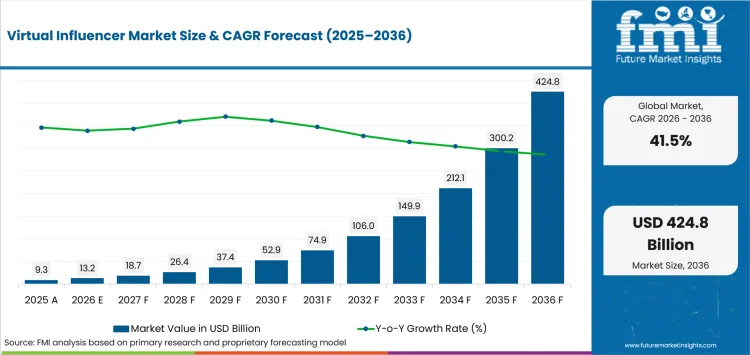
However, this gap may narrow as the market evolves. In fact, KBV Research estimates that the virtual influencer market could reach $37.8 billion by 2030. That highlights its growing role in marketing strategies.
Gen Z, in particular, is highly open to virtual identities, as long as the content feels relevant and engaging. This suggests that AI is unlikely to fully replace human influencers. Instead, the future of marketing will likely see AI and human creators working together:
AI provides scalability, on-point messaging, and brand consistency, while human influencers contribute real and emotional connections. For brands targeting Gen Z, this hybrid approach offers the best of both worlds: maximum reach without sacrificing authenticity.
Conclusion
So, by now it’s clear that AI influencers aren’t some magic fix for connecting with Gen Z, but they *can* be a smart investment for the future. Gen Z is actually pretty open to AI and even willing to engage with it.
The catch? They push back on anything that feels fake, overly perfect, or just trying to sell.
They’re totally fine with virtual characters, but only if those characters stay consistent, reflect real values, and come across as honest. This is exactly where a lot of brands get it wrong. They put the spotlight on tech itself and forget how it’s actually perceived.
If you consider creating an AI persona that stands out, feels trustworthy, and truly aligns with Gen Z’s values, you’re not just following a trend; you’re setting yourself up for a whole new chapter of growth.
Got any thoughts or questions? We’d love to hear them. Contact us right away.
FAQs
What makes an AI influencer appealing to Gen Z?
A strong, consistent personality, real values, cultural relevance, and honesty about being virtual. It’s less about looking perfect and more about feeling real.
Are AI influencers the future of Gen Z marketing?
They’re a growing part of it, but not a shortcut. Brands that use AI influencers strategically, with a clear identity and genuine storytelling, will stand out. Those who treat it as a trend will fade just as quickly.
Does Gen Z trust AI influencers as much as human ones?
Not automatically. Trust is earned through consistency and transparency. If a brand is upfront about using an AI influencer and the character feels friendly, Gen Z is surprisingly open to it.
Why do some AI influencer campaigns fail with Gen Z?
Usually, because they feel too polished, too promotional, or culturally out of touch. Gen Z has a sharp eye for anything that feels manufactured, and they won’t hesitate to call it out.