
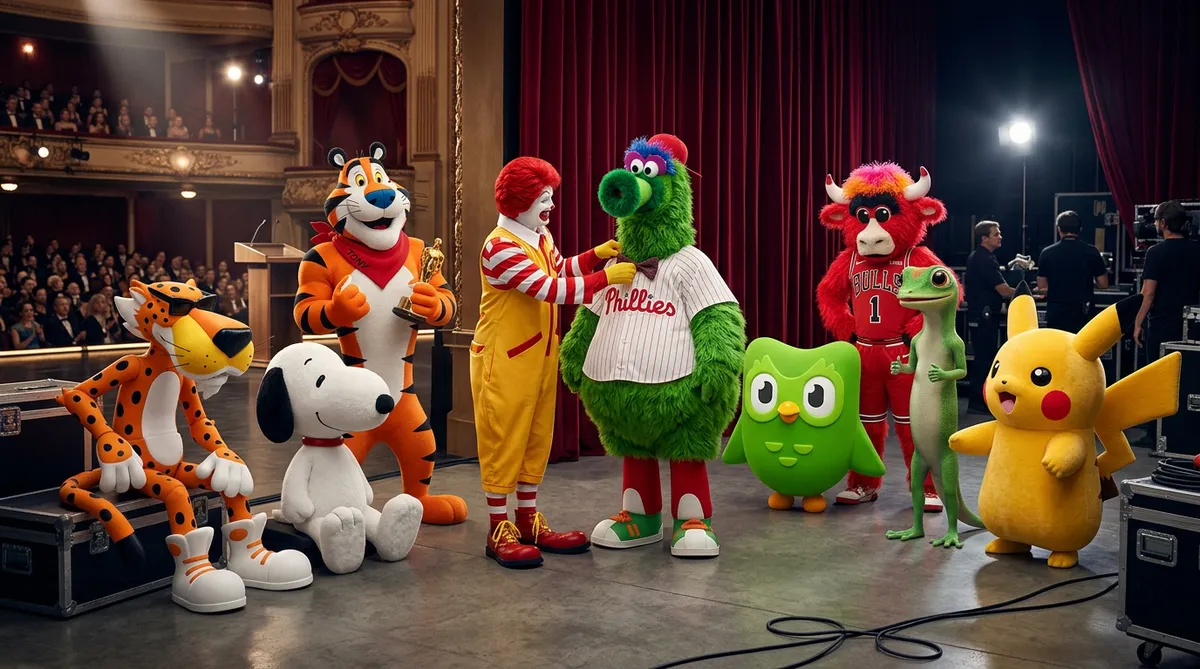
Key Takeaways
- Brand mascot examples by industry feature characters such as Pillsbury Doughboy in food and beverage, Gritty in sports, Astro in B2B businesses, the GEICO Gecko in insurance and finance, Bullseye in retail and e-commerce, Duo the Owl in SaaS and tech, and Mario in entertainment and gaming.
- Brand mascot examples by type feature animal mascots like the Aflac Duck, human figures like Colonel Sanders, object characters like the Pillsbury Doughboy, and creatures like Gritty.
- Mascot examples for brands demonstrate how characters humanize offerings, build trust and engagement, and drive recognition in competitive markets when they’re aligned with specific industry demands and audience expectations.
In 2026, mascots continue to be relevant and impactful across industries.
Tony the Tiger shows the power of food mascots, Gritty energizes sports fans, Astro guides Salesforce users, Duo motivates Duolingo learners, the GEICO Gecko builds trust in insurance, and Bullseye delights Target shoppers.
Food and beverage companies, sports teams, insurance providers, tech platforms, and retailers frequently use mascots to build trust and enhance engagement, recall, and repeat business. Each physical form (animal, human, object, and creature) serves a unique purpose, from enhancing recall to driving brand awareness.
If you’re seeking to build recognition and engagement through storytelling with branded character assets, this article is for you.
Let’s review top mascot examples across industries and types, plus unique features that make them stand out. By the end, you’ll gain a clear understanding of how to translate these takeaways into your own company mascot.
Stay tuned.
Brand Mascot Examples as a Source of Inspiration
Examining the top examples by industry and type is a must for every marketing team. What matters most is that the focus should remain on marketing strategy; on how the right character fits an industry and the preferences of its audience.
From the strategic perspective, a strong mascot owns a clear personality trait, creates specific emotional responses, and appears across packaging, ads, social media, events, apps, and merchandise.
The following sections review the top examples from this perspective.
Popular Brand Mascot Examples
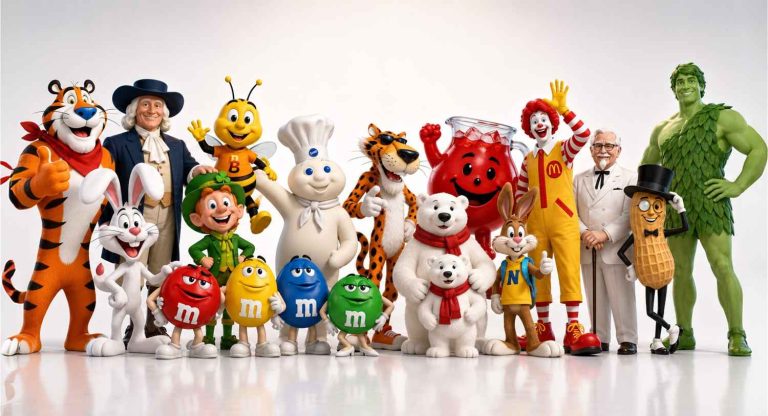
The overview of the 50 famous brand mascots shows similar patterns. They give faces to companies, guaranteeing instant recognition that supports long-term marketing. They’re notable for their power to turn abstract promises and complex technologies into living personalities. Some have even lasted decades without losing their strength in driving sales and loyalty
With that in mind, let’s take a quick look at the best examples from dominant industries, plus the most commonly used mascot types.
Brand Mascot Examples by Industry
Certain fields have mastered the art of using characters to stand out. The sectors below leverage mascots to humanize offerings, align with audience needs, and fuel expansion through consistent storytelling.
Food and Beverage Mascot Examples
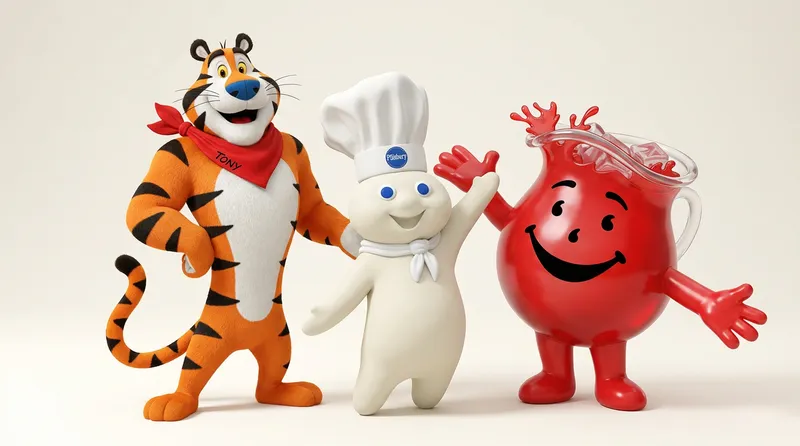
Food and Beverage is the birthplace of many iconic characters. The sector faces fierce competition on shelves and screens. Thoughtfully developed food mascots can cut through the noise and encourage repeat purchases.
See the three examples below:
| Mascot | Brand | Inspiration Angle |
| Tony the Tiger | Kellogg’s | Strength and fun for kids |
| Pillsbury Doughboy | Pillsbury | Wholesome baking joy |
| Kool-Aid Man | Kraft Heinz | Explosive energy and refreshment |
Sports Mascot Examples
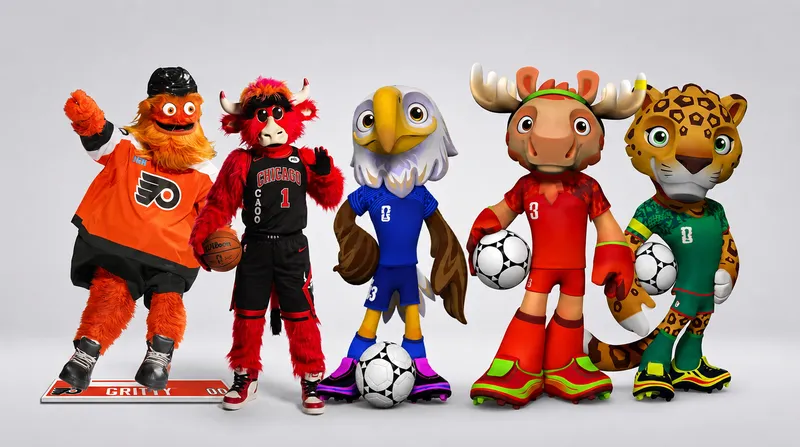
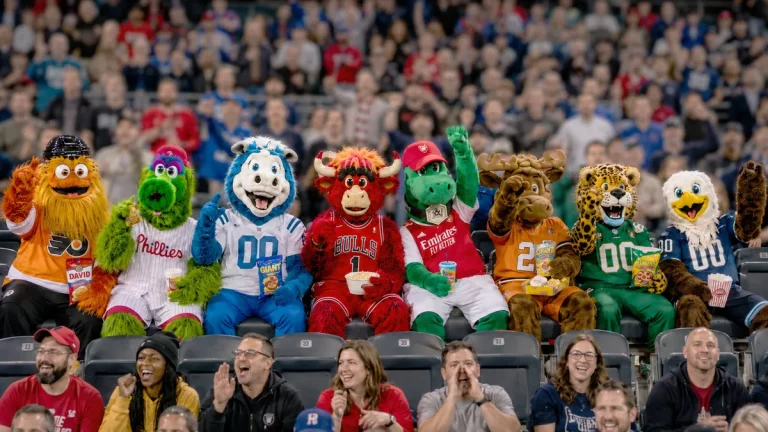
Sports mascots fuel passion and loyalty in sports franchises and global events. They extend reach and boost revenue through merchandise and live appearances.
Here are three examples:
| Mascot | Sports Club/Event | Inspiration Angle |
| Gritty | Philadelphia Flyers | Relatable underdog energy |
| Benny the Bull | Chicago Bulls | Power and excitement |
| Clutch, Maple, Zayu | 2026 FIFA World Cup | Cultural unity and fun |
B2B Brand Mascot Examples
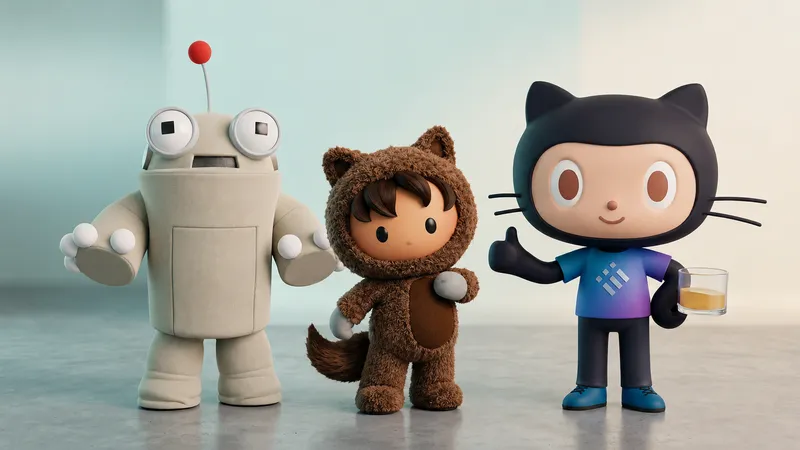
B2B companies often deal in complex solutions. B2B brand mascots and characters simplify messages and make brands feel more human. This approach helps in sales cycles where trust matters most.
Some good examples are as follows:
| Mascot | Brand | Inspiration Angle |
| Astro | Salesforce | Friendly Space Explorer Guide |
| Mona the Octocat | GitHub | Community builder for developers |
| Roger Mozbot | Moz | Friendly SEO expert |
SaaS and Tech Mascot Examples
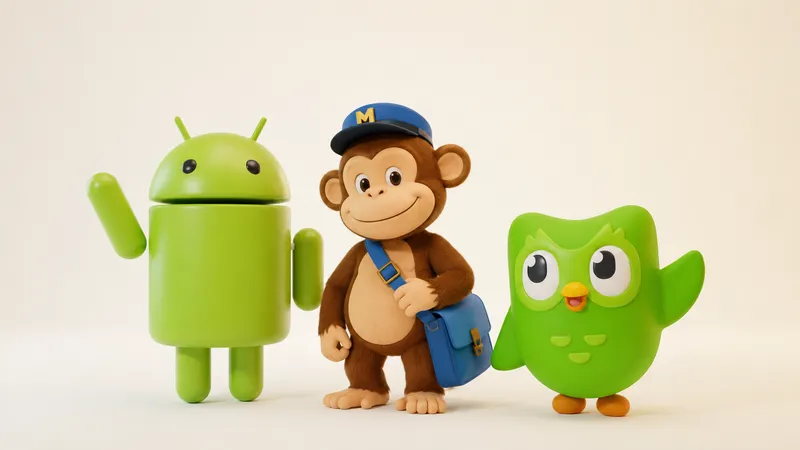
Brand mascots in tech can guide users through complex digital products and turn abstract software into something more approachable, turning abstract software into something people enjoy using every day.
They enhance engagement in fast-evolving markets where attention spans are short. These characters appear in apps, onboarding flows, and social content.
Take a glance at the examples below:
| Mascot | Brand | Inspiration Angle |
| Duo | Duolingo | Encouraging daily learning habits |
| Freddy | Mailchimp | Friendly email guide |
| Bugdroid | Android | Playful platform personality |
Insurance and Finance Mascot Examples
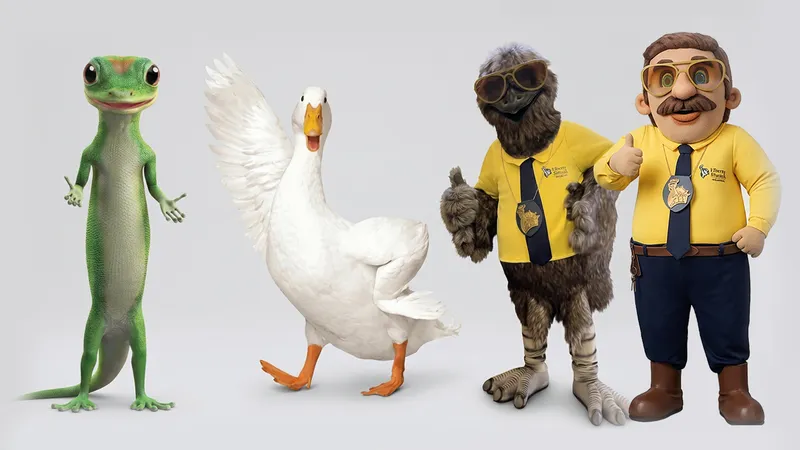
Insurance and financial services rely on trust. Company mascots help build this trust by simplifying complex decisions. This makes brands feel approachable in a sector built on reliability.
In addition, personification in insurance ads often scores higher in recall and favorability, as per a 2021 research paper. This strategy can specifically enhance the brand’s market position.
The top 3 examples are:
| Mascot | Brand | Inspiration Angle |
| GEICO Gecko | GEICO | Humorous simplicity |
| Aflac Duck | Aflac | Strong name recall |
| LiMu Emu | Liberty Mutual | Memorable storytelling |
Retail and e-Commerce Mascot Examples
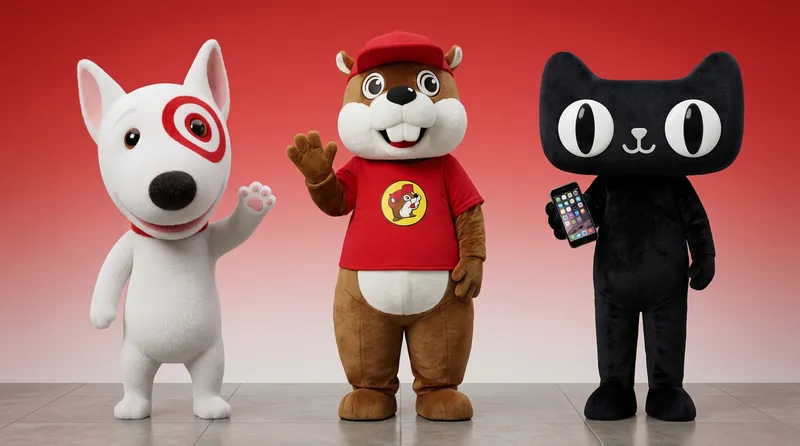
In Retail and e-commerce brands, corporate mascots create consistent experiences across online stores, apps, and physical locations. These figures guide shopping journeys and encourage loyalty through fun interactions.
The top 3 examples are as follows:
| Mascot | Brand | Inspiration Angle |
| Bullseye | Target | Value-focused family shopper |
| Bucky the Beaver | Buc-ee’s | Friendly roadside convenience |
| Tmall Cat | Tmall | Playful online shopping companion |
Entertainment and Gaming Mascot Examples
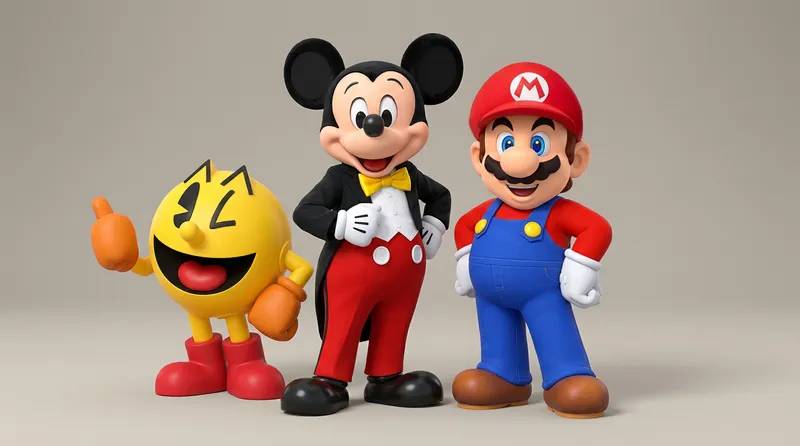
Mascots ignite imagination and build franchises in entertainment and media. These figures expand through licensing for significant revenue growth. They live across films, games, merchandise, and theme parks. They create emotional worlds that support long-term business expansion.
The top 3 examples are as follows.
| Mascot | Brand | Inspiration Angle |
| Mickey Mouse | Disney | Timeless wonder |
| Mario | Nintendo | Heroic adventure |
| Pac-Man | Bandai Namco | Simple, addictive fun |
Failed Examples of Brand Mascots
Not every character succeeds. Some clash with audience values or fail to connect emotionally.
The cases below are examples of brand mascot failures:
| Mascot | Brand | Why Failed? |
| The Noid
|
Domino’s | Highlighted delivery problems instead of solutions |
| Erin Esurance | Esurance | Edgy tone felt mismatched for insurance |
| Spongmonkeys | Quiznos | Creepy and off-putting in ads |
Brand Mascot Examples by Type
Brand mascots vary in style to match different strategies. Smart selections allow precise targeting that supports growth. I include emerging categories like modular and interactive designs relevant in 2026.
Animal Mascot Examples
Animals offer natural appeal and easy personality mapping. They often convey traits like speed, loyalty, or playfulness that align with brand promises.
Here are the top 3 animal mascots:
| Mascot | Brand | Inspiration Angle |
| GEICO Gecko | GEICO | Clever and approachable |
| Aflac Duck | Aflac | Memorable and direct |
| Duo the Owl | Duolingo | Wise yet fun learning buddy |
Human Mascot Examples
Human or human-like figures build direct empathy. They often represent founders or ideal users to create authentic connections.
Here are the top 3 examples:
| Mascot | Brand | Inspiration Angle |
| Colonel Sanders | KFC | Trusted expertise |
| Flo | Progressive | Helpful friend |
| Michelin Man | Michelin | Reliable guide |
Object Mascot Examples
Everyday objects serve as powerful visual metaphors. By transforming familiar items into relatable characters, brands make the benefits of their products more accessible and memorable.
Here are the top 3 examples:
| Mascot | Brand | Inspiration Angle |
| Pillsbury Doughboy | Pillsbury | Soft, fresh baking |
| M&M’s Characters | M&M’s | Playful product itself |
| Pringles Mr. P | Pringles | Fun snacking personality |
Creature Mascot Examples
Fantasy or hybrid creatures allow creative freedom. They suit imaginative categories and stand out in visual media.
Here are the top 3 examples:
| Mascot | Brand/Event | Inspiration Angle |
| Gritty | Flyers | Quirky resilience |
| Mario | Nintendo | Adventurous everyman |
| Bugdroid | Android | Friendly tech explorer |
A Journey from Mascot Examples to Unique Mascot Ideas
The overview of brand mascot examples reveals clear patterns. Characters succeed when they own a distinct personality, fit the industry deeply, and are flexible enough to live naturally in various channels.
If you’re at the beginning of your mascot journey, before making any pricey decision, it’s absolutely essential to consider what works (or doesn’t work) for your industry. Explore more ideas and creation processes at reliable resources.
Need a corporate mascot? Look for some compelling mascot ideas for businesses and brands.
Run a sports club? Come up with unique sports mascot ideas that will attract fans.
As the last point, remember, a great mascot is the heartbeat of your marketing communications; ready to engage, inspire, and leave a lasting impression.
Final Thoughts
Industries ready to invest in a brand mascot development partnership should evaluate their audience needs, define clear personality goals, and plan consistent use across all channels. Top examples of brand mascots prove that thoughtful characters with strong traits pay off.
FAQs
What makes animal mascots so popular among brands?
Animals are universal. That’s why animal mascots win attention fast. Moreover, they let brands assign clear traits such as cleverness or energy. This choice supports quick recognition and works across many industries. At the same time, it helps marketing teams build consistent emotional bonds that foster a sense of belonging and trust.
What is the most common type of mascot in the food and beverage industry?
Animal and food-themed characters dominate the food and beverage industry by connecting directly with fun, taste, and family moments.
Are abstract mascots riskier than other types of mascots?
Yes, abstract mascots carry a higher risk. They can confuse audiences if the connection to the brand stays unclear. Concrete characters like animals, humans, or everyday objects usually deliver stronger recall and emotional ties.
Do human mascots have the strongest impact on emotional connection?
Yes, human mascots often create deep empathy. They feel like trusted friends or experts, which helps brands build authentic relationships with the audience. This works especially well in service categories where trust drives decisions and repeat business.

Post Comments
0 comments