
Key Takeaway
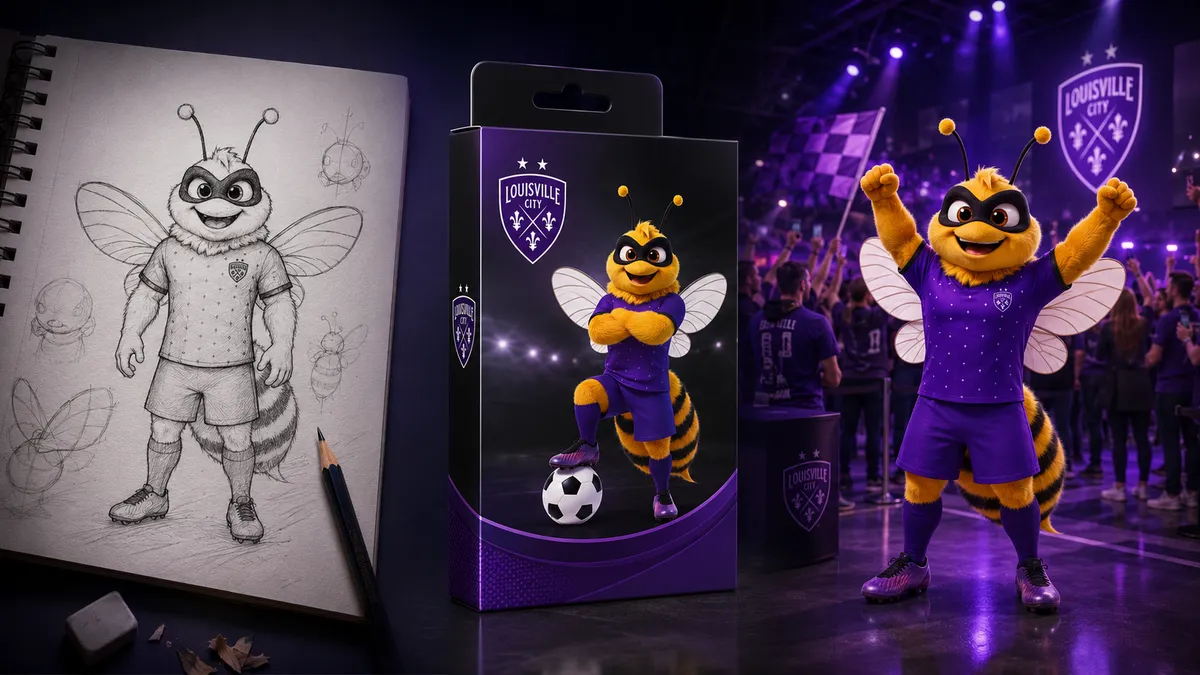
- Brand characters, often known as brand mascots, become distinctive Brand assets when they are recognizable and strongly associated with the brand they represent. Memorability also matters.
- A successful brand character helps consumers identify a brand faster and recall it more easily.
- Brand mascots need a clear visual identity and a defined personality to develop long-term value as brand assets. Maintaining these traits consistently strengthens the character’s association with the brand and helps it become a distinctive brand asset.
- A character that attracts attention without reinforcing brand recognition cannot function effectively as a distinctive brand asset.
- Brands should evaluate whether people can recognize the character and connect it to the correct brand without seeing the logo or brand name. This is how they can ensure the character is performing as intended.
- Redesigning a weak brand character is not always the right solution because the problem may come from strategy or inconsistent use rather than the visual design itself.
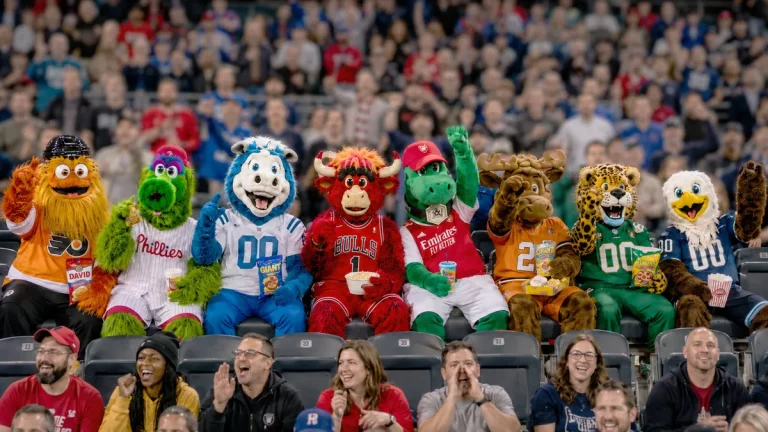
All mascots are business assets, but not all of them are valuable, distinctive assets that can help a brand stand out in competitive markets.
When a brand character is memorable and closely tied to a brand, it can become a distinctive brand asset. These mascots remind consumers of their brands by creating emotional connections with audiences and becoming valuable marketing assets.
In this blog, you’ll learn the definition of a distinctive brand asset and the characteristics a character needs to become one. We’ll discuss why mascots have the potential to become valuable brand assets. Beyond that, we go through:
- Why do some brand mascots fail to fit in this position?
- How to understand whether a character is also a distinctive brand asset.
- Quick fixes for characters that cannot become independent brand assets.
If you want to make the most of your brand mascot, keep reading.
What is a Distinctive Brand Asset?
Any recognizable element that helps people quickly identify a brand and differentiate it from competitors is considered a distinctive brand asset.
Brands can consistently use these elements, such as mascots, to create strong associations with their identity and reinforce their presence in consumers’ minds. This supports better brand recognition and recall.
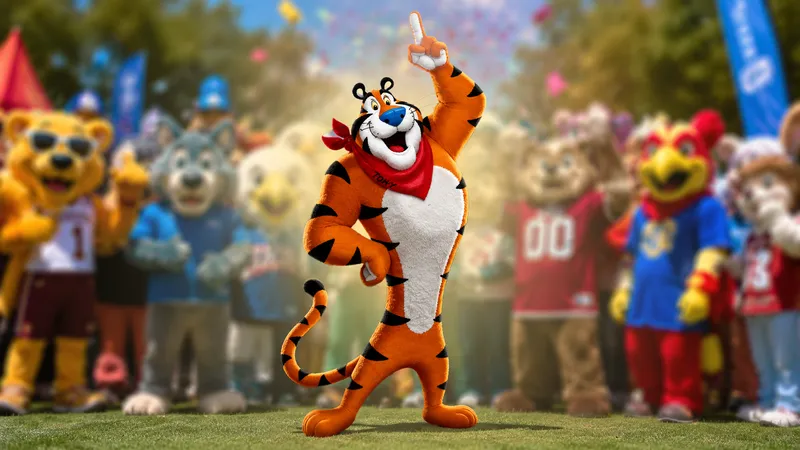
Brand assets can be logos or color palettes. Unique sounds and characters (mascots) can also serve as DBAs.
When markets are highly crowded, businesses use distinctive brand assets to stand out and make their offerings easier to recognize than those of competitors.
Brand characters are among the distinctive brand assets with the strongest potential to create unique associations and long-term brand recognition. (WARC)
Research from the Ehrenberg-Bass Institute identifies characters as distinctive brand assets that can help consumers recognize and recall brands more easily.
Mascots help audiences build a stronger connection with the brand and create a familiar identity for the business. This way, recalling the brand becomes easier for people.
Read more: “What is Brand Character and How to Build It Effectively”
How Brand Characters Become Powerful, Distinctive Brand Assets
Here’s why brand mascots work so well as a distinctive brand asset:
- Brand characters provide a unique visual identity that helps consumers quickly identify the brand.
- Their unique appearance and stories allow people to remember them more easily, which makes the brand more memorable.
- According to BRPI research, humanizing a brand affects customer perception of a business. A well-created brand mascot that humanizes a brand helps to achieve this benefit.
- Brand characters can create emotional connections by giving brands a more relatable and human presence. These positive associations can make the brand easier for consumers to remember and recognize.
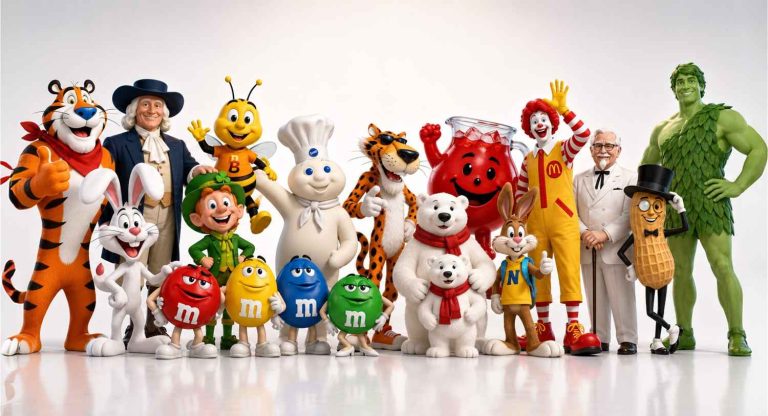
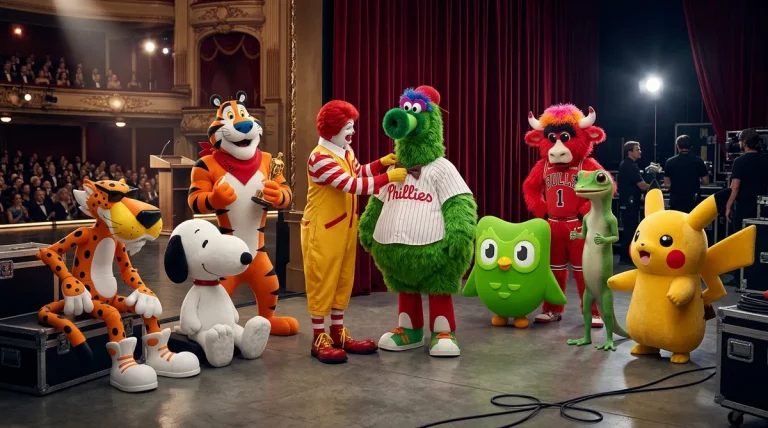
Read the “50 Famous Brand Mascots of All Time” to know the most globally well-known brand characters.
6 Key Characteristics of Effective Brand Characters as Distinctive Assets
Having a brand mascot doesn’t necessarily mean that your business has a distinctive brand asset. The character must have specific attributes to serve this purpose.
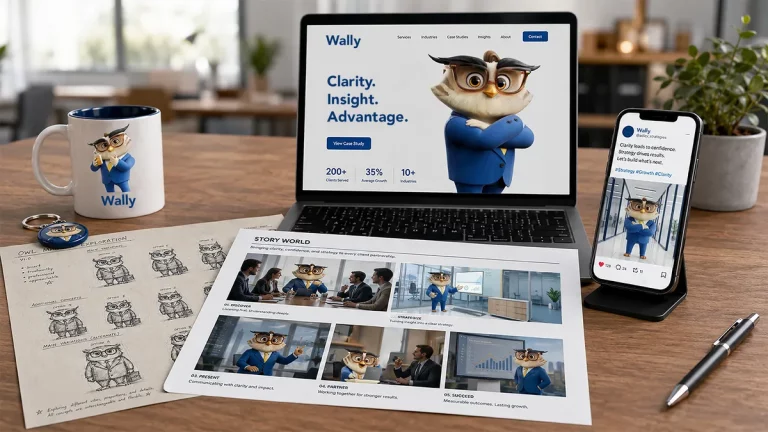
1. Clear Visual Identity
A memorable and distinctive visual identity comes first. A unique look helps consumers instantly recall the brand when they see the character. Effective brand characters that serve as distinctive brand assets should have:
- Specific shape
- A color palette that follows the brand’s guidelines
- Distinguishable clothing
- Unique facial expressions
- A design style that matches the brand’s archetype
It’s also important to maintain visual consistency across different platforms and marketing materials.
2. Constant Exposure
Consistent use is the key to turning a mascot into a distinctive brand asset. Using the character consistently across different touchpoints helps build its value as a brand asset.
By regularly showing the character, you help consumers create associations between the mascot and your brand. This way, when people see the character, they recognize your brand immediately. So, whether for advertising campaigns or product packaging, give the character a central role.
3. Consistent Personality
Strong brand characters have detailed, consistent personality traits. Designers and developers must define these traits to reflect the brand’s values. For example, if your brand is energetic, the character must have a similar vibe.

Whatever personality you choose, you must maintain it consistently across campaigns and interactions to strengthen the connection between the brand and the mascot.
4. Being Able to Create an Emotional Connection
Emotional engagement can enhance a character’s effectiveness as a distinctive brand asset by creating stronger connections with consumers. Given that, brand mascots are better at humanizing the brand, as mentioned earlier.
A clear personality and an engaging backstory can help.
Emotionally appealing characters go beyond being just visual symbols. Over time, they become a meaningful part of the brand experience.
5. A Strong Connection With the Brand
A strong connection to the brand’s identity and values enables consumers to associate the character with the brand more easily.
Remember that the brand mascot shouldn’t act as a separate element if you want it to turn into a brand asset. Instead, it must be developed according to branding principles and guidelines.
6. Built for Long-Term Use
Partnering with a famous virtual influencer is a common approach to increase brand awareness quickly, but the downside is that those characters are not committed to your brand.
Read more on “Top 9 AI Influencer Campaign Examples and What Made Them Work.”
When it comes to turning a brand mascot into a distinctive brand asset, considering long-term use during development is essential. As discussed, constant exposure strengthens the association between the character and the brand, which cannot be achieved in a short time.
Characters that adapt to trends while maintaining their core identity are more likely to become a brand symbol.
When Brand Characters Fail as Distinctive Assets
In general, brand mascots fail to become distinctive brand assets when they are created without a clear strategy, become more famous than the brand itself, are used only as decorative elements, or lack a clear purpose and direction across different touchpoints.
The Character Was Created Without a Clear Strategy
A brand character must have a clear purpose and a strong connection to the brand. Otherwise, it cannot become a valuable brand asset. When visuals are too generic and don’t fit the brand’s identity, the mascot is unlikely to succeed.

Businesses can avoid this costly mistake by defining a clear character-driven marketing strategy before developing the character.
The Character Gains Attention Without Building Brand Recognition
If people remember the character but can’t associate it with a specific brand, that mascot is not a valuable brand asset for your business. Engagement alone is not enough.
The Character Is Reduced to a Decorative Element
A mascot loses its value when it doesn’t support the brand’s identity or improve recognition and recall. Decorative characters only provide visual appeal without offering additional value.
The Character Doesn’t Have a Clear Usage Guideline
As explained above, consistent use is important for turning a brand character into a distinctive brand asset. Clear usage guidelines are critical to maintaining consistency. This means that without those guidelines, inconsistent use can weaken recognition and make the character less effective.
Creating a character that becomes a distinctive brand asset is challenging. Working with agencies that have experienced professionals can improve the quality of the final result.
How to Measure Whether a Character Is a Distinctive Asset
Overall, brand characters that are strongly linked to the brand in people’s minds can become distinctive brand assets. To evaluate this, answer the following questions:
- Do people recognize the character?
Consumers must know the mascot independently of the brand. This means that when they see it anywhere without the brand name or logo, they must recognize it. - Do they link it to the correct brand?
What’s the value of a brand asset if people can’t connect it to the brand it represents? - Do they confuse it with competitors?
If yes, there’s a problem. The character must be unique enough to remind people of your brand.
There’s also a test that can help measure whether a brand character can be a distinctive brand asset.
De-Branding Test
This test indicates how well a character is linked to the brand. The process works as follows:
The business shows the mascot independently, without any logo or name. Then, the target audience should answer these questions:
- What brand does this character represent?
- How familiar are you with this mascot?
If the character is truly a distinctive asset, it should trigger brand recognition, even without relying on other familiar elements linked to the brand.
What to Do If Your Brand Character Lacks Distinctiveness
It’s possible to solve the issue. This means redesigns or updates are not always the right solution. Sometimes, visual design is fine, and changing it without understanding the real problem can make things worse.
It’s best to ask professionals for help. Specialists who understand character strategy and your brand’s identity can identify the main issues and suggest the best solutions to address them.
Our expert team at Dream Farm Agency can evaluate your mascot and address issues that prevent it from becoming a distinctive brand asset, while avoiding unnecessary changes that may weaken its long-term brand value.
For example, in our partnership with Macropay, a Mexican fintech brand, we redesigned its mascot, Coco. In short, although Coco was famous and loved, he lacked visual consistency. He appeared across different touchpoints in several different versions and styles.
Our team chose a White Shiba Inu for Coco’s character to convey a sense of calmness and cleverness, aligned with Macropay’s requirements. This fintech brand wanted to expand its operations beyond Mexico, and because of that, it needed a mascot with global appeal. The redesigned Coco provides a more consistent identity that resonates with audiences across different markets.
Maximize Your Brand Character’s Value as a Distinctive Asset
Brand characters can go beyond being simple narrators or decorative elements and become valuable touchpoints that strengthen brand recognition. To turn a brand mascot into a distinctive brand asset, you need a strategic brand mascot development process that connects the character closely with the brand.
This is a challenging task that requires skilled specialists. Whether you’re starting from scratch or evolving an existing mascot, our team at Dream Farm Agency can guide you in shaping it into a character that can support your brand over time.
FAQ
Can a small business turn a mascot into a distinctive brand asset?
Yes, businesses of any size can build distinctive brand assets through characters if they create a clear strategy, develop a unique mascot, and use it consistently to increase brand exposure. Strong associations with the brand are also critical. The key factor is not company size but how effectively the character represents the brand and connects with its audience.
How long does it take for a brand character to become a distinctive asset?
There is no fixed timeline because brand recognition depends on consistent exposure and the strength of the character’s connection with the brand. Most mascots require long-term use before they become strongly associated with a business.
Should a brand redesign a mascot that is not performing well?
Not always. Before redesigning the character, businesses should identify whether the real issue is the visual design, lack of consistency, weak strategy, or poor integration with the brand.
Can a brand character work without having a human appearance?
Yes, a character does not need to look human to become a distinctive brand asset. What matters more is having a recognizable identity and a consistent personality, as well as a strong connection with the brand.


Post Comments
0 comments