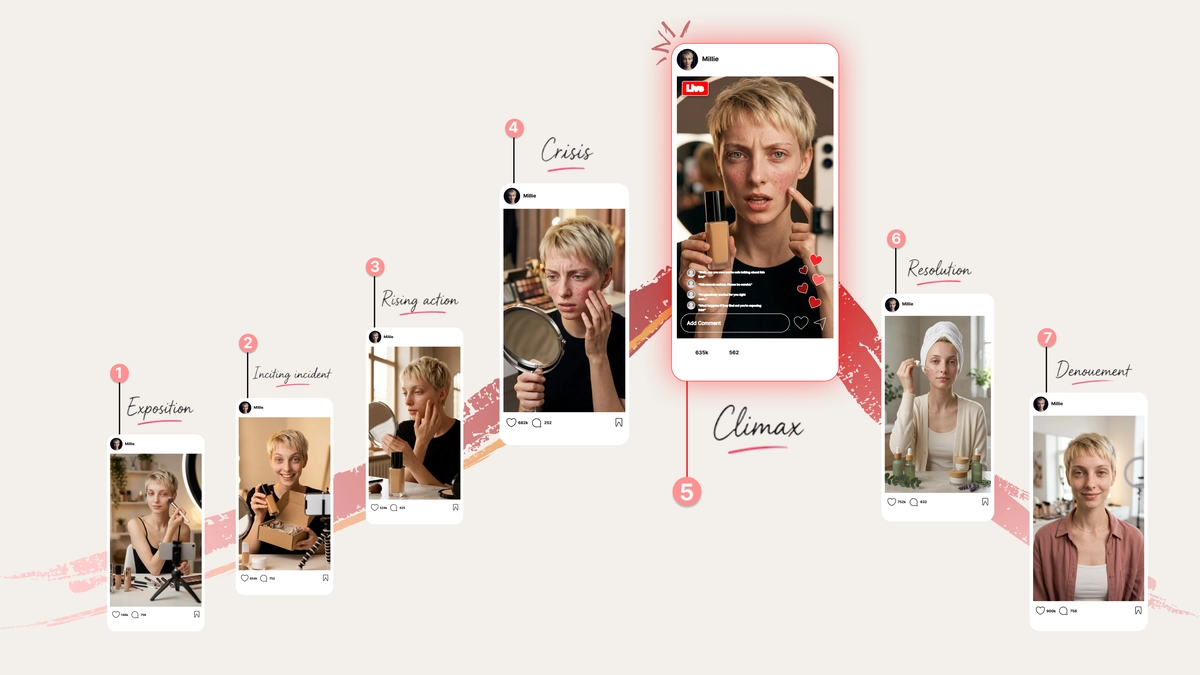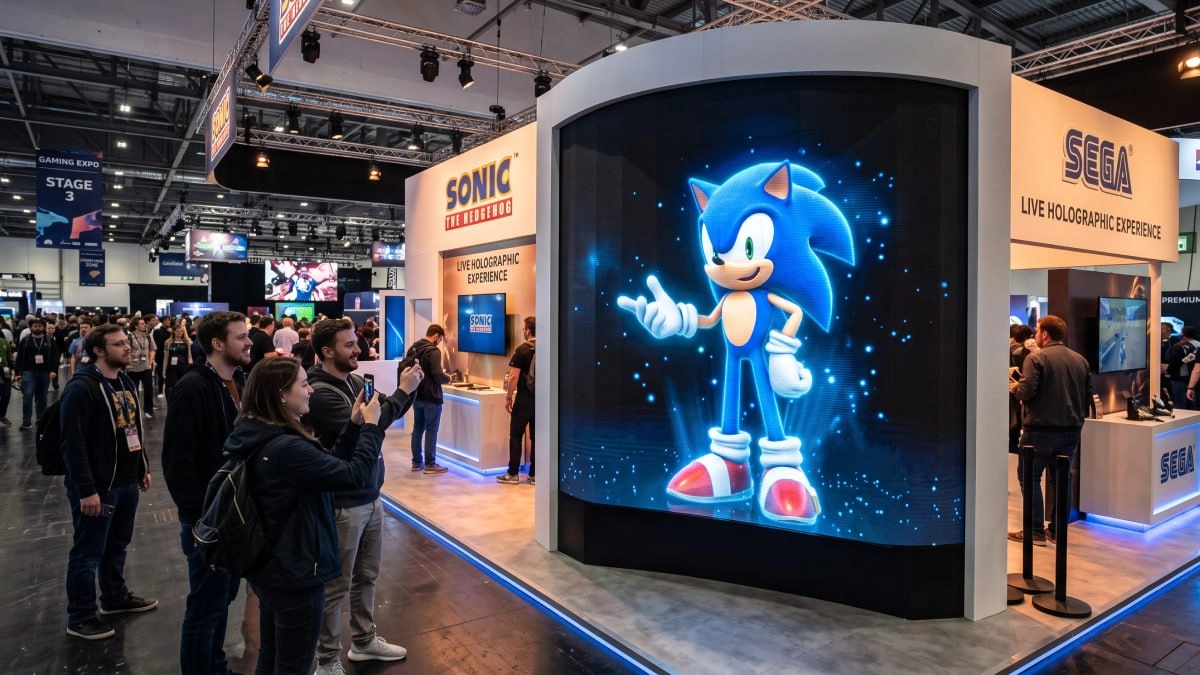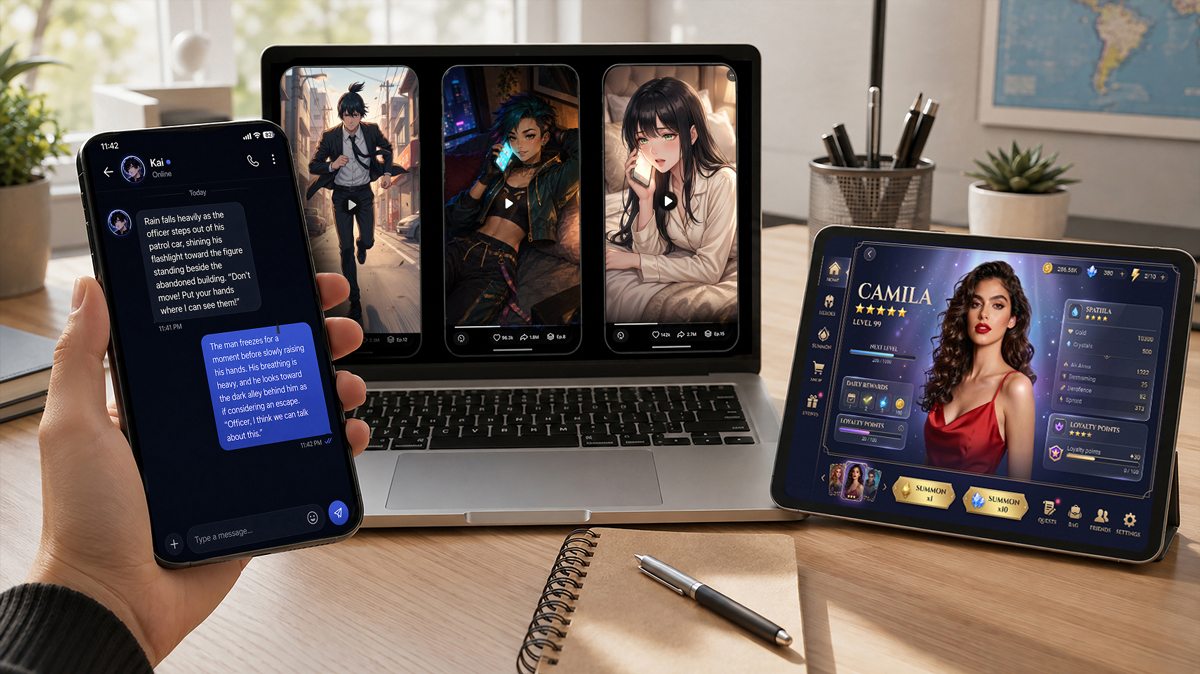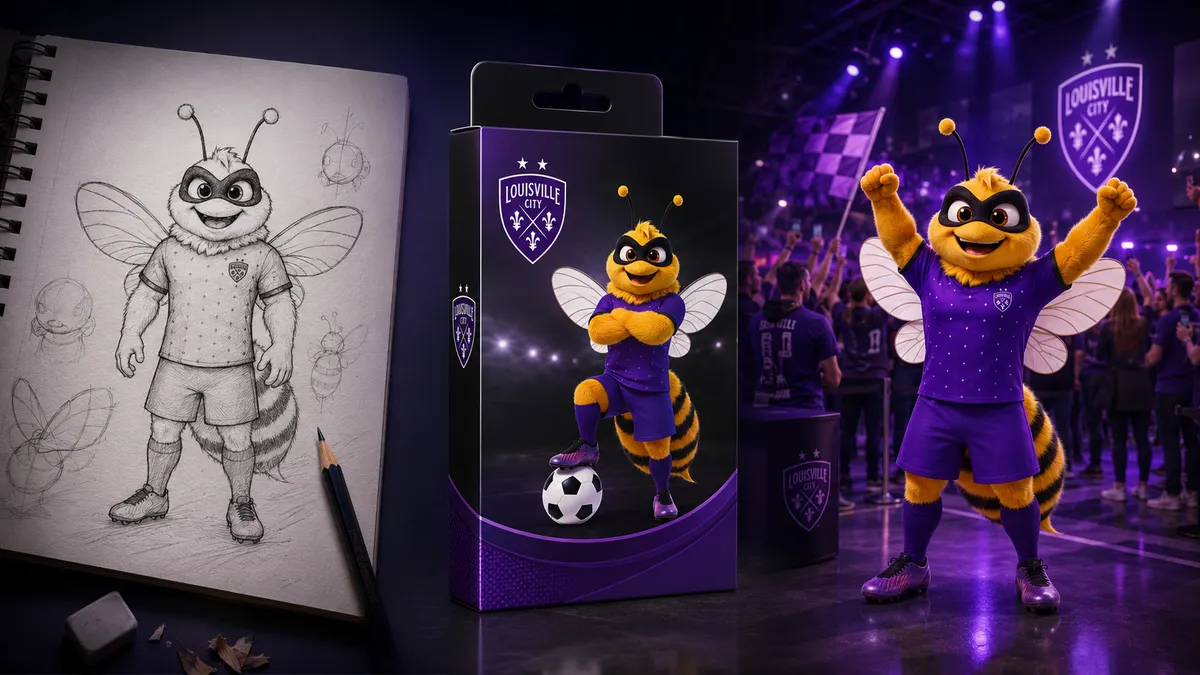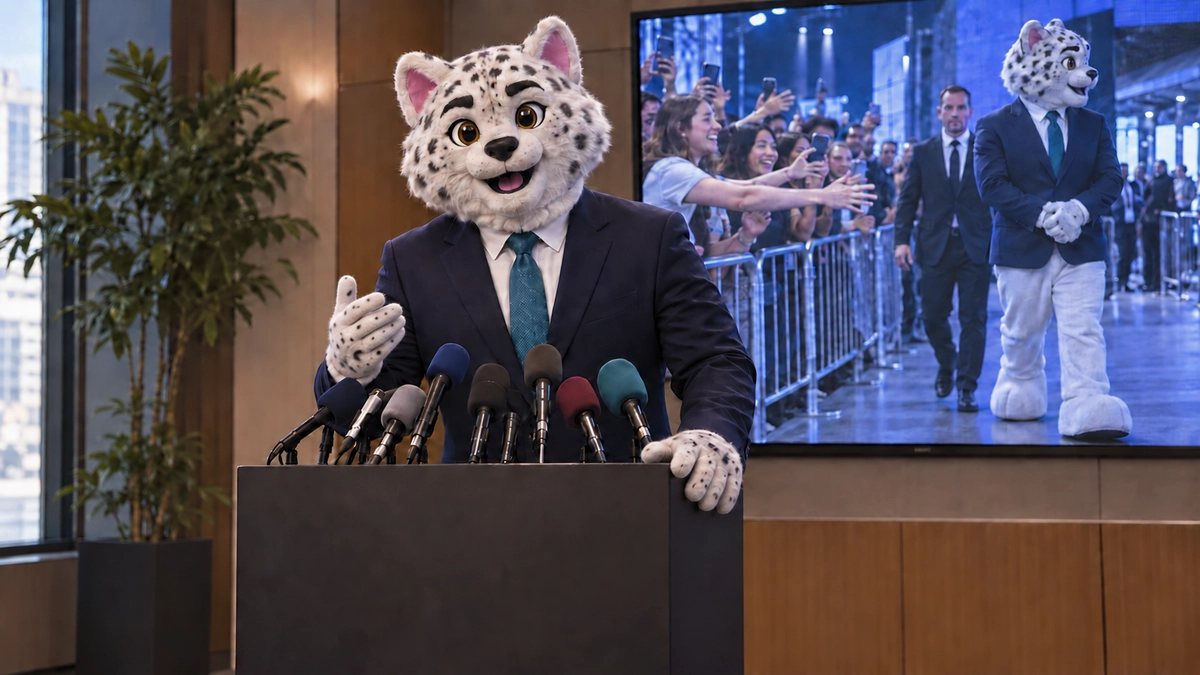

Leila D.Content Marketer and StorytellerPart marketer, part storyteller, with a keen eye for what others miss. Leila D. distills complexity into creative ideas people feel, remember, and act on. For the past three years, her works have navigated new territories in character-driven marketing communications, brand storytelling with modern mascots, and AI-powered virtual influencers.
When a product fails, a service goes down, a controversy goes viral, or a company makes a public mistake, someone official has to say something.
Increasingly, that someone can be a brand character.
Here’s the argument most agencies won’t say out loud: a brand character is a crisis communication asset you happen to also use for marketing.
Get that order backwards, and the character becomes a liability the moment things go wrong.
Why Characters Matter in Crises
Theme parks, sports clubs, educational institutions, and other character-driven brands still built their characters for delight. Photo ops, merchandise, social clips. Done.
Almost none built them for trust. That gap used to be invisible. It stopped being invisible the moment social platforms made every closure, injury, or controversy a live, unfiltered event.
A press release takes hours to clear through legal. A character’s Instagram story goes out in minutes, and audiences read it as the brand’s real voice, not its lawyered one.
Yet most operators leave this tool on the shelf or deploy it without rules. That is a costly mistake.
When a beloved character already has emotional credibility with an audience, it can help the brand navigate closures, incidents, public perception challenges, or PR problems. The familiarity can soften public judgment, but only if the character has been given a role beyond selling things.
Real Cases from Park Mascots Show Characters Impact Public Perception in Crises
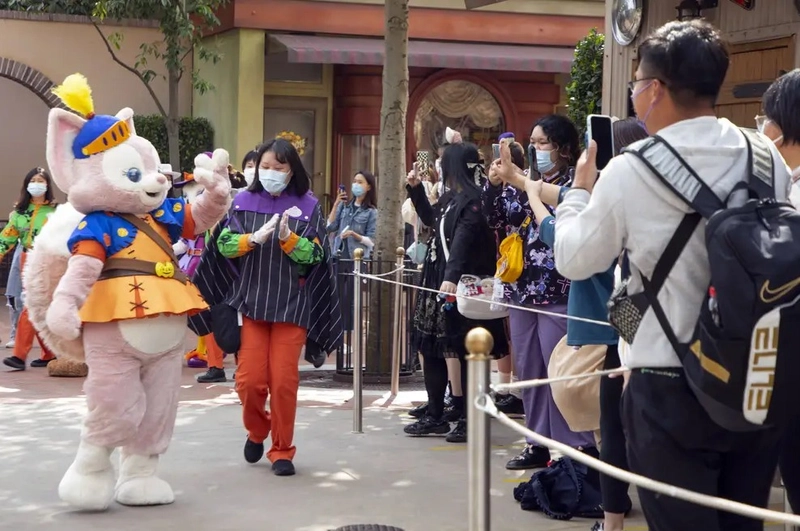
A 2024 study in “Tourism Management Perspectives” examined the Shanghai Disneyland LinaBell episode. Videos accused the pink fox mascot of treating male and female guests unequally.
The incident gained widespread attention on China’s major social platforms like Xiaohongshu and TikTok. Discussions regarding gender discrimination became the top headline on Weibo.
The power of a well-established mascot as a tool for managing communication crises is evident here. Though Disneyland didn’t issue an official response, most online users participating in the study expressed forgiveness.
People simply found the character too cute to stay angry at it for long. The character’s established warmth acted as a buffer against criticism, even without the company saying a word.
Now compare SeaWorld.
Shamu wasn’t a safety mascot. He was a spectacle, the literal centerpiece of the brand’s logo and stadium shows.
When the documentary “Blackfish” turned public sentiment against Orcas’ captivity, the company lost an estimated $1.7 billion in market value that year alone, alongside falling attendance and canceled partnerships.
The mascot that built the brand became the reason people boycotted it. SeaWorld tried to fight back with ad campaigns defending its practices. However, SeaWorld’s own sponsored content struck many viewers as tone-deaf rather than reassuring.
Eventually, the company conceded the point entirely. It ended its orca breeding program and phased out the traditional Shamu shows, because the character had become inseparable from the controversy.
SeaWorld’s case doesn’t suggest that we should avoid mascots; rather, it shows that a character built purely for delight has no credibility to draw on when the story turns serious.
That Distinction Counts Beyond Park Mascots
Character-driven efforts are increasingly about giving a character a continuing role in how people experience a brand, not simply putting it into advertising.
Crisis management is one of the less obvious parts of that role.
If a character is going to appear across customer touchpoints, social channels, product experiences, and campaigns, its communication range cannot stop at jokes and cheerful announcements.
The Counterpoint, and Why It Doesn’t Hold
“Using a character during a crisis trivializes it. It makes the company look like it doesn’t grasp the gravity of what happened.”
I’ve watched this concern play out firsthand in agency reviews, where a client worried that their character felt “too fun” for serious news.
Critics who make this argument aren’t being precious. Audiences do punish brands that seem to minimize real harm, and a fictional figure is an easy target for that accusation because it’s built to charm, not to grieve.
When the character itself becomes the problem, as with LinaBell’s interaction videos, the brand absorbs the damage twice; once for the underlying issue and again for the character’s behavior.
But the fix is NOT “Never use the brand character in a crisis.”
Read closely that “Who delivers the message” differs from “What the message says”.
The failure doesn’t usually stem from the involvement of a character. Rather, it’s that the statement uses the character’s usual playful voice, exclamation points and all, in a moment that requires restraint.
A brand icon could appear with a somber voice and a thoughtful message and draw no criticism at all.
That means writing two communication guidebooks for the character from day one. One version sells tickets while the other includes crisis scenarios and solutions to address them. Most brands only ever require the first one, which is why they panic and go silent when the second one is needed.
Build a Crisis Communication Asset, Not Just a Funny Figure
Businesses, sports clubs, or organizations that wait until a closure or a controversy to figure this out are improvising with their most visible asset. The ones that treat the character as infrastructure, not a delight, are the ones still standing when the next crisis makes the decision for them.
Before you sign off on your next partnership, ask your character-driven marketing agency one question: has anyone actually written down what this character sounds like on its worst day?
If the answer is no, that should be part of the character strategy from the beginning.
Not because every character needs to become a crisis spokesperson, but because a character with a continuing role in the brand inevitably becomes part of how the brand communicates when things don’t go according to plan.