
Nikan Content SpecialistI’ve been creating digital marketing content since 2018, with a growing focus on AI influencers and digital personas. My work explores how brands can use character-driven storytelling and emerging digital identities to build stronger connections with their audiences. At Dream Farm Agency, my focus is on turning these ideas into clear, engaging content that helps brands understand and embrace the future of character-driven marketing communications and digital experiences.
Key Takeaways
- Brand-owned virtual influencers are the right choice for brands seeking long-term control and scalability, while hired virtual influencers are better for fast market entry and immediate audience reach.
- Hired virtual influencers give brands access to established audiences, which is helpful for generating more engagement.
- Brand-owned virtual influencers require more upfront investment, but can be more cost-effective in the long term. Brands can reuse their own digital characters across campaigns and platforms without relying on external creators and paying them for every single campaign.
- A clear brand identity and a long-term content strategy are necessary for the success of a brand-owned character.
- A hired virtual influencer can be a better choice for startups, smaller businesses, time-sensitive campaigns, and brands testing virtual influencer marketing for the first time.
The decision of brand-owned virtual influencers vs. hired virtual influencers is crucial for long-term marketing strategy and audience engagement.
Hiring virtual influencers is often advantageous if you need fast market entry and want to reach a massive audience at a lower cost. So, it usually works well for individual campaigns and smaller businesses.
Brand-owned virtual influencers, on the other hand, can become digital assets over time. While seeing their benefits may take longer, they provide greater value in the long term.
In this blog, we discuss the rising adoption of virtual influencers for marketing campaigns and examine two approaches to using them:
- Partnering with a virtual influencer that is already famous and has an established following.
- Designing and developing a digital character that becomes the brand’s intellectual property.
We compare brand-owned virtual influencers vs. hired virtual influencers across different criteria to help you get a clearer understanding. We also guide you in deciding which approach is more suitable for your brand.
Virtual Personas Are on the Rise
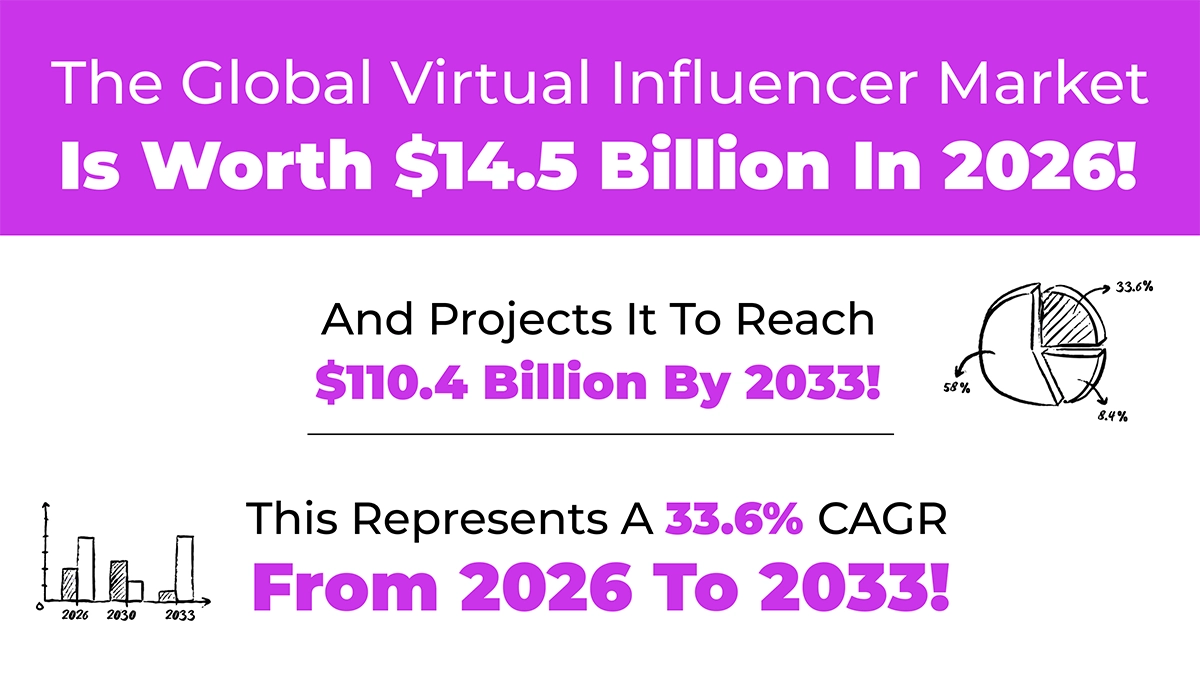
Grand View Research estimates that the global virtual influencer market is worth $14.5 billion in 2026, and projects it to reach $110.4 billion by 2033. This represents a 33.6% CAGR from 2026 to 2033. As a result, more businesses are using virtual personas for different marketing purposes.
In simple terms, brands are starting to use virtual personas as controllable brand assets, rather than decorative characters.
Read more on “How Brand Characters Become Distinctive Assets”
Definitions of Brand-Owned and Hired Virtual Influencers
A brand-owned virtual influencer is a digital persona created and fully controlled by a brand. The character can also communicate the brand’s messages across different channels. They can also communicate the brand’s messages across different channels.
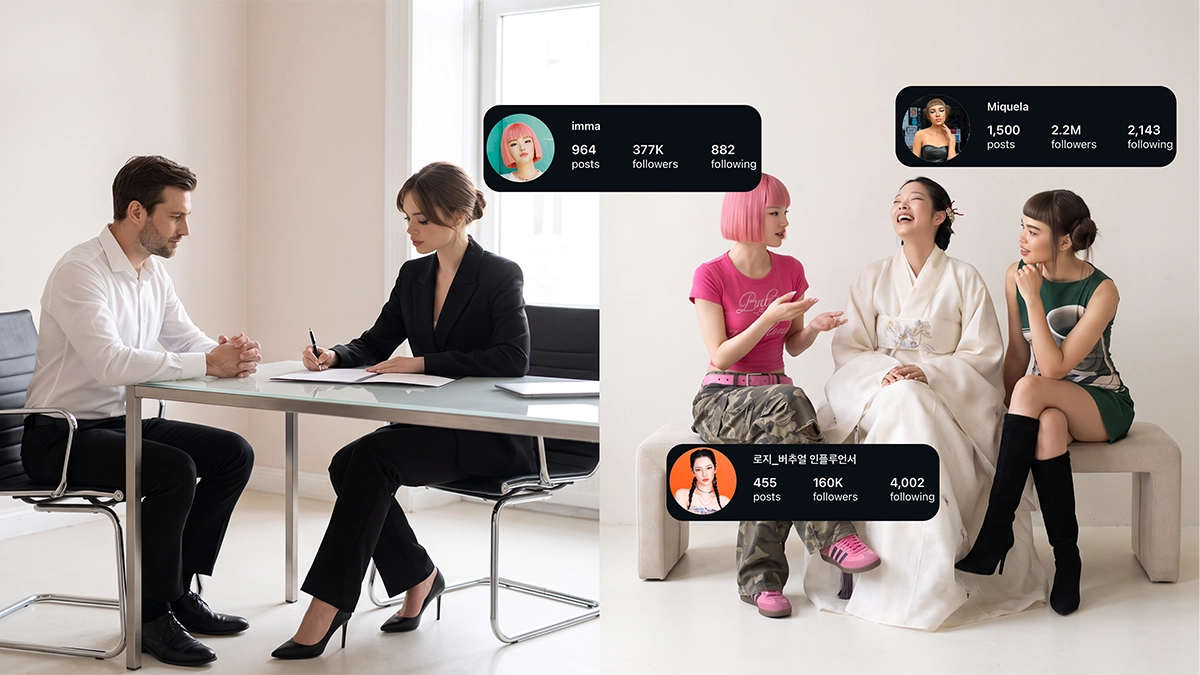
A hired virtual influencer is a digital character created and owned by a third party. Brands can partner with or pay the owner to promote their products or services using their well-known characters.
Check out our article on collaborations between brands and famous AI influencers to see how this works in action: “Top 9 AI Influencer Campaign Examples and What Made Them Work“
Brand-Owned vs. Hired Virtual Influencer: Direct Comparison
The table below highlights key differences between the virtual influencer partnership models:
| Category | Brand-Owned Virtual Influencer | Hired Virtual Influencer |
| Ownership | Brand owns character and IP | Brand does not own the character |
| Launch speed | Usually slower | Usually faster |
| Upfront cost | Typically higher | Typically lower |
| Long-term value | Can build lasting brand equity | Primarily tied to campaigns and partnerships |
| Control | Very high | Usually limited |
| Audience access | Must be built over time | Can leverage an existing audience |
| Brand safety | Greater control, but greater responsibility | Shared with the influencer and its management |
| Scalability | Can scale across owned channels and campaigns | Depends on the influencer’s availability and contract |
Let’s compare brand-owned virtual influencer vs. hired virtual influencer across these criteria in more detail.
Upfront Investment vs. Ongoing Fees
Brand-owned characters generally come with a larger upfront investment. The brand must fund character development, including the necessary tools and creative team. On the other hand, hired third-party creators create virtual influencers, so your brand does not have to make that upfront investment.
When it comes to ongoing costs, brand-owned characters may cost less over time, though maintenance can be expensive in some cases.
With hired characters, you need to pay for the partnership. These costs typically include campaign or partnership fees, with additional charges possible for content production, usage rights, exclusivity, and agency management.
Remember, developing a virtual influencer does not have to be an internal task for your company; you can always partner with a virtual influencer agency with experience in this field.
Creative and Brand Control
If you need total control over different aspects of the character, a brand-owned virtual influencer gives you the level of control you need. As the creator, your team can modify the character’s appearance, personality, messaging, and content.
With a hired virtual influencer, you generally have to work within the owner’s decisions and guidelines.
That said, you may be able to change some aspects of a hired virtual influencer depending on the partnership terms.
Speed to Market
This is where hired virtual influencers have the upper hand. These characters often have a community of followers, and as a result, they can help launch a campaign faster.
A brand-owned digital character, while offering multiple advantages, takes more time to launch, as the brand must develop the character, identity, content strategy, and channels from scratch.
So, in general, you can immediately start using a hired character for your virtual influencer marketing campaigns, but you need to spend time and money on a brand-owned character to build an audience first.
Audience Reach and Engagement
As explained, virtual influencers provide immediate access to an established audience, while brand-owned characters must build their following over time. This gap can lead to significantly different engagement results.
A Nature study on 33 virtual influencers on Instagram found that non-branded virtual influencers generated higher customer engagement than brand-owned ones. This suggests that partnering with an established persona with an existing follower base can be more effective for reaching audiences.
Key consideration: Although important, ownership status alone does not determine engagement rate. Other factors such as authenticity and sociability also affect how audiences respond to virtual characters.
Scalability and Growth Potential
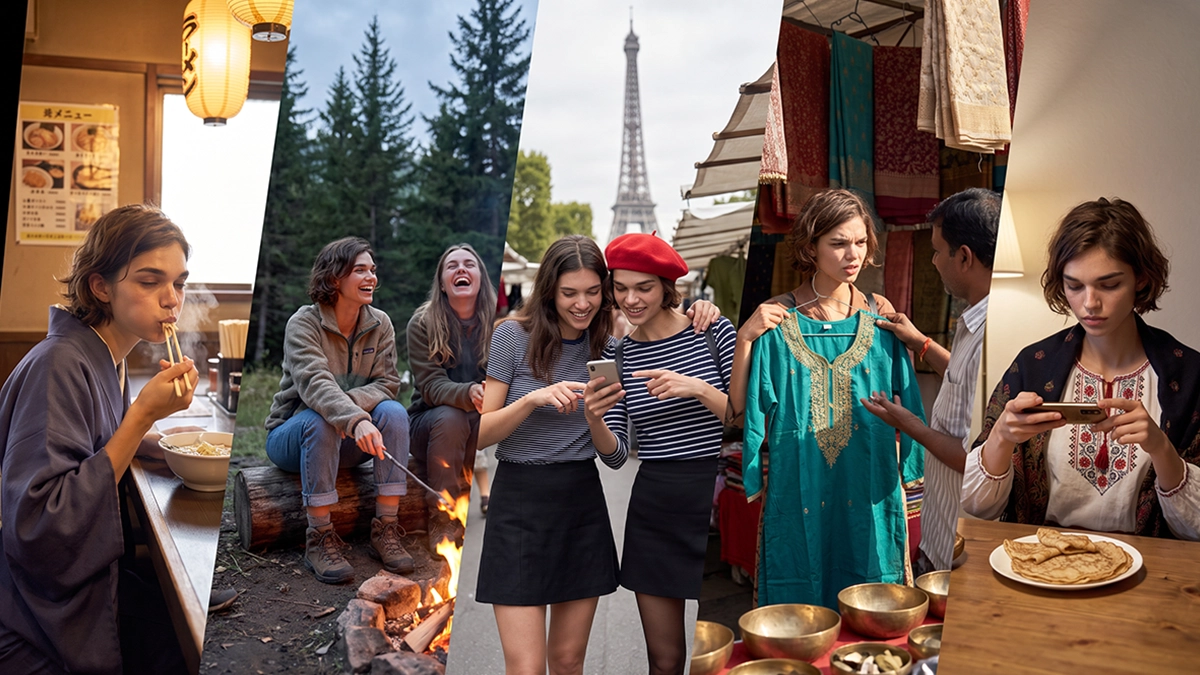
Brand-owned virtual influencers offer much greater scalability and growth potential. They can scale across multiple campaigns and markets without depending on an external creator’s availability or collaboration terms.
Review “AI Influencers in Global Marketing: Localization Strategies for Brands” to learn how businesses use digital characters to appeal to people from different cultures.
Hired virtual influencers, though they offer strong reach, have more limited scalability due to their dependence on an existing audience and partnership agreements.
Risk Management and Brand Control
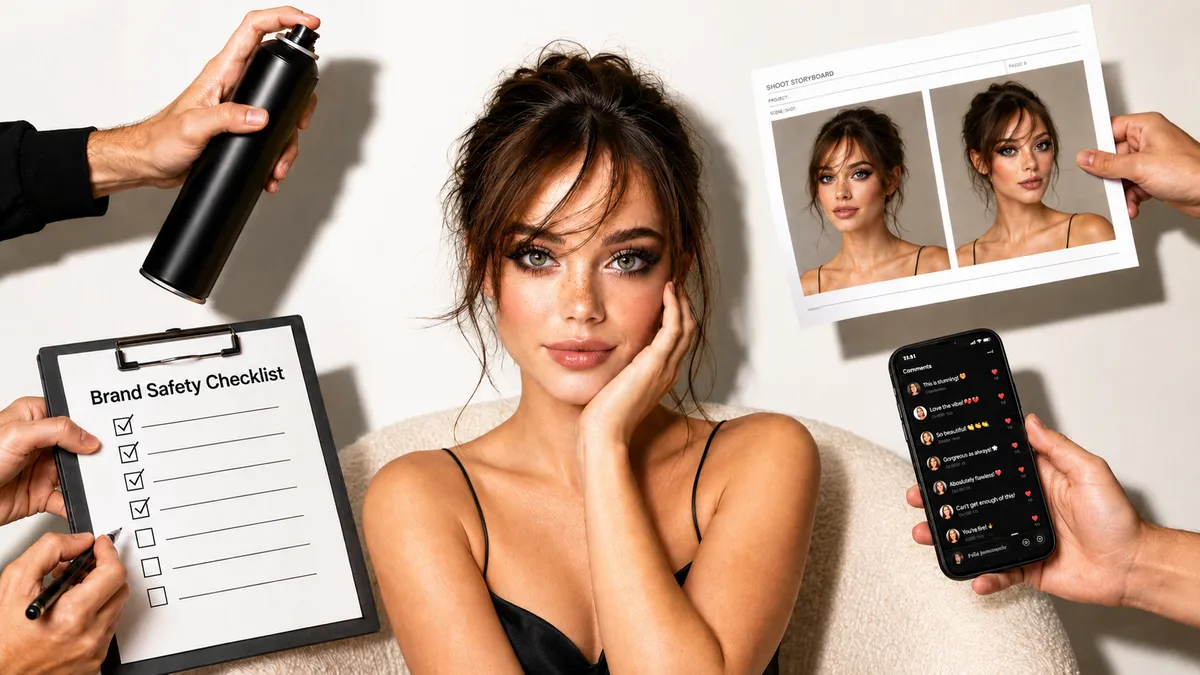
Virtual influencers, whether brand-owned or hired, are digital entities that require monitoring to ensure they do not put your business at risk. These are common risks you should watch for:
- Reputational risks: Hired influencers are primarily controlled by third-party creators, so they are more likely to harm your brand’s reputation through their content or behavior. Brand-owned characters reduce this risk, since you have tighter control over their persona and messaging.
- Legal risks: AI influencers may need to comply with advertising and AI-transparency rules, depending on the market.
- Strategic risks: A hired virtual influencer may conflict with your brand’s long-term goals because of its existing audience and personality. Brand-owned personas are less risky in this area, as you have more control over them.
- Data and privacy risks: Another common issue is associated with data-security concerns, including risks related to data collection and cybercrime.
Long-Term Value and ROI
As discussed earlier, hired virtual influencers usually deliver faster results because of their established audience. So your campaign goes live and immediately reaches a large audience. That said, this benefit is limited to individual campaigns.
If you prioritize long-term value, you should definitely invest in brand-owned characters. Since your brand owns the character, you can continuously use it across different campaigns and touchpoints. This not only reduces costs but also introduces a recognizable face for your brand that can support your company across different marketing activities for many years.
How to Choose the Right Virtual Influencer Partnership Model?
After reading the comparison of brand-owned virtual influencer vs. hired virtual influencer, you have a clear understanding of the pros and cons of each. If you are not sure which one suits your needs, this section can help you make the right choice.
Signals You Should Hire a Virtual Influencer First
Partner with a famous virtual influencer when:
- You need fast market entry: The campaign reaches an existing audience, reducing the time needed to get a campaign to market.
- You are testing the concept: If you have not used AI influencers before, starting with a hired character may be better than investing in a brand-owned influencer. This way, you can evaluate how your audience responds to digital characters before committing significant resources to developing your own virtual persona.
Overall, when the campaign is your top priority, we recommend that you look for well-known virtual influencers that align with your company and brand guidelines. Hiring virtual influencers is a more efficient option for time-sensitive goals.
Signals You’re Ready to Build Your Own Virtual Influencer
Creating a brand-owned virtual influencer requires certain conditions, such as a clear brand identity and a long-term content strategy. Remember that brand-owned influencers incur high upfront costs, so you also need sufficient resources.
Investing in the development of a brand-owned digital character makes sense when you want the AI influencer to become a lasting brand asset, rather than a tool for individual campaigns.
The Right Virtual Influencer Partnership Model by Business Size
What is the best option based on your company’s size? Let’s find out:
- Startup: Hired virtual influencers are usually a better fit for startups for two primary reasons. First, they allow the brand to test whether the audience likes virtual influencers. Second, they do not require a large investment to build an influencer from scratch.
- Small and medium-sized business (SMB): For SMBs, partnering with established virtual influencers may make more sense than creating one. This is especially useful when the goal is to reach an existing audience through targeted campaigns while keeping costs and operational demands manageable.
- Mid-market: Either model can work. These brands should assess which priorities matter most. As discussed earlier, hiring virtual influencers delivers better results for faster reach. On the other hand, if the brand has enough resources and prioritizes long-term benefits, it can invest in a brand-owned character.
- Enterprise: Although big companies can benefit from partnering with famous digital characters, creating their own unique virtual influencer and turning it into a recognizable face of the brand may make more sense. Businesses of this size can take a hybrid approach. This means that they should hire virtual influencers to target specific audiences or test new markets, and create a brand-owned character for long-term value.
In Conclusion, Choosing the Right Virtual Influencer Strategy Is the Key
Virtual influencers are gaining popularity quickly, but they aren’t right for every business. In some cases, audiences do not like the idea of using digital characters instead of human influencers. As a result, relying on a virtual influencer for marketing campaigns, whether hired or brand-owned, can backfire and cause negative reactions.
If you are unsure whether this approach fits your brand and target audience, we can evaluate it for you. If the results are positive and you decide to use AI influencers, we can help you craft a virtual influencer strategy tailored to your company’s needs. Contact us to discuss your project.
FAQs
What is the difference between a brand-owned and hired virtual influencer?
The main difference is about ownership and control over the persona, content, and long-term strategy.
Which brands have their own virtual influencers?
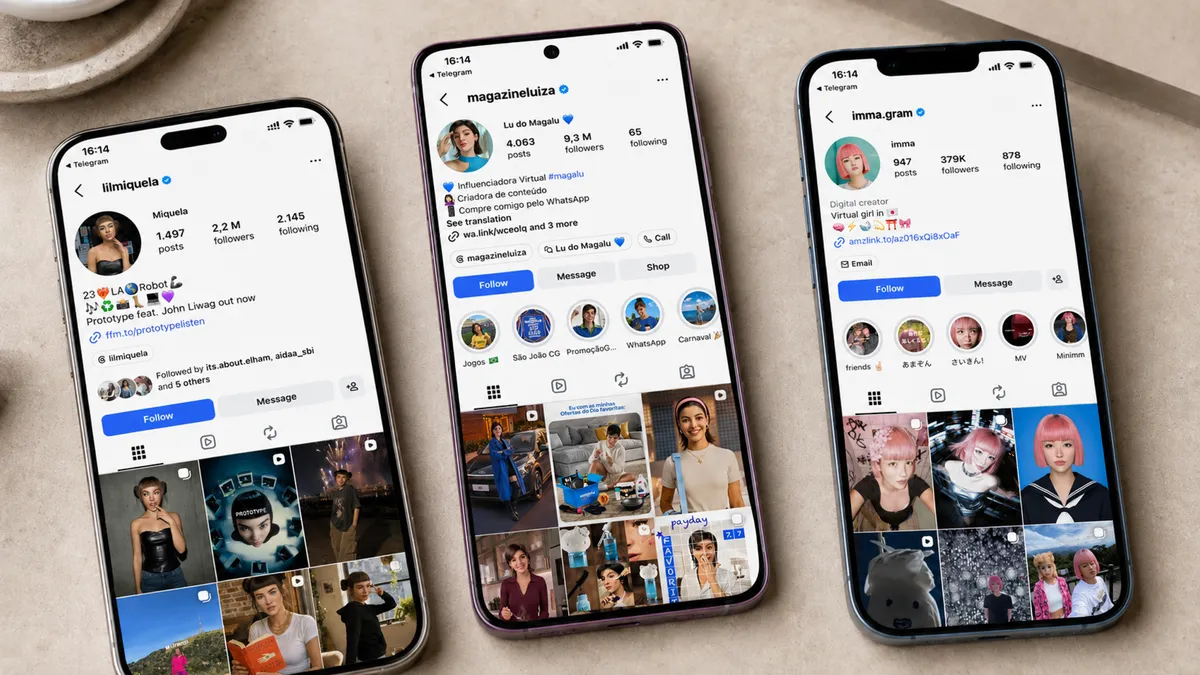
Magazine Luiza owns Lu do Magalu, while Prada created Candy as its own virtual muse; these are clear examples of brands developing virtual characters for their own marketing.
Can a brand own a virtual influencer?
Yes, a brand can create and own a virtual influencer as an intellectual property and marketing asset, provided it has the appropriate rights to the character, likeness, content, and underlying creative assets.
Are virtual influencers cheaper than human influencers?
They can be cheaper, particularly because virtual influencers can be reused and scaled without many of the logistical costs associated with human talent. That said, development, content production, technology, and management can still make virtual influencer campaigns expensive, so they are not automatically cheaper in every case.
Do virtual influencer campaigns need disclosure?
Yes, sponsored virtual influencer campaigns generally need clear disclosure when there is a material connection between the influencer and the brand, and the FTC’s Endorsement Guides explicitly address virtual influencers.