

Leila D.Content Marketer and StorytellerPart marketer, part storyteller, with a keen eye for what others miss. Leila D. distills complexity into creative ideas people feel, remember, and act on. For the past three years, her works have navigated new territories in character-driven marketing communications, brand storytelling with modern mascots, and AI-powered virtual influencers.
Key Takeaways
- AI fashion models are virtual beings generated digitally to mimic humans, customizable in body types, skin tones, poses, and outfits for use in images and ads.
- AI fashion models are made to appear in fashion imagery, social media campaigns, virtual runways, etc. Brands use them to showcase clothing across channels with full control over look and setting.
- Applications of AI fashion models in promotions and campaigns yield cost reductions up to 90 percent by eliminating model and studio expenses, alongside faster iterations and diverse representations for inclusivity.
- Major fashion players and brands like Levi’s, H&M, and Mango have tested AI fashion models and digital twins of real models for campaigns recently.
- Ethical considerations regarding using AI fashion models address job displacement for human models. The potential solutions involve retraining and coexistence in premium or authentic roles.
AI fashion models are digital characters that let brands showcase clothing with total creative freedom across photos, videos, and campaigns.
Picture virtual figures adapting instantly to new trends, appearing in endless styles, and cutting production costs by up to 90%. That’s not just imagination; Zalando did it in 2024 by powering 70% of its campaigns with AI, as per Reuters.
Virtual fashion models offer more than just scalable content creation and realistic e-commerce visualization through virtual try-ons. This trend has hidden depths.
Personalized advertising becomes easier; stage immersive virtual runways captivate audiences; digital clones of real models enhance the experience; and AI technology allows for smart, real-time interactions.
Stay tuned to see how top fashion houses combine AI with human talent for smarter and more sustainable marketing expansion.
What Are AI Fashion Models?
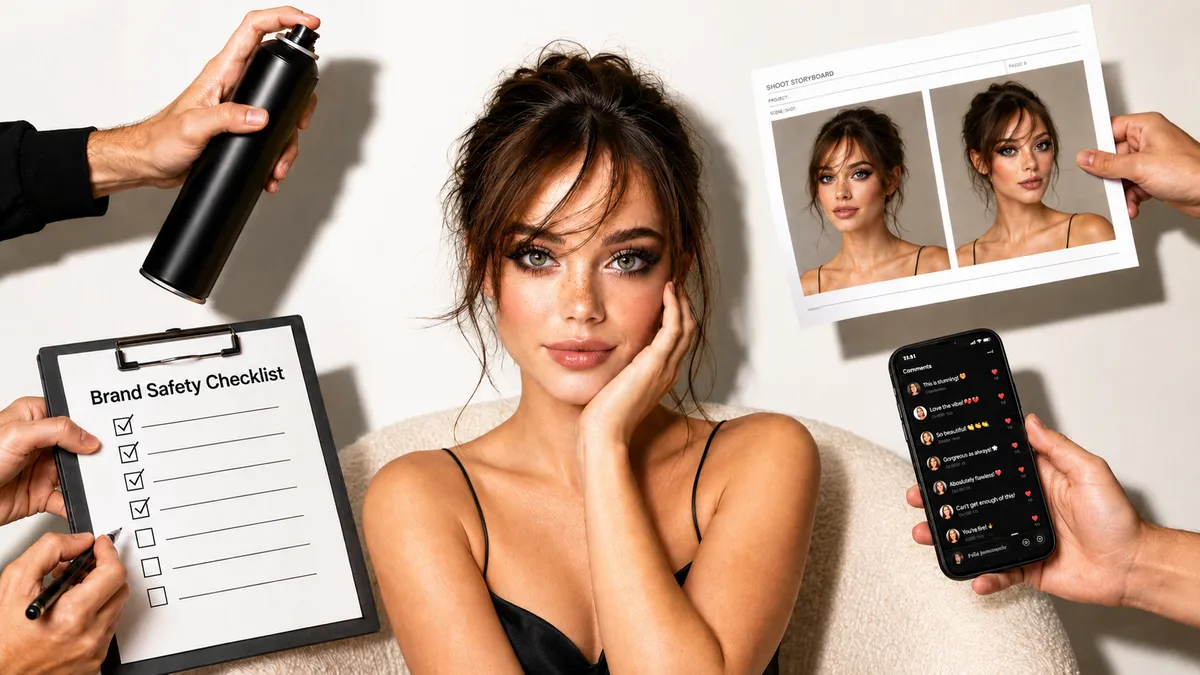
AI fashion models are virtual beings. Yet, unlike some digital beings, they’re built to look and perform like real people in photos, videos, and campaigns. You can dress them in any outfit, place them in any setting, and adjust their appearance for different body types, skin tones, poses, and styles.
These days, AI fashion models appear almost everywhere: on websites, short ads, social media posts and stories, even famous fashion magazines, just as human models do. The key difference lies in their digital nature.
Willi Nilly, people come across those flawless looks every time they scroll through Instagram and TikTok. More and more fashion houses are allocating budgets to team up with digital fashion stars.
View this post on Instagram
When exactly did this start?
Well, it wasn’t long ago.
Early adopters such as Levi’s and H&M began exploring this approach in the early 2020s. The move addressed needs for greater inclusivity while speeding up workflows and lowering expenses.
Reports indicate potential cost reductions of up to 90% by removing expenses tied to model hiring, studios, and repeated shoots.
For business leaders, this tool supports strategic marketing. Data backs this claim. So do real-world examples.
First, let’s take a quick look at the market stats.
The Market for Virtual Fashion Models Is Quickly Expanding
Generally speaking, the market for fashion-related technologies shows strong momentum.
One analysis placed the global AI fashion models market at USD 703.5 million in 2025. A rise to USD 867.4 million in 2026 is expected, with projections toward USD 6.2 billion by 2036 at a compound annual growth rate of 21.7%.
Broader generative AI adoption in fashion paints an even larger picture. Estimates for the overall AI in the fashion market vary, yet many forecast rapid expansion.
Projections include growth from $2.14 billion in 2024 toward $75.9 billion by the mid-2030s, with CAGRs often cited near 40% in optimistic scenarios, as per a report by Meticulous Research.
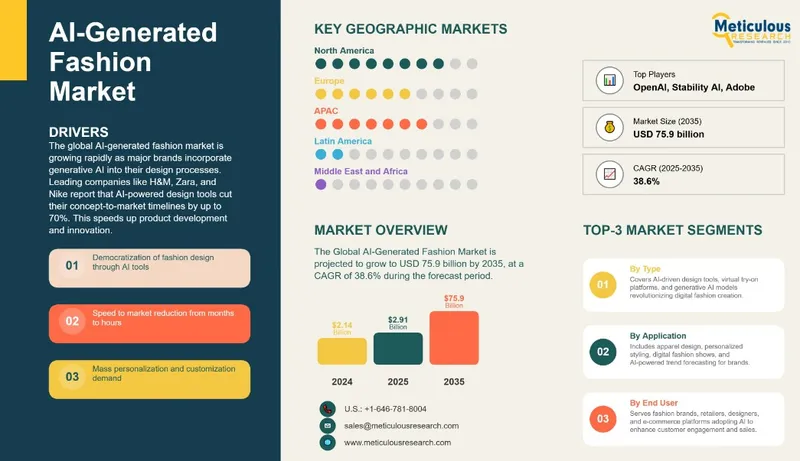
What do these data tell us?
That this expansion reflects clear business priorities:
Brands face pressure to lower production costs. They seek faster time to market and better personalization. Virtual fashion shows and immersive experiences further fuel demand as companies look beyond physical events.
Leaders who invest early gain clear benefits:
- They position their marketing teams to create more content with fewer resources.
- They also gain flexibility to adapt campaigns in real time, which supports faster decision-making and a stronger competitive advantage in a crowded market.
This raises a noteworthy question: “How to do it right?”
Finding the answer is straightforward; the move has already been initiated.
Let’s review some standout examples and their achievements.
How Leading Fashion Houses Use AI Fashion Models
Generative AI isn’t just about ‘wowing’ viewers with super-real photos or videos; technology has removed many barriers that once prevented marketers from pursuing bold ideas.
The possibilities are now endless, and I’ll discuss them briefly in the following sections. First, let’s review some revolutionary moves in the fashion industry in recent years.
H&M Made Waved with Digital Clones
Have you ever designed a killer fashion collection campaign, poured a fortune into hiring human models, and still watched your ROI decline?
The next time you’re tempted to burn through thousands of dollars on traditional photo shoots, take a page from H&M. This fashion giant is a prime example of rethinking the entire production and modeling game.
Models shared quotes: “She’s like me, without the jetlag.”
The innovative move stayed true to a human-centered ethos by keeping real people at the heart of its efforts. Plus, they cut waste, boosted creativity, and delivered real results for sustainability, A win-win scenario!
Levi’s Strauss & Co Fostered Diversity with Virtual Models
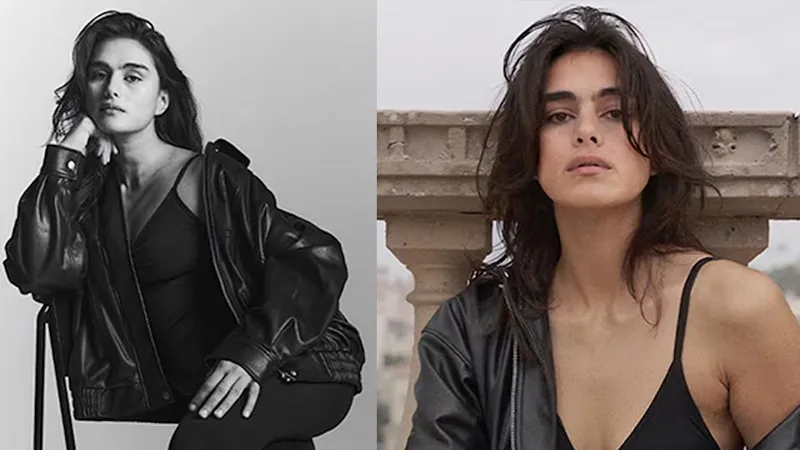
The powerhouse behind the iconic Levi’s brand is another example of industry leaders joining the trend. They leveraged AI fashion models to spotlight a stunning array of body types on their e-commerce site.
Levi’s campaign was a turning point in fashion. It not only boosted engagement and satisfaction but also enhanced the level of fashion campaigns, without sidelining human elements.
Mango Combined AI with Human Creativity
Mango’s Teen Collection campaign was another big move. By using AI fashion models, they represented Mango’s long-standing commitment to integrating advanced technology into fashion.
The main focus of the campaign was on tech growth, better data, and top operations to create more value.
A team of designers, AI model trainers, and photo studios worked together. Real photos of the clothes were used to train the AI models to ensure high-quality outputs that preserved the true details of the garments and models.
Guess Featured AI Models in Vogue Magazine
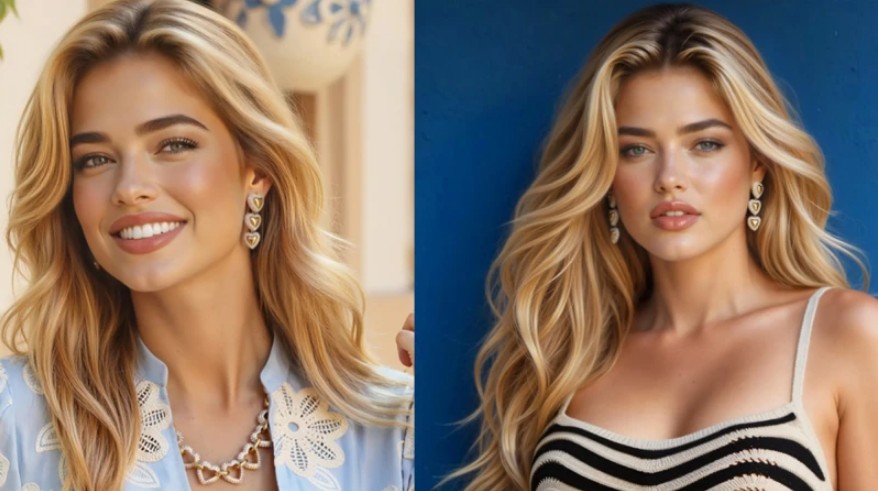
In 2025, Gusss, the global lifestyle brand, made history by featuring its AI-generated fashion model in Vogue Magazine!
The project focused on a series of advertising photos that showcased a lifelike blonde female AI model styled in Guess outfits. These irregular marketing efforts sparked discussions on beauty standards and jobs for real models.
I.N. Official Made a Revolution Fueled by AI
Let’s not forget about Transcendence, the first-ever AI-imagined fashion collection by I.N. Official, launched in 2025 Africa Fashion Week London. This innovative AI fashion line is a prime example of how AI-powered technology combines culture, creativity, and fashion on the global stage.
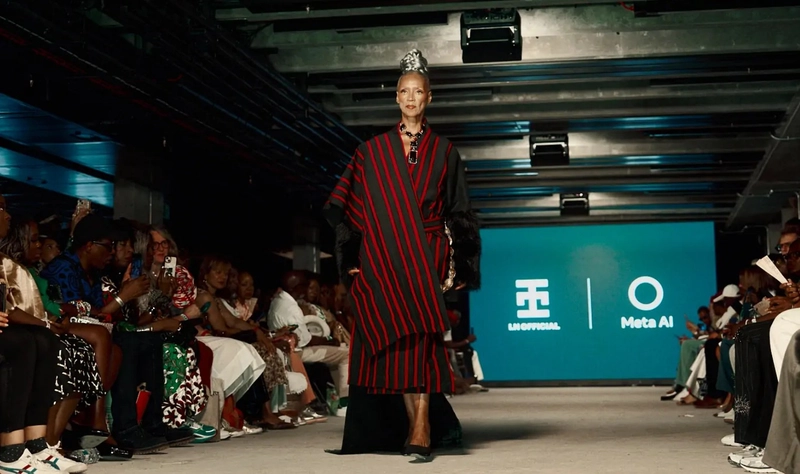
These revolutionary campaigns reveal an important truth:
The rise of AI has raised new expectations. The fashion industry is responding to the new market demands, and AI fashion models are playing a significant part in these changes.
I’ve discussed the trend in detail in a recent article on brands using AI fashion models. Check it out for full details.
Are AI Models Dry Technology or Evergreen Assets?
Advanced technologies like AI are merely tools; you decide how to utilize them.
Generate pretty photos with AI, and they’re good for one-time use; develop a unique identity, power it with AI, and you’ll have a ‘digital system’ that evolves.
Below are some possible strategic advantages digital fashion models bring to the table.
Timely Response to Market Trends
You’re running a campaign for your new fashion collection.
You need to prepare dozens of high-res images and short videos to post on social platforms.
You probably need to tailor them for different platforms and regions as well.
The costs and time add up quickly.
That’s not the worst scenario, though. You need to repeat this cycle every week to stay relevant on social platforms and email campaigns.
There is a practical solution.
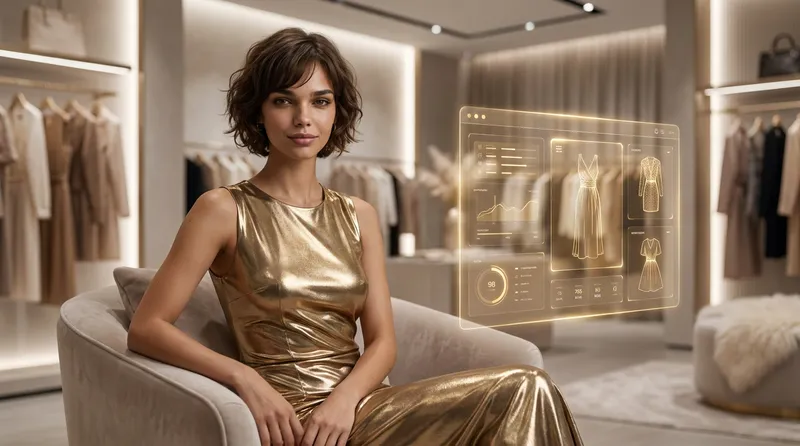
AI fashion models make it possible to produce everyday content in days instead of weeks, without the usual constraints of time, budget, or availability.
Permanent Digital Presence for Real Models
Becoming a top fashion model is a challenging and competitive journey. One of the toughest obstacles models face is gaining recognition and admiration from fans.
This recognition doesn’t happen overnight, neither for human models nor new digitally created faces.
If you’re not a big fan of creating entirely new digital faces for your fashion collection, what about generating clones of real models?
Remember H&M’s campaign and how the smart use of digital replicas benefited both models and the brand.
They shortened the overall process by minimizing overproduction and waste. The models were able to handle more jobs remotely while skipping exhausting travels.
Visit my latest blog on AI twins in fashion; it covers the trend and its business advantages in detail.
View this post on Instagram
A Responsive Host for Virtual Fashion Events
More advanced versions of digital models and digital clones bring responsive behavior into play.
A digital person powered by an AI brain is able to:
- converse with the audience during live virtual events
- express emotions
- adjust poses based on audience input
- learn overtime
A responsive fashion avatar in a virtual runway sounds impressive from a technical standpoint. Yet, with a clever communication strategy, it’s a total emotional experience that’s not easily forgotten.
And think of the feedback gathered; such valuable data enables you to refine and enhance your future campaigns.
From a business perspective, these capabilities support evergreen assets that evolve with changing needs.
Brands are able to adapt the character to new collections or messages without starting from scratch.
Marketing teams focus energy on storytelling and customer connections rather than repeated logistics.
The focus stays firmly on outcomes: higher customer engagement, shorter production cycles, lower costs, and stronger returns on every marketing dollar invested.
AI-Generated Models, Real Talents, or Both?
“Are AI-generated avatars replacing human models?”
Well, full replacement is very unlikely, especially in high-fashion or campaigns focusing on emotional connections.
However, it poses a serious threat to entry-level, commercial, or e-commerce works.
Still, between ‘collaboration’ and ‘competition’, the fashion industry is leaning toward the former.
In practice, leading brands have found a balance to benefit from both approaches.
Human models bring authenticity, emotion, and lived experience that strengthen premium storytelling. They star in flagship campaigns that emphasize real connections.
AI models and digital clones handle high-volume needs, rapid testing, and broad representation at lower cost and with greater speed. They power everyday content and personalization.
This balanced approach preserves jobs in creative roles while opening space for models to focus on higher-impact work.
Ethical management matters too.
Clear consent for digital twins and transparent practices builds trust with talent and audiences alike. Our latest release on AI influencer ethics and virtual influencer legal guide can be adapted for virtual fashion models as well.
Final Considerations
Let me bring up the discussion to a close with a certain prediction:
The future of luxury fashion storytelling belongs to AI; Guess’s AI-generated models featured in Vogue Magazine strongly admit this.
The reasons for this strategic shift extend beyond simple shortcuts for cutting costs or speeding up content production. The trend encourages fashion players to make thoughtful choices about representation, authenticity, and collaboration with human talent.
Now is a good time to decide if the rising trend fits your marketing roadmap.
Are you seeking distinctiveness?
Team up with a virtual fashion model agency. Build a unique identity from scratch; develop it into an IP ecosystem; maximize engagement and revenue growth.
Prefer human talent?
Reinforce their digital presence with AI-powered twins.
Either way, you’ll benefit from an evolving digital system made for you.
Make a call to discuss your next marketing campaign.
FAQs
Can AI models replace human models completely?
Complete replacement is very unlikely, especially in high fashion, where emotional connections matter. The industry favors hybrid methods that balance authenticity and lived experience with AI’s efficiency for commercial needs and everyday content.
What are the key benefits of using virtual fashion models for businesses?
A: Some key advantages are cost-efficiency, speed, inclusivity, sustainability, scalability, and adaptability to new market trends and upcoming technology.
Does using AI fashion models reduce product returns in e-commerce?
Yes, significantly. Realistic on-model images help customers better visualize fit, drape, and styling, which increases purchase confidence. There will be lower return rates when switching from flat lays or ghost mannequins to high-quality AI model photography.
What’s the use of digital twins in fashion?
Digital twins in fashion are virtual representations of real talents. The technology is utilized to reduce the need for physical shoots, speed up content production, promote sustainability, and cut costs.
Does Dream Farm Agency create AI-powered fashion Models?
Yes, we create expressive and responsive fashion models that engage with the audience. These models can change poses based on audience input during runways and virtual events or express emotions. Our AI-powered fashion models learn over time, which results in personalized brand experiences.
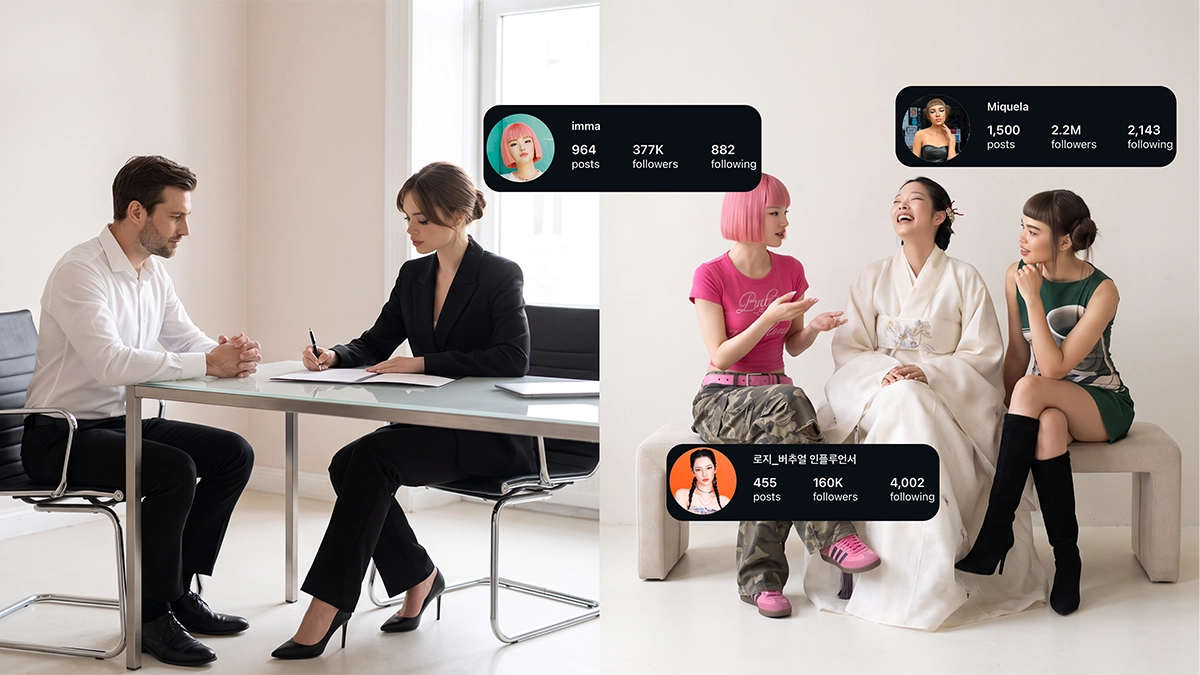
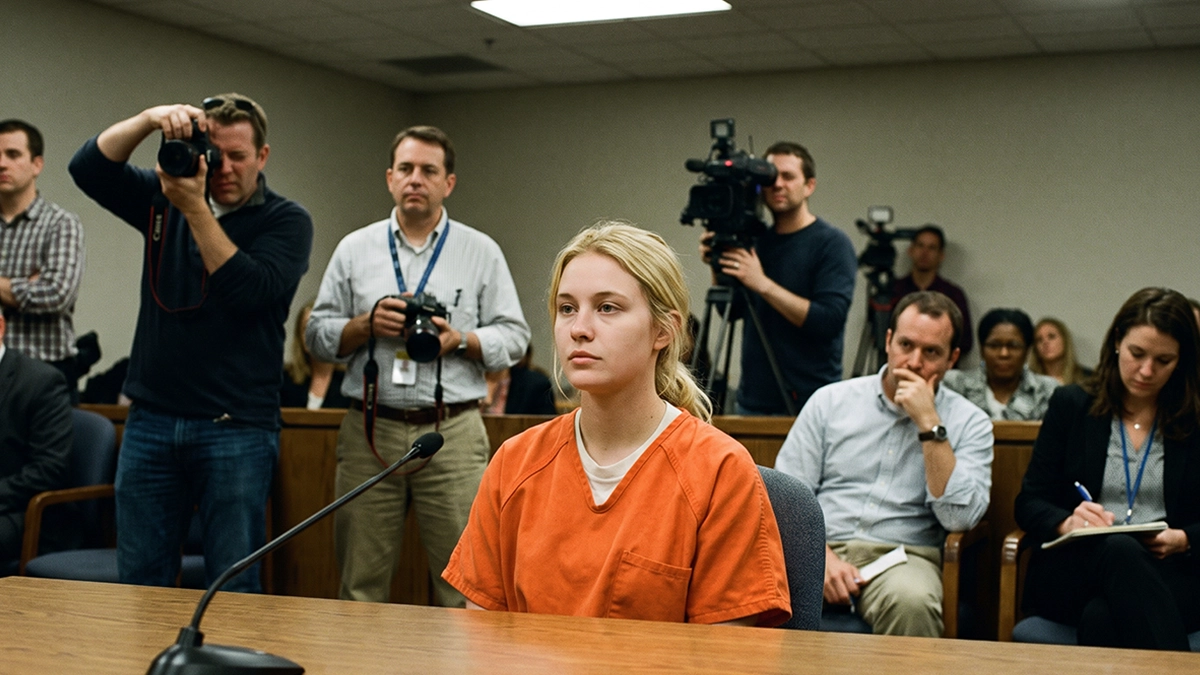
I’m curious though: how do you address concerns from traditional models about job displacement? Do you see AI models completely replacing human models in the future, or is there a sweet spot where both can coexist? Would love to hear your thoughts on the ethical considerations around this technology.
Hi Jane,
As you mentioned, job displacement is a serious concern, but it’s not the end of the road. There are solid ways to mitigate the risk, like keeping human models, photographers, stylists, etc. in key roles, especially for premium, authentic work, or training people in new skills like prompt engineering, 3D design, and AI character direction. We believe that AI is a powerful tool to speed up ideas, not a replacement for human creativity.
One question: when you create these AI models for clients, how do you ensure they still feel authentic and relatable to real customers? I imagine there’s a fine line between “perfect” AI-generated imagery and something that actually resonates with people on an emotional level. What’s your process for maintaining that human connection?
Hi Marcus,
To ensure AI models feel authentic and relatable, we focus on understanding our audiences through user research and gathering feedback during development. We also use diverse training data to reflect real-world experiences and avoid bias, and we integrate emotional intelligence to tailor responses that resonate with users. If you’d like to learn more, please don’t hesitate to reach out to us at https://dreamfarmagency.com/contact-us/.